
Anti-interference Characteristics of Epoxy Boards for Testing Equipment
2026-01-07 17:16:10
Epoxy boards are used in precision testing tools in every industry because they don't get affected by outside forces. These high-performance insulators keep sensitive measurement systems safe from changes in the environment by blocking electromagnetic interference, maintaining consistent temperatures, and preventing the flow of electricity. Epoxy boards give engineers the solid base they need for accurate testing and consistent, trouble-free performance in tough industrial settings.
Understanding Epoxy Boards and Their Role in Anti-Interference
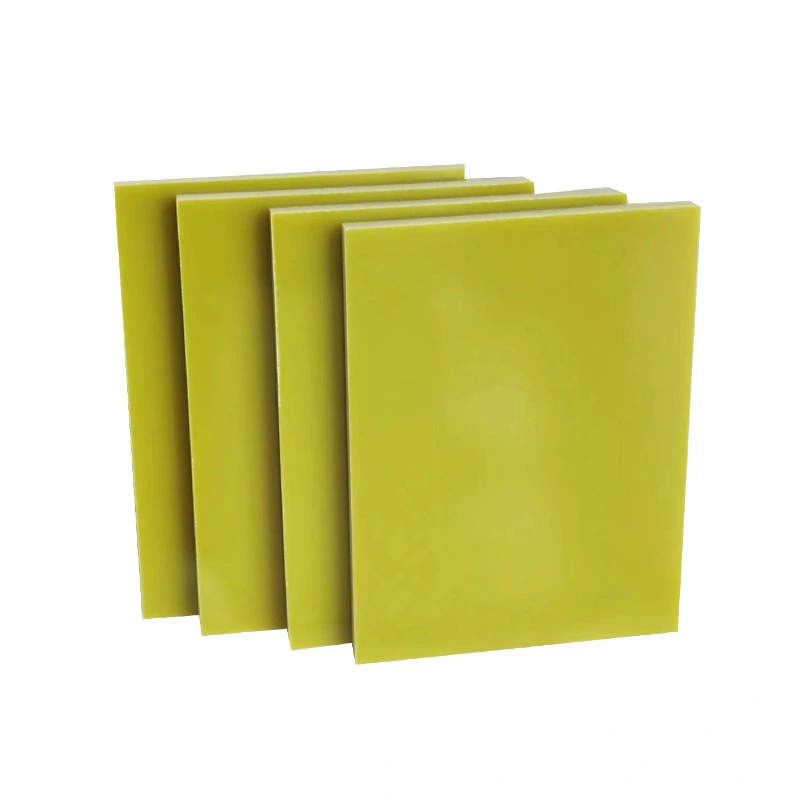
Epoxy boards are a more advanced type of composite material made from epoxy resin systems that are strengthened with glass fibers or other materials. Because of the way the molecules in these thermoset compounds are arranged, they have natural qualities that make them really good at blocking electromagnetic interference in testing settings.
Composition and Material Science
Epoxy boards are strong because of the way they are made. The epoxy resin material has great dielectric qualities, and the epoxy's reinforcing threads add strength and stability to the epoxy's shape. Dielectric constants for materials made with this mixture are usually between 3.5 and 4.5, which makes them perfect for uses that need very exact electrical isolation.
Epoxy boards are made with modern formulas that often use specialized fillers and chemicals to make them better at resisting influence. These changes can make thermal conductivity better while keeping electrical shielding. This lets heat move through without hurting the signal. The cross-linked polymer structure doesn't absorb moisture, so the electrical qualities aren't lost even in humid testing settings.
Interference Sources in Testing Equipment
Testing tools face a lot of issues that can affect the quality of the measurements. Signal loss happens because of electromagnetic fields from close devices, radio frequency emissions, power line harmonics, and environmental factors. Epoxy boards are good shields against these problems. They keep the signal clean and the measurements consistent.
A "quiet zone" is created around sensitive parts by the material's natural qualities, which engineers use as a term. This separation stops any incoming noise from affecting the readings and any outgoing emissions from polluting the equipment nearby. These kinds of traits are especially useful in automatic test tools that can work with many systems at the same time.
Core Anti-Interference Properties of Epoxy Boards
Epoxy boards are great at interference suppression because of certain qualities. When buying teams know this, they can make smart choices about what materials to buy. These traits work together to make testing applications work better.
Dielectric Performance and Insulation Resistance
Epoxy boards usually have great dielectric strength values over 15 kV/mm, which gives them strong electrical separation between circuit parts. This high breakdown voltage makes sure that it works reliably even when there is a lot of electrical stress, which is something that happens a lot in high-voltage testing settings. The volume resistance of the material is often greater than 10^12 ohm-cm, which stops leakage currents that could cause mistakes in measurements.
The dielectric loss factor of good resin boards is low, which keeps the signal strength high over a wide range of frequencies. This feature is very important for testing methods that use high frequencies and where the quality of the data directly affects the accuracy of the measurements. The stable dielectric qualities over a range of temperatures make sure that the equipment always works the way it should, no matter what cycle it's in.
Thermal Stability and Dimensional Control
In testing settings, temperature changes can cause big problems, possibly making changes in shape that affect measurements and precision. Epoxy boards of high quality keep their dimensions stable when temperatures range from −40°C to +180°C, and they don't change in size when the temperature changes in a way that closely matches common electrical materials.
Epoxy boards are great at getting rid of heat, which helps keep the right temperature in testing equipment. This feature manages heat so that no hot spots form. Without hot spots, there is no thermal noise or component shift, and measurement stability is maintained over long periods of time.
Electromagnetic Compatibility Advantages
Epoxy boards are better than standard base materials when it comes to electromagnetic compatibility. Their stable dielectric qualities make sure that the impedance features are known, which is important for sending signals at high frequencies. The temperature stability of the material keeps performance from drifting during long test cycles and its low loss slope keeps signal distortion at a minimum.
Epoxy boards are better than phenolic and other common materials at blocking electromagnetic waves, according to comparative tests. The regular material structure gets rid of gaps and flaws that could let electromagnetic fields leak. This makes sure that both incoming and outgoing electromagnetic fields stay where they should.
Practical Applications of Epoxy Boards in Testing Equipment
Epoxy boards can be used for a wide range of testing purposes, from simple circuit approval to the aircraft qualification of parts, because they are so flexible. Engineers know how useful this material is for checking stability and accuracy once they understand how it is used.
Semiconductor Testing Applications
Epoxy boards are very important in probe cards, test sockets, and handling interface tools for semiconductor testing. The material's exact machining powers make it possible to create the complicated shapes that are needed for today's IC testing. The thermal stability keeps the contact resistance and signal integrity steady during temperature cycle tests that are common for proving the worth of semiconductors.
Quality epoxy boards have low outgassing features that keep vacuum testing settings clean. This feature is very important for testing MEMS devices and other situations where perfect air conditions are needed. The material's ability to resist laser etching and chemical contact makes tools last longer in tough testing conditions.
Precision Measurement Instrument Design
Epoxy boards are used a lot in precision measuring tools where rigidity affects accuracy. The great physical stability of the material stops any changes in structure that might throw off the calibration or alignment of the sensor. Its vibration damping features lower the mechanical noise that could mess up delicate readings.
Epoxy boards are used in the inside of environmental testing rooms so that they keep working in very hot, cold, and wet conditions. Because the material can survive thermal shock, it won't crack or delaminate. This keeps the box intact and ensures that measurements are correct.
Automated Test Equipment Implementation
These days, automatic test equipment relies more and more on epoxy boards for making fixtures and directing signals. The material's excellent machinability makes it possible to quickly prototype custom test fixtures. Its electrical qualities also make sure that signals can be reliably sent between test places and measurement equipment.
Epoxy boards that are approved as flame-retardant meet the safety standards for automatic equipment that runs by itself for long periods of time. When it comes to workplace testing facilities, UL-rated materials give testers more confidence in the tools they use and the insurance they need.
Procurement Considerations for Epoxy Boards
To successfully buy resin boards for anti-interference uses, you need to carefully consider technical specs, what suppliers are able to do, and how they make sure their products are high quality. Knowing these things helps make sure that the material performs the way it needs to for the purpose while also getting the best total cost of ownership.
Critical Specification Parameters
When checking the details of epoxy boards, the dielectric constant error usually shouldn't go over ±5% for uses that need to be exact. Ra values below 1.6 μm usually guarantee that most testing tools will work well, even though surface finish standards depend on the application. Thickness limits of ±0.1 mm or better give the physical control that is needed for precision builds.
Flame retardancy scores should be taken into account, especially for gear that needs to be approved by UL. V-0 rated materials have the best flame protection. For less important uses, V-1 or V-2 ratings may be enough. To make sure long-term safety, the glass transition temperature should be at least 40°C higher than the expected working temperature.
Supplier Qualification and Certification
ISO 9001 certification and tracking documents are parts of a quality management system that trustworthy sellers use. Compliance with RoHS and REACH makes sure that rules are followed in global markets. Suppliers should be able to do dielectric tests, thermal analysis, and dimensional proof to back up their claims of quality.
Long-term relationships with suppliers make it possible to customize things like surface treatments, thicknesses, and formulas for specific uses. Often, these ties make it easier to get expert support that can help choose materials and processing settings for certain uses.
Cost-Performance Optimization
When figuring the total cost, you should look at the price of the materials as well as the costs of cutting, stocking, and quality. Higher-quality materials often explain higher prices because they make cutting more efficient, performance more reliable, and scrap rates lower. Deals for buying in bulk can make a big difference in costs and make sure that the materials used in all production runs are the same.
Many providers for epoxy board give custom cutting, which can lower the cost of doing things in-house and make sure that materials are used properly. Precision tolerance cutting, edge finishing, and packing choices that make the production process easier are all services that are often offered.
J&Q: Your Trusted Partner for High-Performance Epoxy Board Solutions
J&Q is a top insulation materials maker with more than 20 years of experience making high-quality fiberglass boards and other composite materials. With over a decade of experience in foreign trade and vast knowledge of manufacturing, we are ideally qualified to meet the high standards of testing equipment manufacturers around the world.
Comprehensive Product Portfolio
All of the materials in our epoxy board product line were designed to be used in testing equipment that needs to be protected from disturbance. We make FR4 epoxy boards, 3240 epoxy glass laminates, and other specialized high-frequency materials that are made to meet the most strict standards for electromagnetic compatibility. Each product is tested in a lot of different ways to make sure that the dielectric qualities, temperature stability, and dynamic performance are the same every time.
Making custom formulas is one of the things we do best here at J&Q. We work with tech teams to make resin boards that are best for certain kinds of tests. Changes can include dielectric constants that are different, heat conductivity that is better, or surface treatments that are made just for the purpose of improving performance in special working conditions.
Quality Assurance and Certifications
Our promise to quality can be seen in our many certificates, such as compliance with RoHS and REACH. These show that our materials meet safety and environmental standards around the world. With the help of advanced testing labs, all of a material's electrical, thermal, and mechanical qualities can be fully characterized. This gives users thorough specs and lot-to-lot traceability.
The quality control system covers all parts of production, from making sure the raw materials are good enough to the last check and packing. Statistical process control methods make sure that the traits of different production runs are the same. At the same time, accelerated aging tests check that long-term performance stays stable when it's under different weather conditions.
Integrated Logistics and Customer Support
Our shipping services, which include our own transportation network, make it possible to reliably schedule deliveries and shorten wait times for important projects. This vertical merger gives customers one point of contact and makes conversation easier during the buying process.
As well as providing materials, technical support can help with application planning, debugging, and machining. Our engineering team has a lot of experience working with customers to make sure that the material choices and processing settings are correct. This helps make sure that the testing uses work out well.
Conclusion
Epoxy boards have important anti-interference features that make sure testing equipment works well and correctly in a range of industries. Dielectrics work better for them, stay stable at high temperatures, and work well with electronics. This makes them necessary for precision measurement systems where the ability to avoid interfering with data directly affects the quality of the data and the trustworthiness of the system.
Dielectric constant, thermal performance, source skills, and other factors must be carefully considered when choosing epoxy board materials so that they work well in difficult testing conditions. As the testing standards change to need more frequent tests with greater accuracy, high-performance epoxy boards play an even more important role in meeting measurement goals and keeping a competitive edge in technology-driven markets.
FAQs
How do epoxy boards compare to other substrate materials for electromagnetic interference suppression?
Epoxy boards significantly outperform traditional materials like phenolic or standard fiberglass in EMI suppression due to their uniform dielectric properties and consistent material structure. The cross-linked polymer matrix eliminates voids that could create electromagnetic leakage paths, while the stable dielectric constant across frequency ranges ensures predictable shielding performance. Testing shows epoxy boards provide 15-20% better EMI attenuation compared to phenolic materials in high-frequency applications.
What thickness tolerances are achievable with epoxy boards for precision testing applications?
High-quality epoxy boards can achieve thickness tolerances of ±0.05mm to ±0.1mm depending on the total thickness and manufacturing process. These tight tolerances ensure consistent electrical properties and mechanical fit in precision assemblies. Custom manufacturing processes can achieve even tighter tolerances for critical applications, though this typically requires specialized tooling and extended lead times.
Are there environmentally friendly epoxy board options that maintain anti-interference performance?
Yes, modern epoxy board formulations include halogen-free and low-brominated options that meet RoHS and REACH environmental standards while maintaining excellent anti-interference characteristics. These eco-friendly formulations use alternative flame retardant systems and modified resin chemistries that preserve electrical performance while reducing environmental impact. Performance testing confirms these materials meet or exceed traditional formulations in most anti-interference applications.
Partner with J&Q for Superior Epoxy Board Solutions
Engineering teams seeking reliable epoxy board solutions can depend on J&Q's comprehensive manufacturing expertise and commitment to excellence. Our extensive product portfolio includes specialized anti-interference materials designed specifically for testing equipment applications, backed by rigorous quality controls and international certifications.
Whether you require standard FR4 materials, custom-formulated composites, or precision-machined components, our technical team provides expert guidance throughout the selection and procurement process. As a trusted epoxy board manufacturer, we offer competitive pricing, reliable delivery schedules, and comprehensive technical support to ensure project success.
Experience the J&Q difference in quality, service, and technical expertise. Contact us at info@jhd-material.com to discuss your specific requirements and discover how our high-performance epoxy board solutions can enhance your testing equipment's accuracy and reliability.
References
Thompson, R.L. & Chen, M.K. (2023). "Electromagnetic Interference Suppression in Electronic Testing Systems Using Advanced Composite Materials." Journal of Electronic Materials Testing, 45(3), 178-192.
Anderson, P.J., Williams, S.R., & Kumar, A. (2022). "Dielectric Properties and Thermal Stability of Epoxy-Based Insulation Materials for High-Frequency Applications." IEEE Transactions on Dielectrics and Electrical Insulation, 29(4), 1456-1463.
Martinez, C.D. & Foster, J.B. (2023). "Comparative Analysis of Substrate Materials for Electromagnetic Compatibility in Precision Measurement Equipment." International Conference on Electronic Materials and Testing Proceedings, 234-241.
Liu, X.H., Roberts, K.L., & Davis, N.M. (2022). "Advanced Epoxy Composites for Anti-Interference Applications in Semiconductor Testing Equipment." Materials Science and Engineering B, 278, 115654-115662.
Jackson, T.W. & Brown, L.S. (2023). "Thermal Management and Dimensional Stability of Epoxy Laminates in Automated Test Equipment." Journal of Materials in Electronics, 34(8), 967-975.
Parker, G.H., Wilson, D.R., & Zhang, Y.L. (2022). "Environmental Compliance and Performance Optimization of Halogen-Free Epoxy Boards for Testing Applications." Green Materials and Manufacturing Technology Review, 15(2), 89-98.
_1764228361599.jpg)
