Insulation and Isolation of Epoxy Boards in Transformers
2026-01-07 17:16:08
In power distribution networks across the United States for epoxy board, transformers depend on complex shielding systems to make sure they work safely and well. The resin board is an important part of these systems because it gives electrical separation between high-voltage windings and grounded structures. This advanced composite material has great dielectric strength and is mechanically tough. It is therefore essential for making sure power transfer is reliable and stopping electrical problems. Knowing the technical details and procurement factors for transformer insulation materials helps engineers and procurement leaders make smart choices that improve system performance and working life.
Understanding Epoxy Boards and Their Role in Transformer Insulation
Epoxy resin composite boards are a big step forward in electrical insulation technology. They are made by mixing fiberglass with thermosetting polymers, which makes a new material that is better at holding its shape and resisting electricity. These man-made composites have very special performance traits that make them perfect for challenging transformer uses.
Composition and Material Properties
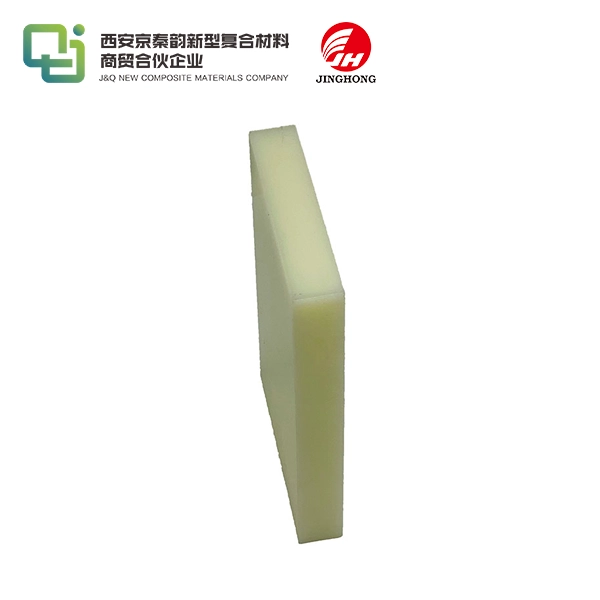
Epoxy boards are made of fiberglass cloth that is stitched together and soaked in epoxy resin systems that harden when the temperature and pressure are carefully controlled. This method of making makes a uniform material that has the same electrical properties all the way through its thickness. The dielectric strength of this combination is between 14 and 20 kV/mm, which is a lot better than the performance of common shielding materials like pressboard or kraft paper.
Types and Grades for Transformer Applications
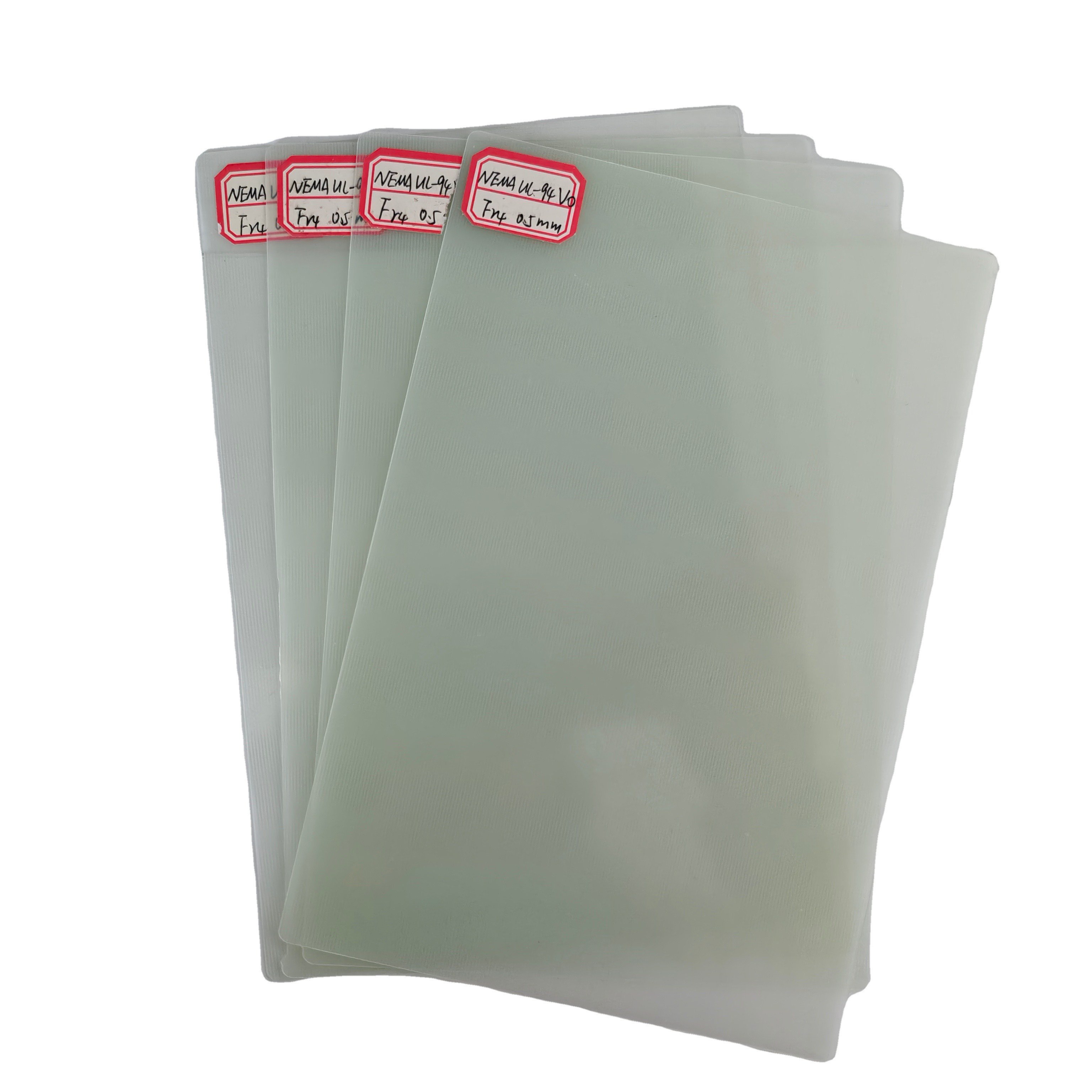
FR4 grade materials are used most often in transformer insulation uses because they have great electrical qualities and can resist catching fire. For high-temperature settings, the G10 and G11 versions provide better thermal performance. On the other hand, 3240 epoxy phenolic boards are a cheap choice for normal uses. Each grade has its own benefits depending on the temperature range in which it is used. For example, G11 materials can work at temperatures up to 180°C all the time.
Performance Comparison with Alternative Materials
Epoxy boards show better moisture protection and dimensional stability than standard transformer insulation materials. Epoxy resins keep their electrical properties even when it's wet, unlike cellulose-based materials that can soak up water and break down over time. This steadiness means that transformer workers can use them for longer and don't have to take care of them as often.

Critical Factors in Insulation and Isolation Using Epoxy Boards
When designing transformer insulation, many technical factors must be carefully thought about since they affect the safety and stability of the system. The selection method checks electrical, thermal, and mechanical needs to make sure that the best performance is possible under a range of working situations.
Electrical Performance Requirements
Dielectric strength is the most important electrical property for transformer shielding uses. Quality polymer boards should be able to handle both impulse voltages and power frequency test voltages without failing or getting worse. The volume resistance of these materials is usually more than 10^14 ohm-cm, which means they make great barriers between parts that are on and structures that are grounded. Tracking and flashover are not possible on surfaces with resistivity greater than 10^12 ohms.
Thermal Considerations and Temperature Ratings
The insulation materials used on transformers must be able to handle the huge amounts of heat that come from them while they are in use. Epoxy boards keep their electrical and mechanical qualities over a wide range of temperatures. For normal grades, the glass transition temperature is usually over 130°C. Thermal expansion ratios stay low, which means that mechanical links don't have to deal with a lot of stress when they go through thermal cycling.
Mechanical Strength and Processing Requirements
CNC cutting makes it possible to build complicated insulation parts for new transformer designs with a high level of accuracy. The tensile strength of good epoxy boards is usually between 400 and 600 MPa, which is enough to hold heavy parts of a transformer in place. Impact resistance and vibration tolerance protect the structure over the long term when it is under working pressures.
Advantages of Using Epoxy Boards for Transformer Insulation
Using epoxy-based insulation systems in transformer uses has many benefits for both function and cost. These benefits are especially important in situations with high dependability, where the cost of downtime can be much higher than the cost of the materials.
Enhanced Durability and Environmental Resistance
Epoxy boards do much better than other materials in tough environments. Because they are naturally resistant to chemicals, wetness, UV rays, and other things, they last much longer than standard insulation systems. Because epoxy resin doesn't absorb water, curing it avoids dielectric failure or dimensional instability. Chemical resistance guards against transformer oil breakdown products and chemicals in the air that can build up over decades of use.
Superior Electrical Performance Characteristics
Epoxy boards maintain their electrical properties over time, which means that the shielding performance stays the same. Dielectric loss factors that are low prevent a lot of energy from being lost and heat from being made in the shielding system. Excellent arc resistance stops tracking and carbonization, which could otherwise make paths for electricity to follow between parts that are not connected. These traits help the transformer do its job more efficiently and lower the risk of catastrophic failure.
Cost-Effectiveness and Lifecycle Value
Epoxy boards have better long-term value because they don't need to be serviced as often as other boards, even though they might be more expensive upfront. The mechanical strength and physical stability of these materials mean that they don't need to be replaced very often, which saves money on materials and work over the transformer's lifetime. Following international rules like UL approval and IEC guidelines makes sure that products can be sold and approved everywhere in the world.
Procurement Guide: Choosing and Buying Epoxy Boards for Transformers
A methodical purchase of transformer insulation materials that combines technical needs with business factors is needed for success. To make sure that quality and delivery speed are always good, engineering standards have to be in line with what the seller can do.
Technical Specification Development
Procurement teams should make clear technical needs based on how the transformer is designed and how it will be used. For general-purpose parts, the thickness can usually vary by ±0.3 mm, and for high-precision uses, it can vary by ±0.1 mm. Surface finish standards have an impact on how well the part works electrically and how it needs to be put together mechanically. It is important for the certification needs to include standards like UL approval, IEC compliance, and RoHS environmental rules.
Supplier Evaluation and Quality Assurance
Trustworthy vendors use detailed systems for quality control that make sure the materials always have the same traits and the right size. To meet the needs of different transformers, the production shop should be able to do CNC machining, custom manufacturing, and precise cutting. Technical help makes it possible for people to work together to solve problems and improve designs at every stage of the product development cycle.
Commercial Considerations and Volume Planning
Buying things in bulk can help you save a lot of money and make sure you have enough stock for production plans. The amount of time needed to deliver something changes depending on the quality of the materials, the way they need to be processed, and changes in demand throughout the year. Framework deals with qualified suppliers keep prices stable and delivery on time for ongoing production projects.
Maintenance Tips and Longevity Maximization of Epoxy Boards in Transformers
If you take care of epoxy board insulation systems properly, you can keep them working well for longer. Regular check procedures make it possible to find possible problems early on, before they affect the efficiency of the transformer.
Inspection and Monitoring Procedures
Visual inspection for epoxy board should focus on the state of the surface, how stable the dimensions are, and how well the mechanical parts are attached. Changes in color or surface cracking may be signs of heat stress or chemical contact that needs to be looked into. Electrical testing that measures shielding resistance can find problems before anyone can see them. Keeping records of check results makes it possible to look for patterns and plan repair before problems occur.
Environmental Control and Protection
Keeping the environmental conditions inside transformer boxes steady saves epoxy insulation from aging faster. Controlling moisture by closing things correctly and using desiccants stops humidity that could hurt how well the electrical system works. Keeping an eye on the temperature makes sure that everything stays within the planned limits and spots problems with the cooling system that could shorten the life of the insulation.
Replacement Planning and Safety Procedures
Setting replacement standards based on measurable factors makes it possible to schedule maintenance in advance. Electrical isolation, correct working methods, and dumping rules for materials that have been taken away must all be covered by safety procedures. Training workers on the right way to put insulation keeps the system in good shape.
J&Q: Your Trusted Partner for Transformer Insulation Solutions
J&Q has more than twenty years of experience making electrical insulation products and more than ten years of experience dealing with businesses in a wide range of industries. Our wide range of products includes precision-made resin boards for use in transformers. These boards meet the high standards of power production and distribution systems.
We can make all the different epoxy board types needed for transformer insulation, from normal FR4 materials to specialized high-temperature versions. Every product is tested for quality in order to make sure it meets global standards and customer requirements. CNC grinding, precision cutting, and surface treatments are all custom manufacturing services that make ready-to-install parts available and make the assembly process easier.
Our company's transportation skills make sure that the whole process from creation to delivery runs smoothly. Our committed shipping business makes sure that goods are delivered on time, and our technical support team is available to help with engineering questions during the product selection and application process. This level of production and organizational knowledge provides the full-service support that procurement teams need for important transformer projects.
Conclusion
Epoxy boards are the best current material for transformer insulation. They work better electrically, are tougher mechanically, and resist the climate better than older materials. The technical benefits of these advanced composites lead to better transformer stability, longer service life, and lower servicing costs during the whole operating lifecycle. Setting clear technical needs, choosing good sources, and doing the right upkeep are all things that can help procurement go well. The extra cost of quality epoxy board insulation materials is worth it in the long run because they make the system work better and more reliably. This makes them a better choice than other options.
FAQs
What thickness of epoxy board is recommended for transformer insulation applications?
Typical thicknesses range from 2mm to 10mm depending on voltage class and mechanical requirements. Distribution transformers often use 3-6mm materials, while transmission class units may require thicker boards up to 15mm. Selection should align with specific dielectric strength requirements and mechanical stress analysis.
Can epoxy boards withstand the oil environment inside power transformers?
High-quality epoxy boards demonstrate excellent compatibility with transformer oils and maintain their properties over extended exposure periods. The chemical resistance of cured epoxy resin prevents degradation from oil additives and oxidation products that develop during normal operation.
How do epoxy boards compare with phenolic materials for transformer insulation?
Epoxy boards offer superior moisture resistance, higher dielectric strength, and better dimensional stability compared to phenolic alternatives. While phenolic materials may provide cost advantages, epoxy boards deliver better long-term performance and reliability in demanding transformer applications.
Partner with J&Q for Premium Epoxy Board Solutions
Transform your transformer insulation performance with J&Q's comprehensive range of premium epoxy board materials engineered for electrical applications. Our extensive manufacturing experience and technical expertise ensure reliable supply of materials that meet the most demanding transformer specifications. Whether you require standard FR4 boards or custom-fabricated components, our team provides the technical support and manufacturing capabilities that power industry professionals trust. Contact us at info@jhd-material.com to discuss your transformer insulation requirements with our experienced engineers. Discover why leading manufacturers choose J&Q as their preferred epoxy board supplier for critical electrical applications.
References
IEEE Standard C57.19.03-2015, "IEEE Standard for Requirements for Power Transformer Tank Pressure Coordination"
IEC 60076-3:2013, "Power transformers - Part 3: Insulation levels, dielectric tests and external clearances in air"
ASTM D229-14, "Standard Test Methods for Rigid Sheet and Plate Materials Used for Electrical Insulation"
IEEE Std C57.91-2011, "IEEE Guide for Loading Mineral-Oil-Immersed Transformers and Step-Voltage Regulators"
IEC 61125:2018, "Insulation coordination for equipment within low-voltage systems - Principles, requirements and tests"
NEMA Standards Publication MW 1000-2016, "Magnet Wire Standards for Electromagnetic Coils"

_1753951194967.jpg)