Which Scenarios are Suitable for Epoxy Sheets of Different Thicknesses?
2026-01-07 17:16:06
Choosing the right epoxy sheet thickness relies on the needs of the project, the amount of weight that needs to be supported, and the conditions in the surroundings. In electronics manufacturing, thin sheets (0.5–3 mm) are great for PCB boards and electrical protection. The medium-thickness (3–10 mm) options are good for industry machines that need a fair amount of mechanical strength. The thicker choices (10–25 mm) work best for heavy-duty structural parts and settings with high temperatures. Engineers and procurement experts can get better performance and save money by understanding these uses and picking the right materials.
Understanding Epoxy Sheets and Their Thickness Variations
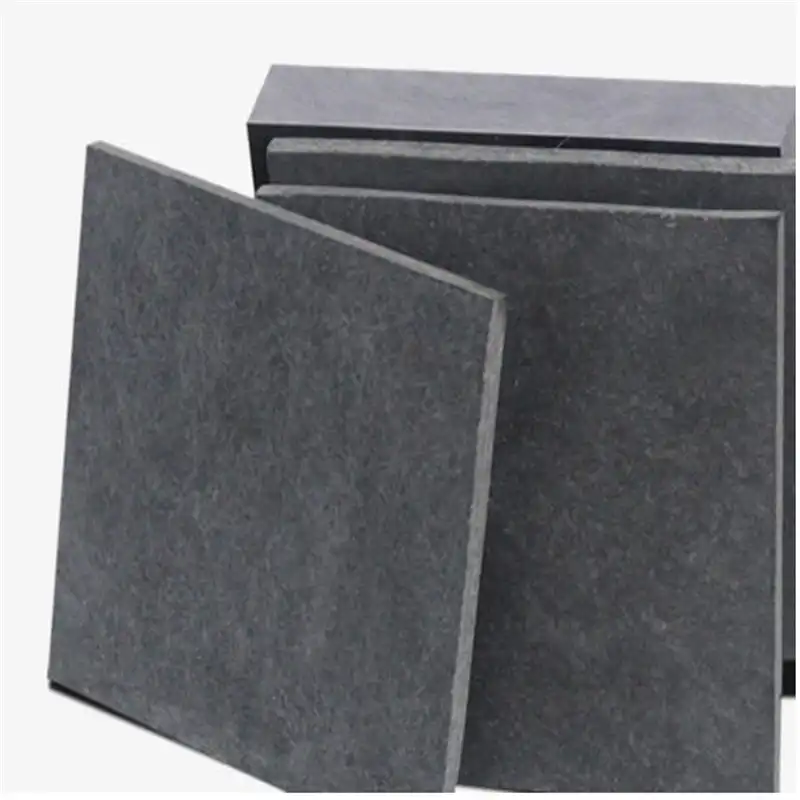
Epoxy sheets are an advanced hybrid material that has great chemical protection, electrical insulation, and mechanical strength. These traits make them impossible to replace in the electronics, automobile, power generation, and industrial tools sectors. These sheets are made in a wide range of thicknesses, usually from very thin 0.5 mm up to 25 mm thick, with some special uses needing even thicker sheets.
Material Properties and Performance Characteristics
Thickness has a direct effect on important performance factors such as the material's dynamic strength, flexibility, insulation capability, and how easy it is to make things out of it. Thinner materials are more flexible and easier to cut, which makes them great for lightweight options or projects that need to have very fine details or complex forms. The medium-thickness options are good all-around choices because they are strong and don't take too much processing power. For tough industrial settings, thicker choices provide the best strength and heat resistance.
Manufacturing Standards and Quality Certifications
Epoxy sheet production such as epoxy sheet has to meet strict industry standards these days, such as UL approval for electrical use and ROHS regulations for environmental safety. Quality control makes sure that constant thickness limits, uniform material properties, and reliable performance traits are always in place. These certificates give engineering teams and sourcing experts confidence in their choice of materials and the stability of long-term applications.

Key Application Scenarios for Different Epoxy Sheet Thicknesses
It is helpful for industrial uses to know how different thicknesses affect how well something works. Different industries use different thickness ranges to make their manufacturing methods more useful, durable, and cost-effective.
Thin Sheet Applications (0.5-3mm)
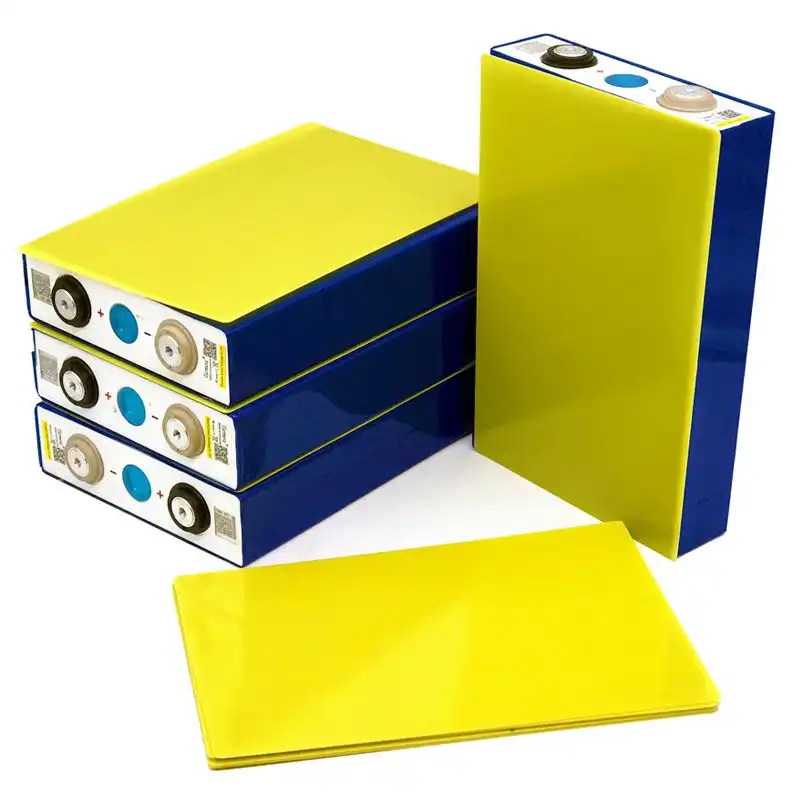
Electronics firms use thin epoxy materials for PCB boards a lot because they keep devices small and provide electrical protection. These uses have CNC machinability, which is great for making exact parts. In automotive electronics, thin sheets are used to insulate the battery pack because room issues require them to be very thin without losing safety. In areas where lightweight building meets insulation needs, appliance makers use these materials in motor frames and thermal separation parts.
Medium Thickness Applications (3-10mm)
Industrial machinery makers depend on epoxy laminates of medium thickness to make mechanical spaces, parts that don't wear out easily, and pieces that add strength to the overall structure. These uses need balancing performance, mixing mechanical strength with weight that is easy to carry. When medium-thick arc barriers and coil insulation are used in power distribution equipment, modest mechanical security meets electrical safety needs. The car industry uses these materials to make parts that can withstand high temperatures and must be exactly the right size.
Thick Sheet Applications (10mm and above)
For heavy-duty industrial use, the thickest epoxy types are needed because they have great mechanical strength and heat stability. When power production equipment is used in very harsh situations, these materials must work well as transformer insulation and in heat safety systems. The aerospace and building industries use thick sheets to make panels that can hold up a lot of weight and fight chemicals. Manufacturing equipment builders choose thick parts for machines that have to deal with a lot of stress and heavy loads.
Comparative Analysis: Epoxy Sheet Thickness vs. Alternative Materials
When choosing a material, epoxy sheets are compared to other choices, such as fiberglass composites, phenolic laminates, and plastic materials. Informed procurement choices that match performance needs with budget limits can be made when comparative benefits are understood.
Performance Comparison Across Thickness Ranges
No matter how thick it is for epoxy sheet, epoxy always has better chemical protection and electrical qualities than other materials. Dielectric strength is still better than phenolic choices, and tensile qualities are better than acrylic ones. The benefits of stable temperature become more clear in bigger setups because the extra material helps them work better in extreme circumstances. Because of these traits, epoxy sheets are especially useful in high-stakes situations where failing as a material brings big effects.
Cost-Benefit Analysis and Procurement Considerations
Epoxy sheets usually offer better long-term value even though they might be more expensive at first, according to investment research. Lowering the total cost of ownership is possible because of steady performance, longer service life, and lower upkeep needs. Getting the best prices and making sure the supply chain runs smoothly can be done with bulk buying and source partnerships. Quality certifications and expert support services add worth that makes it okay to charge a lot for important applications.
How to Choose the Right Epoxy Sheet Thickness: A Procurement Guide
When you choose a material, you need to carefully consider the technical needs, the environment, and the supply chain. Structured methods that find a mix between speeding up performance, cutting costs, and making sure deliveries arrive on time are helpful for procurement pros.
Technical Specification Analysis
When engineering teams define thickness requirements, they need to think about mechanical stress needs, weather exposure conditions, and electrical insulation needs. Chemical protection needs, temperature cycling conditions, and dimensional stability standards all have an impact on the choice of materials. When the engineers and buying teams work together, they make sure that the technical details, supply chain, and budget all work together.
Supplier Evaluation and Partnership Development
Working with providers who have a lot of knowledge and can help with technology issues, quality certifications, and customization makes procurement more successful. Supplier review should look at how much they can make, how they handle quality, and how well they've delivered in the past. Long-term relationships make it easier to get professional know-how, custom services, and special price plans that help with current and future projects.
Best Practices for Cutting, Handling, and Using Epoxy Sheets of Various Thicknesses
Proper handling and processing methods change a lot depending on thickness. This calls for different ways to make sure that the best results are achieved and workers are safe. Knowing these differences stops material waste, lowers processing time, and raises the quality of the end output.
Processing Techniques for Different Thickness Categories
To keep the edges from chipping and the sheet from cracking, thin sheet handling needs controlled feed rates and exact cutting tools. Carbide tools and the right coolant systems help keep physical accuracy in medium-thickness materials. When thick sheets are machined, they need strong support systems, special clamping methods, and careful heat control. These things make sure that all thickness levels get the same effects and that tools last longer.
Safety Protocols and Quality Control
Safety guidelines must talk about personal safety equipment, dust control, and ventilation needs for each type of thickness. Quality control methods should check the dimensions, surface finish, and, if necessary, the electrical properties. Traceability and quality assurance needs are met by documentation systems that keep track of processing factors and material certifications.
Conclusion
Choosing the right epoxy sheet width means taking into account the specifics of how it will be used, the situations it will be in, and how well it needs to work. Thin variants work best in electronics and applications where room is limited. Medium-thickness options are a good choice for industrial machinery and power tools because they balance the strengths of thin and thick variants. For very tough construction uses and extreme situations, thick sheets give you the most strength. It is important to look at technical specs, provider skills, and long-term value propositions when buying something. Understanding these links gives procurement experts and engineering teams the power to pick the best materials for a range of commercial uses. This guarantees that the materials will work well and not cost too much. Working with providers who know what they're doing gives you access to technical knowledge, quality certifications, and a reliable supply chain that are all important for the success of your project.
FAQs
How do I determine the appropriate thickness of epoxy sheet for electronic insulation?
Consider the specific electrical insulation requirements, expected mechanical stresses, and spatial constraints of your design. Thinner epoxy sheets (≤3mm) often suffice for standard insulation, while medium thickness may be essential for added durability or mechanical protection. Evaluate dielectric strength requirements, operating voltage levels, and environmental conditions to ensure adequate safety margins.
Can epoxy sheets be custom-produced in non-standard thicknesses?
Yes, many manufacturers provide customization services, enabling you to specify thicknesses tailored to project needs. Engaging suppliers early ensures feasibility and optimal lead times. Custom thickness options may involve minimum order quantities and extended delivery schedules, so planning ahead benefits project timelines and budget considerations.
What are the main advantages of thicker epoxy sheets in industrial applications?
Thicker epoxy sheets offer superior mechanical strength, enhanced thermal stability, and increased chemical resistance, making them ideal for demanding industrial environments requiring robust and long-lasting materials. Additional benefits include better dimensional stability under load, improved impact resistance, and enhanced electrical insulation performance in high-voltage applications.
Partner with J&Q for Premium Epoxy Sheet Solutions
J&Q brings over twenty years of manufacturing excellence and a decade of international trading expertise to serve your epoxy sheet requirements. Our comprehensive product portfolio spans all thickness ranges, backed by rigorous quality certifications and customization capabilities. Advanced logistics infrastructure enables one-stop service delivery, while technical consultation ensures optimal material selection for your specific applications. Engineering teams and procurement specialists can access expert guidance, sample materials, and competitive bulk pricing through our established supply chain network. Contact us at info@jhd-material.com to discuss your epoxy sheet supplier needs and discover how our proven expertise delivers reliable solutions for demanding industrial applications.
References
American Society for Testing and Materials. "Standard Test Methods for Electrical Insulating Materials." ASTM International Standards, 2023.
Institute of Electrical and Electronics Engineers. "IEEE Guide for the Application of Insulation Systems for AC Electric Machinery." IEEE Standards Association, 2022.
National Electrical Manufacturers Association. "Industrial Laminated Thermosetting Products." NEMA Standards Publication LI 1-2021.
International Electrotechnical Commission. "Specifications for Individual Types of Winding Wires." IEC Standard 60317 Series, 2023.
Society of Plastics Engineers. "Handbook of Epoxy Resins and Composite Materials." Technical Publication Series, 2022.
American National Standards Institute. "Safety Requirements for Electrical Insulation Systems." ANSI/IEEE Standard C57.12.00-2023.

_1764314369204.jpg)
_1764228361599.jpg)
_1765441788610.jpg)