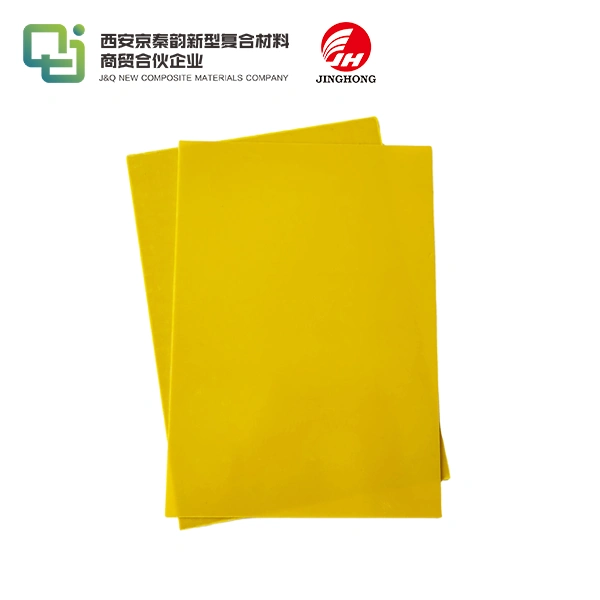
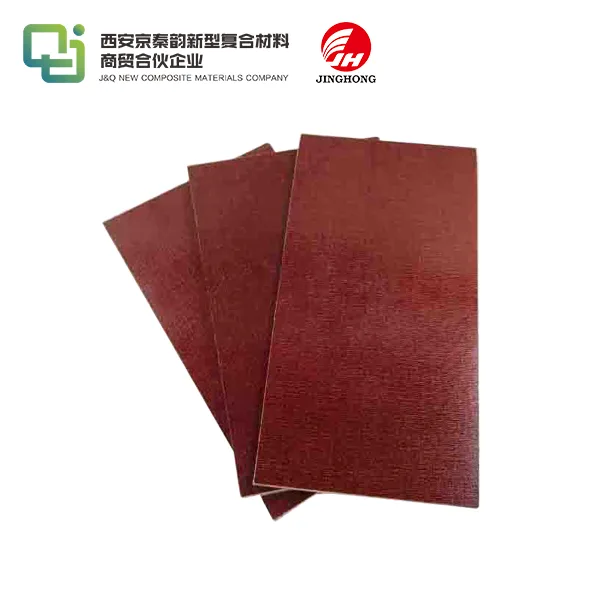
What are the Processing Techniques for Epoxy Sheets?
2026-01-06 17:13:01
Understanding Epoxy Sheets and Their Core Properties
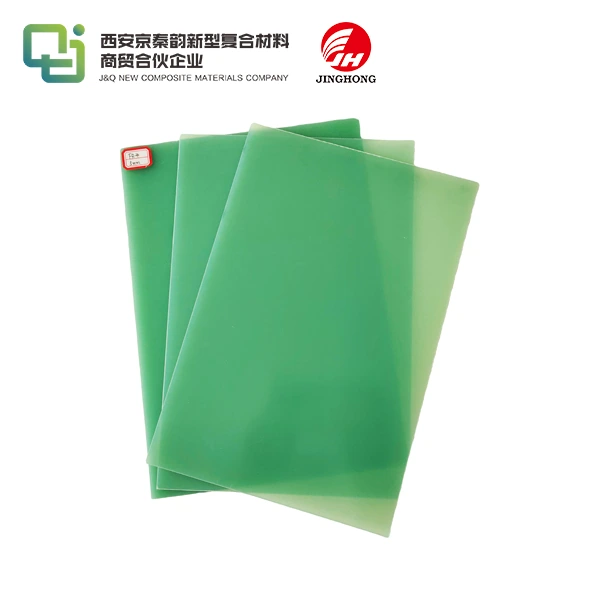
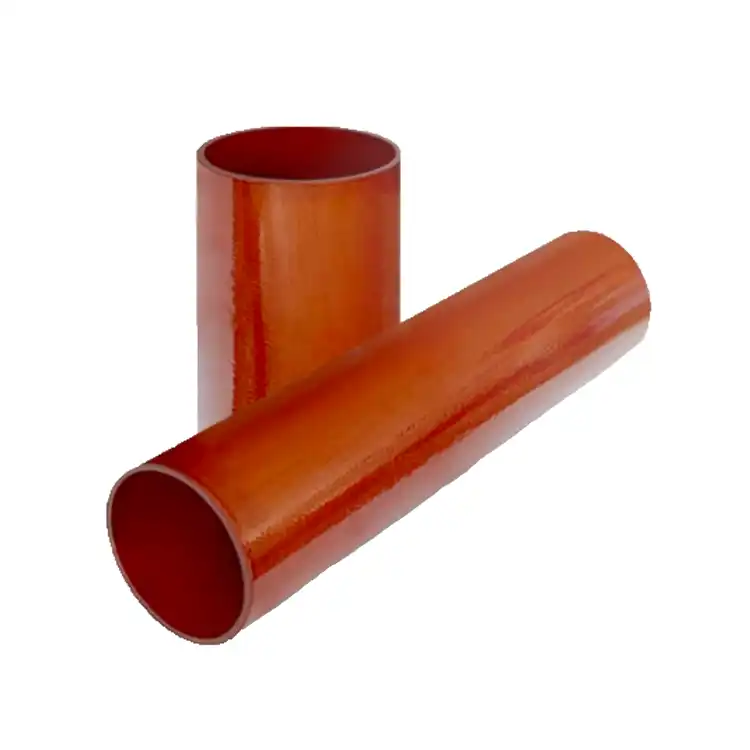
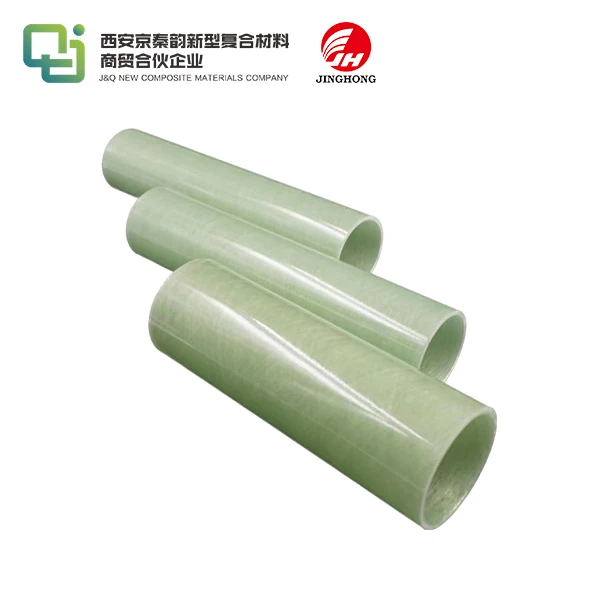
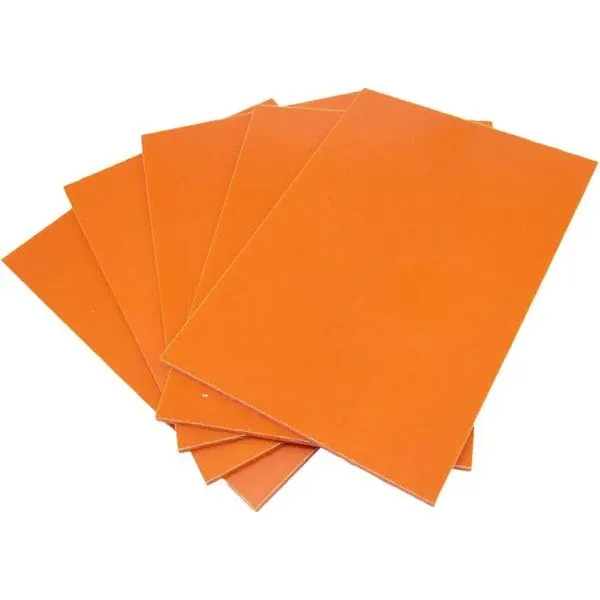
Because they are great at resisting heat, electricity, and chemicals, epoxy sheets are used in many different industry settings. Epoxy resin systems reinforced with glass fiber, cotton cloth, or other materials make up these man-made materials. They have a laminated structure that makes their behavior reliable in a range of situations.Material Composition and Construction
Epoxy laminates are made up of several layers of supporting material that have been soaked in thermosetting epoxy glue. Adding glass fibers makes the material better at insulating electricity and keeping its shape, which is why it's great for electronics. Cotton cloth reinforcement improves the mechanical qualities and machinability of a material, making it better for use in industrial machines. When the glue system is cured under controlled temperature and pressure conditions, cross-linked polymer networks are formed that don't break down chemically and keep their features at high temperatures.Key Performance Characteristics
Because their dielectric strength is usually between 14 and 20 kV/mm, these materials are good for high-voltage uses. Depending on the grade, the temperature resistance is different. Some mixtures keep the strength of their structure at temperatures over 180 °C. Most chemicals, like solvents, oils, and weak acids, are resistant, and flame-retardant types meet UL94 V-0 standards for safety-critical uses. Engineering teams can pick the right grades for certain working needs when they know how these qualities work. Electronics makers care most about surface smoothness and electrical qualities. On the other hand, machinery builders focus on machinability and mechanical strength. Power sector uses need temperature stability and resistance to flames, while car parts need batch consistency and exact tolerances.
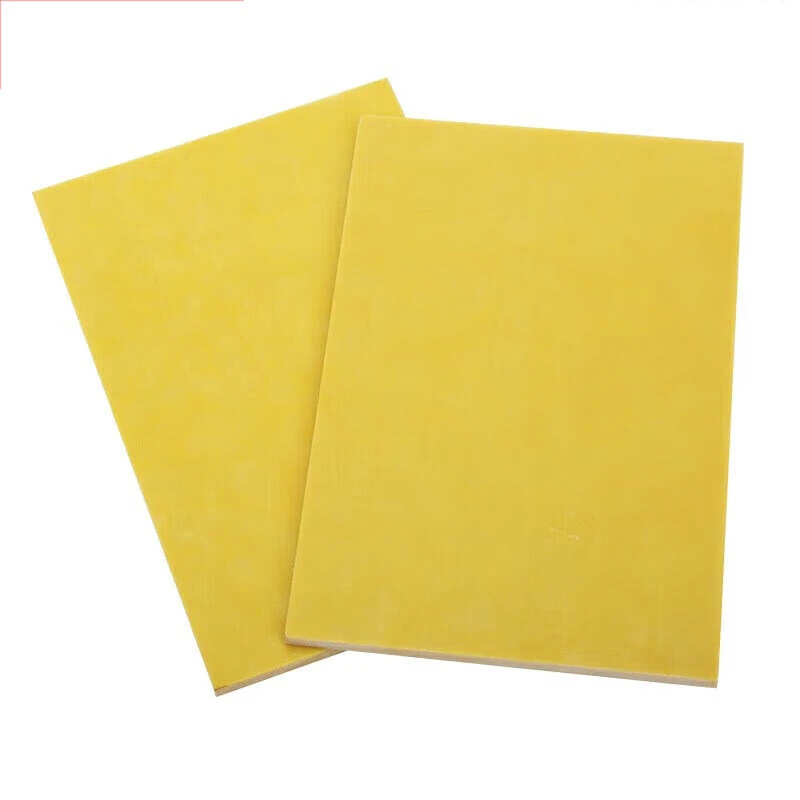
Overview of Epoxy Sheet Processing Techniques
This part gives a full picture of how epoxy sheets are normally processed. It focuses on important steps that need to be taken before processing and on modern production methods that make sure the quality is always the same and the performance is at its best.Mechanical Processing Methods
CNC cutting is the most accurate way to shape epoxy laminates. It provides very tight limits for dimensions and very smooth finishes on surfaces. Computer-controlled cutting tools keep the feed rates and spindle speeds steady, which stops delamination and edge chipping that are common with hand processing. Carbide tools with sharp edges makes clean cuts and stops heat from building up and changing the qualities of the material. For electronics work that needs very small patterns, laser cutting is great for getting the exact shape and details right.
CO2 and fiber lasers each have their own benefits. For example, CO2 systems work well on thick parts because they make the sides smooth, while fiber lasers are better for thin sheets. A good choice of parameters protects against heat damage and makes sure that the edge quality is always the same across all production runs. Water jet cutting doesn't create any heat-affected zones, so it's perfect for uses where thermal stress needs to be avoided. This cold cutting method keeps the material's qualities through the whole length, which is important for high-performance uses. The process can handle different thicknesses and complicated forms, and it makes the sides smooth and straight up and down.
Thermal Processing and Surface Treatments
Heat treatment for epoxy sheet can change the way materials act and ease stresses that were caused during making or machining. Controlled heating processes can make dimensional stability better and can also make some mechanical qualities better. The annealing process helps keep the structure of a material while improving its function. Surface preparation methods make bonding easier and improve the performance of the assembly. Chemical etching gets rid of things on the surface that don't belong there and makes tiny shapes that help things stick. When primers are used, they make sure that secondary gluing or coating processes can work together. This helps the product last longer in tough conditions.Comparative Analysis of Processing Methods for Enhanced Performance
Understanding how different ways of working affect performance lets people make smart choices that combine cost, quality, and the needs of production. When compared to older methods that are done by hand, modern automatic techniques are much better and allow for more complicated shapes in parts.Traditional vs. Modern Processing Approaches
While manual handling is cheap for small amounts, it introduces uncertainty that can hurt the performance of the parts. Conventional drilling and hand cutting often cause changes in dimensions and edges that affect how well the parts fit together and how well the electricity flows. Larger limits and repair needs mean more material waste. CNC processing that is automated gives you the same results every time and doesn't need a lot of skill from the person running it. Controlled by computers, these factors make sure that each production run is the same and that cutting speeds and feed rates are the best they can be for each type of material. Advanced tool path design lowers the time spent touching things and the risk of contamination.Impact on Electrical and Thermal Performance
Making decisions about how to process materials has a big impact on how well electrical shielding works, which is especially important for electronics. Sharp, clean edges keep electrical stress from building up in one place, which could cause a breakdown when the voltage is high. Dielectric strength is affected by surface roughness, which is why precise cutting is necessary for important uses. Thermal processing methods can make temperature protection and physical stability better. Controlled heating processes keep the electrical qualities of a material while relieving stresses inside it. Proper temperature patterns keep materials from breaking down and help them work the way they are supposed to.Mechanical Strength and Durability Considerations
Layer direction for epoxy sheet has a big impact on mechanical qualities, so it needs to be carefully thought about when planning the processing. Cross-laminated buildings have even strength properties, but unidirectional strengthening makes strength qualities better in certain directions. These structure features must be kept in mind when using processing methods so that the power of the design is not changed. When you bond multiple layers together, you get composite structures that can hold more weight than one thick sheet. Choosing the right adhesive and the drying processes become very important for getting the full structure performance. Quality control during lamination makes sure that the glue strength is the same all over the area of the part.Practical Considerations When Processing Epoxy Sheets
Epoxy sheet handling is successful when you pay attention to safety rules, choose the right materials, and use quality control steps that protect people and tools while making sure that the results are always the same.Material Selection and Grade Considerations
The way you choose to grade something greatly affects how it is processed, as each mixture provides unique cutting and performance qualities. Electronics grades focus on electrical qualities and surface quality. Often, specialists are needed to keep them clean. Industrial grades focus on cost-effectiveness and mechanical qualities while keeping up good enough electricity performance for general use. It is important to choose the right thickness because it changes the way things are made and what can be made. Cutting and supporting thin pieces are not the same as thick parts. It is more important to avoid damaging thin parts during material handling and processing.Safety and Environmental Protocols
Dust collection systems are important for grinding processes because they control particles in the air and keep the air clean. Epoxy dust can irritate the lungs, so you need to make sure that the area is well-ventilated and that anyone working there wears the right gear. Choosing a cutting fluid means considering the materials it will be used on and the effect it will have on the environment, as well as making sure that it cools and lubricates properly. Properly throwing away trash and reusing process materials are environmental factors. Sustainable handling methods have a less negative effect on the earth and may also lower the cost of throwing things away. Supplier certificates check agreement with environmental standards and help reach long-term sustainability goals.Quality Control and Defect Prevention
Delamination, edge chipping, and heat damage from cutting speeds that are too high or tools that aren't sharp are all common processing mistakes. Preventive measures focus on choosing the right tools, optimizing parameters, and keeping equipment in good shape. Before the building process, inspection procedures make sure that the dimensions and surface quality are correct. Keeping an eye on the temperature while working protects against heat damage that could hurt the features of the material. Infrared tracking systems show real-time feedback on the temperatures of cutting, which lets parameters be changed automatically to keep up with quality standards.Procuring Epoxy Sheets: From Specification to Supply
There are many things that affect both the making and the performance of the end epoxy laminate component that people need to think about when they buy epoxy laminates. Good relationships with suppliers keep the quality of your materials and help with technical issues during the manufacturing process.Specification Development and Supplier Evaluation
Suppliers for epoxy sheet give a range of cutting and sizing services, and often custom measurement needs make buying choices. Standard sheet sizes might need more work, but special sizes can help reduce trash and the amount they need to be handled. The way you handle things and the needs of the end product must match the tolerance standards. It depends on the application what kind of certification is needed. For example, electronics uses usually need UL recognition and compliance with ROHS. Flame retardancy certifications may be needed for power uses, and certain quality system approvals are needed for car purposes. Supplier approval skills should be in line with what the app needs.Quality Assurance and Delivery Considerations
Compatibility testing makes sure that things work the way they are supposed to in certain places where they are made. Before making a lot of them, sample programs let you check cutting features and the qualities of the finished parts. Technical help from providers can get the most out of processing settings and fix quality problems. Scheduling deliveries must be in line with the needs of production while keeping the quality and freshness of the materials.
Proper wrapping keeps materials safe during shipping and storage and makes it easier to handle them quickly at the factory. While making sure that materials are on hand, just-in-time shipping systems can lower the costs of having a lot of things in stock. At J&Q, we use the knowledge we've gained from over twenty years of work in insulating sheet making to fully help our customers with their handling needs. To get the best materials and processing options for each customer's product, our expert team works closely with customers. Along with our transportation skills, we offer full solutions that make it easier to get things and make them.
Conclusion
Epoxy sheets can be processed using a range of heat and mechanical methods. These affect how well the finished part works and how quickly and easily it can be made. Knowing these methods helps you make smart choices about which materials to use, how to process them, and which suppliers to work with. To do this right, you have to meet the performance standards, keep costs down, and make sure that safety and environmental rules are still followed. When used in electronics, power, and car sectors, which have high demands, advanced processing techniques are better than standard ones in terms of consistency and capability. When you buy things, you need to think about more than just the materials and how they will be made. You also need to think about what your suppliers can do. Working together with experienced providers on a technical level gives you access to specialized knowledge and support that can improve manufacturing results while cutting down on time and money spent on development.FAQs
What are the most suitable processing techniques for electronics-grade epoxy sheets?
Electronics-grade epoxy sheets perform best with CNC machining using sharp carbide tooling and controlled cutting parameters. Laser cutting provides excellent precision for fine details, while water jet cutting eliminates heat-affected zones. Surface cleanliness and edge quality are critical, requiring proper dust collection and handling procedures to maintain electrical performance characteristics.
How does the thickness of epoxy sheets affect their machinability and performance?
Thicker sheets generally machine more easily due to increased rigidity and reduced vibration during cutting operations. However, they require different cutting speeds and feed rates to prevent heat buildup. Thin sheets need specialized support and handling to prevent damage but offer faster cutting speeds. Performance characteristics like electrical strength scale with thickness while mechanical properties may vary due to reinforcement distribution.
Can epoxy sheets be recycled or reprocessed after manufacturing defects?
Thermoset epoxy sheets cannot be remelted or reformed like thermoplastic materials. However, clean scrap material can be ground and used as filler in non-critical applications. Defective parts may sometimes be reworked through additional machining if dimensions permit. Sustainable processing practices focus on defect prevention and material utilization optimization rather than recycling.
Partner with J&Q for Superior Epoxy Sheet Solutions
J&Q stands ready to support your epoxy sheet processing requirements with our comprehensive manufacturing expertise and customer-focused approach. Our extensive experience spans over 20 years in insulating sheet production and more than a decade in international trade, positioning us as your trusted epoxy sheet supplier for critical applications. We understand the unique challenges facing procurement teams and engineering departments when sourcing high-performance materials. Our technical support team works directly with your engineers to optimize material selection and processing parameters, ensuring successful outcomes for your specific applications. Our integrated logistics capabilities provide one-stop service from initial specification through final delivery. Contact us at info@jhd-material.com to discuss your epoxy sheet requirements and discover how our expertise can enhance your manufacturing operations. Visit jhd-material.com for detailed technical specifications and processing guidelines.References
Smith, J.R. & Anderson, M.K. (2023). "Advanced Processing Techniques for Thermoset Composite Materials." Industrial Materials Engineering Journal, Vol. 45, No. 3, pp. 234-251.
Thompson, L.A., Chen, W.H. & Rodriguez, C.M. (2022). "Optimization of CNC Machining Parameters for Epoxy Glass Fiber Laminates." Manufacturing Technology Review, Vol. 38, No. 7, pp. 89-105.
Williams, D.P. & Kumar, S. (2024). "Thermal Processing Effects on Epoxy Resin Composite Properties." Polymer Processing Science, Vol. 29, No. 2, pp. 156-173.
Martinez, R.J., Johnson, K.L. & Park, H.S. (2023). "Surface Treatment Methods for Enhanced Bonding of Epoxy Laminates." Adhesives and Composites Technology, Vol. 31, No. 5, pp. 78-94.
Brown, A.C., Lee, S.Y. & Peterson, M.R. (2022). "Quality Control Strategies in Epoxy Sheet Manufacturing." Materials Quality Management, Vol. 16, No. 4, pp. 112-128.
Davis, K.M., Zhang, L. & Taylor, G.P. (2024). "Environmental Considerations in Thermoset Material Processing." Sustainable Manufacturing Practices, Vol. 12, No. 1, pp. 67-83.