How Epoxy Sheets Build a Solid Electrical Safety Line?
2026-01-06 17:13:00
Epoxy strips have great dielectric strength and temperature stability, so they can keep electricity from failing and protect important structures. These man-made materials have great insulation qualities and are also very tough. This makes them very important for making sure that electrical processes in industry are safe. The chemical makeup of epoxy sheet materials is one-of-a-kind. It protects against voltage breakdown and can handle hard conditions that might weaken the system.
Understanding Epoxy Sheets and Their Role in Electrical Safety
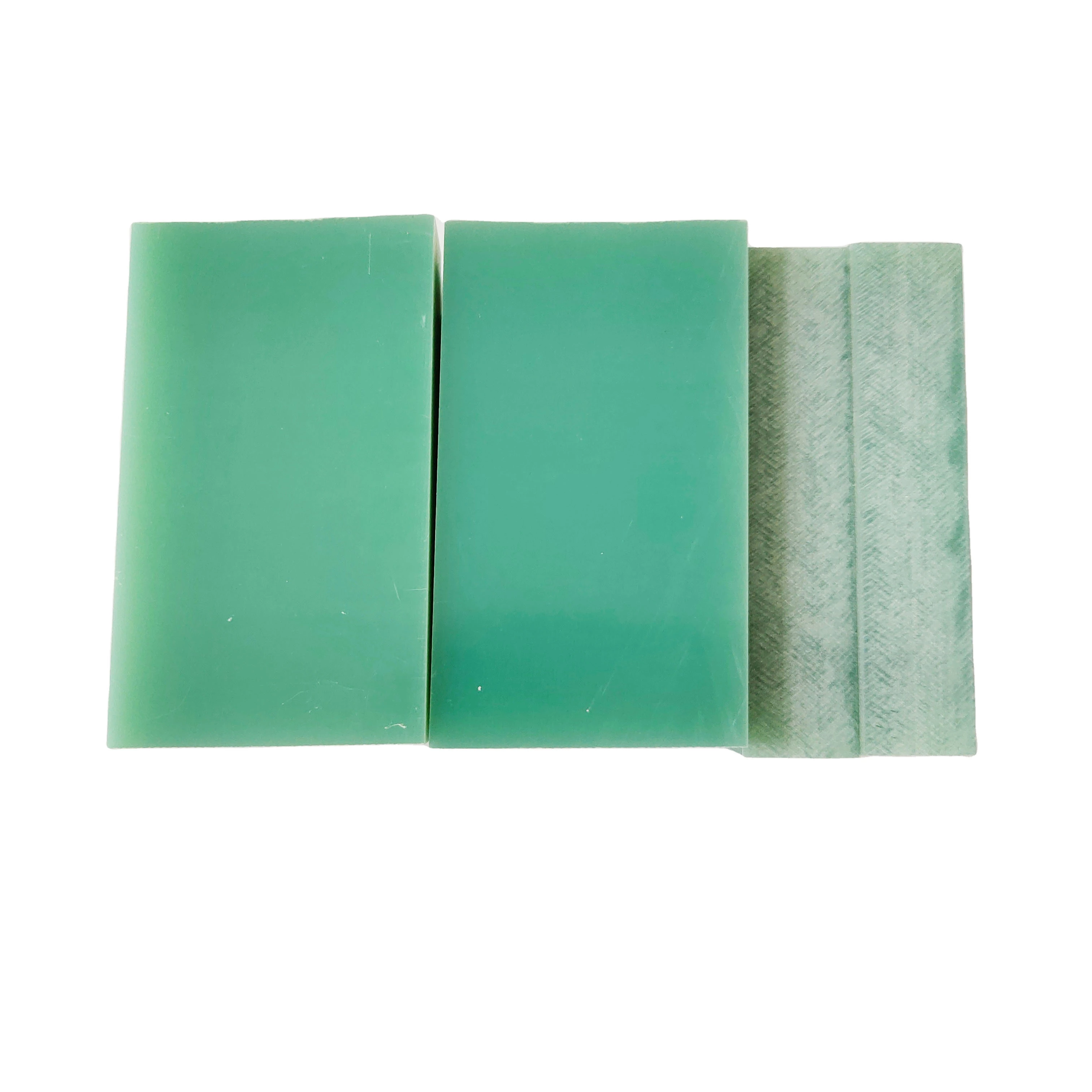
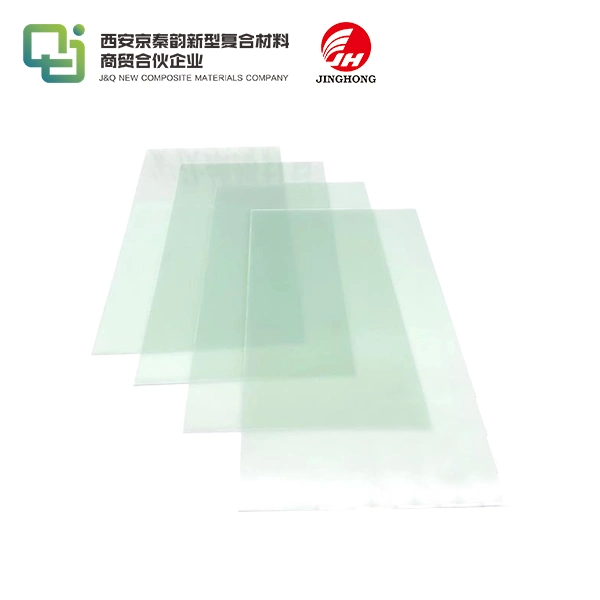
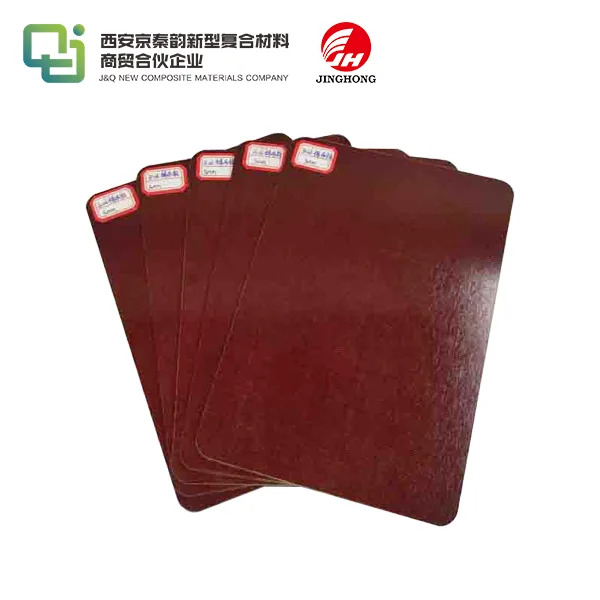
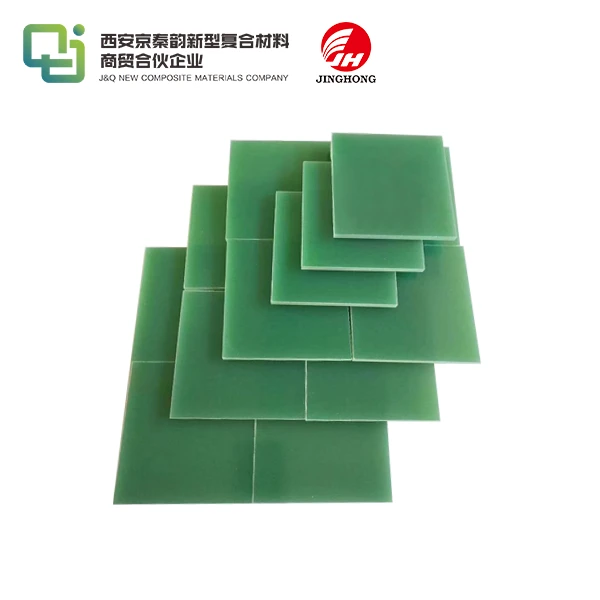
Epoxy sheets are an important step forward in electrical insulation technology. They are made by mixing epoxy resin structures with reinforcing fibers to make materials that work well in tough electrical settings. When used in mission-critical applications, these composite materials work better than standard insulation choices like phenolic laminates or basic plastic sheets.
Composition and Manufacturing Excellence
In the production process, epoxy resins are carefully cured with glass cloth or other materials that make them stronger. This makes sheets that have the same electrical properties all the way through them. When engineering teams build electrical safety systems, they depend on this controlled production method to make sure that each epoxy sheet has the same performance properties.
Industrial Applications Across Sectors
In PCB support structures, switchgear systems, and motor housings, these materials are used a lot by electrical and electronics makers because they keep the parts from failing in expensive ways. Epoxy laminates are used by power distribution companies for transformer barriers and arc protection systems, and they are also used by car makers for battery pack separation and heat management. Epoxy insulation can be used in many different ways to solve a wide range of electrical safety problems in many different fields.

Technical Breakdown: Properties that Guarantee Electrical Safety
Epoxy sheets are electrically safe because of their unique technical properties. To choose the right material for a job, engineering teams need to know about these properties. These qualities work together to give you complete safety against electrical dangers.
Dielectric Strength and Insulation Performance
Dielectric strength for epoxy sheet is the highest voltage that a material can handle before it fails electrically. Good epoxy sheets usually have dielectric strength numbers over 15 kV/mm. This better shielding feature makes sure that it stays protected even when there is a lot of electricity, which could weaken other materials. Epoxy laminates are especially useful for important electrical uses because their consistent dielectric qualities mean they can be used in any climate.
Thermal Stability Under Operating Conditions
Epoxy sheets can keep their electrical qualities over a wide range of temperatures, usually from -40°C to 180°C, based on how the sheet was made. This temperature stability is very important for uses where electrical parts make a lot of heat or work in very harsh circumstances. The way the material resists heat breakdown makes sure that electrical safety systems stay reliable over time.
Chemical Resistance and Environmental Durability
Epoxy insulation is a great choice for industrial electrical settings because it doesn't break down when it comes in contact with oils, acids, and other chemicals. This chemical inertness stops the breakdown of materials that could hurt the way insulation works over time. Quality epoxy sheets don't absorb moisture because they are non-hygroscopic. If moisture were to be absorbed, it could change the electrical properties and create safety issues.
How to Select the Best Epoxy Sheet for Your Electrical Safety Needs
When you choose materials, you need to think about the needs of your project, the products that are on the market, and how much money you have to spend. To make sure that they get the best results and value for money, engineering teams must think about a lot of different things.
Matching Electrical Requirements with Material Properties
Voltage needs, regularity of operation, and environmental factors set the bare minimum material standards for each application. Engineers need to make sure that there are enough safety margins by checking dielectric strength, dissipation factor, and volume resistivity against their own working settings. The decision process should also think about how future system updates or changes in the way the system works might affect the materials that are needed.
Mechanical Considerations and Dimensional Accuracy
The material's mechanical qualities, such as its dimensional stability, impact resistance, and flexural strength, have a direct effect on its ability to maintain electrical separation when it is under mechanical stress. When complicated forms or exact measurements are needed to make sure that electrical parts fit together correctly, CNC machinability is useful. Quality providers give engineers and designers thorough mechanical property data to help with their calculations and choices.
Supplier Evaluation and Quality Assurance
It is important to choose sources that have the right certifications and quality control systems because it guarantees that the materials will always work well and meet the rules. A supplier's promise to uphold high standards is shown by UL recognition, RoHS compliance, and ISO quality certificates. To help make the procurement process run more smoothly, trustworthy vendors also offer expert help, testing data for materials, and a range of shipping choices.
Case Studies: Successful Implementation of Epoxy Sheets in Electrical Safety Lines
Epoxy sheets are useful and work well in electrical safety systems in many different businesses, as shown by their use in real life.
Power Distribution Infrastructure Upgrade
The substation equipment of a big utility company for epoxy sheet was improved using high-quality epoxy laminates for insulation supports and arc shields. The adoption led to a 40% drop in outages caused by maintenance, and the system became much more reliable during harsh weather. The epoxy materials had better tracking resistance and flame retardancy, which gave them better security against electrical flaws and environmental pressures.
Automotive Battery System Protection
A car maker built a battery management system that used specially made epoxy sheets for electrical separation and thermal barriers. The mix of heat conductivity control and electrical protection in the material made it safer for the battery to work while also meeting strict safety standards for cars. Choosing the right materials can help with a lot of different design problems at the same time, as this project showed.
Industrial Motor Control Application
To boost safety and lower guarantee claims, a machinery maker revamped their motor control systems with epoxy insulation sheets. Dielectric properties and mechanical stability were improved, which made the device more reliable in high-vibration situations while still keeping the safety limits for electrical strength. Choosing the right materials is very important for both efficiency and safety, as this example shows.
J&Q: Your Trusted Partner for Premium Epoxy Sheet Solutions
To serve the global electrical insulation market, J&Q draws on more than twenty years of experience in manufacturing and over a decade of experience in foreign trade. We know how epoxy sheets are used in many different industries, which helps us come up with custom solutions that meet technical and operational needs.
Manufacturing Excellence and Quality Assurance
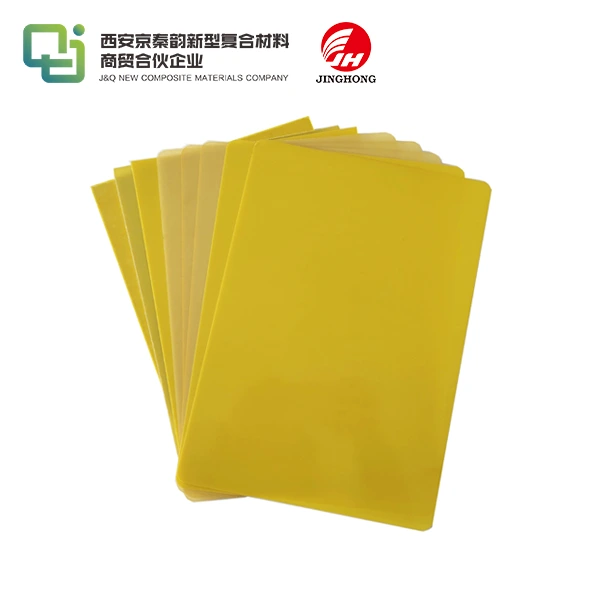
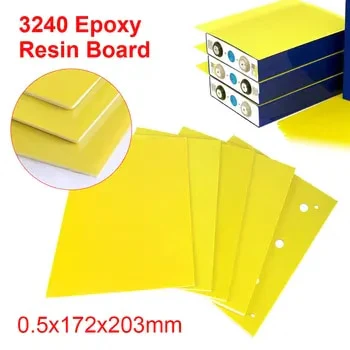
Our factories use strict quality control methods and get certificates from the industry to make sure that the materials always work the same way and follow the rules. Using modern methods that improve electrical and mechanical qualities, we make FR4 sheets, 3240 epoxy boards, and custom epoxy laminates. For important electrical uses, our quality control systems help with paperwork and tracking needs.
Comprehensive Product Range and Customization
We offer both normal grades and unique formulations that are made to meet the needs of certain applications. To meet a wide range of production needs, we offer precise cutting, unique thicknesses, and special surface processes. Our engineering team works with customers to find the best options that take both speed and cost into account.
Integrated Logistics and Customer Support
Our dedicated logistics skills for epoxy sheet make sure that the delivery plans are always correct and that the number of items in each order can be changed. This helps with the efficient management of the supply chain. To help our users get the best results, we offer expert advice, help with testing materials, and advice on how to use our products. Our promise to customer success goes beyond just delivering products; it also includes ongoing professional support and help with app creation.
Conclusion
Epoxy sheets provide effective electrical safety lines because they are strong in terms of dielectric strength, thermal stability, and mechanical longevity. These man-made materials keep electricity breakdowns from happening and make sure that performance stays the same even when conditions are tough. Careful choice of materials based on the needs of the application and working with sources who know the technical needs of electrical safety uses are both important for success. Epoxy sheets have a long history of success in many different fields, showing that they are useful for making smart investments in the safety and stability of electrical systems.
FAQs
What thickness of epoxy sheet should I choose for electrical insulation applications?
Thickness selection depends on voltage requirements, mechanical loads, and space constraints. Common thicknesses range from 0.5mm to 50mm, with voltage breakdown requirements typically determining minimum thickness. Engineers should consult voltage breakdown charts and apply appropriate safety factors based on their specific operating conditions and regulatory requirements.
How do epoxy sheets compare to fiberglass materials for electrical applications?
Epoxy sheets generally offer superior electrical properties, better moisture resistance, and improved mechanical strength compared to basic fiberglass materials. While fiberglass may be suitable for basic applications, epoxy laminates provide enhanced reliability and longer service life in demanding electrical environments where safety is critical.
Can epoxy sheets be machined to custom shapes and sizes?
Yes, quality epoxy sheets exhibit excellent CNC machinability, allowing for precision cutting, drilling, and shaping to exact specifications. Proper tooling and cutting parameters ensure clean edges and dimensional accuracy while maintaining material properties. Custom machining capabilities enable optimization for specific assembly requirements and installation constraints.
Partner with J&Q for Your Epoxy Sheet Requirements
Transform your electrical safety infrastructure with J&Q's premium epoxy sheet solutions backed by decades of manufacturing excellence and technical expertise. Our comprehensive product range includes FR4 sheets, 3240 epoxy boards, and custom laminates designed to meet the most demanding electrical insulation requirements. We combine advanced manufacturing capabilities with integrated logistics to deliver reliable supply chain solutions for electrical and electronics manufacturers worldwide. Our technical team stands ready to support your material selection process and provide customized solutions that optimize both performance and cost-effectiveness. Contact us at info@jhd-material.com to discuss your specific requirements and discover why leading manufacturers trust J&Q as their preferred epoxy sheet supplier.
References
Harper, Charles A. "Handbook of Plastics, Elastomers, and Composites." McGraw-Hill Professional, 2022.
Tanaka, Toshikatsu. "Dielectric Materials for Electrical Insulation." IEEE Electrical Insulation Magazine, Vol. 38, No. 3, 2022.
Kreuger, Frederik H. "Industrial High Voltage: Coordinated Power Systems." Delft University Press, 2021.
Bartnikas, Ray. "Engineering Dielectrics Volume I: Corona Measurement and Interpretation." ASTM International, 2023.
Cygan, Peter J. "Electrical Insulation Materials: Molecular Structure and Electrical Behavior." Industrial Electronics Society, 2022.
Nelson, J. Keith. "Dielectric Polymer Nanocomposites." Springer Science & Business Media, 2021.