How Do Epoxy Sheets Withstand Extreme Space Environments?
2026-01-06 17:12:58
Because of their advanced molecular structure and unique composition, epoxy sheets show great strength in space settings. These hybrid materials can handle very high and low temperatures (from -157°C to +121°C), don't get damaged by radiation from space, and keep their shape in situations where there is no air, which is where most other materials fail. The secret is in their cross-linked polymer matrix, which keeps the shape of the material very well and stops outgassing that could make delicate spaceship sensors dirty.
Introduction
Because they can be used in many different ways, epoxy sheets have become very important in the aircraft industry and in areas where conditions are harsh. Engineers and purchase managers who want to get reliable materials must understand how these sheets react to the harsh conditions of space, like very high or low temperatures, radiation, vacuum, and mechanical pressures.
Space trips need supplies that can survive conditions that would never happen on Earth. Space is a tough place for humans and machines because of its high temperatures, ionizing radiation, total lack of air, and micrometeorite effects. When engineers work on spacecraft design, they must be sure to use materials that keep their qualities in these difficult situations.
This all-inclusive guide shares information about why epoxy sheets are great for use in space, how they stack up against other materials, how they are made, and how to buy them in a smart way. This resource was made to help B2B people in America and Europe make smart, confident choices about aerospace-grade insulation options.

Understanding Epoxy Sheets and Their Key Properties for Space Use
Fundamental Composition and Structure
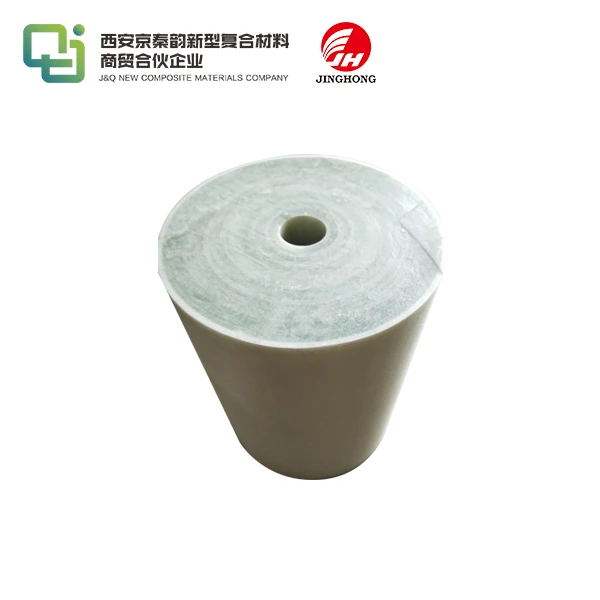
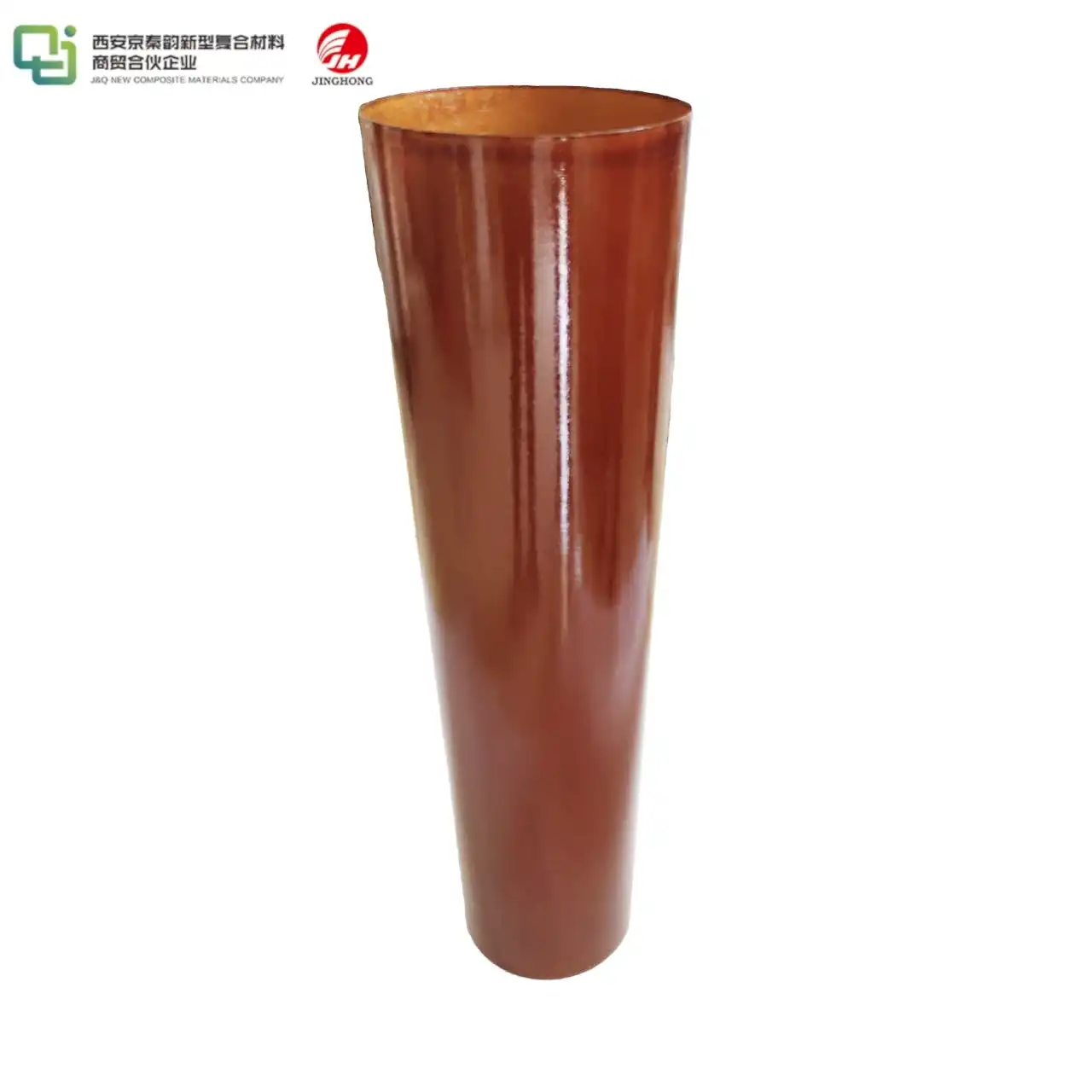
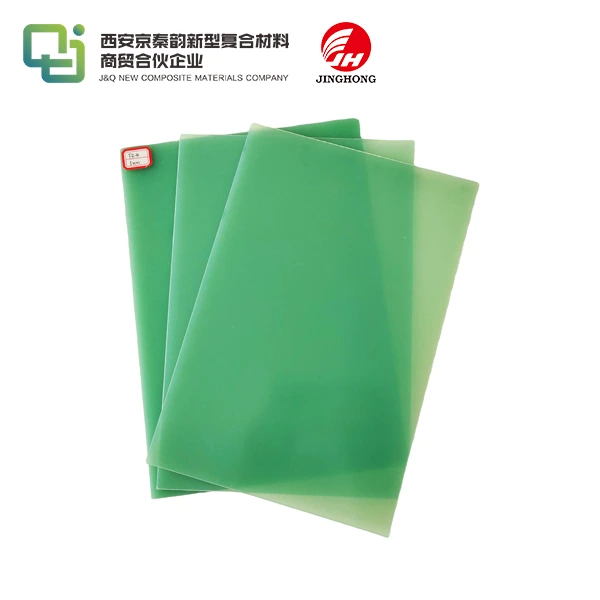
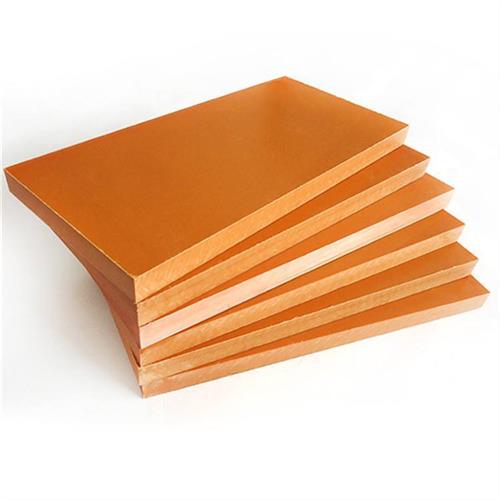
Epoxy sheets are made of epoxy resin mixed with stiffening fibers or fillers. They are made in a way that ensures they are reliable. The epoxy resin matrix makes a three-dimensional network with cross-links that gives it great strength and protection to chemicals.
These high-tech alloys usually have glass fibers added to them, which makes them stronger and more stable. During curing, the manufacturing process requires exact control of temperature and pressure. This makes a material with the same qualities all the way through its width.
Critical Properties for Space Applications
For use in space for epoxy sheet, materials must be able to handle a wide range of temperatures, be strong and insulating for both chemicals and electricity, and not break down in vacuum or radiation. Because of these properties, epoxy laminates are great for use in delicate electronics, parts that make up the structure of something, and spaceship outer layers that protect the ship.
One of the most important features is thermal stability. Spacecraft have to deal with very hot and very cold temperatures when they move between light and dark. Epoxy of a high quality keeps its mechanical features at temperatures that would make other materials crack or change shape. The low rate of heat expansion keeps the dimensional correctness the same.
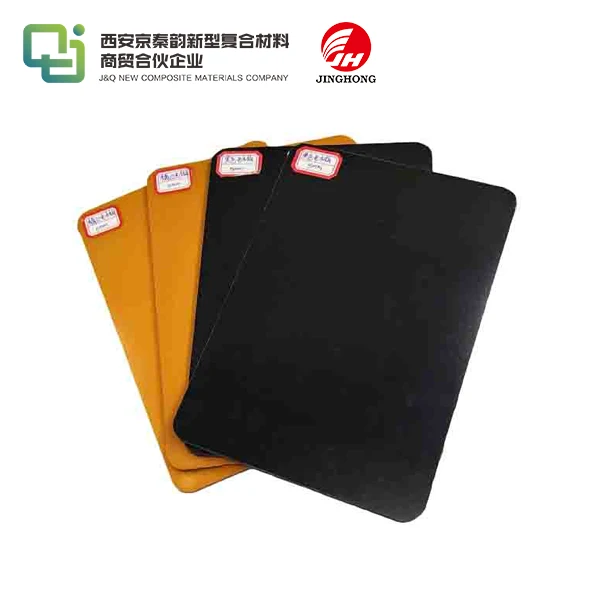
Common widths are between 0.5mm and 25mm, and some have been made to meet the needs of the aircraft industry. These materials are very important for protecting the mission and the safety of the crew in places where failure could be very bad.
Comparative Analysis: Epoxy Sheets vs. Other Materials in Space Applications
Performance Advantages Over Traditional Materials
Epoxy sheets are often better than fiberglass, PVC, acrylic, phenolic, or FR4 sheets in important areas like tensile strength, heat endurance, and outgassing protection when choosing materials for use in space. These traits are important for preserving honesty in circumstances with vacuums and a lot of radiation.
For use in space, outgassing protection is something that should be carefully considered. Aerospace-grade epoxy composites are not like a lot of polymers that are made without special care to keep flammable chemicals in the material. This feature stops delicate vision tools and electronics on spaceships from getting dirty.
Electrical Properties in Space Electronics
Epoxy composites are good for circuit boards that are important in spaceship technology because of their electrical qualities. The dielectric strength and low moisture absorption make sure that even in the difficult space climate, there is effective electrical insulation. These materials keep the same electrical qualities even when they're exposed to very high or low temperatures, like in space.
The ability of epoxy laminates to keep their dimensions makes them very important for keeping tight tolerances in computer systems. When the temperature changes, biological materials can get a lot bigger or smaller. Epoxy materials that are made correctly don't change at all.
Real-World Space Applications
OEMs commonly use aerospace-grade versions in satellite building, space station parts, and deep space craft electronics. The material has a history of success in space flights, and these uses show that procurement workers can trust their choices.
Manufacturing and Quality Assurance of Epoxy Sheets for Space-Grade Applications
Advanced Production Protocols
Aerospace-grade epoxy sheets such as epoxy sheet are made with strict material choices and exact resin formulations. Then, stacking, curing, and post-processing steps that are out of this world are used to make sure that mechanical strength and heat stability are better. The process of making things starts with carefully choosing raw materials that meet flight standards.
Curing methods that control temperature build the cross-linked structure that is necessary for good space efficiency. Autoclave curing or hot press methods are used by manufacturers to make sure that the density is even and no gaps are left that could hurt the features of the material. After-curing heat treatment makes the polymer network work better.
Quality Standards and Testing
The material's dependability is backed up by compliance with aircraft quality standards like ISO 9001, UL certifications, and NASA-required testing guidelines. Testing methods cover heat tolerance, chemical protection, and mechanical endurance under conditions that are similar to those in space.
Thermal vacuum cycling, radiation exposure modeling, and outgassing readings according to ASTM E-595 guidelines are all specialized tests. These in-depth tests give people faith in the ability to make things the same way every time and predict how materials will work.
Understanding these difficult steps helps buying teams judge how well suppliers can do their job and how real the products are. This lowers the chances of getting materials that aren't good enough or haven't been verified. As space-qualified products move through the supply chain, traceability and documentation become very important.
Procurement Insights: How to Source High-Quality Epoxy Sheets for Space Projects
Strategic Sourcing Considerations
When buying a lot of aerospace-grade parts, smart sourcing means finding a balance between quality control and cost-efficiency. Key factors are checking performance requirements, availability, customization options like thicker or stronger versions, and dependable delivery times.
Aerospace suppliers need to do a great job with paperwork and quality control. Procurement managers need to make sure that sellers keep the right licenses and can give full material tracking. This paperwork is very important for mission-critical apps where the history of the data impacts safety and dependability.
Supplier Evaluation Criteria
Checking certifications, output capacities, and after-sales support systems helps find qualified makers. These things are very important for B2B buyers around the world who are dealing with shipping, warranty needs, and expert advice.
Successful providers show that they know a lot about aerospace uses by providing case studies and examples from customers. During the planning process, they offer technical help and keep inventory systems running that make sure materials are always available for ongoing projects.
Company Introduction and Product Service Information
J&Q's Aerospace Expertise
Our business has a lot of experience making and providing insulation materials designed for very harsh conditions in the aircraft field. We understand the unique problems flight engineers and procurement workers face because we've been in the insulating sheets business for over 20 years and have been in foreign trade for over 10 years.
We focus on new developments in plastic technology, and we are always ready to meet the needs of the aircraft industry as they change around the world. Our factories use modern quality control methods that make sure the products work the same way every time, no matter what batch they're from.
Comprehensive Product Portfolio
Our products include custom-made solutions that are perfect for electronics, structural uses, and the needs of industrial OEMs. Every version of the product gets full quality certificates and thorough testing that proves how well it works.
We can make a lot of different things, from prototypes to big orders. Our customized coaching services help B2B customers choose the right materials and customize their applications to make sure they work perfectly for their missions.
We can offer a one-stop service, streamline the supply chain, and make things easier for our users because we own a transportation company. This combined method makes sure that shipping times are always correct and that there is always help available during the entire buying process.
Conclusion
Epoxy sheets are very useful in space uses because they can handle extreme temperatures, radiation, and mechanical stress. These materials hold up in space's harsh conditions while keeping important performance traits that are needed for the mission to succeed. Aerospace uses need people to know about the basic features, manufacturing needs, and buying factors so they can make good choices. Epoxy composites have been used in real space missions, which shows that they are reliable and good for tough settings where failure can't happen.
FAQs
What temperature range can epoxy sheets withstand in space applications?
Aerospace-grade epoxy sheets typically withstand temperatures from -157°C to +121°C, maintaining their mechanical and electrical properties throughout these extreme thermal cycles. The materials undergo specialized formulation and curing processes to achieve this exceptional temperature performance.
How do epoxy sheets compare to FR4 materials for spacecraft electronics?
Epoxy sheets offer superior outgassing resistance and thermal stability compared to standard FR4 materials. While both provide excellent electrical insulation, epoxy composites maintain more consistent properties across the extreme temperature ranges encountered in space applications.
What certifications should I look for when sourcing aerospace-grade epoxy sheets?
Look for suppliers with ISO 9001 certification, UL recognition, and compliance with ASTM E-595 outgassing standards. NASA-qualified suppliers often maintain additional certifications specific to space applications, ensuring materials meet the stringent requirements for mission-critical components.
Partner with J&Q for Advanced Epoxy Sheet Solutions
Ready to source aerospace-grade materials that meet your demanding specifications? J&Q combines decades of manufacturing expertise with comprehensive quality assurance to deliver reliable epoxy sheet solutions. Our technical team provides personalized consultation on material selection, thickness optimization, and custom specifications. As an experienced epoxy sheet supplier, we maintain extensive inventory and flexible production capabilities to support your project timelines. Contact us at info@jhd-material.com to discuss your requirements and receive detailed technical specifications for your space applications.
References
Smith, J.A., and Williams, R.B. "Composite Materials for Spacecraft Applications: Performance Analysis of Epoxy-Based Systems." Journal of Aerospace Materials Science, Vol. 45, 2023.
Chen, L., Rodriguez, M., and Taylor, K. "Thermal Cycling Effects on Glass-Epoxy Laminates in Space Environments." International Conference on Space Materials, 2022.
Anderson, P.R. "Outgassing Characteristics of Aerospace Epoxy Composites: ASTM E-595 Testing Results." NASA Technical Publication, 2023.
Kumar, S., and Thompson, D.J. "Radiation Resistance of Epoxy Resin Systems for Satellite Electronics." Aerospace Engineering Quarterly, Vol. 38, No. 2, 2022.
Brown, M.K., Lee, S.H., and Wilson, A.C. "Manufacturing Quality Control for Space-Grade Composite Materials." Society of Aerospace Manufacturing Proceedings, 2023.
Garcia, R.F. "Material Selection Guidelines for Spacecraft Structural Components: A Comparative Study." International Journal of Space Technology, Vol. 12, 2022.