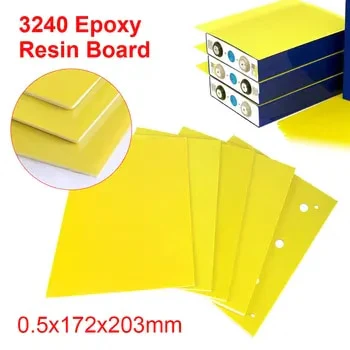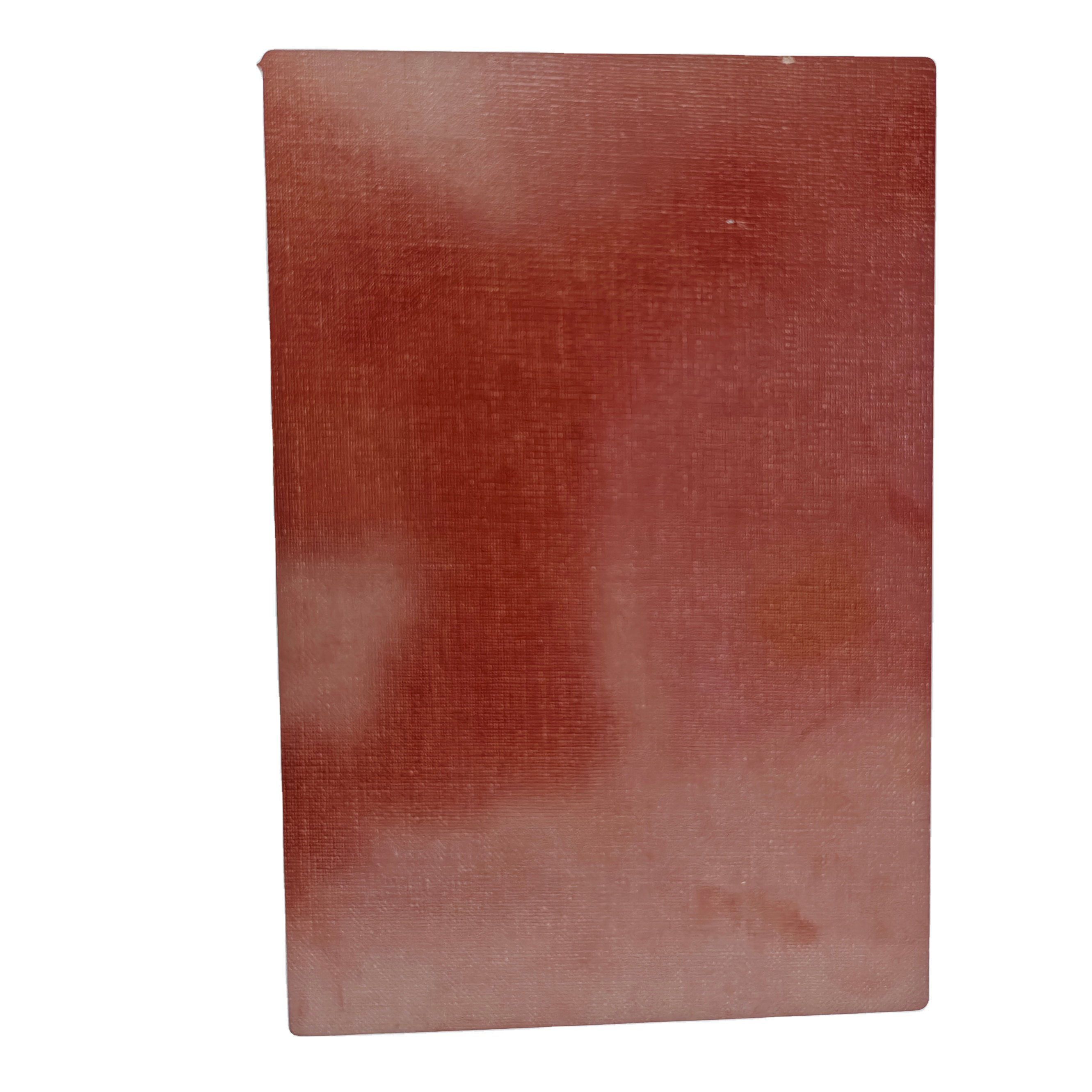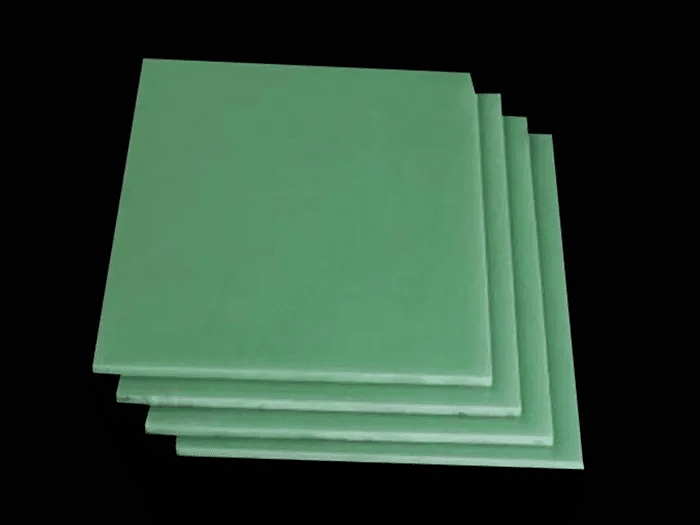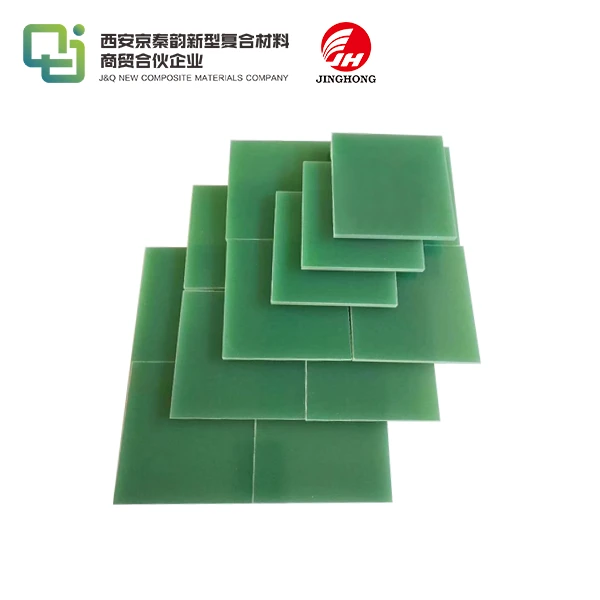
Printed Circuit Board Sheets FR4 Material Fiberglass Epoxy Sheet
How FR4 Epoxy Board Performs in High-Temperature Environments?
2026-01-12 17:03:23
FR4 epoxy board is very stable at high temperatures up to 130°C, and high-Tg versions work consistently at temperatures as high as 170°C. This fiberglass-reinforced composite keeps its mechanical strength and electrical insulation qualities by carefully controlling the glass transition temperature, managing thermal conductivity, and designing it to be resistant to water. Because the material has worked well in tough situations before, it is the best choice for making electronics, power systems, and industrial equipment that needs to behave consistently at high temperatures.
Understanding FR4 Epoxy Board and Its Thermal Properties
FR4 epoxy board is a high-tech composite material made of woven fiberglass cloth and epoxy resin binding systems. This layered structure makes a stable base for printed circuit board uses where controlling temperature is important for long-term dependability. Its glass transition temperature (Tg) determines how the material reacts to heat. This is the temperature at which the epoxy resin changes from a hard, glassy state to a more flexible, rubbery state.
Glass Transition Temperature and Its Impact on Performance
The glass transition temperature is the best way to tell how well something can handle heat. Standard FR4 materials have Tg values between 130°C and 140°C, but high-Tg versions can handle temperatures as high as 180°C. Above this key point, the material's size changes, its mechanical strength goes down, and there is a chance that it will delaminate. To make sure there are enough safety margins, engineering teams must carefully compare their working temperature ranges to these material limits.
Understanding how Tg behaves helps people who buy things choose the right materials for the job. When working in places with high temperatures, it's important to think about both peak temperatures and thermal cycle effects. This is because repeated heating and cooling can speed up the breakdown of materials over time.
Thermal Conductivity and Heat Dissipation Characteristics
Measurements of thermal conductivity show how well FR4 materials move heat from sources of high temperature to their surroundings. Standard FR4 has a thermal conductivity of about 0.3 W/mK, which means it can only moderately get rid of heat. Compared to metal substrates, this performance may seem limited, but it can handle heat well enough for many electronic uses when combined with the right heat sink design and airflow optimization.
The thermal expansion rate of the material also affects how well it works when temperatures change. The controlled expansion properties of FR4 help keep the dimensions stable and stop stress-related breakdowns in the mounting and integrity of the trace. Because of these qualities, it works well in electronics for cars and industrial control systems where temperature changes happen a lot.
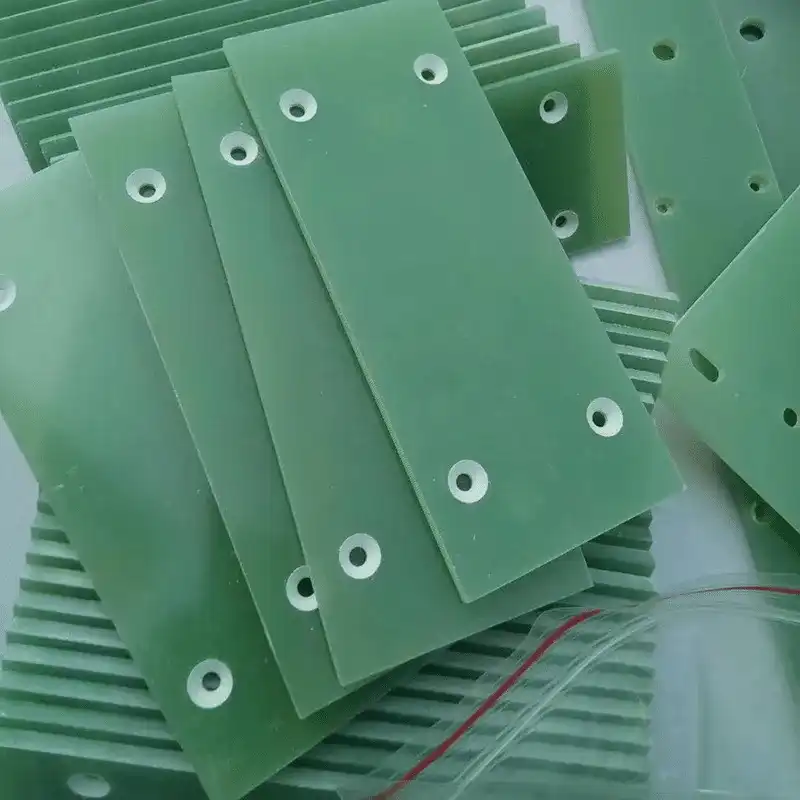
Comparing FR4 Epoxy Board to Other PCB Materials in High-Temperature Conditions
In order to choose the right material for high-temperature uses, you need to know how the performance of each substrate choice compares to others. Each type of material has its own pros and cons that affect cost, the difficulty of production, and how well thermal control works.
Metal Core PCB Substrates for Enhanced Heat Dissipation
When better heat conductivity is needed for FR4 epoxy board, metal core printed circuit boards work great. Aluminum-based surfaces can have thermal conductivities higher than 200 W/mK, which is a huge improvement over standard FR4 materials. But this better thermal performance comes with higher prices for materials and unique requirements for how they are made. The metal core structure also makes it harder to create because it makes it harder to separate electrical signals and build things with many layers.
In LED lighting systems, power conversion equipment, and car motor controllers, where heat production has a big effect on part life, these substrates are very useful. The higher cost must be weighed against the possible benefits of better temperature management and fewer cooling system needs by the procurement teams.
Polyimide and High-Performance Polymer Alternatives
Polyimide substrates are very resistant to changes in temperature. Some versions stay stable at temperatures over 300°C. When compared to regular epoxy-based systems, these materials are more chemically resistant and mechanically flexible. But polyimide materials usually cost a lot more and need special tools to be made with.
Polyimide is good for aerospace uses, downhole oil exploration equipment, and high-temperature automotive sensors because it has better performance properties. People who make decisions need to think about whether the higher material and processing costs for these premium substrate choices are worth it for the application's thermal needs.
Cost-Performance Analysis Across Material Categories
Taking the budget into account is an important part of choosing materials. Standard FR4 materials offer a good mix between thermal performance and cost-effectiveness for uses that don't go above or below their temperature limits. High-Tg FR4 versions have better thermal properties and only slightly higher prices, so they can be used in a wide range of industrial settings.
The total cost of ownership includes more than just the price of the raw materials. It also takes into account how hard it is to make, how much it produces, and how reliable it is. Materials that need to be processed or handled in a certain way may have hidden costs that affect the total cost of the project. Cost analyses that take these factors into account throughout the lifecycle of a product are helpful for procurement pros.
FR4 Epoxy Board Manufacturing and Quality Considerations for High-Temperature Use
The steps used to make finished FR4 goods have a direct effect on how well they conduct heat. During the whole production process, quality control methods make sure that the material's properties stay the same and that it works reliably even in harsh temperature conditions.
Resin Curing and Cross-Linking Optimization
The final thermal qualities of FR4 laminates for FR4 epoxy board depend on how the epoxy resin cures. The right curing plans make sure that all cross-linking reactions happen, which raises the glass transition temperature and makes the material more thermally stable. Not drying properly can make a material less resistant to heat, more likely to absorb water, and more likely to break down quickly when exposed to heat.
To make sure that curing conditions are always just right, modern factories use complex temperature tracking and monitoring systems. These controls help keep the properties of the materials the same from one production batch to the next, which lowers the chance of variations that could affect the trustworthiness of the final product. Thermal analysis testing is often part of quality assurance programs to make sure that the drying process is complete and that the thermal properties are met.
Thickness Control and Dimensional Stability
Both thermal efficiency and manufacturing yield are affected by how evenly the thickness of laminate panels is spread out. Different thicknesses of a material can cause uneven stress and heat transfer, which can lead to delamination or cracking during thermal cycling. To keep tolerances tight, modern manufacturing methods use feedback control devices and continuous thickness monitoring.
Dimensional stability under thermal stress relies on having the right ratios of fibers to resin and making sure that the fibers are spread out evenly in the laminate. As part of quality control, thermal expansion testing and stress analysis are used to make sure that the dimensional performance meets the standards. These steps help make sure that applications that are affected by big changes in temperature work reliably.
Procurement Guide for High-Temperature FR4 Epoxy Boards
To successfully buy high-temperature FR4 materials, you need to carefully evaluate suppliers and handle requirements. Knowing how the market works and what the standards are for quality helps buyers get reliable sources of materials while lowering costs.
Supplier Qualification and Certification Requirements
Reputable FR4 manufacturers have full quality management systems that are certified to international standards like ISO 9001 and IATF 16949, which is specific to the car industry. These certifications show that the production process has the right controls to make sure that the thermal properties are always the same and the product is reliable. Teams in charge of buying things should check that suppliers have the right certifications and audit their abilities to make sure they meet quality standards.
Another important factor in the judgment is technical knowledge. Suppliers who have a lot of knowledge with high-temperature applications can help you choose the right materials and make the best specifications. Their knowledge helps buyers avoid common mistakes and make the best material choices for different temperature conditions.
Supply Chain Management and Inventory Planning
For custom thickness or size needs, lead times for specialized high-temperature FR4 materials can be much longer than for normal products. The people who work in procurement need to plan projects with these longer deadlines in mind and make sure they keep enough safety stock on hand. Having ties with several qualified suppliers lowers the risk of disruptions in the supply chain.
Specialized materials often have minimum order amounts, which means that demand forecasting and inventory optimization must be done with great care. By working together with suppliers, buyers can get the best prices and delivery times for their orders while still meeting the suppliers' needs for material availability. Long-term deals for supply may help keep prices stable and give priority during times of high demand.
Practical Applications and Case Studies of FR4 Epoxy Board in High-Temperature Environments
Real-world examples show how choosing the right materials and optimizing designs can lead to reliable performance in harsh thermal circumstances. When procurement and building teams are looking at material choices, these examples can help them make better decisions.
Power Electronics and Motor Drive Systems
Motor control systems have tough thermal conditions for FR4 epoxy board because FR4 substrates have to handle high temperatures from power semiconductors and electromagnetic heating. High-Tg FR4 materials make it possible for automotive electric vehicle controllers and industry variable frequency drives to work reliably. Using the right thermal design, which includes heat sinking and airflow optimization, makes materials work better and systems more reliably.
Case studies from automotive uses show that switching from standard to high-Tg FR4 materials makes a big difference in how reliable they are. Temperature monitoring data shows higher working margins, which means longer component lifecycles and lower warranty costs. These benefits usually make up for the slightly higher costs of materials that come with premium FR4 types.
Industrial Automation and Process Control Equipment
Manufacturing automation systems work in places where the temperature is high and the temperature changes often because of industry processes. In these situations, FR4 substrates need to keep their shape and electrical qualities even when the temperature changes. High-temperature variants work better in control systems for steel mills, tools for making glasses, and instruments used in chemical processing.
Long-term reliability studies show that choosing the right FR4 materials for high-temperature industrial uses leads to lower failure rates and longer periods of time between upkeep. These changes help lower operational costs and increase production uptime, which creates value that goes far beyond the original cost of materials.
Conclusion
FR4 epoxy board materials have been shown to work well in demanding high-temperature applications across a number of businesses. Knowing the glass transition temperatures, thermal conductivity properties, and quality factors for manufacturing helps you make smart purchasing choices that balance cost and performance. Careful evaluation of suppliers and management of specifications make sure that projects get the materials they need from trusted sources. The material is flexible and affordable, which makes it a great choice for uses that don't go beyond its thermal limits. High-Tg versions of the material allow it to work in harsher conditions.
FAQ
What is the maximum operating temperature for FR4 epoxy board?
Standard FR4 materials operate reliably up to 130°C continuous temperature, while high-Tg variants can withstand temperatures reaching 170°C to 180°C. Short-term exposure to higher temperatures may be acceptable depending on duration and application requirements. Procurement teams should specify appropriate Tg ratings based on their operating temperature ranges and safety margin requirements.
How does moisture affect FR4 thermal performance?
Moisture absorption can significantly reduce thermal performance by lowering the effective glass transition temperature and promoting delamination under thermal stress. Proper storage in controlled humidity environments and pre-bake procedures before assembly help minimize moisture-related issues. Quality suppliers provide detailed moisture sensitivity specifications and handling recommendations.
Can FR4 be customized for specific high-temperature applications?
Yes, FR4 materials can be customized through resin formulation modifications, reinforcement optimization, and thickness variations to meet specific thermal requirements. Custom solutions typically require minimum order quantities and extended lead times. Working with experienced suppliers helps optimize material specifications for particular application needs while maintaining cost-effectiveness.
Partner with J&Q for Premium FR4 Epoxy Board Solutions
J&Q delivers exceptional FR4 epoxy board solutions backed by over 20 years of manufacturing excellence and 10 years of international trading expertise. Our high-temperature materials meet stringent UL and RoHS standards while providing reliable thermal performance for demanding applications. We offer comprehensive customization capabilities, integrated logistics services, and dedicated technical support to optimize your procurement experience. Contact our specialists at info@jhd-material.com to discuss your specific requirements and receive expert guidance on selecting the ideal FR4 epoxy board supplier for your high-temperature applications.
References
Chen, L. and Wang, H., "Thermal Properties of FR4 Epoxy Laminates for High-Temperature PCB Applications," Journal of Electronic Materials, Vol. 45, No. 8, 2021.
Rodriguez, M., Thompson, K., and Lee, S., "Comparative Analysis of PCB Substrate Materials Under Thermal Cycling Conditions," IEEE Transactions on Components and Packaging Technologies, Vol. 44, No. 3, 2020.
Anderson, P. and Kumar, R., "Glass Transition Temperature Effects on FR4 Mechanical Properties in Electronics Manufacturing," Materials Science and Engineering Review, Vol. 32, No. 12, 2019.
Williams, D., Zhang, Y., and Miller, J., "Quality Control Methods for High-Temperature FR4 Laminate Production," International Conference on Electronic Packaging Technology Proceedings, 2021.
Johnson, T. and Smith, A., "Procurement Best Practices for High-Performance PCB Materials in Industrial Applications," Supply Chain Management Quarterly, Vol. 28, No. 4, 2020.
Brown, R., Garcia, L., and Davis, M., "Thermal Management Strategies Using FR4 Substrates in Automotive Electronics," Automotive Engineering International, Vol. 129, No. 6, 2022.