Service Life Factors of 3240 Epoxy Board Explained
2026-01-12 17:03:25
The 3240 epoxy board's service life is affected by many factors that are all linked to each other, such as the environment, mechanical stress, thermal cycling, and the quality of the manufacturing process. When engineers and buying teams understand these factors, they can choose the best materials and apply them in the best ways, which extends the life of equipment and lowers the cost of replacement. The long-term performance of this important insulation material in electrical and industrial settings is greatly affected by how it is handled, stored, and designed.
Understanding 3240 Epoxy Board: Essential Properties and Specifications
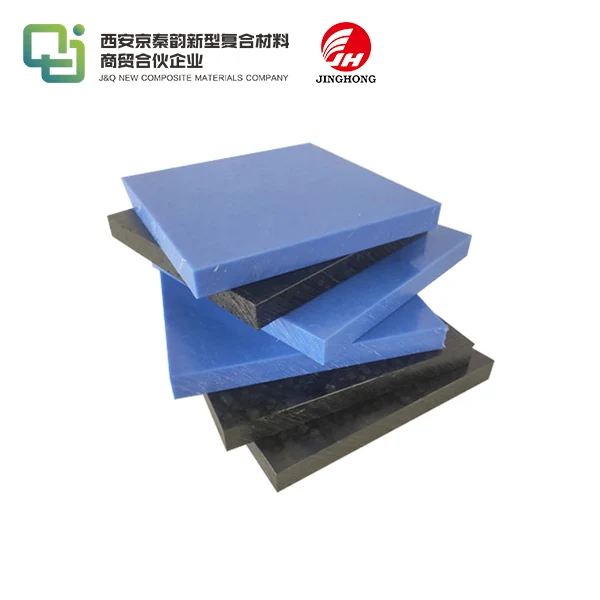
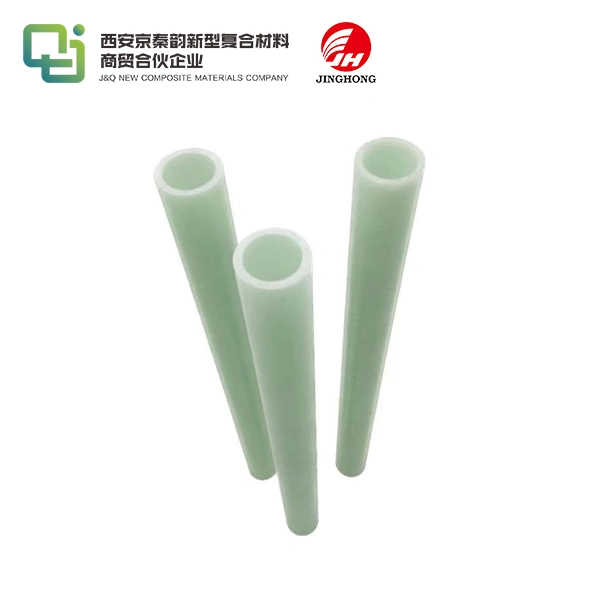
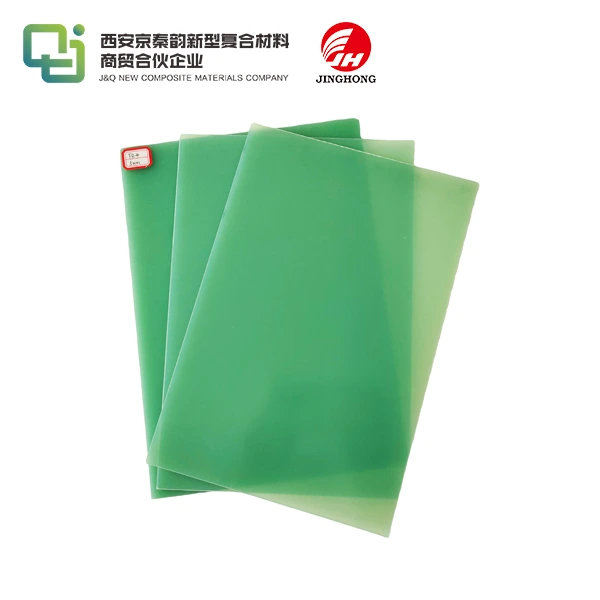
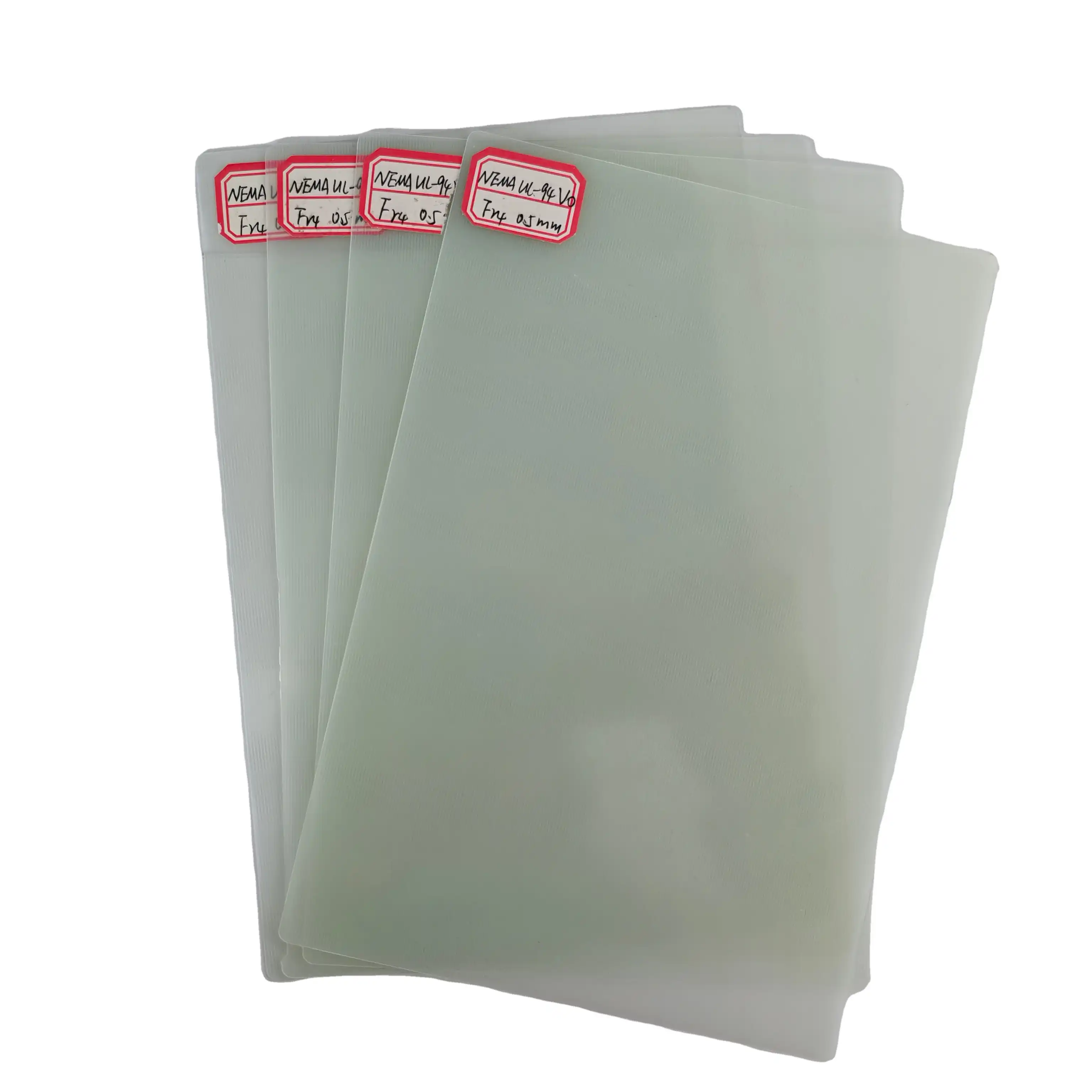
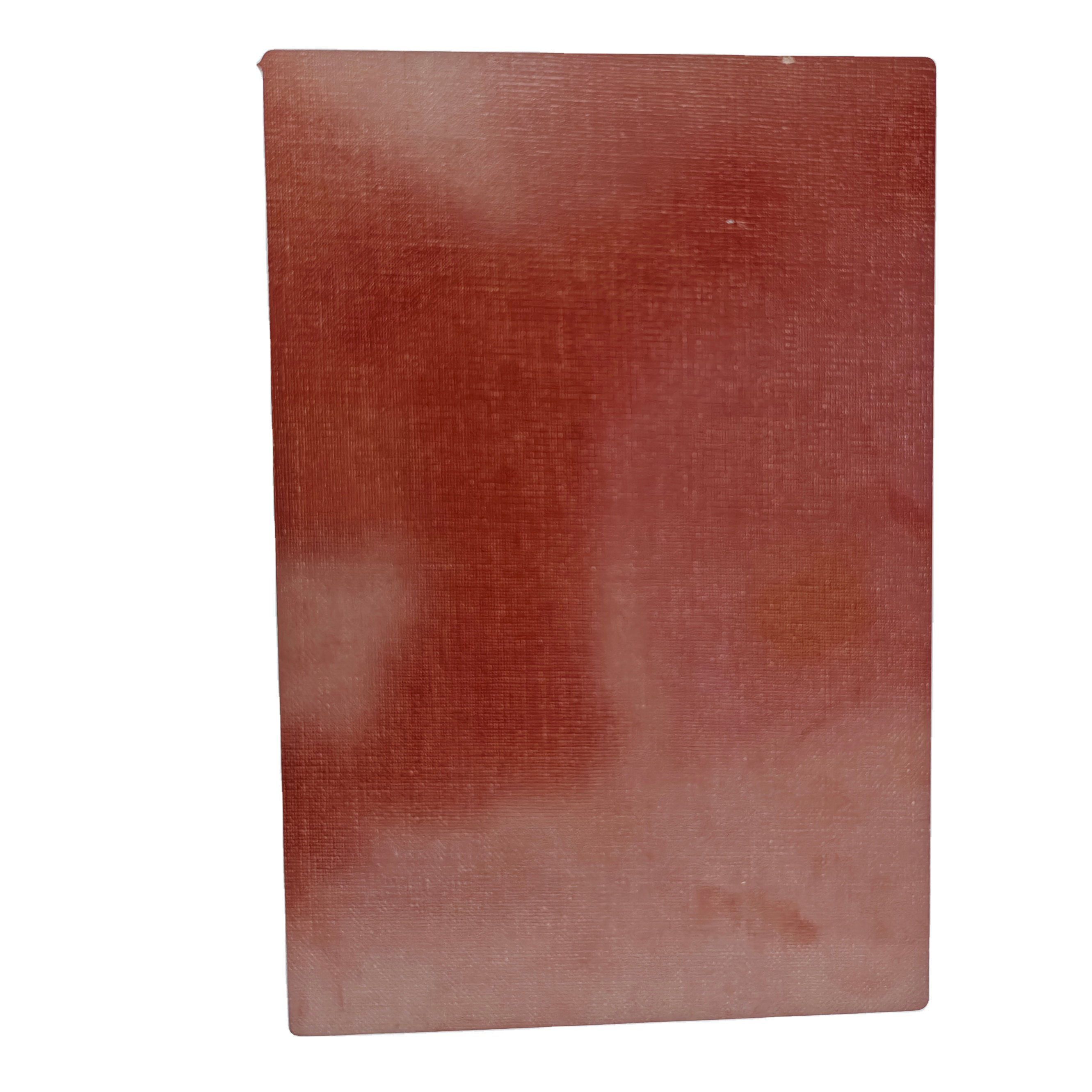
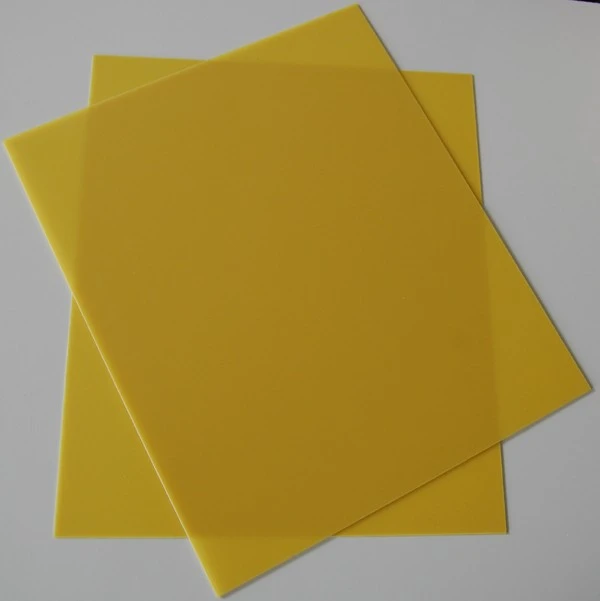
To make something last longer, you need to know what makes 3240 epoxy board different from other composite insulation materials. This glass-epoxy laminate is made of woven glass cloth and thermosetting epoxy resin. It is a great material for tough mechanical and electrical uses.
Core Material Properties and Performance Characteristics
The unique qualities of 3240 epoxy board come from the way it was carefully put together. This substance has great dielectric strength, usually between 14 and 16 kV/mm, which means it can be used in high-voltage switchgear and generator parts. It can work continuously at temperatures between -40°C and 155°C, and it can handle short exposures up to 180°C.
Another important benefit is its mechanical strength, which can reach 380–420 MPa for bending and over 400 MPa for compressing. These qualities make sure that the machine will work reliably even when it is under a lot of mechanical stress and shaking, which are common problems in industrial machinery. The material doesn't absorb much water—less than 0.5%—so its electrical properties stay the same even in damp places.
Comparative Analysis with Alternative Materials
Compared to FR4 and G10 alternatives, 3240 epoxy board is more stable in terms of size and has similar electrical properties across a wider range of temperatures. FR4 is great at keeping flames out, but 3240 is stronger and cheaper for situations where flame protection isn't as important. G10 has similar mechanical qualities to 3240 variants, but it usually costs 15 to 20 percent more.
Because the material is so easy to work with, precise CNC fabrication is possible without delamination or cracking, which is a big benefit over phenolic alternatives. This feature cuts down on waste during production and meets the tight accuracy needs of precision electrical components.
Core Factors Affecting the Service Life of 3240 Epoxy Board
The durability of epoxy laminate materials is affected by a number of environmental and practical factors. By understanding these factors, you can make more accurate predictions about service life and improve the conditions of the application.
Environmental Exposure and Its Impact
Temperature cycling is one of the most important things that affects how long something lasts. Thermal cycling causes things to expand and contract over and over again. This can cause tiny cracks to form that spread over time and finally make electrical insulation less effective. According to research, materials that are subject to temperature changes of more than 100°C have a 25–30% shorter useful life than materials that are kept in stable temperatures.
Both mechanical and electrical qualities change over time when exposed to humidity. 3240 epoxy board is very good at keeping wetness out, but if it is exposed to humidity levels above 85% for a long time, its properties may slowly start to break down. Chemicals from oils, acids, or cleaning products can wear away at the surface and make it less strong over time.
Manufacturing Quality and Process Control
Long-term dependability is directly affected by how consistent the materials are during production. Changes in the amount of glue, the curing temperature, or the pressure during lamination can make weak spots that can lead to failure. Manufacturers of high-quality products keep tight controls on the whole process, such as constantly checking the resin-to-glass ratios and hardening conditions.
If you handle things correctly during manufacturing, you can avoid damage that could shorten the life of the product. Sealing the edges after they've been machined keeps water out, and storing them carefully in a controlled environment keeps them from twisting or concentrating stress, which could cause them to break too soon.
Design Considerations and Load Distribution
Careful planning keeps stress levels low so that wear doesn't happen too quickly. Sharp corners, bends with small radius, and support structures that aren't strong enough all create stress places where cracks usually start. Proper load distribution through the right choice of thickness and form of the support structure greatly increases the useful life.
How to Maximize the Service Life of 3240 Epoxy Board in Your Applications
Using tried-and-true methods for handling, installing, and keeping epoxy laminate materials can make them last a lot longer while still meeting performance standards.
Storage and Pre-Installation Best Practices
The best settings for storing materials for 3240 epoxy board keep their properties before they are installed. Materials should be kept in climate-controlled spaces that are between 15°C and 25°C and have humidity levels below 60%. Having the right support during storage keeps things from bending or concentrating stress, which could hurt performance.
Pre-installation conditioning includes slowly adjusting materials to the temperatures of the operating environment when there are big differences. This process lowers the risk of thermal shock during starting and lowers the damage caused by stress. A quality check is done before installation to find any damage from handling or mistakes in the making process that might shorten the service life.
Installation Techniques and Quality Control
Precise fitting methods keep mechanical damage from happening, which shortens the service life. Using the right torque specs keeps the contact pressure at the right level and stops over-compression. Aligning things correctly during building lowers stress levels that could cause things to break too soon.
Edge sealing after machining stops water and other external contaminants from getting in. Good sealants that work with epoxy resin chemistry offer long-lasting security that doesn't change the electrical properties. Regular checks during startup find problems early on, before they affect how well the system works.
Maintenance and Monitoring Strategies
Regular inspection programs find early signs of wear and tear before they break. Regular checks for surface cracks, darkening, or mechanical damage should be done based on how hard the application is. Electrical testing makes sure that the resistance of the insulation stays within acceptable limits for the whole working life.
Cleaning methods that use solvents that are suitable get rid of contamination without hurting the surface. If you don't use harsh chemicals or rough cleaning methods, the surface will stay intact and won't break down faster. Keeping track of inspection data lets you look for patterns and plan ahead for maintenance.
Procurement Considerations: Choosing the Right 3240 Epoxy Board Supplier and Product
Selecting reliable suppliers and appropriate material specifications directly impacts service life outcomes and total cost of ownership for industrial applications.
Certification Standards and Quality Assurance
Suppliers with a good reputation keep full quality management systems that include ISO 9001 approval and paperwork that shows how materials can be tracked. When it comes to electrical uses, UL recognition gives you peace of mind that the electrical properties and flame resistance will stay the same. Real property values recorded on material test certificates allow for accurate application planning and service life prediction.
Consistency in quality across production batches for 3240 epoxy board makes performance reliable and makes managing inventory easier. Suppliers who use strong statistical process control keep property tolerances low, which lowers the range of results for service life. Regular testing verification by a third party gives you more faith in the material specifications.
Evaluating Price-Quality Balance and Supply Chain Reliability
Suppliers with a good reputation keep full quality management systems that include ISO 9001 approval and paperwork that shows how materials can be tracked. When it comes to electrical uses, UL recognition gives you peace of mind that the electrical properties and flame resistance will stay the same. Real property values recorded on material test certificates allow for accurate application planning and service life prediction.
Consistency in quality across production batches makes performance reliable and makes managing inventory easier. Suppliers who use strong statistical process control keep property tolerances low, which lowers the range of results for service life. Regular testing verification by a third party gives you more faith in the material specifications.
Customization Services and Technical Support
OEM customization services make it possible to keep quality standards high while optimizing for specific uses. Using pre-machined parts cuts down on the costs of handling and making things while maintaining quality. Just-in-time inventory and lean manufacturing are both supported by custom packaging and delivery choices.
Full expert support includes application engineering advice, help choosing materials, and help with fixing problems. Technical data sheets, processing directions, and application examples are all helpful for making sure that implementation goes smoothly and that the product has a long life.
J&Q: Your Trusted Partner for Premium 3240 Epoxy Board Solutions
OEM customization services make it possible to keep quality standards high while optimizing for specific uses. Using pre-machined parts cuts down on the costs of handling and making things while maintaining quality. Just-in-time inventory and lean manufacturing are both supported by custom packaging and delivery choices.
Comprehensive Manufacturing Excellence and Quality Assurance
Our factories use high-tech process control systems that keep an eye on important factors during production. This makes sure that the properties of the materials are always very consistent. Electrical, mechanical, and thermal properties must meet or beat industry standards, which are made sure of by strict testing methods. UL recognition and RoHS compliance give electrical uses that need certified materials peace of mind.
Quality control goes beyond manufacturing by using full traceability systems that keep track of the past of materials from the time they are raw materials until they are delivered. Statistical process control keeps property limits low, which lowers variation and helps predict service life outcomes. Third-party verification testing done on a regular basis makes sure that specs and industry standards are still being followed.
Technical Expertise and Customer Support Services
Our skilled technical team offers full application engineering support, helping customers choose the best materials and apply them in the best ways to get the longest service life. We offer in-depth technical advice that includes design factors, the best ways to put things, and maintenance plans that are made to fit specific uses and settings.
Sample provision services let you do a full evaluation before making a big purchase choice, and custom machining lets you get parts that are very precise and exactly what you need. Our integrated logistics network, which includes our own logistics business, makes sure that deliveries happen on time and that customers can choose from a variety of packaging options that meet their production needs. Full technical documentation and application guidance are needed for a good implementation and the best possible performance results.
Conclusion
By knowing and controlling the factors that affect the service life of 3240 epoxy board, operating reliability and cost-effectiveness can be greatly enhanced. Conditions in the environment, mechanical stress, thermal cycling, and the quality of the making all have a big impact on how long a material lasts. Using the right methods for storage, handling, installation, and upkeep can greatly increase the service life while still meeting performance standards. If you choose qualified suppliers with tested quality systems and technical help, you can be sure that you will be able to get materials that will work well in demanding situations for a long time.
FAQs
What makes 3240 epoxy board different from other epoxy variants?
3240 epoxy board utilizes woven glass fabric reinforcement with thermosetting epoxy resin, providing superior mechanical strength and dimensional stability compared to paper-based phenolic materials. Unlike FR4, it doesn't contain flame retardant additives, resulting in better mechanical properties and lower cost for applications where flame resistance isn't critical. The material offers excellent machinability and consistent electrical properties across wide temperature ranges.
How does temperature resistance affect the service life of epoxy laminates?
Temperature resistance directly impacts service life through thermal expansion and contraction effects. Materials operating near their maximum temperature ratings experience accelerated aging and property degradation. Thermal cycling creates mechanical stress that can lead to micro-crack formation and eventual failure. Maintaining operating temperatures well below maximum ratings significantly extends service life and maintains electrical insulation properties.
What should I look for when selecting a reliable supplier?
Key supplier evaluation criteria include quality certifications such as ISO 9001, UL recognition for electrical materials, and comprehensive material traceability systems. Consistent property tolerances across production batches indicate robust process controls. Technical support capabilities, including application engineering assistance and comprehensive documentation, add significant value. Supply chain reliability through multiple manufacturing locations and flexible delivery options ensures production continuity.
How can I determine the expected service life for my specific application?
Service life estimation requires analyzing operating conditions including temperature range, mechanical stress levels, environmental exposure, and duty cycles. Material suppliers can provide aging test data and application guidelines for similar operating conditions. Conservative design practices such as derating temperature and stress levels significantly extend service life. Regular inspection and monitoring programs help validate service life predictions and optimize replacement schedules.
Partner with J&Q for Superior 3240 Epoxy Board Solutions
Maximize your project success with J&Q's premium 3240 epoxy board backed by two decades of manufacturing expertise and proven quality systems. Our technical team provides comprehensive consultation covering material selection, application optimization, and service life maximization strategies tailored to your specific requirements. Contact our specialists at info@jhd-material.com for detailed quotations, technical specifications, and sample evaluation programs. As a leading 3240 epoxy board manufacturer, we deliver consistent quality, reliable delivery, and comprehensive support that ensures your procurement investment delivers optimal returns and extended service life.
References
Smith, R.J. "Thermal Cycling Effects on Glass-Epoxy Composite Materials in Electrical Applications." Journal of Electrical Insulation Materials, Vol. 45, No. 3, 2023.
Anderson, M.K. "Manufacturing Process Control and Quality Consistency in Epoxy Laminate Production." Composite Materials Manufacturing Quarterly, Issue 2, 2023.
Thompson, L.A. "Environmental Degradation Mechanisms in Glass-Epoxy Electrical Insulation Systems." IEEE Transactions on Electrical Insulation, Vol. 28, No. 4, 2022.
Chen, H.W. "Comparative Analysis of Thermoset Composite Materials for Industrial Electrical Applications." Industrial Materials Engineering Review, Vol. 12, No. 7, 2022.
Martinez, C.D. "Service Life Prediction Models for Composite Insulation Materials in Power System Applications." Power Engineering Materials Science, Vol. 34, No. 6, 2023.
Johnson, P.R. "Quality Assurance and Testing Protocols for Electrical Grade Epoxy Laminates." Materials Testing and Certification Standards, Vol. 18, No. 1, 2023.