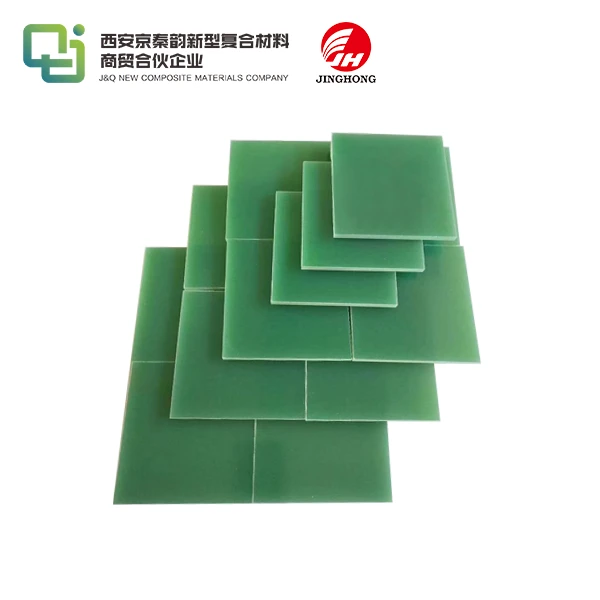
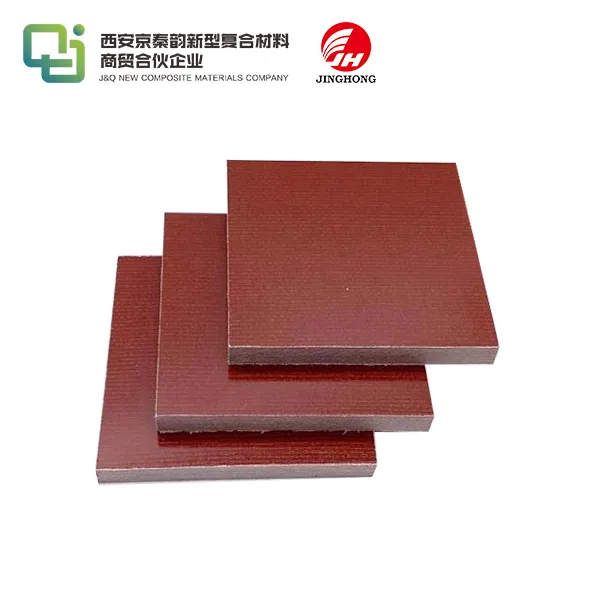
How to Choose Phenolic Paper Board for Electrical Insulation?
2026-01-13 17:27:13
To choose the right phenolic paper board for electrical insulation, you need to carefully look at its mechanical, thermal, and dielectric qualities. This detailed guide explains important factors like temperature resistance, electrical performance, and safety standards that procurement managers and engineers need to know to get the best insulation performance in industrial settings. Choosing the right phenolic paper board has a big effect on how reliable equipment is and how safe it is to use in the long run.
Understanding Phenolic Paper Board and Its Core Properties
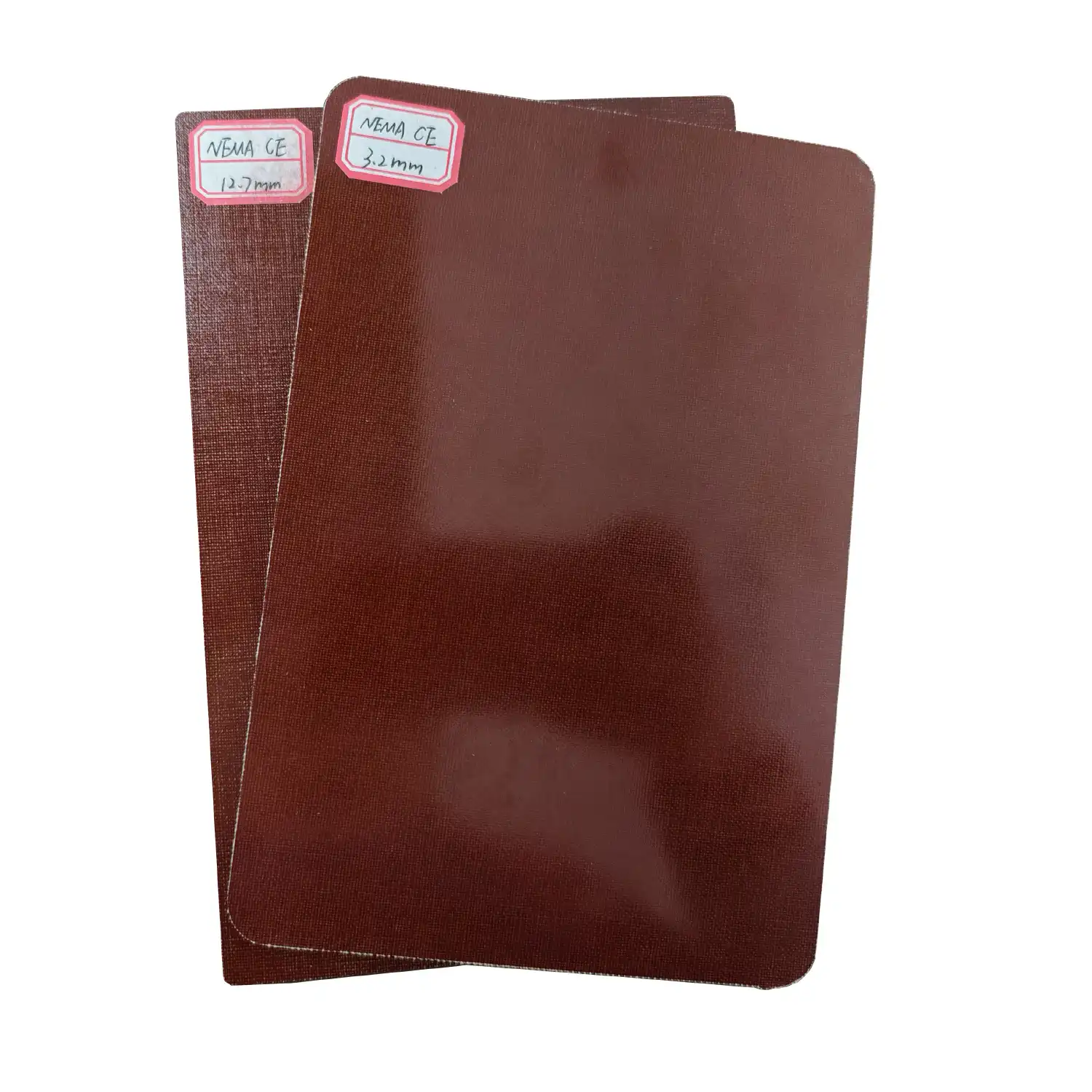
When high-quality kraft paper is mixed with phenolic resin, a complex composite material called phenolic paper board is made. In many industrial settings, this manufacturing process is required because it creates exceptional electrical insulation properties along with exceptional mechanical durability.
Essential Material Composition and Manufacturing Process
To make phenolic laminated sheets, resin impregnation methods must be carefully controlled to make sure that the resin is spread evenly throughout the paper substrate. Accurate temperature and pressure controls are used in modern factories to make sure that materials always have the same qualities. During the curing process, cross-linked molecular structures are made that are very stable in size and don't react to external factors.
Key Performance Characteristics
Procurement teams can make better choices when they know about the basic properties of electrical insulation board. These materials usually have dielectric strengths between 14 and 20 kV/mm, which means they can work reliably in high-voltage situations. Most of the time, thermal resistance can withstand temperatures of 120°C to 140°C for long periods of time, and it can handle much higher amounts of short-term exposure.
The mechanical strength features include bending strength values that are usually higher than 90 MPa, which keeps the structure strong when it's under mechanical stress. Under normal testing conditions, water absorption rates stay below 1.5%. This keeps the dimensions stable in damp places.
Grade Classifications and Industrial Standards
There are different types of phenolic board that are used for different purposes. Standard grades, such as NEMA XX and different types of industrial phenolic laminate, have different mixes of electrical, thermal, and mechanical qualities. International standards, like IEC 60893 and ASTM D709, set uniform testing methods and performance standards that are used to choose materials.
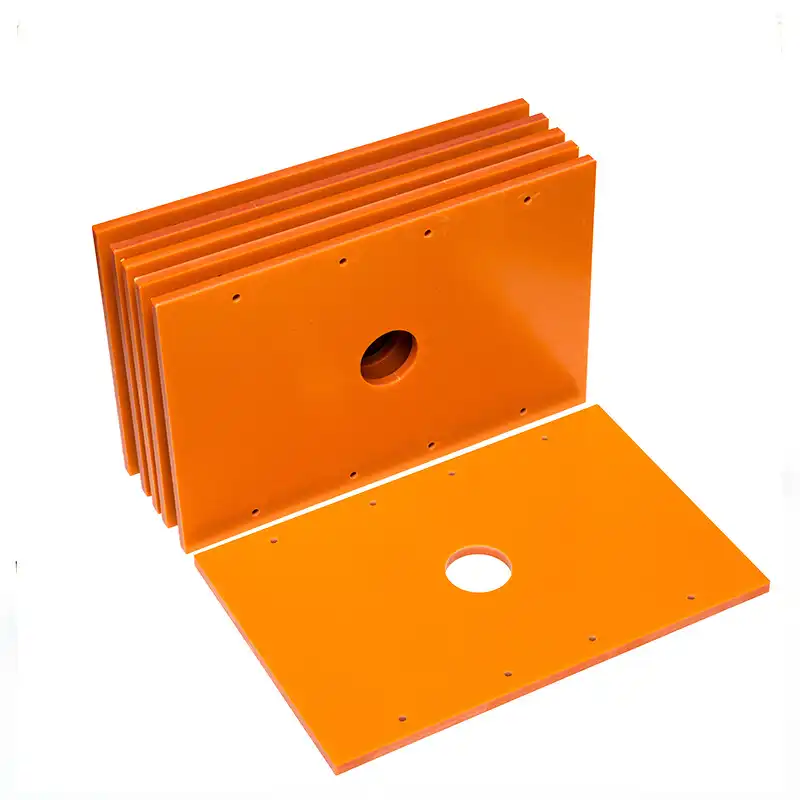
Core Criteria to Consider When Choosing Phenolic Paper Board
To choose the right material for phenolic paper board, you need to carefully look at its performance characteristics and make sure they match the needs of the application. To get the best technical performance and project economics, engineering teams have to combine a lot of different factors.
Electrical Performance Requirements
The dielectric strength is the main way to tell how well an electrical system works because it tells you the highest voltage change that the material can handle without breaking down. Volume resistivity tests show how well a material can stop current flow, which is important for keeping shielding strong over long periods of time. Surface resistivity values are very important in situations where there is a lot of pollution or a lot of moisture in the air.
Thermal Stability and Temperature Ratings
The highest service temperature for long-term dependability is set by the continuous operating temperature rating. When you test the glass transition temperature, you can see when the mechanical properties start to change in a big way. The values of thermal conductivity affect how heat moves, which is important for situations where thermal control is important.
Mechanical Property Evaluation
The flexural strength and stiffness of a material show how well it can handle bending forces without breaking. When mechanical shock or vibration is present, the ability to prevent impact becomes very important. Dimensional stability under thermal cycling makes sure that the product works the same way in all kinds of circumstances.
By knowing these mechanical properties, engineers can choose materials that will keep their structure strong for as long as they are supposed to. The right review stops things from breaking down too soon and makes sure they work well for a long time.
Thickness and Dimensional Considerations
There are thickness ranges that run from 0.5 mm to 50 mm, so they can be used for a wide range of purposes. Custom thickness choices let you get the best results for your space and electrical clearance needs. When it comes to manufacturing precision and assembly fit standards, tolerance specifications have a direct effect.
Comparing Phenolic Paper Board with Alternative Materials for Electrical Insulation
By comparing a lot of different materials, procurement teams can make the best choice based on the performance needs of the product and the cost factors.
Performance Comparison with Fiberglass Alternatives
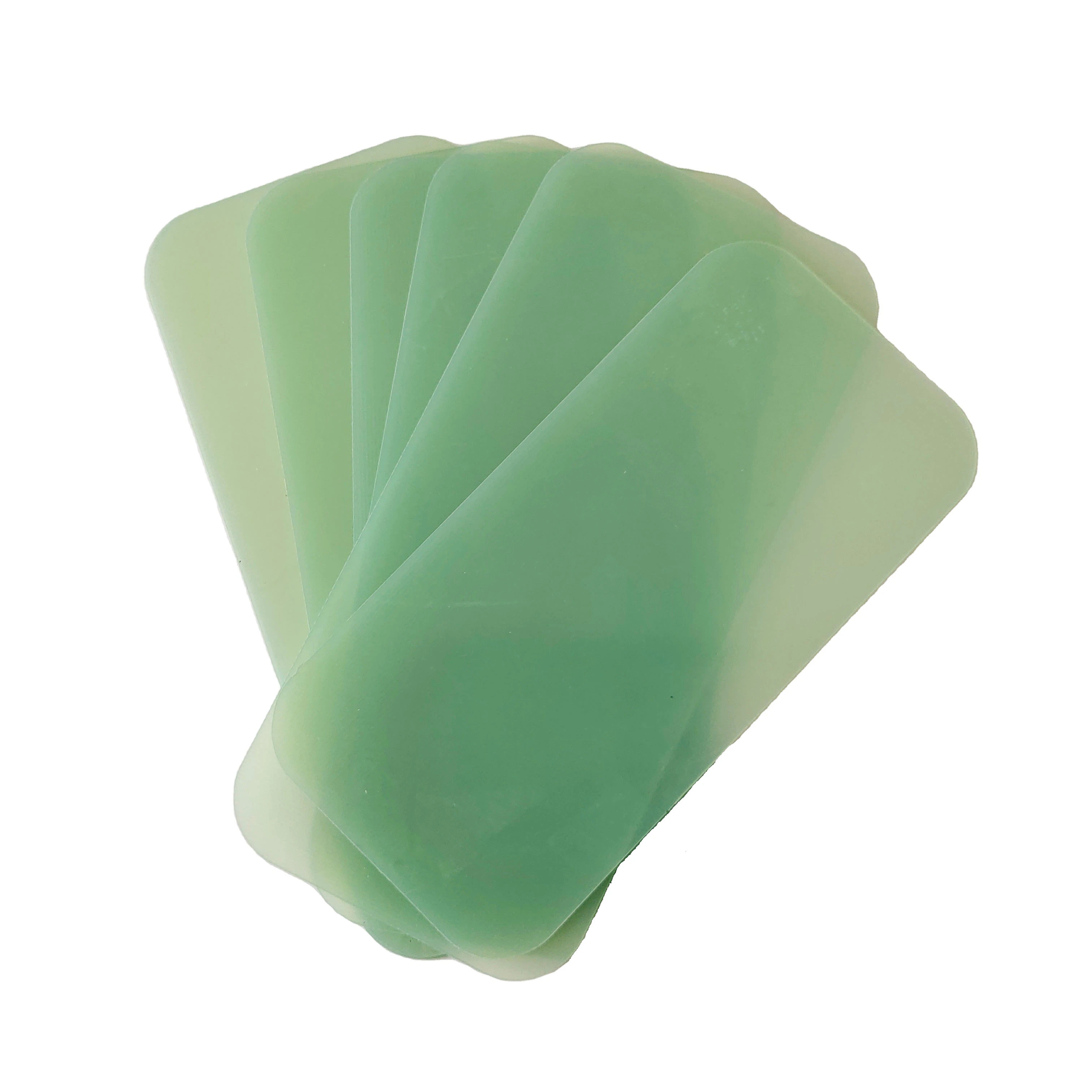
The mechanical strength of fiberglass-reinforced plastics for phenolic paper board is better than that of phenolic materials, but they tend to absorb more water. Different resin systems have very different temperature resistance properties. For example, some fiberglass blends have better thermal performance but cost more.
Comparing electrical properties shows that phenolic materials usually have more uniform dielectric performance across a wider range of temperatures. Because they are easier to make, phenolic options are usually cheaper for everyday uses, while specialty fiberglass options cost more because they use more advanced resin formulations.
Analysis Against Synthetic Resin Boards
Different types of synthetic resins, like epoxy and polyester systems, have different properties that make them useful for different tasks. Materials made from epoxy usually have better chemical protection, but they may have higher thermal expansion coefficients. Cost analysis shows that prices are different based on the type of resin used and how complicated the manufacturing process is.
Environmental and Sustainability Considerations
The environmental impact of phenolic materials is positive because they are thermoset and can be recycled in some situations. When compared to some other materials, volatile organic compound emissions are usually lower during manufacturing. End-of-life disposal decisions should favor materials that can be recycled easily and have little effect on the earth.
Procurement Insights: How to Source Phenolic Paper Board Effectively
When you strategically source materials for electrical insulation, you need to carefully evaluate suppliers and follow strict quality control procedures to make sure that the materials always work well and that the supply lines are reliable.
Supplier Qualification and Certification Requirements
Manufacturers who are qualified keep up with ISO 9001 quality management systems and any other industry certifications that are needed, such as UL recognition for electrical uses. As part of evaluating technical skills, you should look at things like production capacity, quality control procedures, and the accreditation status of the testing laboratory. The potential for a long-term partnership rests on how stable the supplier's finances are and how committed they are to always getting better.
Quality Assurance and Testing Protocols
When inspecting new materials, they should be checked to make sure they meet certain electrical, thermal, and mechanical features. Implementing statistical process control makes sure that performance factors are the same from batch to batch. Verification testing by a third party gives extra assurance for important applications that need higher dependability.
Logistics and Supply Chain Management
Keeping track of lead times is very important for planning projects, especially when custom thickness needs or unique grades are needed. Inventory optimization techniques help keep costs low while also making sure there is a steady supply of goods. Shipping prices and delivery reliability are affected by where a supplier is located, especially for large orders.
When you have good ties with your suppliers, you can make flexible ordering arrangements that meet the needs of different projects while keeping prices low. Performance reviews done on a regular basis make sure that employees stay in line with changing quality and service standards.
Practical Applications of Phenolic Paper Board in Electrical Insulation
Real-world applications demonstrate the versatility and reliability of phenolic insulation materials across diverse industrial sectors and operating environments.
Circuit Board and PCB Support Applications
Phenolic substrates are used a lot in modern electronics manufacturing for printed circuit board uses that need to be stable in terms of size and electrical performance. The material is very easy to machine, which lets you mount parts precisely and make solid electrical connections. Temperature cycling performance makes sure that a product will continue to work reliably over its entire duration.
Electrical Panel and Switchgear Components
Phenolic insulation is used in power distribution equipment for arc barriers, mounting components, and heat safety. The material's ability to fight flames helps make the system safer and in line with regulations. The mechanical strength qualities make it possible to mount heavy electrical components reliably.
Motor and Generator Insulation Systems
For rotating electrical gear for phenolic paper board, you need insulation materials that can handle electrical fields, mechanical stress, and changes in temperature. Phenolic materials have been shown to work well in tasks like slot insulation, coil separation, and structural support. Long-term aging features make sure that the system works reliably for longer periods of time between service intervals.
Case studies from the business world show that deployment has worked well in harsh areas, such as marine, chemical processing, and power generation settings. Performance data from installations in the field backs up results from lab tests and proves that the material can handle tough working conditions.
J&Q: Your Trusted Phenolic Paper Board Manufacturer
J&Q brings over two decades of expertise in manufacturing premium electrical insulation materials designed to meet the most demanding industrial requirements. Our comprehensive product portfolio includes standard and customized phenolic paper board solutions backed by rigorous quality assurance protocols and international certifications.
Manufacturing Excellence and Quality Commitment
Our factories use cutting-edge production technologies and statistical process control systems to make sure that the qualities of the materials we use are always the same and that the products work as expected. Electrical, thermal, and mechanical properties can all be checked using calibrated equipment and standard processes as part of full testing capabilities. Quality management systems keep their ISO certifications and make sure they meet worldwide standards for materials used in electrical insulation.
Product Range and Customization Capabilities
Standard phenolic grades can be used in a wide range of situations, and custom formulas can be made to meet specific performance needs. You can choose from a wide range of thicknesses, from very thin uses to heavy-duty structural parts, so you can meet almost any design need. Technical support teams work with customers to find the best materials and working conditions.
Global Logistics and Customer Support
Our combined logistics network makes sure that customers all over the world get their packages on time and at a reasonable cost. In-house logistics skills make things easier by giving you a single point of contact and better control over the supply chain. Throughout the buying process, dedicated customer support teams offer technical help, help with choosing products, and quick responses.
There are success stories from customers in many fields, such as the auto industry, power generation, industrial machinery, and electronics making. Long-term partnerships show that we are dedicated to helping our customers grow and improve their operations by providing them with high-quality goods and dependable service.
Conclusion
To choose the right phenolic paper board for electrical insulation, you need to carefully look at its electrical performance, heat properties, and mechanical properties, making sure they meet the needs of the application. Procurement strategies that work focus on qualifying suppliers, making sure quality, and building long-term partnerships. Knowing about the features of a material, its benefits compared to others, and its uses in real life helps people make smart choices that improve both the technical performance and the cost-effectiveness of a project. Choosing the right materials is a big part of making sure that equipment works well, is safe, and meets safety standards in a wide range of workplace settings.
FAQ
What thickness options are available for electrical insulation applications?
Phenolic paper board thickness ranges typically span from 0.5mm for precision electronics applications to 50mm for heavy-duty structural insulation. Standard increments include 1mm, 2mm, 3mm, and 5mm options that serve most common requirements. Custom thickness specifications accommodate unique design constraints and electrical clearance requirements.
How does heat resistance compare between phenolic and fiberglass materials?
Phenolic materials typically provide continuous operating temperatures of 120-140°C, while fiberglass composites may offer enhanced thermal performance depending on resin selection. Short-term temperature exposure capabilities vary significantly between different material systems. Application-specific thermal requirements guide optimal material selection.
Can phenolic paper board be machined to custom sizes and shapes?
Modern phenolic materials demonstrate excellent machinability using conventional cutting, drilling, and shaping equipment. Precision tolerances enable accurate component fabrication for demanding applications. Custom machining services accommodate complex geometries and tight dimensional requirements.
Contact J&Q for Premium Phenolic Paper Board Solutions
J&Q stands ready to support your electrical insulation needs with over 20 years of manufacturing excellence and comprehensive technical expertise. Our experienced engineering team provides personalized consultations to optimize material selection and ensure project success. Contact us at info@jhd-material.com for competitive quotations and technical support tailored to your specific requirements. As a leading phenolic paper board supplier, we combine advanced manufacturing capabilities with responsive customer service to deliver superior insulation solutions for demanding industrial applications.
References
Smith, Robert J. "Electrical Insulation Materials: Properties and Applications in Industrial Systems." Industrial Materials Handbook, 3rd Edition, Technical Publishing, 2023.
Chen, Michael K. "Phenolic Resin Composites for High-Temperature Electrical Applications." Journal of Electrical Insulation Engineering, Vol. 45, No. 3, 2022.
Williams, Sarah L. "Comparative Analysis of Thermoset Insulation Materials in Power Generation Equipment." Power Systems Materials Review, Annual Edition, 2023.
Anderson, David P. "Quality Assurance Protocols for Electrical Insulation Material Procurement." B2B Industrial Sourcing Quarterly, Vol. 28, No. 2, 2022.
Thompson, Jennifer R. "Thermal Stability and Long-term Performance of Phenolic Laminated Materials." Materials Science in Electrical Engineering, Vol. 12, No. 4, 2023.
Rodriguez, Carlos M. "Environmental Considerations in Electrical Insulation Material Selection for Industrial Applications." Sustainable Industrial Materials Journal, Vol. 8, No. 1, 2022.