Custom Machining Services for G10 Sheet Buyers
2026-06-08 17:01:14
The hardest part about getting G10 sheet materials for tough electrical, industrial, or automobile uses isn't just finding the right laminate—it's also getting the precise cutting services that let it work at its best. This high-pressure fiberglass-epoxy blend has great dielectric strength and mechanical stability, but it needs to be machined by someone with a lot of experience to avoid delamination, tool wear, and uneven dimensions. Across the United States, we've worked with engineering managers, procurement experts, and OEM buying teams for more than 20 years to turn raw G10 laminates into mission-critical parts that meet strict tolerances and compliance standards.
Understanding G10 Sheets and Their Key Features
What Makes G10 Glass-Epoxy Laminates Unique?
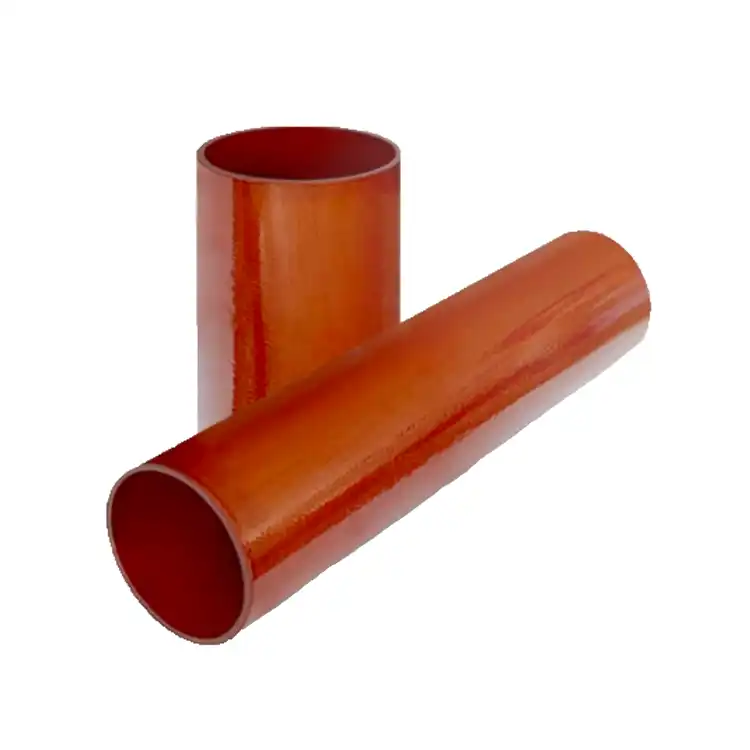
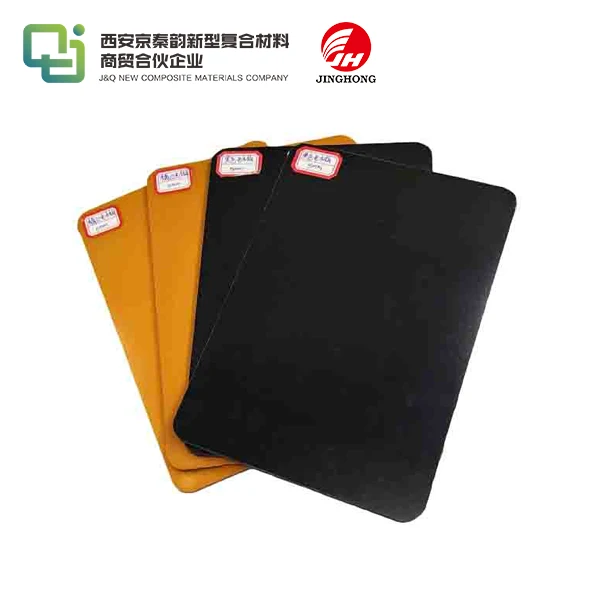
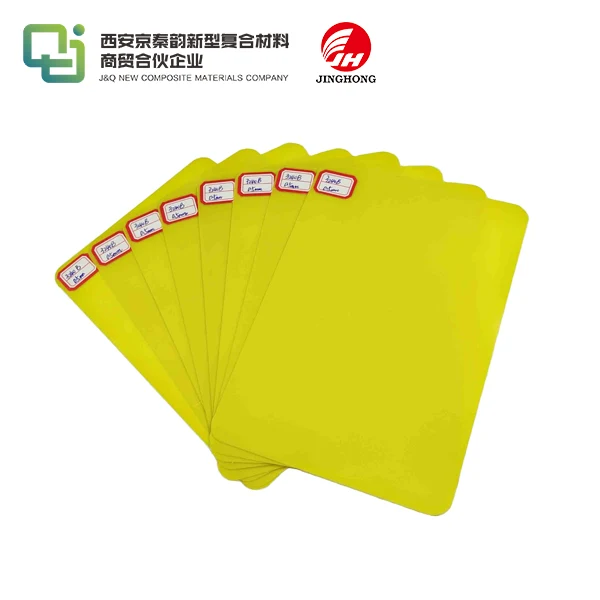
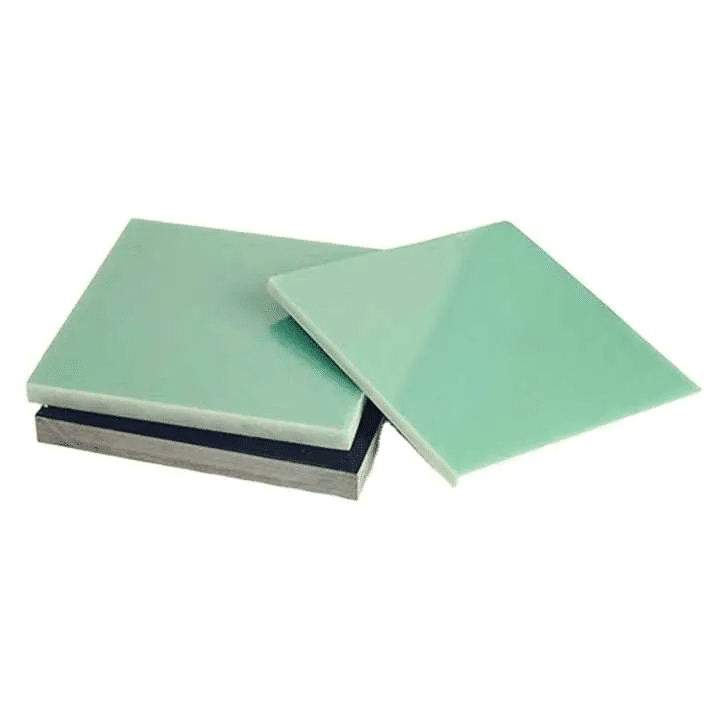
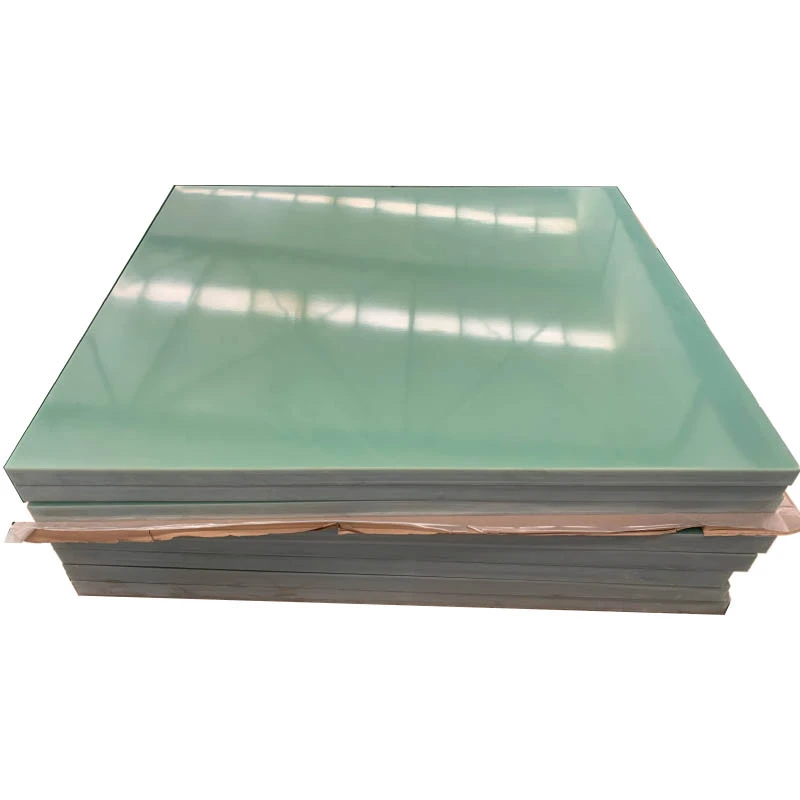
Continuously woven glass cloth that is soaked with epoxy resin is pressed under heat above 340°F to make G10 sheets that are hard but light. The material made with this method has a bending strength of over 55,000 PSI and a compressive strength of over 60,000 PSI. G10 epoxy laminates don't melt or change shape like thermoplastics do. They keep their shape up to their glass transition temperature, which is around 266°F. This makes them essential for protecting electrical wiring and supporting structures in tough environments.
Core Technical Properties for Industrial Applications
The material doesn't absorb much water—usually less than 0.10% per ASTM D570 standards—so it doesn't swell when it's wet outside. It can be used in high-voltage switches and transformers because its dielectric breakdown voltage is higher than 50 kV. The epoxy resin system is resistant to mineral acids, alkalis, and common industrial chemicals. The woven glass support makes the structure more stable and reduces heat expansion.
Power distribution equipment and car battery pack barriers can be tracked if they meet the requirements of MIL-I-24768/2 Type GEE and NEMA G10. Electrical engineers like that it has a Class B insulation grade, which means it can withstand 130°C of ongoing operation. Mechanical designers like that it is easier to work with than ceramic options.
Common Machining Challenges and Solutions
There are some unique problems with working with G10 laminates. Because the glass fiber structure wears down tools quickly, you need tools that are covered in carbide or diamond. Entry and exit places during cutting often have delamination, which is when layers separate, which weakens the mechanical and electrical performance. Cutting fiberglass creates fine fiberglass dust that can be harmful to your health and can damage normal machinery that doesn't have the right cleaning systems.
These problems can be fixed by professional machining services using controlled feed rates, the right tool shapes, and backing materials that hold the laminate in place while it is being cut. Controlling the temperature keeps the glue from burning and allows for limits of less than 0.005 inches, which is very important for PCB support structures and precision spacers.
Why Custom Machining Services Are Essential for G10 Sheet Buyers
Transforming Raw Materials into Precision Components
Standard G10 sheet stock doesn't always directly meet the needs of the end product. Custom cutting can turn large sheets of G10 laminate into complicated shapes, like CNC-routed frames for insulation, motor brackets with exact bolt patterns, or waterjet-cut arc barriers for transformers. This change lets engineers get the most out of the materials they use while also making plans that work that wouldn't be possible with off-the-shelf parts.
Critical Machining Capabilities That Matter
Advanced skills are what set good providers apart from great partners. CNC routing can make internal holes and complicated shapes with high accuracy, which is important for mass production. By getting rid of heat-affected zones, waterjet cutting keeps the material's properties near the cut edges, which is very important for the stability of electrical shielding. Precision drilling makes mounting holes without causing stress cracks, and surface grinding gets the needed level of flatness for a stable assembly.
Real-World Impact on Supply Chain Efficiency
Investing in machining partners with a lot of knowledge cuts down on secret costs during buying. When suppliers know about electrical clearance needs and mechanical load factors, prototype changes happen more quickly. When quality systems keep track of tool wear and make adjustments automatically, batch accuracy gets better. Predictable lead times help just-in-time manufacturing methods, which home device brands are asking for more and more.
When nesting algorithms maximize sheet utilization, material waste drops by a large amount. For industrial machinery builders, this always results in a 15-20% savings. When the first production meets the requirements, there are no more rework costs and no more delays that affect project timelines and put a strain on customer relationships.
How to Choose the Right Custom Machining Service for Your G10 Sheets
Evaluating Technical Precision and Quality Control
Before choosing a machine service for your G10 sheets, you should make sure they can measure things. Suppliers should show cross-section microscope and coordinate measuring machine (CMM) analysis to check the dimensions and find internal delamination. Ultrasonic C-scan testing finds holes that can't be seen with the naked eye. This keeps high-voltage components from breaking down too soon.
Comparing CNC Routing Versus Waterjet Technology
CNC routing is faster and cheaper for designs with a modest level of complexity. It works well for most structural insulation and mechanical gap jobs. Modern cutters with dust collection systems and automatic tool changes can keep tolerances very tight even during long production runs. Feed rates change on the fly to keep delamination from happening when the direction changes.
Cutting with a waterjet doesn't wear down the tools at all and doesn't cause any heat stress. This cold-cutting method keeps the dielectric qualities all the way to the edge, which makes it perfect for use as important electrical barriers in transformers and switches. This technology can handle complicated patterns and up to 2-inch thick laminates that are hard to route with other methods. Knowing which way works best for each situation is what sets experienced suppliers apart from order-takers.
Lead Time Realities and Capacity Planning
Clear conversation about when things will be made keeps shocks from being expensive. Prototypes usually ship within 5 to 7 business days, which gives you time to make sure you like the design before committing to bulk sales. Production runs take 3–4 weeks, based on how complicated they are and how busy the shop is at the moment. When job shops favor metal manufacturing over composites, delays often happen. Suppliers who have specific capacity for insulation materials avoid these problems.
We keep a buffer stock of popular G10 thicknesses to speed up urgent orders for electrical workers who need to meet project schedules. When things need to be done quickly, this strategic stock and our transportation skills allow us to send machined parts across the country within days.
Latest Trends and Innovations in G10 Sheet Machining Services
Automation Driving Consistency and Efficiency
Automated CNC systems have changed the way G10 sheet machining is handled in a big way. They cut down on human mistake and increase output. Robotic loading systems move sheet stock, place materials precisely, and unload finished parts. This way, production can continue through shifts without sacrificing quality because operators are tired. These systems have vision inspection built in, which finds changes in dimensions in real time and makes automatic changes to the tool path.
Sustainable Practices in Composite Machining
Environmental awareness is no longer just words; it's now being put into action. Modern machining centers use multiple stages of filtering to get rid of 99% of fiberglass particles. This protects both workers and the towns around the centers. Reclaimed dust is checked to see if it can be used in non-essential ways instead of being thrown away in a dump.
Digital Integration and Industry 4.0 Capabilities
Now, smart production platforms link machining tools to business systems, letting people see the state of their orders in real time. Engineering managers can see on production screens which tasks are finished and when they are expected to be finished. Digital twins model the machining process before it is actually done. This helps find problems that might happen with complicated shapes.
Inspection equipment sends quality data straight to statistical process control systems, which find trends before they lead to parts that don't meet standards. This predictive method helps automotive suppliers a lot when they have to meet tier-1 standards for delivery with no defects. Paper travelers are replaced by digital documents that give quick access to test results and certifications through secure portals.
Procurement and Ordering Guide: Buying Custom Machined G10 Sheets
Identifying Reliable Supplier Partners
Authorized sellers who work directly with manufacturers can offer technical help and G10 sheet materials that are guaranteed to be real that middlemen can't. Over the past twenty years, we've worked with top laminate manufacturers to make sure that the materials we sell are real NEMA-grade materials that come with full compliance paperwork. This level of tracking is very important when equipment is inspected in the field or when guarantee claims are made years after it was installed.
Understanding Pricing Models and Volume Advantages
Custom machining prices include the cost of materials, the time it takes to set up, the machining processes, and quality checks. When compared to simple rectangular cuts, complex shapes with tight tolerances naturally command higher prices. When setup costs are spread out over bigger amounts, the price per unit drops by a large amount. Buyers who buy in bulk usually save 25 to 35 percent when they buy more than 500 pieces.
Streamlining Technical Specifications and RFQ Processes
Procurement cycles go faster when there is clear communication. Instead of private formats that need to be converted, give CAD files in general formats like STEP and IGES. It is important to specify key measurements with the right tolerances. Using excessively tight tolerances everywhere just drives up costs without improving functionality. Make a note of the surface finish you want, the edge conditions (sharp, chamfered, or radiused), and any special writing needs.
Instead of using unclear terms, material specs should refer to well-known standards like NEMA G10 and MIL-I-24768/2. Include information about the application, such as the temperature, voltage, and chemicals that will be used. This will help providers suggest the best material types. Forecasts of volume and delivery times help providers make the best use of their capabilities. Technical sketches with clear GD&T callouts and measurement chains stop mistakes in interpretation that slow down production.
Conclusion
Getting the right custom cutting services for G10 sheets has a direct effect on how well the product works, how reliable the supply chain is, and the total cost of ownership. Processing glass-epoxy composites is very technical and needs specialized tools, skilled workers, and strong quality systems that most commodity providers don't have. When engineering managers and procurement professionals take the time to find good partners, they avoid the costs of rework, delivery delays, and fails in the field that come with hasty choices. Automation and digital integration are making machine technologies better, but the gap between top providers and general job shops is still growing. Your company will have constant success in electrical, industrial, and automotive uses if you work with partners who are both technically skilled and operationally excellent.
FAQ
Can custom machining services handle tight tolerances for complex G10 designs?
CNC machines with closed-loop feedback systems are often used by experienced providers to get margins of less than 0.003 inches. When suppliers use the right tools and fixtures, complicated internal holes, radiused corners, and complex bolt patterns don't get in the way of production. The level of accuracy is the same with waterjet cutting, but there is no motor stress. Before committing to output volumes, you should always ask for capability studies that show statistical process control for key aspects.
What typical lead times should buyers expect for machined components?
Usually, prototype numbers ship within a week, which lets you test the idea. Depending on the difficulty, quantity, and present shop load, production runs take three to four weeks. Suppliers who keep standard G10 sheet sizes in stock can meet pressing needs faster. Setting up blanket buy orders with planned releases makes delivery more predictable and cuts down on administrative costs. There are rush services, but they cost more—usually 30–50% more than regular rates.
How do I verify quality assurance with unfamiliar suppliers?
Ask to be shown around the building to check out the tools, how clean it is, and how it is organized. Check for quality certifications like ISO 9001 and UL, and ask to see inspection records with measuring details. Ask people in your industry who they know about delivery performance and expert help what they thought about it. Ask for first article inspection reports on the first production runs, along with measurement checks from tools that have been calibrated. Suppliers with a good reputation are happy to be questioned and will offer proof of their skills.
Partner with J&Q for Expert G10 Sheet Machining Solutions
We know how important it is for your electrical tools, industrial gear, and car systems to have precision-machined G10 parts. We've been making and machining glass-epoxy laminates for 20 years, which has given us specialized knowledge that turns buying problems into competitive benefits. Our expert advice helps engineering teams make designs that are easier to make, and our clear price and on-time delivery are valued by procurement specialists. You don't have to worry about coordination issues with us because we offer both G10 sheet supply and full-service cutting. Our transportation company makes sure that deliveries go smoothly across the country. We offer a one-stop service that makes your supply chain easier. Contact our team at info@jhd-material.com to talk about your unique needs, whether you need to test a prototype, make a lot of things, or get expert help choosing a material. We're ready to help you with your next job by giving it the knowledge and dependability it needs.
References
National Electrical Manufacturers Association (NEMA), "Industrial Laminating Thermosetting Products - Standards Publication LD 3-2005," NEMA Standards, 2005.
American Society for Testing and Materials (ASTM), "ASTM D709 - Standard Specification for Laminated Thermosetting Materials," ASTM International, West Conshohocken, PA, 2020.
Military Specification, "MIL-I-24768/2 - Insulation Sheet, Laminated, Thermosetting, Glass Cloth, Epoxy Resin," United States Department of Defense, 1987.
Parker, R.J., "Composite Materials for High-Voltage Electrical Applications: Properties and Performance," IEEE Electrical Insulation Magazine, Vol. 34, No. 2, pp. 45-58, 2018.
Thompson, M.K. and Chen, Y., "Advanced Machining Techniques for Fiber-Reinforced Polymer Composites," Journal of Manufacturing Processes, Vol. 29, pp. 384-401, 2017.
Industrial Fabrics Association International (IFAI), "Technical Guide to Glass Fiber Reinforced Thermosetting Laminates in Industrial Applications," IFAI Technical Publications, Roseville, MN, 2019.