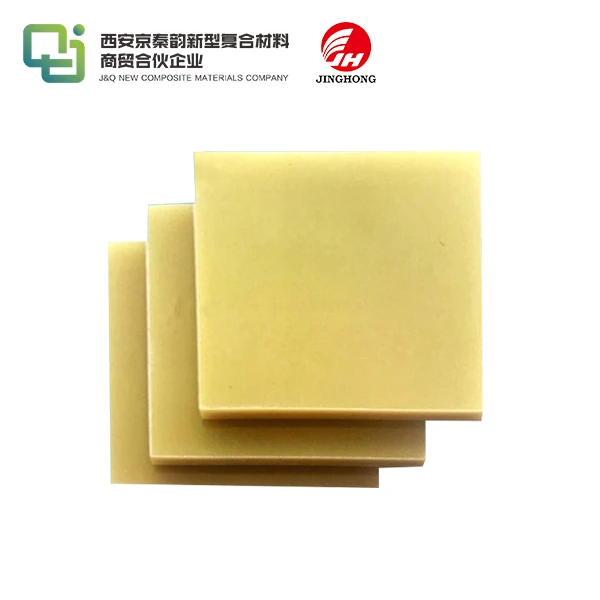
Top Questions to Ask When Buying Epoxy Sheets
2026-06-05 17:23:53
When looking for industrial insulation products, buying epoxy sheets needs more thought than just comparing prices. Smart buyers ask specific questions about the grades of materials, performance requirements, seller licenses, and how well they work with other products. Knowing the differences between FR4 and G10, as well as the thermal values, machining needs, and compliance standards, has a direct effect on the stability of the product and the safety of operations. When engineering managers and procurement teams ask the right questions, they can avoid costly material fails and build long-term relationships with reliable providers who meet strict quality standards.
What Are the Primary Types of Epoxy Sheets and Their Applications?
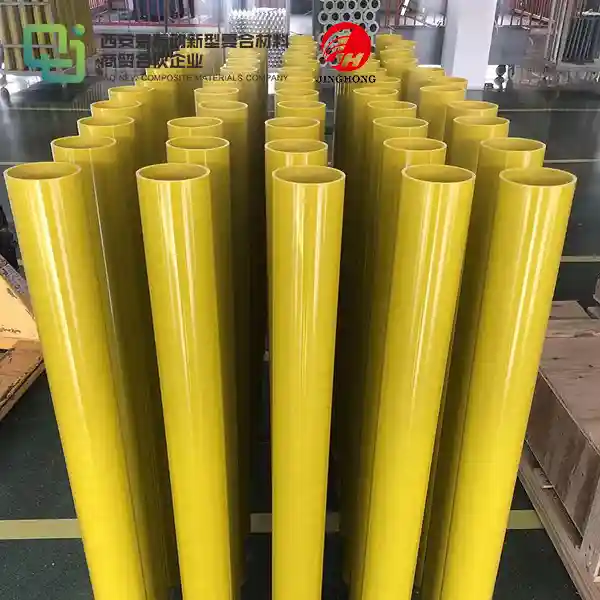
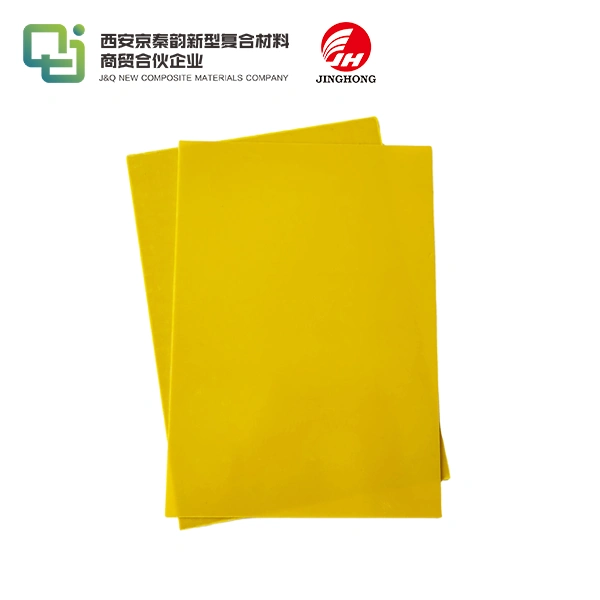
In many fields, electrical protection, mechanical strength, and heat stability are needed. Industrial epoxy sheets in the form of laminates can solve these problems. Knowing how to classify materials helps people who work in buying match technical needs with application needs.
Standard FR4 Epoxy Laminate for Electronics Manufacturing
FR4 is still the most popular choice for printed circuit board materials around the world. This glass-reinforced epoxy material has flame retardants based on bromine that meet UL94 V-0 standards. This means that it can put itself out on its own when there is an electrical problem. The material stays strong as a dielectric across frequencies and can handle lead-free soldering temperatures of more than 260°C. Electronics makers like that it doesn't absorb much water (less than 0.1%), so it doesn't change size in damp places. PCB makers ask for FR4 in particular for multi-layer boards where a stable dielectric constant keeps signals in high-frequency circuits intact.
G10 Epoxy Sheet for High-Performance Mechanical Applications
G10 grade is made of the same glass cloth and epoxy resin as FR4, but it doesn't have any flame-retardant additives, so it can't be used in places where fire safety is important. But its great engineering qualities make it perfect for use in structures. Aerospace engineers choose G10 for cryogenic insulation because it doesn't become rigid at temperatures close to absolute zero. At room temperature, the material's tensile strength is higher than 310 MPa, which means it can hold big loads in busbar supports and transformer standoff insulators. Machine builders like how stable its dimensions are and how much less it expands and contracts when heated or cooled than thermoplastics. This makes sure that jigs and fittings are made precisely.
EPGC308 for High-Temperature Power Equipment
Power plants are exposed to very high and low temperatures, which means they need special insulation types. EPGC308 epoxy laminate keeps its shape at temperatures that never stop rising to 180°C, which is considered Class H insulation. This material is used to fix problems in the motor making process where regular grades soften and bend. EPGC308 is used for coil insulation and phase barriers in transformers because it keeps its tensile strength above 340 MPa even at high temperatures. The material's tracking resistance stops surface carbonization from happening because of electrical arcing, which is a very important safety trait in high-voltage equipment. Following the DIN 7735 HGW 2372.4 standards makes sure that OEM makers can use their products anywhere in the world.
Material choice is more of a technical decision than a simple buy of a commodity because different industries need different performance qualities. When making electronics, dielectric qualities are important, mechanical strength is important, and thermal endurance is important for power equipment providers.
How to Evaluate the Quality and Performance of Epoxy Sheets?
To judge quality, you have to compare measurable factors to standards set by the business. Instead of depending only on what suppliers say, procurement teams should ask for verified test data for every epoxy sheet order.
Critical Performance Metrics and Testing Standards
Tensile strength tests show how well a material holds up under mechanical force. When checked according to ASTM D638 guidelines, high-quality glass epoxy laminates always show values above 300 MPa perpendicular to the laminates. Testing the dielectric strength proves that the shielding works, and the best grades are above 10 kV/mm when tested perpendicular to the layers in transformer oil according to IEC 60243 standards. The glass transition temperature (Tg) shows the limits of the material's thermal performance. Premium FR4 types keep Tg values above 170°C, which stops the resin from softening during thermal cycles. According to ASTM D570, water absorption tests should show results below 0.15%. This makes sure that the dimensions stay the same in wet and salty places. These measurable factors set industrial-grade materials apart from cheaper options that might look the same at first glance.
Certification Verification and Quality Consistency
Reliable providers use ISO 9001 quality control systems that keep track of each batch. UL recognition for flame protection is a third-party confirmation that materials meet safety standards, so companies don't have to rely on their own claims. RoHS compliance paperwork shows limits on dangerous substances in gadgets going into regulated markets. Managers in charge of buying things should ask for Certificates of Conformance that match the types of materials they order. In production settings, stability from batch to batch is very important. Thickness tolerances of within ±0.1mm avoid problems with cutting and assembly. Suppliers with capability scores above 1.33 show statistical process control, which means they have disciplined production, which means they can make supplies on time.
Identifying Quality Red Flags
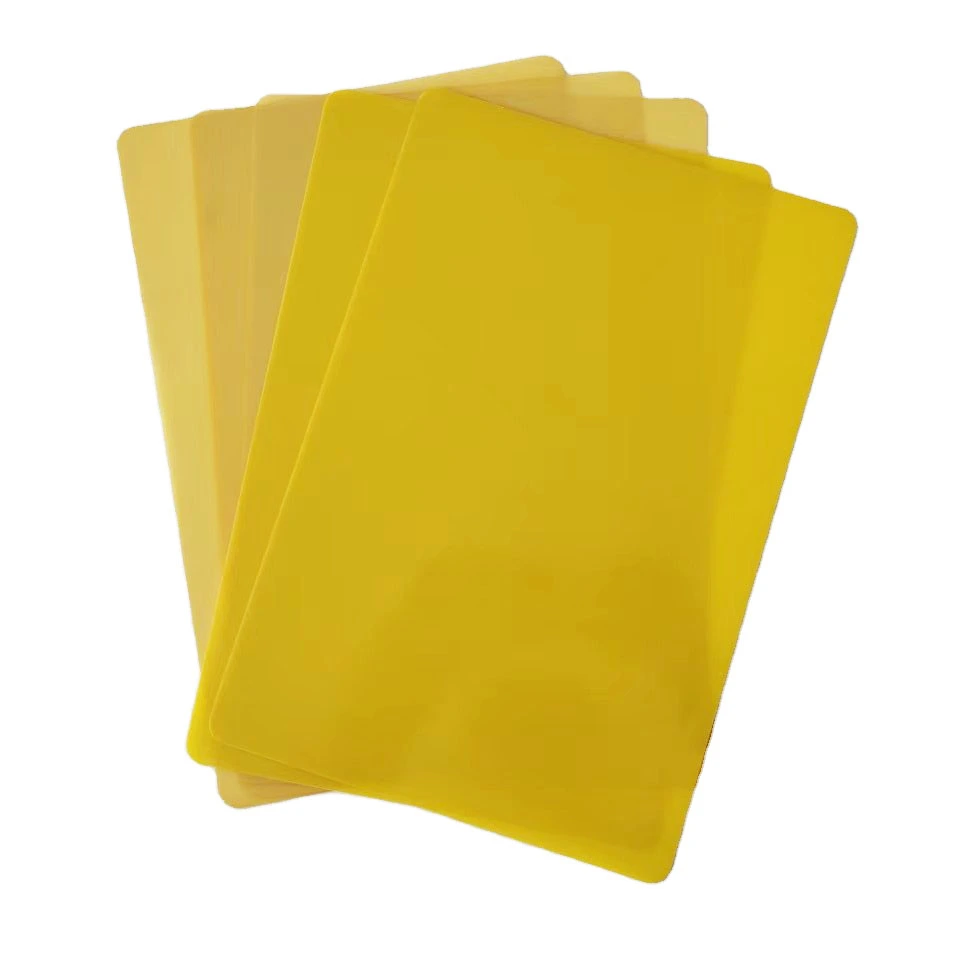
A number of red flags point to poor material quality. Too much resin bleeding during cutting means that the resin hasn't fully cured or that the resin-to-glass ratio is off. Delamination between layers during regular cutting operations shows that the bonding isn't good because there wasn't enough pressure during lamination. Color differences between sheets could mean that the glue isn't distributed evenly or that there is contamination. The appearance of surface fiber bloom is a sign of UV damage or bad storing conditions. Suppliers who can't give you detailed technical data sheets or test records from a third party don't have the quality infrastructure needed for tough industrial uses. A material cost that is much lower than the market average usually means that the raw materials aren't up to par or that the production process isn't working right, which raises the total cost of ownership through failure rates and extra work.
Tough quality control keeps operations running smoothly and eliminates safety risks. Before making big purchases, it's important to carefully check out suppliers.
What Are the Critical Procurement Criteria When Buying Epoxy Sheets?
Buying choices include more than just unit price; they also include total value supply. When engineering managers choose insulation material sources for epoxy sheets, they have to think about a lot of different things.
Application-Specific Requirements Drive Material Selection
For small-batch OEM production, the minimum order quantity needs to be flexible, and the width can be changed to fit the needs. For complicated shapes, electronics development teams need CNC machining services and quick-turn sample tools. Large-scale industrial deployments put an emphasis on batch quality that stays the same across multiple shipping plans that span months. For automatic assembly to work, makers of automotive parts expect precise tolerances of less than 0.05 mm. For regulatory audits, companies that make power tools need to have certified compliance paperwork that can be linked to particular lots of materials. Knowing these application-specific needs helps buyers clearly state their technical needs when reviewing possible sellers.
Balancing Cost, Quality, and Delivery Performance
The cost of materials is only one part of the total cost of acquisition. Premium-grade laminates that cost more per unit often save money in the long run because they are easier to machine, which means fewer tool changes and less waste. Availability of deliveries affects production schedules; sellers who keep enough goods on hand avoid costly line stops. When managing working capital, payment terms matter. For example, established sellers may offer net-30 or net-60 terms, while unknown sources may require prepayment. When application engineers help choose materials for new products, having technical support skills is very helpful. When demand goes up or design changes mean that orders need to be made quickly, lead time flexibility is important.
Supplier Vetting and Risk Mitigation
Detailed review of suppliers lowers the risks of buying. Audits of manufacturing facilities make sure that the output capabilities match the stated capacities and quality systems. Checking with customers' references shows a company's past success in terms of on-time delivery, consistent quality, and quick response times for technical help. Credit reports check a supplier's financial security to make sure they can keep running during business cycles. Diversifying geographically across multiple providers lowers the risks of being dependent on a single source. Long-term supply deals that promise a certain amount of goods usually get better prices and faster distribution when materials are in short supply. Suppliers with more than 20 years of production experience and well-established logistics skills offer operating security that newcomers to the market can't match.
Strategic methods to purchasing know that partnerships with suppliers that are based on openness and shared quality standards give businesses a competitive edge by ensuring they always have the materials they need to keep production going.
How Do Epoxy Sheets Compare to Alternative Materials in Industrial Applications?
To choose the right material, you need to know how the different choices affect efficiency. In industrial settings, how do epoxy sheets stack up against other materials? To choose the right material, you need to know how the different choices affect efficiency. When other options aren't available, epoxy laminates fill a unique need.
Epoxy Laminates versus Phenolic Paper Composites
Phenolic resin systems that are attached to paper surfaces have lower material costs, but they don't work as well in harsh conditions. Phenolic laminates can take more than 1% of their weight in water per day, which causes them to swell and cause problems with assembly tolerances. Their mechanical strength drops a lot when it's hot outside, so they can't be used outside. Moisture absorption lowers the dielectric strength and raises leaking currents, which are bad for electrical qualities. Glass-reinforced epoxy materials keep their properties fixed even when they are exposed to humidity. This makes them better for naval electronics and uses that need to work in tropical climates. The ability to fight moisture is reason enough to pay more for it in situations where dependability cannot be compromised.
Performance Comparison with Thermoplastic Alternatives
At reasonable prices, polyester and polyurethane resins are resistant to chemicals and have good mechanical qualities. But thermoplastics get softer over time as the temperature rises, so they can only be used continuously at temperatures between 80°C and 100°C. Epoxy thermoset systems stay stable in size and have mechanical strength close to 150°C, which is important for motor insulation and high-temperature fixings. Because thermoplastics have higher thermal expansion factors, they don't fit as well when the temperature changes. Because they don't conduct electricity well, they can't be used for high-voltage shielding. Even though they cost more, epoxy laminates are better than thermoplastic options because they have better electrical performance, heat longevity, and dimensional stability.
Material Selection Based on Application Requirements
Glass epoxy types like G10 are needed in aerospace uses that need to work in cryogenic temperatures and have the highest strength-to-weight ratios. Class H insulation materials, like EPGC308, are needed for electrical equipment that works at high temperatures. Standard FR4 grades are used by consumer gadgets that need to balance efficiency and price. Reinforced epoxy laminates are good for industrial gear that has to deal with mechanical loads and chemical contact. Each type of material solves a different problem. To get the best performance and value for money, procurement workers match the material's skills to the needs of the application.
Knowing these differences keeps you from applying them in the wrong way, which can cause early mistakes and costly redesigns during the creation cycle of a product.
What Safety and Environmental Considerations Should Guide Your Epoxy Sheet Procurement?
Along with professional success, responsible procurement includes things like worker safety and taking care of the environment when you buy epoxy sheets.
Material Handling and Machining Safety Protocols
When you cut and drill on glass-reinforced laminates, they make gritty dust. Fiberglass bits can make breathing difficult and damage common cutting tools. To keep the quality of the edge and stop early wear, machining processes need tools with carbide or diamond tips. Dust filtration systems must catch particles where they come from, keeping workers safe from breathing them in. Personal protective equipment, like respirators, safety glasses, and protected clothes, keeps your skin and eyes from getting hurt. When fabrication rooms have enough ventilation, the air quality stays below the standards for work exposure. When suppliers give customers specific safety data sheets, they can use those sheets to make sure they follow OSHA-required handling steps.
Environmental Impact and Sustainable Practices
Emissions of volatile organic compounds from factories hurt both the health of workers and the air quality. Responsible makers use VOC catch systems to keep atmospheric leaks to a minimum. When materials are RoHS-compliant, harmful chemicals like lead and hexavalent chromium are taken out of the mix. Getting rid of thermoset materials at the end of their useful life is important because they can't be remelted and recycled like thermoplastics can. Specialized waste management rules make sure that trash is thrown away in the right way so that the earth is not harmed. Getting ISO 14001 environmental management approval is a sign that a supplier is committed to running a healthy business. To help companies reach their sustainability goals, procurement teams should give more weight to sellers with clear environmental records and reports.
Regulatory Compliance and Documentation Requirements
UL certification lets you know that the materials you're using are safe for electricity uses. Fire safety claims are checked by flame resistance tests according to UL94 guidelines. International standards, such as IEC 60893 and DIN 7735, make sure that materials are the same in all places around the world. Maintaining detailed compliance paperwork by suppliers makes it easier for customers to qualify and for regulators to do checks. Traceability tools that connect test results to specific runs of production make it possible to act quickly during quality investigations. Specifications for purchases should clearly say that approved compliance paperwork must match the given materials. This would make it clear who is responsible for making sure that regulations are followed.
Taking safety and the environment into account when making purchases saves workers, helps companies reach their social responsibility goals, and lowers the risks that come from regulations.
Conclusion
To buy epoxy sheets successfully, you need to find a mix between technical requirements, the supplier's skills, cost, and safety needs. When engineering managers ask specific questions about material grades, performance tests, certifications, and the dependability of suppliers, they can make choices that protect operations. Knowing the differences between FR4, G10, and specific types like EPGC308 makes sure that the material can be used in a variety of situations. Failures that cost a lot of money can be avoided by doing strict quality checks like approved testing and batch consistency checks. Thoroughly checking out suppliers builds relationships that provide reliable materials that meet production needs. Safety rules and caring for the environment show that procurement professionals are skilled and in line with company standards. When you think about these things together, buying goods becomes smart sourcing that gives you a competitive edge.
FAQ
What is the difference between G10 and FR4 epoxy materials?
The base of both materials is made of the same glass cloth and epoxy glue. UL94 V-0 standards say that FR4 can put out fires on its own because it has bromine-based flame retardants, but G10 does not. Most of the time, FR4 can be used instead of G10, but G10 can't be used instead of FR4 where fire safety approval is required. Most current sources offer G10/FR4 epoxy sheets that are dual-rated and meet both requirements.
Can epoxy laminates be machined with standard equipment?
Because they are reinforced with glass, these materials are very rough on standard tools. Cutting tools with carbide or diamond tips are needed to keep limits on dimensions and stop edges from delaminating. When dust extraction is done right, fiberglass particles are kept away from both people and machines. When you try to machine with standard steel tools, they wear out quickly and don't cut well.
How do storage conditions affect material shelf life?
Epoxy laminates that have been cured and kept flat in controlled settings below 25°C with humidity below 60% will always keep their features. For PCB manufacturing, pre-preg materials and copper-clad laminates need to be stored at a controlled temperature and must be used within six to twelve months of being stored to ensure they can be soldered. UV breakdown shows up as surface resin loss and fiber bloom when exposed to direct sunlight.
Partner with J&Q for Reliable Epoxy Sheet Solutions
With more than 20 years of experience, J&Q makes high-performance insulation products that meet quality standards around the world. With more than ten years of experience in international trade, we are reliable providers of epoxy sheets who know how to meet the needs of international buyers. We keep a close eye on quality by using certified testing methods that make sure every batch works the same way for tough uses. Our combined logistics services make it easy to work with just one company from placing an order to delivering it, so you don't have to worry about coordinating with several different partners. Our technical team can help you choose the right material for your needs, whether you need FR4 for electronics, G10 for mechanical uses, or EPGC308 for high-temperature power tools. Email info@jhd-material.com right now to get examples, detailed specs, and quotes that are made to fit your business needs.
References
National Electrical Manufacturers Association. (2019). NEMA Standards Publication LI 1-2019: Industrial Laminated Thermosetting Products. Rosslyn: NEMA.
Harper, C.A. (2006). Handbook of Plastics, Elastomers, and Composites (4th ed.). New York: McGraw-Hill Professional.
Blythe, T. & Bloor, D. (2005). Electrical Properties of Polymers (2nd ed.). Cambridge: Cambridge University Press.
Lubin, G. & Peters, S.T. (1998). Handbook of Composites (2nd ed.). Boston: Springer.
IPC Association Connecting Electronics Industries. (2016). IPC-4101E: Specification for Base Materials for Rigid and Multilayer Printed Boards. Bannockburn: IPC.
Underwriters Laboratories. (2018). UL 94: Standard for Safety of Flammability of Plastic Materials for Parts in Devices and Appliances. Northbrook: UL LLC.