
Epoxy Resin Sheet Selection: From Specs to Application
2026-06-05 17:23:52
To choose the right epoxy resin sheet, you need to know both the material's specs and the needs of the real world. These engineered materials are used in a wide range of manufacturing applications, from high-voltage switches to precision PCB bases. They offer electrical insulation, mechanical strength, and thermal stability. Whether you're looking for FR4 boards for circuit boards or 3240 epoxy resin sheets for transformer parts, making sure that the qualities of the materials match the needs of the job has a direct impact on how well the equipment works and how long it lasts.
Understanding Epoxy Resin Sheets: Properties and Benefits
What Makes Epoxy Laminates Different from Standard Plastics?
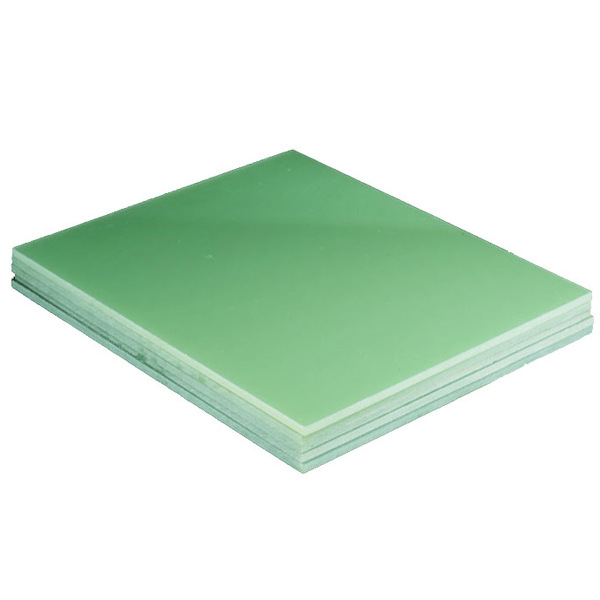
Epoxy resin sheets are made of weaving glass fabric or cotton cloth that has been heated and pressed to soak up epoxy resin. In addition to being very stiff, this composite structure also has electrical insulating qualities that unreinforced plastics cannot match. The glass support in FR4 types gives the material a tensile strength of more than 400 MPa, and the epoxy matrix is resistant to chemicals like oils, solvents, and cleaning agents that are common in industrial settings. Epoxy resin sheets stay the same size even when the temperature changes from -40°C to 155°C in Class F insulation systems. This is different from plastic sheets that break when they are hit or fiberglass that separates when it gets wet. The cross-linked molecular structure naturally avoids creep deformation under long-term mechanical loads. This is a key benefit when making motor slot wedges or high-pressure clamp plates that don't lose their shape after years of vibrational stress.
Core Physical and Electrical Parameters That Matter
When analyzing epoxy resin sheet grades, procurement professionals look at three performance factors. Safe voltage gaps in busbar supports and arc barriers are set by the dielectric strength, which is tested at 10–16 kV/mm in oil immersion studies. Higher values let profiles be thinner, which lowers the weight of the unit in electrical enclosures with limited room. Flexural strength above 340 MPa makes sure that structural parts like test bracket bases won't bend when CNC machines are used or when PCBs are being made and clamp pressure is applied. Thermal conductivity stays low on purpose at 0.3–0.4 W/mK to protect electronic parts that are easily damaged by heat during wave soldering processes. The highest temperature at which the material can be used is called its glass transition temperature (Tg). Standard FR4 softens around 130°C, but high-Tg versions stay stiff above 170°C, which is important for car underhood uses where temperatures regularly exceed 120°C. Flame resistance certifications (UL94 V-0 grade) show that the fire goes out on its own within ten seconds of being lit. This meets safety standards for housings for electronics and power distribution panels in business buildings.
How Thickness Variations Impact Functional Performance?
The ability of an epoxy resin sheet to isolate electricity and its hardness are directly related to its thickness. For applications that need voltage barriers above 5 kV, the minimum thickness is usually 3 mm to stop electrical tracking. PCB boards usually use 0.4-1.6 mm profiles to balance insulation with total device density. When bending moments need a higher section modulus, thicker sections (6–15 mm) are used as load-bearing structural parts in motor end plates or robotic arm insulators. As the thickness goes up, manufacturing tolerances get tighter. Precision-grade material has a holding range of ±0.05mm across the whole sheet, which is very important for automatic assembly equipment that gets stuck when it's not lined up correctly. Thinner gauges can be machined more quickly and with less tool wear, but they are less resistant to impact. Thicker sections are better at resisting chipping during drills, but they make more heat during CNC routing, so they need carbide tools and good chip drainage. When engineering teams understand these trade-offs, they can set the best thickness ranges that meet both electrical code requirements and mechanical design requirements without setting material costs too high.
How to Choose the Right Epoxy Resin Sheet for Your Needs?
Matching Material Grades to Operating Environments
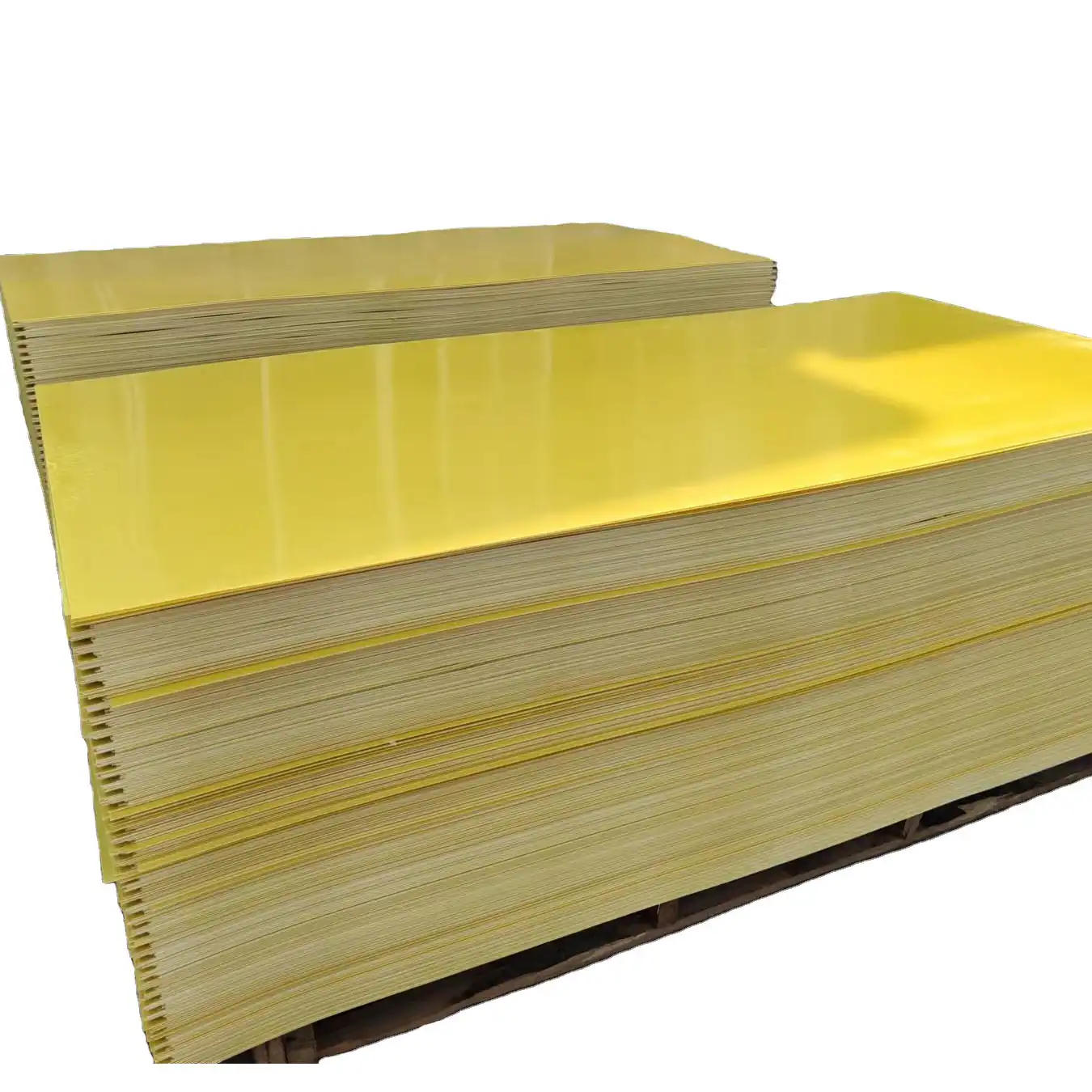
Different kinds of epoxy resin sheets are needed in industrial settings. For outdoor switchgear installations, you need UV-stable formulations that keep the surface from chalking up after long periods of sunlight exposure. For marine uses, you need moisture-resistant types that absorb less than 0.1% water to keep the dielectric from breaking down in humid conditions. Standard FR4 is good for indoor electrical panels because it strikes a good mix between cost and flame protection for rooms with controlled ventilation. Automotive battery pack barriers need to be able to handle temperature changes from -30°C to 80°C without micro-cracking. This means they need to be made of high-Tg materials with better impact breakers. Manufacturers of transformers require oil-resistant 3240 epoxy resin sheets that have been tested for being submerged in mineral oil at high temperatures. This makes sure that the insulation resistance stays above 10^13 ohms even after years of use. Chemical processing plants need grades that can stand up to acidic vapors and alkaline cleaners. This is proven by tests that model five years of exposure to heavy chemical atmospheres.
Evaluating Supplier Certifications and Quality Systems
Verifiable quality paperwork is needed for reliable epoxy resin sheet sources. Manufacturers who are ISO 9001-certified keep track of batches that go from raw material lots to production runs of finished sheets. This lets them figure out what went wrong if something goes wrong in the field. UL recognition means that materials have been tested independently to make sure they meet flammability standards. This is needed by law for consumer gadgets to enter regulated markets. RoHS compliance certifications make sure that banned heavy metals like lead and cadmium are not present. This is required for gadgets sold in Europe and North America. Teams in charge of buying things make sure that sellers give them material data sheets that show real test results, not just sets of values, for things like dielectric strength, flexural modulus, and water absorption that are based on production samples. Manufacturers who provide physical inspection reports with caliper measures across multiple sheet locations show that they care about thickness consistency, which lowers the amount of scrap during automatic machining operations. Having access to technical support teams that can suggest grade swaps when specs don't match up with what's in stock keeps projects from being held up by materials that aren't available.
Customization Options Beyond Standard Sheet Sizes
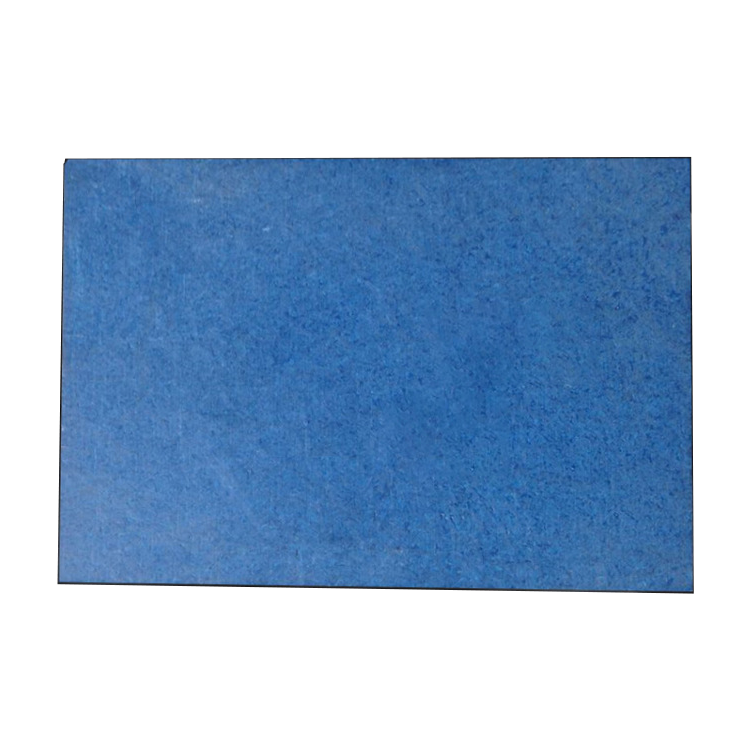
Standard epoxy resin sheet sizes are based on industry standards. For example, 1000x2000mm panels are best for large-scale cutting processes, while 500x1000mm sizes save material when making smaller parts. Custom cutting services get rid of the need for in-house saw operations, providing parts in the right shape with edges that aren't delaminated from bad tools. CNC pre-machining of mounting holes, slots, and curves turns raw sheets into drop-in parts that are ready to be put together on an assembly line. This is especially helpful when the cost of work is higher than the cost of materials. Customizing the colors with pigmented resins helps with visible quality control. For example, black sheets help show the insulation layers in multi-component systems, while natural amber tones show the standard FR4 substrates. There are different levels of thickness tolerances, such as industrial grade (±0.2mm), precision grade (±0.1mm), and ultra-precision (±0.05mm). Each comes with a higher price tag, but it is worth it when tight tolerances stop automated assembly from having to be redone. Different suppliers have different minimum order numbers. Well-known distributors usually keep small amounts of common grades in stock, but direct factory orders need large commitments to cover the costs of setting up tools for non-standard specs.
Practical Uses and Application-Specific Recommendations
FR4 Epoxy Boards in Electronics Manufacturing
FR4 is the basic epoxy resin sheet that is used to make circuit boards. The substance supports the structure and acts as a dielectric layer between the copper lines that carry electricity. Wave solder boards made from FR4 keep sensitive parts from coming into direct touch with molten solder while PCBs are being put together. The low thermal conductivity makes a thermal shield that keeps plastic joints and integrated circuits from getting damaged by heat. FR4 is used to make drilling templates and probe positioning jigs by companies that make test fixtures because it is stiff and keeps its micron-level positioning accuracy over thousands of test cycles. The material is better at resisting wear from test tools that are loaded with springs than metal fixtures, which dimple when they are hit over and over again. Electronics repair workers use FR4 sheets as heat-resistant work surfaces during rework. The non-conductive surface keeps unexpected shorts from happening and protects against damage from soldering iron tips that would melt regular plastic mats.
3240 Epoxy Sheets in Power Transmission Equipment
Transformer makers make coil separators and tap switch parts out of 3240 grade epoxy resin sheets that are specially made to be submerged in oil. The material keeps its ability to insulate electricity even after being soaked in transformer oil for years at temperatures as high as 155°C. Arc shields made from 3240 sheets stop flashover between high-voltage connections during switching transients. This keeps people and equipment safe from electrical problems. Builders of generators use epoxy resin sheet-cut slot pieces to hold the armature windings in place during high-speed spinning against centrifugal forces. The mechanical strength of the material stops wedge creep, which would let the windings move and the insulation wear down, which would eventually cause short circuits. Switchgear boxes have epoxy resin phase barriers that separate the voltage between three-phase busbars and offer better resistance to arc-tracking than porcelain insulators, which can break when hit by a hard object.
Industrial Machinery Applications Requiring Wear Resistance
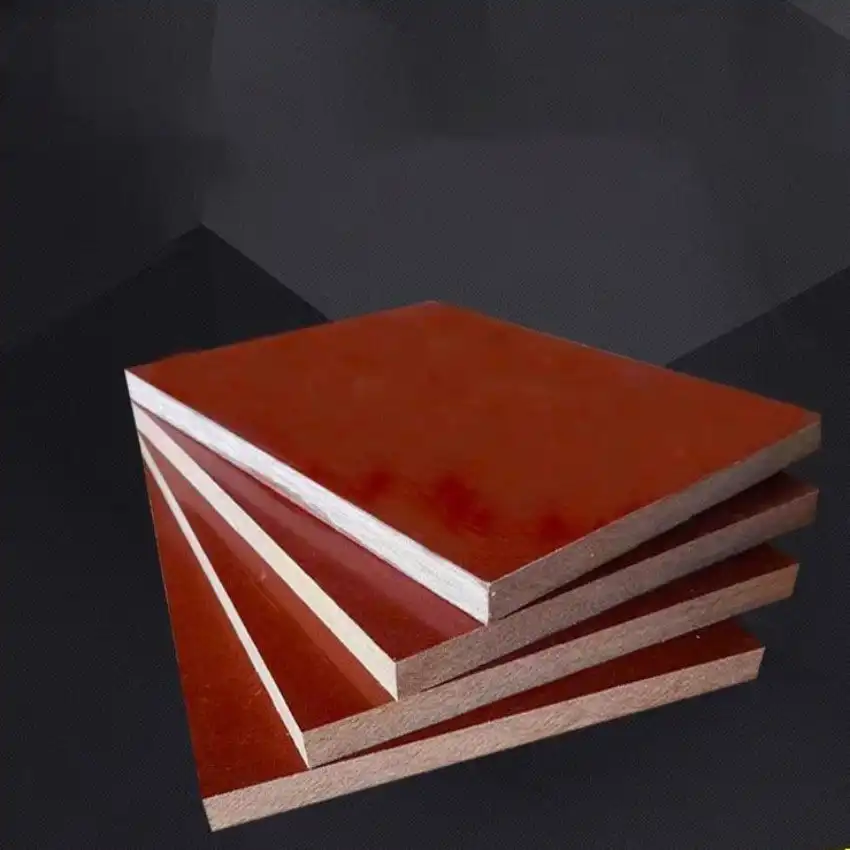
For parts that will last through mechanical wear, machinery builders choose phenolic cotton laminates and glass epoxy resin sheets. Wear strips and guide rails for conveyor systems are made from epoxy resin sheets, which last longer than ultra-high molecular weight polyethylene in dusty settings. Because the material is so hard, metal edges that run across guide surfaces while the product is being moved won't gouge it. Manufacturers of robotic arms use epoxy resin sheets to make electrical isolation spacers between motor housings and mounting frames. These sheets separate the dielectric and keep the structure rigid so that mounting loads are transmitted without deformation. Equipment used for packaging has timing gears and cam followers made from glass epoxy resin sheets. These work more quietly than metal parts and don't need to be oiled, which could get food dirty. Self-lubricating features cut down on repair times in automated production lines where the cost of downtime is higher than the cost of the materials themselves.
Sourcing and Procurement: How to Buy Epoxy Resin Sheets
Identifying Qualified Material Suppliers
Effective buying of any epoxy resin sheet starts with evaluating suppliers in a way that goes beyond just comparing prices. Manufacturers who can make their own resins can change the qualities of materials to fit the needs of different applications. For example, they might change the amount of filler used, the chemistry of the resin, or the patterns of the reinforcement weaves to get the best performance. Integrated production facilities that handle everything from getting the raw materials to pressing the last sheet make sure that each batch is the same. This is very important for automatic cutting operations that assume the material density is the same. Standard grade stocks kept by suppliers allow for quick-turn orders for prototype development and emergency replacement parts. Custom formulation, on the other hand, needs lead times to account for resin curing plans and press capacity allocation. When certain grades can't get the materials they need, clear communication about material replacements shows a partnership approach instead of transactional relationships that leave sellers scrambling for alternatives during production problems.
Wholesale and Bulk Purchasing Strategies
When you make a volume promise for epoxy resin sheets, you can get better prices and more security. Annual purchase deals with promised tonnage make sure that materials will be available even when the industry as a whole is short on supplies. They also protect good prices that don't change with the spot market. With consignment inventory programs, material owned by suppliers is sent to buyer facilities. This frees up capital that would have been used to store raw materials and allows for quick production access. Just-in-time delivery plans that are in sync with production expectations cut down on the need for warehouse room and the cost of keeping supplies. When purchasing unions pool demand from many buyers, they can get bulk discounts that individual companies can't get. They also spread sourcing risk across a wide range of end markets. Material testing procedures that compare the properties of arriving shipments to the specifications listed in the purchase order keep production from stopping when batches that don't match the specifications enter the machining operations.
Value-Added Services That Reduce Total Cost of Ownership
Giving epoxy resin sheet samples lets people test materials in real work settings before committing to large quantities. Thermal cycle tests for physical stability, machining test pieces to check tool life, and electrical breakdown tests to make sure the material is right for the job. Custom packaging lowers damage from handling. Moisture barrier wrapping stops water from absorbing during shipping, and cardboard layer pads between sheets stop surface scratching that causes CNC tools to buzz. Technical paperwork, such as suggestions for cutting parameters, drill bit specs, and coolant compatibility guides, speeds up the setup process for production. This is especially helpful when adding new types of material to existing production processes. Overnight shipping choices help keep the supply chain running smoothly. For example, air freight fees are a good way to save money when you don't have to shut down production lines, which can cost a lot of money in lost wages and fines for missing deliveries.
Comparison Insights: Epoxy Resin Sheet vs Alternative Materials
Performance Benchmarking Against Competing Materials
Epoxy resin sheets work better than acrylic sheets in situations where they need to be resistant to pressure and keep their temperature stable. Acrylic is clearer than glass, but it breaks when it comes to mechanical shocks, which epoxy resin sheets can handle without any problems. While both polycarbonate and epoxy resin sheets are resistant to contact, polycarbonate softens above 110°C while epoxy stays stiff up to 155°C. While phenolic sheets offer similar electrical insulation at a lower cost, they are not strong enough for use in structure load-bearing uses. Ceramic-filled composites can withstand higher temperatures, but they are harder to work with because they need diamond tools and can only be drilled at a tenth of the speed of glass epoxy resin sheets. While aluminum's ability to carry heat is useful in heat sink uses, it also conducts electricity, which means that extra insulation layers are needed, which epoxy resin sheets don't need. Choosing the right material is a balancing act between different needs; there is no one answer that improves all performance factors at the same time.
Grade Variations Within Epoxy Laminate Families
Flame-retardant glass epoxy resin sheets that meet UL94 V-0 standards for flammability are called FR4. G10 is the same construction but without bromine flame retardants, which has slightly better electrical qualities where fire codes allow materials that aren't flame-retardant. G11 changes the base resin to higher temperature formulations that raise the service limits to 180°C. These formulations are good for lead-free soldering methods that hit 260°C at their highest point. FR4 has a tighter weave pattern that is better for PCB uses, while 3240 calls for woven glass cloth reinforcement that is best for oil absorption. Cotton phenolic laminates can be used instead of glass cloth as a fabric reinforcement. They are cheaper and still have enough mechanical strength for low-voltage uses that don't need the better electrical qualities of glass epoxy resin sheets. By understanding these differences, you can avoid specifying too many expensive grades when normal materials will do the job or, on the other hand, specifying too few grades that fail too soon under operating stresses.
Conclusion
A good material selection combines technical requirements with the needs of the application and the facts of procurement. Epoxy resin sheets offer unbeatable electrical insulation, mechanical strength, and temperature stability in a wide range of businesses, from electronics to heavy electrical equipment. Understanding the differences between grades, checking the capabilities of suppliers, and matching material qualities to working conditions are all things that can be done to make sure that a component works reliably for its entire service life. Strategies for buying things that focus on relationships with suppliers, quality standards, and services that add value lower the total cost of ownership, which goes beyond the price of the materials themselves. We've listed the most important things that engineers and buyers need to know in order to confidently choose the right grades.
FAQ
What differentiates FR4 from standard G10 epoxy boards?
FR4 incorporates bromine-based flame retardants achieving UL94 V-0 self-extinguishing ratings required by electrical safety codes, while G10 uses identical glass-epoxy construction without flame retardants. Both deliver comparable mechanical strength and dielectric properties, yet FR4 remains mandatory for consumer electronics and building electrical systems where fire safety regulations apply.
Can epoxy laminates be machined with conventional metalworking equipment?
Glass fiber reinforcement rapidly dulls standard steel cutting tools. Carbide or diamond-coated tooling extends tool life while maintaining dimensional accuracy. Proper dust collection systems are essential—airborne glass fibers pose respiratory hazards requiring ventilation meeting industrial hygiene standards.
How does moisture affect electrical performance?
Quality epoxy laminates absorb less than 0.1% moisture by weight, maintaining insulation resistance above specification limits. High-frequency applications sensitive to dielectric constant shifts require storage in humidity-controlled environments preventing even microscopic moisture infiltration that alters signal propagation characteristics.
What does high-Tg specification indicate?
Glass transition temperature defines the point where epoxy resin softens, losing mechanical rigidity. Standard FR4 transitions near 130°C, while high-Tg grades maintain stiffness past 170°C. Automotive underhood components and lead-free soldering applications demand high-Tg materials preventing dimensional changes at elevated operating temperatures.
Partner With J&Q for Reliable Epoxy Laminate Solutions
J&Q has been making insulation materials for more than 20 years and has a full supply chain that can handle the most difficult industry needs. Our factories use ISO 9001 quality systems to make sure that each batch of FR4 sheets, 3240 epoxy boards, and special types that meet UL and RoHS standards is the same. Engineering managers can get expert advice on how to match the right material standards to the right application needs. This can be done for anything from figuring out the best thickness tolerances for precision machining to defining the dielectric strength for high-voltage barriers. Our integrated logistics network brings goods that are combined, which cuts down on freight costs while keeping delivery reliability, which is important for just-in-time production plans. Contact info@jhd-material.com to get material samples, talk about special formulations, or get quotes from an experienced epoxy resin sheet provider that wants to help your business succeed by providing quick service and high-quality products.
References
Harper, C.A. (2006). Electronic Materials and Processes Handbook. McGraw-Hill Professional Engineering.
Mazur, J. & Włodarski, M. (2019). "Characterization of Epoxy-Glass Laminates for High-Voltage Insulation Systems." IEEE Transactions on Dielectrics and Electrical Insulation, 26(4), 1247-1254.
National Electrical Manufacturers Association. (2018). Industrial Laminated Thermosetting Products: NEMA LI 1-1998 (R2018). NEMA Standards Publication.
Tanaka, T. & Imai, T. (2013). "Advances in Nanodielectric Materials Over the Past 50 Years." IEEE Electrical Insulation Magazine, 29(1), 10-23.
Underwriters Laboratories. (2017). UL 94: Standard for Safety of Flammability of Plastic Materials for Parts in Devices and Appliances. UL LLC.
Wu, S. & Ladizesky, N.H. (2005). "Characterizing the Mechanical Properties of Glass Fiber Reinforced Composites for High Temperature Applications." Composites Science and Technology, 65(7-8), 1195-1203.
_1764832200426.jpg)
