Electrical Insulation Reliability of 3240 Epoxy Board
2026-01-19 16:43:47
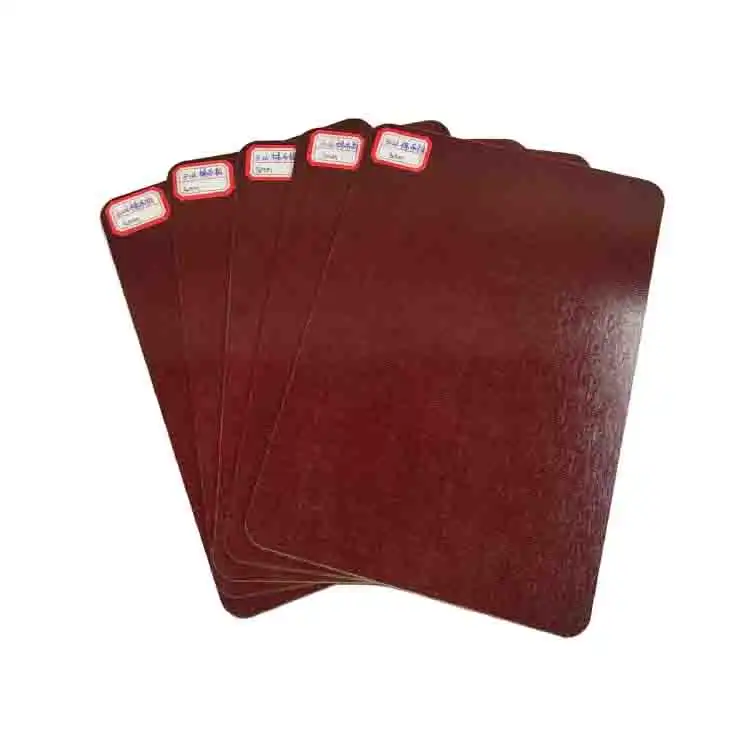
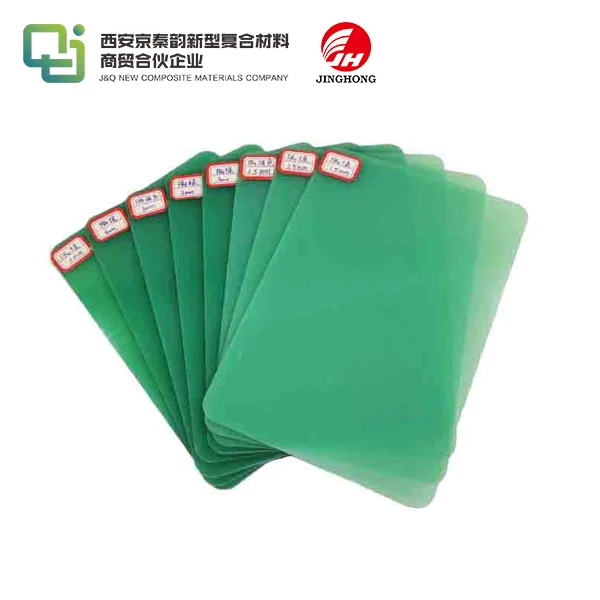
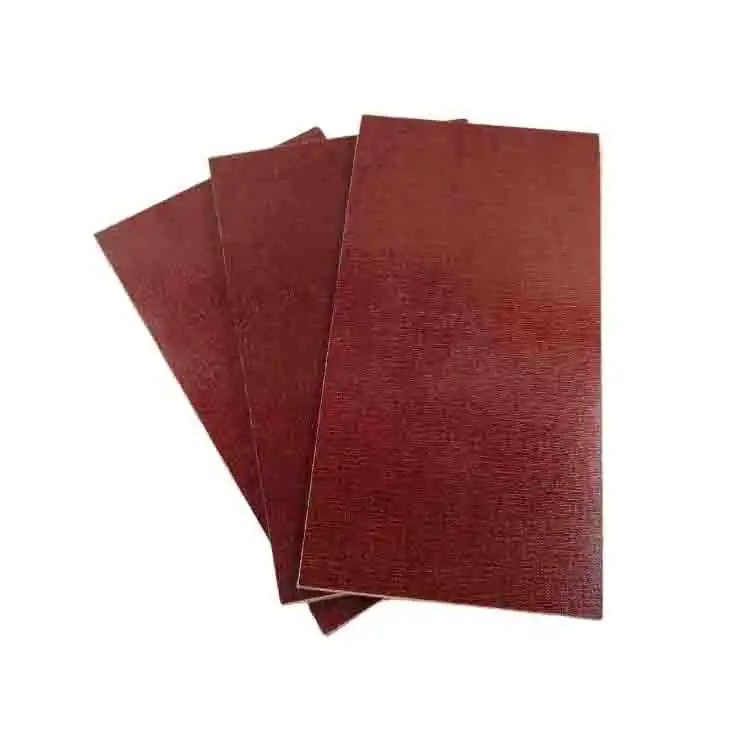
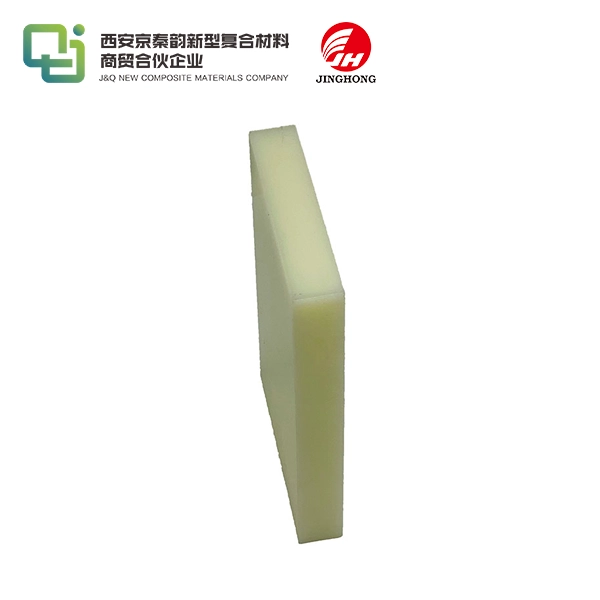
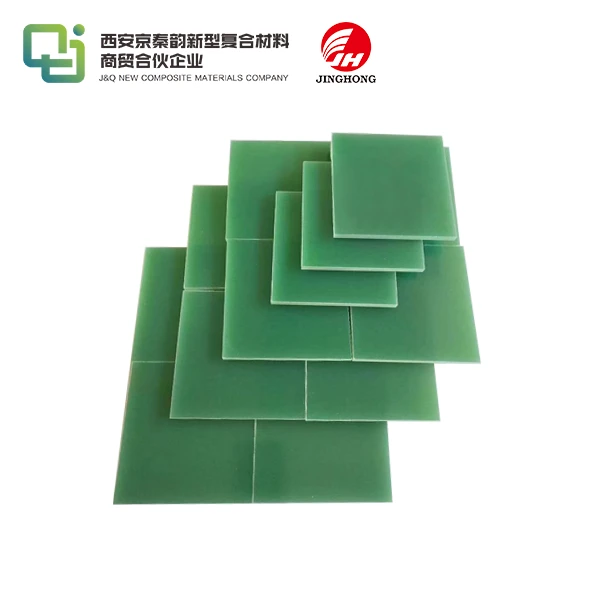
A key component of contemporary electrical and electronic manufacturing is the electrical insulation dependability of 3240 epoxy board. This glass cloth laminate is perfect for crucial insulation applications because it has outstanding mechanical strength and high dielectric qualities. In tough industrial situations where electrical safety is crucial, the 3240 epoxy board ensures dependable operation by maintaining consistent performance despite temperature changes and offering superior electrical isolation in high-voltage conditions.
Understanding Electrical Insulation Reliability of 3240 Epoxy Board
3240 epoxy board's distinctive material composition and engineering qualities form the basis of its electrical insulation dependability. The remarkable performance properties of this glass cloth epoxy laminate make it an essential component of contemporary electrical applications.
Material Composition and Core Properties
The 3240 epoxy board is a composite material with exceptional mechanical and electrical qualities made of woven glass fabric soaked with epoxy resin. The dielectric strength offered by this structure, which normally ranges from 18 to 25 kV/mm, greatly surpasses the needs of the majority of industrial applications. Even under prolonged electrical stress, there is no leakage current since the volume resistivity rises to values exceeding 10^14 ohm-cm.
Another crucial component of insulating dependability is temperature stability. Over a broad temperature range, usually between -40°C and 155°C, the material retains its electrical characteristics. This thermal stability keeps insulation performance from deteriorating in settings like power distribution equipment and motor assemblies where temperature swings happen often.
Dielectric Performance in Real-World Applications
In real-world applications, 3240 epoxy board's dielectric qualities directly translate into dependable insulating performance. When using this glass cloth laminate instead of other materials, engineering managers frequently claim increased system reliability. In high-frequency applications, the low dissipation factor—typically less than 0.03 at 1MHz - minimizes energy losses and lowers heat generation.
Excellent protection against tracking and surface flashover is offered by surface resistivity values more than 10^12 ohms, which are especially crucial in humid conditions or applications involving contamination. In switchgear applications where ambient conditions change dramatically over the equipment's operational lifespan, this feature is very useful.

Comparative Analysis: 3240 Epoxy Board vs Alternative Materials
Procurement managers may make well-informed decisions that balance performance, cost, and reliability needs by knowing how 3240 epoxy board compares to alternative insulation materials.
Performance Comparison with FR4 and Fiberglass Materials
Although FR4 is still widely used in PCB applications, 3240 epoxy board provides better mechanical qualities for structural insulation needs. In contrast to ordinary FR4 compositions, which have a flexural strength of 310 MPa, the flexural strength of 3240 material usually exceeds 400 MPa. In applications involving vibration, heat cycling, or mechanical stress, this increased mechanical strength is essential.
Long-term dependability is also impacted by the variations in heat conductivity. Thermal conductivity values of 0.3–0.4 W/mK are normal for 3240 epoxy board, which offers good electrical isolation and sufficient heat dissipation. This equilibrium stops hotspots from forming, which over time could jeopardize the integrity of the insulation.
Cost-Effectiveness in Bulk Procurement
When choosing 3240 epoxy board for mass production, manufacturing efficiency considerations show notable benefits. Despite perhaps higher raw material prices, the material's exceptional machinability lowers processing time and tool wear, cutting overall manufacturing costs. The material's reliable cutting properties and low delamination risk are advantageous to CNC machining operations.
Another benefit of procurement is supply chain stability. Reliable supply dates and uniform quality standards are upheld by established manufacturers, which lowers the possibility of manufacturing delays brought on by fluctuations in material quality. For OEM applications where consistent performance across production batches is crucial, this dependability proves very beneficial.
Practical Guidance on Using 3240 Epoxy Board in Electrical Insulation Applications
Proper handling, installation, and maintenance procedures are necessary for the successful use of 3240 epoxy board in order to guarantee the component's best possible insulating performance over its operating lifetime.
Machining and Installation Best Practices
Appropriate machining methods avoid stress concentrations that could cause early failure and maintain the material's insulating integrity. The best results are obtained with carbide tooling, which offers precise cuts with little heat stress. To avoid excessive heat accumulation that can harm the epoxy matrix, cutting speeds should stay moderate.
In situations involving chemical exposure or humid environments, edge sealing issues become crucial. Even though 3240 epoxy board has outstanding moisture resistance, long-term dependability in demanding conditions is improved by sealing cut edges with the right compounds. When it comes to outdoor electrical equipment or maritime applications, this approach is especially helpful.
Environmental Considerations and Maintenance
The impacts of temperature cycling must be carefully taken into account during the design stages. Although 3240 epoxy board is capable of withstanding heat stress, appropriate mounting methods take into account the variations in thermal expansion between the metal and insulating components. Encouraging regulated mobility preserves the integrity of the insulation and avoids stress concentration.
Frequent inspection procedures aid in locating possible problems before they jeopardize system dependability. Early detection of emerging issues is possible by visual inspection for surface tracking, discolouration, or mechanical damage. These maintenance procedures prolong component life and guard against unforeseen malfunctions that can affect system performance.
Procurement Insights: Sourcing High-Quality 3240 Epoxy Board for Your Business
In addition to optimizing cost and delivery efficiency, effective procurement techniques guarantee consistent material quality. Procurement managers can find trustworthy suppliers for their insulation material needs by having a thorough understanding of supplier capabilities and market trends.
Supplier Evaluation and Quality Assurance
Although the requirements for quality certification differ depending on the application, most electrical applications require at least UL recognition and RoHS compliance. Prominent suppliers track material qualities during the manufacturing process using extensive quality management systems. For crucial applications, these systems' traceability and consistency are crucial.
Supplier facilities' testing capabilities demonstrate their dedication to quality assurance. Suppliers who have mechanical property testing, thermal analysis tools, and dielectric strength testing equipment show that they can reliably check material standards. This feature lowers the need for incoming inspections and boosts material performance confidence.
Custom Solutions and Technical Support
Optimization for particular applications for 3240 epoxy board is made possible by the availability of bespoke thickness and size options. Numerous vendors provide precision cutting services that guarantee dimensional correctness while doing away with the need for internal machining. Despite higher unit charges, these value-added services can lower the overall cost of ownership.
Superior suppliers can be distinguished from commodity providers by their technical support capabilities. Having access to application engineering support aids in maximizing processing parameters and material selection for particular needs. When creating new goods or modifying current designs for better performance, this knowledge is especially helpful.
Company Introduction and 3240 Epoxy Board Solutions
With more than 20 years of manufacturing experience and more than 10 years of international trading experience, J&Q is a reliable partner in the electrical insulation sector. Our in-depth knowledge of electrical insulation specifications puts us in a unique position to provide precisely built 3240 epoxy board solutions to a variety of industrial markets.
Manufacturing Excellence and Quality Standards
Our production capabilities include the entire spectrum of electrical insulating materials, with a focus on producing 3240 epoxy board. Modern quality control methods provide uniform material qualities in every production batch, satisfying the demanding specifications of global electrical and electronics manufacturers. Comprehensive testing capabilities for mechanical, thermal, and dielectric strength are maintained in our facilities.
Our quality approach still relies heavily on certification compliance. Our products are compatible with worldwide production needs since they meet UL standards and RoHS criteria. These certifications are upheld by frequent audits and continuous improvement initiatives, which also promote constant improvements in manufacturing productivity and quality.
Integrated Supply Chain Solutions
Combining manufacturing know-how with extensive logistics capabilities via our own transportation network gives us a distinct advantage. This integration allows for one-stop service delivery, which guarantees dependable delivery schedules and streamlines procurement procedures for our clients. Superior responsiveness to urgent needs and unique specifications is made possible by the combination of manufacturing control and logistical ownership.
Our market reach is increased while upholding constant service standards through long-term collaborations with both domestic and foreign trading firms. Through these partnerships, we can use our manufacturing experience and quality standards across all customer touchpoints while providing local support in strategic markets.
Conclusion
3240 epoxy board's high material qualities, demonstrated performance in demanding applications, and reliable manufacturing quality are the main reasons for its dependability as electrical insulation. This glass cloth epoxy laminate offers the mechanical, thermal, and electrical qualities needed for vital insulation applications in a variety of sectors. Optimal performance and long-term dependability are guaranteed by appropriate selection, handling, and procurement procedures. 3240 epoxy board continues to offer the dependable insulation base that contemporary technology needs as electrical systems grow more complex and demanding.
FAQs
What electrical specifications should I review before purchasing 3240 epoxy board?
Critical electrical specifications include dielectric strength (typically 18-25 kV/mm), volume resistivity (>10^14 ohm-cm), surface resistivity (>10^12 ohms), and dissipation factor (<0.03 at 1MHz). These parameters directly impact insulation performance and reliability in your specific application.
How does thermal conductivity affect insulation reliability in 3240 epoxy board?
Thermal conductivity of 0.3-0.4 W/mK provides optimal heat dissipation while maintaining excellent electrical isolation. This balance prevents hotspot formation and thermal stress that could compromise insulation integrity, ensuring consistent performance across temperature variations.
Is 3240 epoxy board suitable for high-frequency electronic applications?
Yes, the low dissipation factor and stable dielectric constant make 3240 epoxy board excellent for high-frequency applications. The material maintains consistent electrical properties across frequency ranges, minimizing signal losses and ensuring reliable performance in demanding electronic environments.
Partner with J&Q for Your 3240 Epoxy Board Requirements
Transform your electrical insulation projects with J&Q's premium 3240 epoxy board solutions. Our manufacturing excellence, combined with over 20 years of industry expertise and integrated logistics capabilities, ensures reliable supply of high-quality materials. Contact our technical team at info@jhd-material.com for detailed specifications, custom solutions, and competitive pricing as your trusted 3240 epoxy board supplier.
References
IEEE Standard 930-2004, IEEE Guide for the Statistical Analysis of Electrical Insulation Breakdown Data, Institute of Electrical and Electronics Engineers.
ASTM D149-09, Standard Test Method for Dielectric Breakdown Voltage and Dielectric Strength of Solid Electrical Insulating Materials, American Society for Testing and Materials.
IEC 60893-3-1, Insulating Materials - Industrial Rigid Round Laminated Tubes and Rods of Electrical Insulating Material Based on Thermosetting Resins, International Electrotechnical Commission.
UL 1446, Standard for Systems of Insulating Materials - General, Underwriters Laboratories Inc.
NEMA LI 1-1998, Industrial Laminated Thermosetting Products, National Electrical Manufacturers Association.
IEEE Transactions on Dielectrics and Electrical Insulation, Volume 28, Issue 3, "Thermal Aging Effects on Glass-Epoxy Composite Insulation Systems," Institute of Electrical and Electronics Engineers.