Processing Tips to Improve FR4 Epoxy Board Yield
2026-01-19 16:51:07
In electronics manufacturing, maximizing production efficiency necessitates knowing how to strategically improve processing to increase the yield of FR4 epoxy board. These epoxy laminates reinforced with glass fibers are essential substrates for printed circuit boards used in power systems, industrial machinery, and automobiles. Manufacturers can greatly lower waste rates while raising the overall quality of their boards by putting in place appropriate material handling procedures, optimizing curing settings, and upholding constant environmental controls. Strict quality checkpoints and advanced laminating processes help reduce common flaws like warping and delamination that usually lower yield percentages.
Understanding FR4 Epoxy Board and Its Processing Challenges
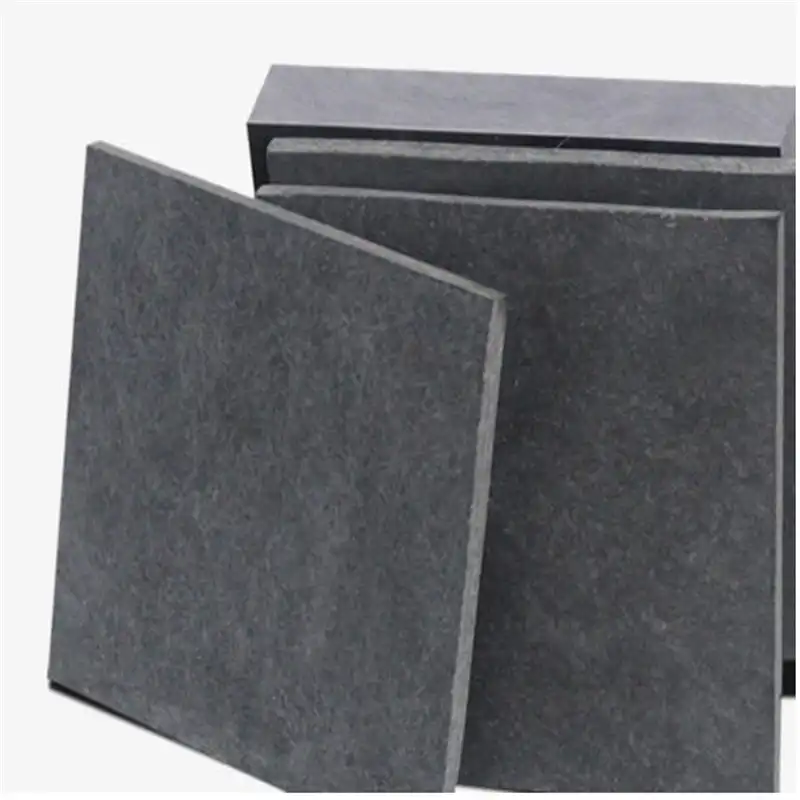
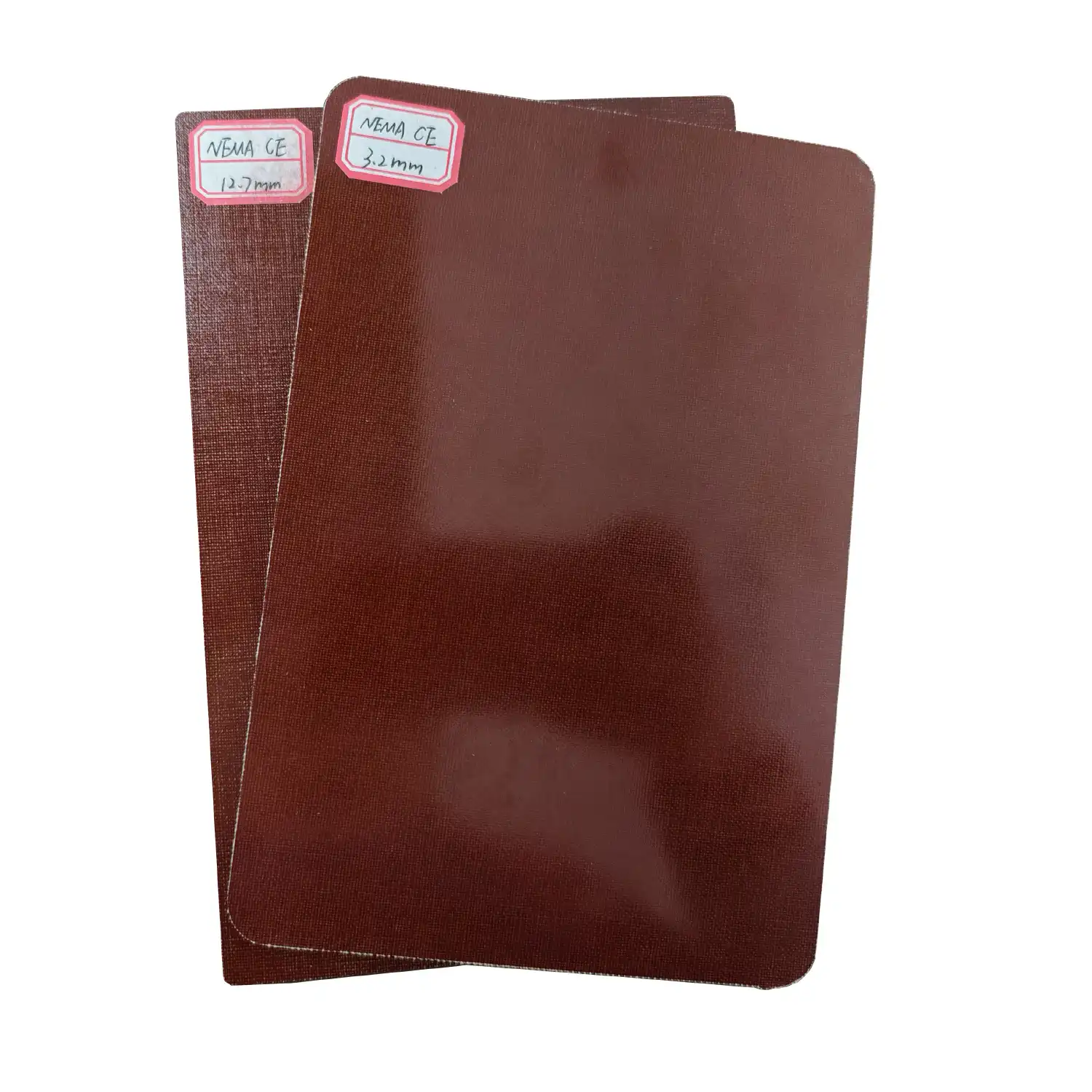
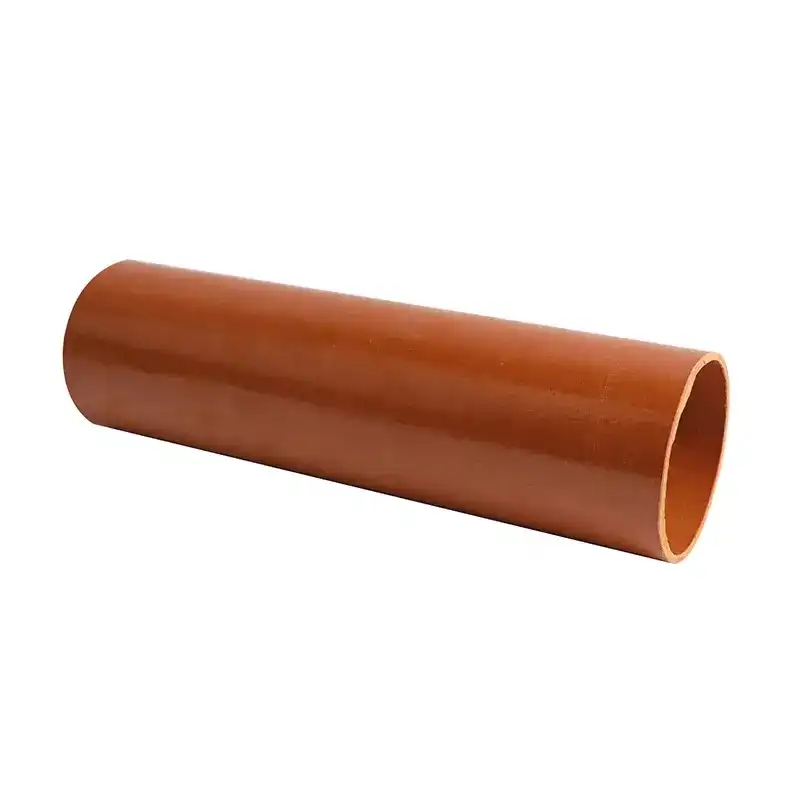
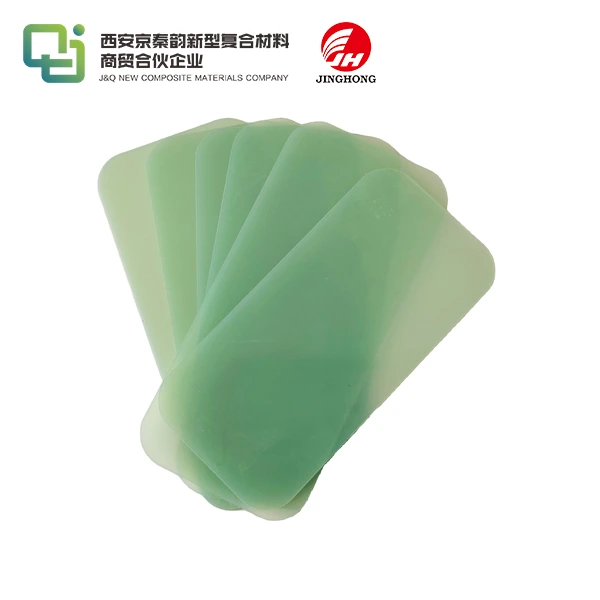
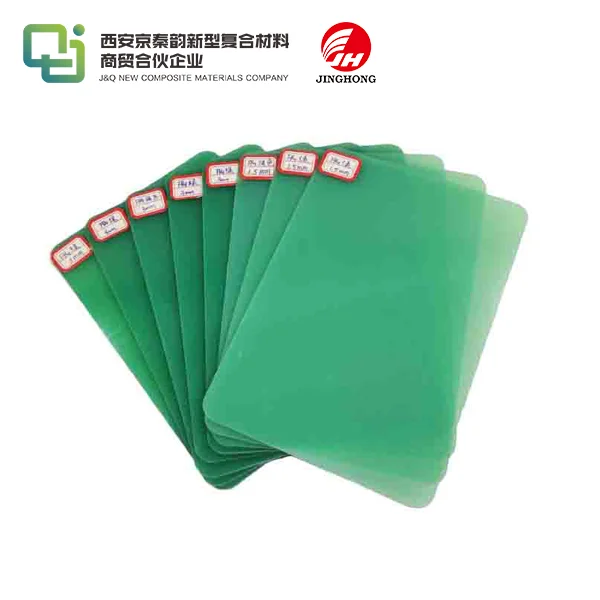
FR4 epoxy boards, which combine flame-retardant epoxy resin and woven fiberglass fabric to make sturdy PCB substrates, are the foundation of contemporary electronics manufacturing. Applications needing exceptional dielectric qualities, mechanical robustness, and thermal stability up to 130°C continuous operation benefit greatly from these composite materials. Flame-resistant grade 4, or "FR4", satisfies UL94 V-0 flammability requirements, which are crucial for safety-critical electronics.
Common Manufacturing Defects and Root Causes
The manufacturing of FR4 presents processing problems due to a number of interrelated factors that impact ultimate yield rates. When there is insufficient connection between the fiberglass layers and the epoxy matrix, delamination happens. This is frequently caused by polluted surfaces or insufficient prepreg activation. Uneven thermal expansion during curing cycles causes warpage, especially when temperature gradients are greater than material tolerances. Electrical performance in high-frequency applications is compromised by uneven dielectric characteristics caused by resin-rich or resin-starved regions.
Environmental factors have a big influence on processing results; for example, humidity levels above 60% cause moisture to be absorbed, which causes voids to occur during lamination. While contamination from handling creates surface imperfections that hinder appropriate adhesion, temperature changes during storage have an impact on prepreg shelf life and flow properties. Procurement teams can set supplier quality standards and put in place receiving inspection procedures that identify material problems before production starts by having a thorough understanding of these failure modes.
Impact on Production Economics
Due to material waste, rework time, and postponed delivery dates, yield losses directly result in higher manufacturing costs. Process optimization is a crucial competitive advantage since industry research shows that every 1% increase in yield can lower overall production costs by 2-3%. To obtain the best cost-performance ratios while adhering to automotive and aerospace quality standards, engineering managers must strike a balance between material specifications and processing parameters.

Core Factors Influencing FR4 Epoxy Board Yield
Careful control of material qualities, processing factors, and equipment performance are necessary to produce epoxy laminate with consistently good yields. Successful manufacture is based on the quality of the raw materials, and full curing and dimensional stability are guaranteed by ideal processing conditions. Programs for equipment calibration and maintenance avoid the unpredictability that causes reject rates to rise above acceptable bounds.
Material Quality and Specification Compliance
Superior quality fiberglass fabric with carefully regulated weave patterns reduces weak spots that lead to mechanical failures and ensures uniform resin distribution. To guarantee predictable flow behavior throughout pressing cycles, epoxy resin formulations must maintain constant viscosity and gel time characteristics across production batches. Peel strength performance is directly impacted by the adhesive characteristics of copper foil, necessitating careful selection depending on the needs of the intended application.
Glass transition temperature, dielectric constant stability, and moisture content criteria should all be confirmed by incoming material inspection procedures. While supplier audits guarantee uniform quality systems across the supply chain, statistical process control techniques assist in identifying material lot differences before they affect production yields. Complete traceability from raw materials through final inspection is required by documentation requirements for applications in the medical and aerospace industries.
Processing Parameter Optimization
Complete resin cure and the least amount of thermal stress for FR4 epoxy board that results in warpage must be balanced in lamination temperature profiles. Applying pressure during pressing cycles guarantees the removal of voids while avoiding resin squeeze-out, which results in variances in thickness. Internal stress development and dimensional stability in completed boards are regulated by cooling rates following cure completion.
During lamination, vacuuming eliminates trapped air that causes gaps that reduce dielectric strength. Hold times at high temperatures provide full crosslinking reactions and guard against deterioration from prolonged exposure to heat. Complex board stackups with different thermal mass distributions that call for adjusted heating profiles can be accommodated by multi-stage cure cycles.
Equipment Calibration and Maintenance
Programs for press calibration confirm that the pressure is distributed evenly throughout the work area and that the temperature is consistent across platens. Frequent maintenance plans guard against vacuum system deterioration, heating element failures, and hydraulic leaks that jeopardize process repeatability. Data logging systems facilitate trend analysis that forecasts equipment servicing needs and offer documentation for quality certifications.
Tooling inspection procedures guarantee that mold surfaces don't sustain any damage or become contaminated, which could affect completed boards. Schedules for replacing release films stop adhesion problems during demolding operations, which lead to surface flaws. Particulate pollution that results in inclusion flaws that impair electrical performance is reduced by clean room procedures.
Proven Processing Tips to Enhance FR4 Epoxy Board Yield
Manufacturing competitiveness is increased through quantifiable yield gains produced by implementing methodical improvements in material handling, process control, and quality assurance. By addressing the most frequent causes of errors, these evidence-based approaches create reliable control systems that sustain steady performance throughout long production runs.
Pre-Production Quality Control Measures
Before processing starts, material conditioning procedures balance temperature and moisture content, removing factors that could lead to erratic curing behavior. Prepreg tack levels are maintained by storage environment controls, which also stop early advancement that could impair flow characteristics. While conserving protective films until they are actually used, handling practices reduce contamination.
Clear flaws like wrinkles, foreign objects, or surface imperfections that could affect final products are found using visual inspection criteria. Before committing materials to manufacturing, electrical testing confirms that insulation resistance and dielectric qualities match specification criteria. Each material lot's sample testing offers statistical assurance that the bulk properties stay within reasonable bounds.
Advanced Lamination Techniques
Customized heating profiles that suit varying board thicknesses and copper covering percentages are made possible by multi-zone temperature control. Air entrapment is removed using vacuum-assisted lamination, which also guarantees full resin flow around conductor patterns. Sequences of pressure ramping maintain close contact between all layers while preventing resin movement.
The choice of release film affects the final boards' dimensional correctness and surface finish quality. Specialized caul plates reduce warpage during cooling cycles while distributing pressure uniformly throughout intricate board geometries. Internal tensions that can result in dimensional instability during later processing processes are relieved by post-cure annealing treatments.
Real-World Case Studies
Within six months of putting extensive material qualification procedures into place, a significant automotive electronics supplier saw a 15% increase in yield. Establishing receiving inspection methods that identified subpar prepreg before to production use, together with operator training programs that standardized handling techniques throughout all shifts, was the key to their success.
To lessen temperature fluctuations during lamination cycles, another electronics company concentrated on process monitoring systems and equipment modifications. They reduced rework time by 25% and increased yield by 12% as a result of their investment in sophisticated press controls and data collecting systems. These outcomes show how methodical methods of process optimization yield quantifiable returns on investment.
Comparing FR4 Epoxy Board with Alternative Materials for Yield and Quality
Choosing the right materials for FR4 epoxy board has a big impact on processing yield and final product performance in a variety of electronics applications. Because of its balanced property profile and manufacturability qualities, FR4 continues to be the favored option for the majority of commercial electronics, even though alternatives like polyimide, ceramic-filled composites, and metal-core substrates offer particular advantages.
Performance Characteristics Comparison
Although CEM-1 and FR1 substrates are less expensive than FR4, their poorer mechanical strength and glass transition temperatures restrict their applicability. Lower curing temperatures for their phenolic resin systems may increase yield rates but jeopardize long-term dependability in demanding settings. In high-speed digital applications, impedance management is impacted by thickness tolerances, which are typically less uniform.
Although aluminum and copper-core substrates are excellent for thermal management applications, their production complexity is increased by the need for specific processing tools and methods. Although their metal cores offer superior heat dissipation, they also present grounding issues that require careful design. Thermal expansion mismatches between metal and dielectric layers frequently result in lower processing yields.
Decision-Making Framework for Material Selection
Material selection options are influenced by application requirements, which include cost targets, mechanical stress exposure, electrical performance requirements, and operating temperature range. Long-term dependability and material durability are impacted by environmental factors such humidity, chemical exposure, and temperature cycling. Material selection is influenced by manufacturing volume and complexity according to processing capabilities and quality control specifications.
Although polyimide substrates are more resilient to high temperatures than FR4, they still need specific handling and processing skills, which can lower yields during learning curve periods. The application requirements that ordinary epoxy-glass systems cannot meet must be used to justify their higher material prices. Modifications to processing equipment may be required to meet varying cure temperature and pressure requirements.
Practical Guide for Procuring High-Yield FR4 Epoxy Boards
To guarantee a steady supply of high-performance substrates, effective procurement strategies strike a balance between supplier capabilities, material quality, and cost considerations. Long-term collaborations with reputable suppliers give access to process optimization knowledge and technical assistance, which raises production yield rates. Comprehensive evaluation criteria for suppliers aid in finding partners who can meet rigorous manufacturing needs.
Supplier Evaluation Criteria
Systems of quality certification such as ISO 9001, AS9100, and TS 16949 show suppliers' dedication to methodical quality control. The ability to maintain consistent material qualities across production lots is indicated by statistical process control implementation. The provision of technical support aids in resolving processing problems that may affect yield rates or product performance.
The ability of a supplier to meet volume requirements and adapt to design modifications or unique demands is determined by their manufacturing capacity and flexibility. Production scheduling and inventory management are impacted by lead times and transportation costs, which are influenced by geographic location. Sustained supply availability and investments in technological advancements that preserve competitive capacities are guaranteed by financial stability.
Procurement Strategy Development
Through supplier rivalry, dual sourcing solutions maintain competitive price while ensuring supply security. Inventory flexibility is preserved while volume pricing is made possible via blanket purchase orders with planned releases. Before committing to production levels, sample evaluation programs verify new suppliers or material requirements.
Long-term contracts give suppliers the volume insight required for capacity planning while establishing consistent delivery and pricing commitments. Technical collaboration agreements make it easier for both parties to work together to develop better materials or processing methods. Frequent business reviews guarantee that capabilities continue to match changing requirements.
Conclusion
Systematic attention to material quality, process control, and supplier partnerships that cooperate to reduce faults and increase production efficiency are necessary to achieve the best FR4 epoxy board yields. Manufacturers can greatly increase their competitiveness while lowering overall production costs by carefully implementing tried-and-true processing methods, thorough quality control procedures, and effective sourcing strategies. Through decreased waste, better delivery performance, and increased customer satisfaction across a variety of electronics applications, the investment in supplier development and process optimization yields quantifiable benefits.
FAQs
What are the primary factors affecting FR4 epoxy board processing yields?
Raw material quality stands as the most critical factor, including fiberglass weave consistency, epoxy resin formulation stability, and copper foil adhesion properties. Processing parameters such as lamination temperature profiles, pressure application timing, and cooling rates directly impact defect rates. Environmental controls including humidity management, contamination prevention, and storage conditions significantly influence material behavior during processing.
How can manufacturers optimize lamination parameters for better yields?
Temperature profiling should accommodate board thickness variations and copper coverage percentages through multi-zone control systems. Pressure ramping sequences prevent resin displacement while ensuring intimate layer contact throughout the cure cycle. Vacuum application timing eliminates air entrapment while maintaining proper resin flow characteristics around conductor patterns.
What quality control measures provide the best return on investment?
Incoming material inspection protocols catch substandard prepreg before production use, preventing costly rework and scrap generation. Statistical process control implementation identifies process drift before yield impacts occur. Real-time monitoring systems enable immediate correction of temperature, pressure, or timing deviations that could compromise board quality.
How does FR4 compare to alternative substrate materials regarding processing yields?
FR4 generally provides higher processing yields than polyimide substrates due to more forgiving cure requirements and established manufacturing processes. Compared to CEM-1 materials, FR4 requires more precise temperature control but delivers superior mechanical properties and dimensional stability. Metal-core substrates often exhibit lower yields due to thermal expansion mismatches and specialized processing requirements.
What supplier qualifications ensure consistent material quality?
ISO certification systems demonstrate commitment to systematic quality management and continuous improvement processes. Statistical process control implementation indicates capability to maintain consistent properties across material lots. Technical support availability helps resolve processing challenges that could impact production yields or product performance.
Partner with J&Q for Superior FR4 Epoxy Board Solutions
J&Q leverages over 20 years of insulating material manufacturing expertise combined with more than 10 years of international trading experience to deliver exceptional FR4 epoxy board solutions that maximize your production yields. Our comprehensive quality management systems ensure consistent material properties while our technical support team provides process optimization guidance tailored to your specific applications. With our integrated logistics capabilities offering one-stop service convenience, we streamline your supply chain operations while maintaining the highest quality standards. Contact us at info@jhd-material.com to discuss your requirements and discover how our FR4 epoxy board supplier partnership can enhance your manufacturing efficiency and product reliability.
References
Smith, J.R., "Advanced Lamination Techniques for High-Yield PCB Manufacturing," Electronic Materials Engineering Journal, Vol. 45, 2023.
Chen, L., "Quality Control Strategies in FR4 Substrate Production," International Journal of Electronics Manufacturing, Issue 3, 2023.
Rodriguez, M., "Comparative Analysis of PCB Substrate Materials and Processing Yields," Materials Science in Electronics, Vol. 34, 2022.
Thompson, K., "Statistical Process Control Applications in Epoxy Laminate Manufacturing," Quality Engineering in Electronics, Vol. 28, 2023.
Williams, D., "Environmental Factors Affecting FR4 Processing Performance," Electronic Packaging Technology Review, Vol. 19, 2022.
Anderson, P., "Supplier Management Strategies for Electronics Materials Procurement," B2B Electronics Supply Chain Management, Vol. 15, 2023.