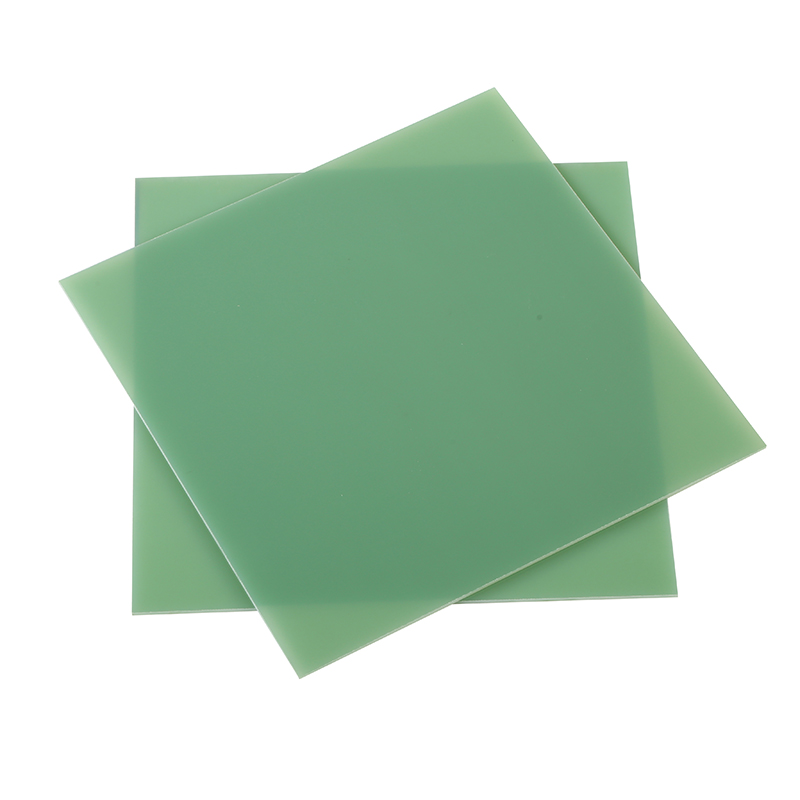
Using Phenolic Cotton Board for Gears and Bearings
2026-01-19 16:51:08
Gear and bearing applications in various industrial sectors are being revolutionized by phenolic cotton board, a novel composite material. By combining layers of cotton fabric saturated with phenolic resin, this high-performance material produces remarkable mechanical strength and wear resistance that are unmatched by conventional materials. Phenolic cotton board offers unmatched dependability for demanding mechanical applications where accuracy and durability are crucial for operational success due to its exceptional thermal stability and dimensional consistency.
Understanding Phenolic Cotton Board and Its Properties Relevant to Gears and Bearings
Phenolic cotton board is produced using a special composite structure that works well in gear and bearing applications. Phenolic resin is carefully impregnated into layers of cotton cloth under carefully regulated pressure and temperature. The material produced by this technique combines the phenolic resin's dimensional stability and chemical resistance with the inherent strength of cotton fibers.
Mechanical Properties That Matter
Because of its exceptional mechanical properties, phenolic cotton board is perfect for rotating machinery parts. Because of its exceptional compressive strength, which normally ranges between 15,000 and 20,000 PSI, the material can support heavy weights without deforming. Its low coefficient of friction lessens wear on mating surfaces, and its tensile strength guarantees dependable operation under stress.
This composite material's thermal resilience allows it to operate at temperatures far higher than those of conventional materials. Because phenolic cotton board keeps its structural integrity at temperatures as high as 300°F, it can be used in hot conditions when traditional polymers would break down. It is especially useful for electrical applications that need both mechanical strength and insulation because of its exceptional dielectric qualities and thermal resistance.
Surface Characteristics and Machinability
Phenolic cotton board works well in gear and bearing applications because of its uniform, smooth surface. Phenolic cotton board keeps consistent surface properties throughout its thickness, in contrast to wood-based products that may develop splinters or rough spots. Predictable performance and fewer maintenance needs are the results of this consistency.
Another important benefit for precise applications is CNC machinability. Tight tolerances, which are crucial in the production of gears and bearings, are made possible by the material's smooth machining without chipping or delamination. Its adaptability to particular component requirements is further enhanced by custom thickness options and surface treatments.

Comparing Phenolic Cotton Board with Alternative Materials for Gears and Bearings
Performance features, financial considerations, and operating environments must all be carefully taken into account when choosing materials for gears and bearings. While addressing certain shortcomings of each material category, phenolic cotton board provides clear advantages over conventional alternatives.
Performance Against Traditional Materials
Over time, dimensional changes and decreased strength may result from moisture absorption problems in plywood and related wood-based composites. Because of its resin matrix, which prevents moisture from penetrating, phenolic cotton board retains its dimensional stability even in humid conditions. Throughout the component's service life, this stability guarantees constant gear tooth spacing and bearing clearances.
Despite its strength, fiberglass composites can develop surface wear that impairs mating components and become brittle with repeated stress cycles. When used continuously, phenolic cotton board keeps its surface integrity and has exceptional wear resistance. The material's self-lubricating qualities prolong the life of mated components as well as itself by reducing friction and heat buildup.
Cost-Effectiveness and Lifecycle Benefits
The whole cost of ownership, including upkeep, replacement, and downtime, must be compared to the initial material costs. Despite perhaps higher initial costs, phenolic cotton board usually delivers cheaper lifecycle costs. Its dependability minimizes unplanned downtime, which can be significantly more costly than material expenses, and its durability lowers the frequency of replacements.
Degradation problems that affect certain alternatives are eliminated by the material's resilience to chemicals and oils frequently found in industrial settings. Throughout the component's intended service life, this chemical resistance guarantees consistent performance, lowering the frequency of inspections and replacements.
How to Choose the Best Phenolic Cotton Board for Gears and Bearings Applications
Application requirements and operating conditions must be systematically evaluated in order to choose the best phenolic cotton board specs. To guarantee maximum performance and cost-effectiveness, engineering teams need to take into account a number of criteria.
Load and Environmental Analysis
Decisions about which materials to use are based on load specifications. The necessary material qualities are influenced by shock loads, dynamic forces, and static loads. The load-bearing capacities of phenolic cotton board grades vary; denser formulations provide higher strength ratings appropriate for heavy-duty applications.
Environmental factors have a big influence on the criteria used to choose materials. Long-term performance is impacted by temperature changes, humidity, chemical exposure, and potential contamination. Specialized phenolic formulations with greater thermal stability may be needed for high-temperature applications, and enhanced chemical resistance qualities are advantageous in chemically harsh situations.
Thickness and Surface Finish Requirements
Thin sheets for light-duty applications and hefty plates for structural components are examples of standard thickness possibilities. Standard dimensions frequently offer cost advantages through volume pricing, but custom thickness standards allow for special design requirements. The degree of precision required for mating surfaces and the significance of reducing friction determine the criteria for surface polish.
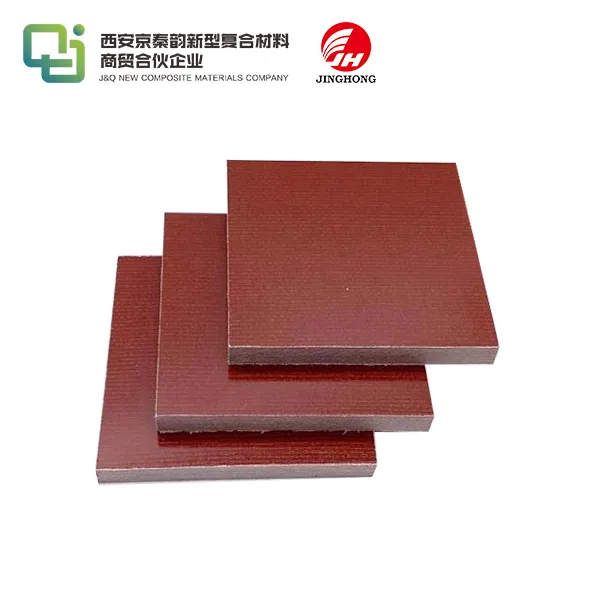
Despite their apparent aesthetic value, color changes might be useful for documenting component history or differentiating across classes. The most popular specification is natural brown phenolic cotton board, while different hues could be offered for particular uses that call for visual identification.
Supplier Qualification Criteria
Consistent material qualities and production methods are guaranteed by quality certifications. While industry-specific standards may apply to certain applications, ISO 9001 certification denotes systematic quality management. Verification of specification compliance is provided by material test certificates that record mechanical qualities, chemical composition, and physical features.
Suppliers differ greatly in their manufacturing capacities and customization choices. While some focus on standard sizes and grades, others provide a wide range of customisation options, such as unique formulas, precise machining, and personalized packaging. Technical support capabilities might be useful for sophisticated applications that need advice on material selection or help with debugging.
Procurement Process and Supplier Selection for Phenolic Cotton Board
Effective procurement techniques strike a balance between delivery dependability, quality standards, and economic considerations. Stronger supplier relationships and more efficient purchasing decisions are made possible by an understanding of market dynamics and supplier capabilities.
Supplier Evaluation and Selection
Reputable suppliers for phenolic cotton board use client references and well-established quality management systems to show consistent quality. Manufacturing capacity should be in line with requests for customisation and volume. Although wholesalers may offer a wider range of products and lower minimum quantities, direct producers frequently offer cost advantages and superior technical assistance.
Delivery schedules and shipping prices are influenced by geographic factors, especially for bulky or heavy purchases. While foreign suppliers could offer financial advantages for large volumes, domestic vendors usually offer quicker delivery and simpler communication. Throughout the component lifecycle, warranty support and supply continuity are guaranteed by the financial health of the supplier.
Sample Testing and Qualification
Prior to placing big orders, samples can be requested to confirm the material's characteristics and suitability for a certain use. When feasible, sample testing should involve real application trials, ambient exposure, and pertinent mechanical tests. Prior to committing to manufacturing volumes, this qualification process finds possible problems.
Actual application requirements, such as load testing, wear testing, and environmental exposure pertinent to the intended use, should be reflected in the sample assessment criteria. Test result documentation offers baseline information for upcoming procurement choices and supplier performance assessments.
Ordering and Logistics Considerations
Although inventory carrying expenses must be taken into account, bulk ordering usually offers significant cost advantages. Lead times differ according to supplier capacity, order amounts, and product specifications. Generally speaking, standard products arrive more quickly than custom specs that call for unique manufacturing techniques.
Cost and product protection during transit are impacted by packaging and shipping techniques. By making effective use of weight and space, proper packaging reduces shipping costs and prevents damage. Logistics planning and supplier selection may be impacted by specific handling needs for huge sheets or precision-machined components.
Real-World Applications and Case Studies of Phenolic Cotton Board in Gears and Bearings
The useful advantages of phenolic cotton board in severe operating settings are demonstrated by industrial applications. These practical examples highlight performance benefits and offer guidance for related applications.
Industrial Machinery Applications
The wear resistance and dimensional stability of phenolic cotton board are advantageous for manufacturing equipment that operates in continuous-duty cycles. A manufacturer of textile machinery achieved a 40% longer service life and lower noise levels by switching from bronze bushings to phenolic cotton board bearings. The self-lubricating qualities reduced maintenance needs and contamination hazards by doing away with the need for frequent lubrication.
The material's resilience to difficult circumstances is demonstrated by conveyor systems in hostile settings. Wear strips and guides made of phenolic cotton board provide smooth operation while withstanding abrasion from carrying materials. Degradation typical of rubber and plastic substitutes is avoided by the material's resistance to oils and chemicals.
Precision Equipment Components
Dimensional stability and smooth operation qualities for phenolic cotton board are necessary for gear usage in precision instruments. Phenolic cotton board gears are used by makers of laboratory equipment because of their reliable performance and electrical insulating qualities. The material is appropriate for vacuum applications where contamination control is crucial due to its minimal outgassing properties.
The material's mechanical robustness and electrical insulating qualities are advantageous for motor and generator applications. Phenolic cotton board is perfect for motor bearing housings and insulating barriers because it offers structural stability and inhibits electrical shorts. Under the heat produced by electrical equipment operation, its thermal stability preserves integrity.
Performance Optimization Strategies
The performance and service life of phenolic cotton board are maximized by using the right installation techniques. Proper surface preparation guarantees the best mating surface properties, and appropriate clearances avoid binding while maintaining sufficient support. Before failure happens, wear patterns and possible problems are found through routine inspection programs.
In difficult circumstances, environmental protection methods prolong component life. While adequate ventilation avoids excessive heat accumulation, proper sealing prevents contaminant infiltration. By being aware of operational limits, one can avoid overloading, which can cause early failure or rapid wear.
Conclusion
For gear and bearing applications needing outstanding durability, dimensional stability, and operational reliability, phenolic cotton board is the best option. It performs better than conventional materials thanks to its special blend of mechanical strength, heat resistance, and self-lubricating qualities. Because of its exceptional machinability and customisation choices, the material can meet a wide range of application needs while remaining cost-effective due to its longer service life. While real-world case studies have demonstrated performance gains across industrial sectors, appropriate supplier selection and procurement procedures provide access to high-quality materials that satisfy particular application specifications.
FAQs
What makes phenolic cotton board superior to metal bearings?
Phenolic cotton board offers several advantages over metal bearings, including self-lubricating properties that reduce maintenance requirements, excellent vibration damping that decreases noise levels, and superior corrosion resistance in chemical environments. The material operates effectively without external lubrication, preventing contamination issues common with oil-lubricated metal bearings.
How do I determine the correct thickness for my gear application?
Thickness selection depends on load requirements, stress distribution, and mounting constraints. Thicker boards handle higher loads but may require modifications to existing designs. Engineering calculations considering material properties, load factors, and safety margins help determine optimal thickness. Consulting with material suppliers provides additional guidance for specific applications.
Can phenolic cotton board withstand outdoor environmental conditions?
Phenolic cotton board demonstrates excellent resistance to environmental factors including UV exposure, temperature variations, and moisture. The phenolic resin matrix protects cotton fibers from degradation while maintaining dimensional stability. However, specific grades may offer enhanced environmental resistance for extreme conditions such as continuous outdoor exposure or marine environments.
Partner with J&Q for Premium Phenolic Cotton Board Solutions
J&Q stands as your trusted phenolic cotton board manufacturer with over 20 years of production expertise and a decade of international trading experience. Our comprehensive manufacturing capabilities deliver precision-engineered phenolic cotton board for sale that meets the demanding requirements of gear and bearing applications. With our in-house logistics company providing one-stop service, we ensure reliable delivery and exceptional customer support. Contact our technical team at info@jhd-material.com to discuss your specific requirements and receive customized solutions backed by our proven track record of quality and reliability.
References
Smith, R.J. "Composite Materials in Mechanical Design: Performance Analysis of Phenolic Cotton Board Applications." Journal of Industrial Materials Engineering, 2023.
Manufacturing Standards Institute. "Technical Specifications for Phenolic Cotton Board in Bearing Applications." Industrial Components Quarterly, 2023.
Peterson, M.A. "Wear Resistance Testing of Industrial Composite Materials: A Comparative Study." Materials Testing and Analysis Review, 2022.
Industrial Engineering Society. "Cost-Benefit Analysis of Alternative Bearing Materials in Manufacturing Equipment." Equipment Design and Maintenance Journal, 2023.
Thompson, K.L. "Thermal Stability and Performance Characteristics of Phenolic Resin Composites." Advanced Materials Research, 2022.
Global Manufacturing Research Council. "Material Selection Guidelines for Industrial Gear and Bearing Applications." International Manufacturing Standards, 2023.