Using Phenolic Paper Board in Switches and Panels
2026-01-19 16:43:45
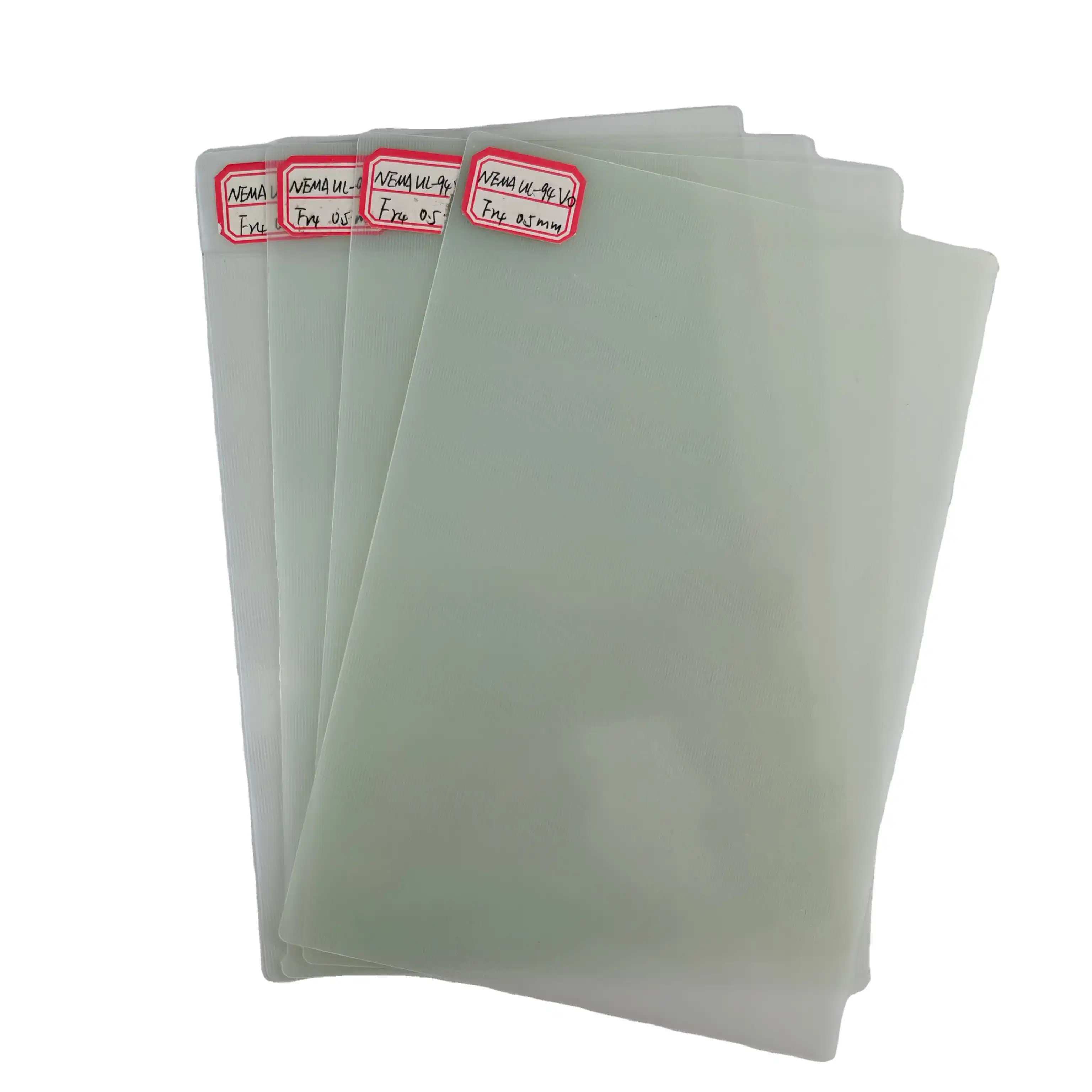
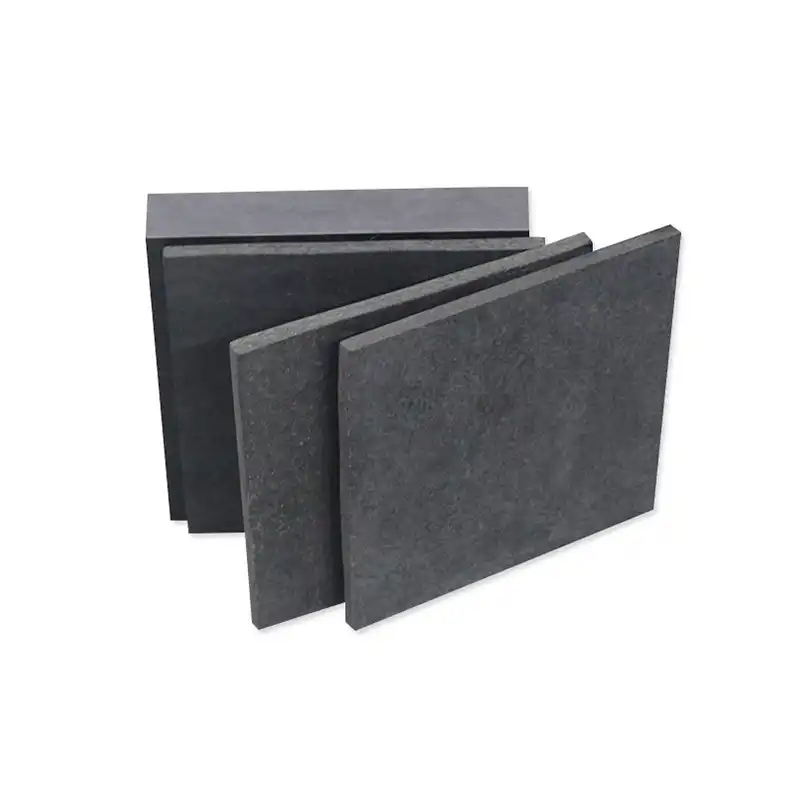
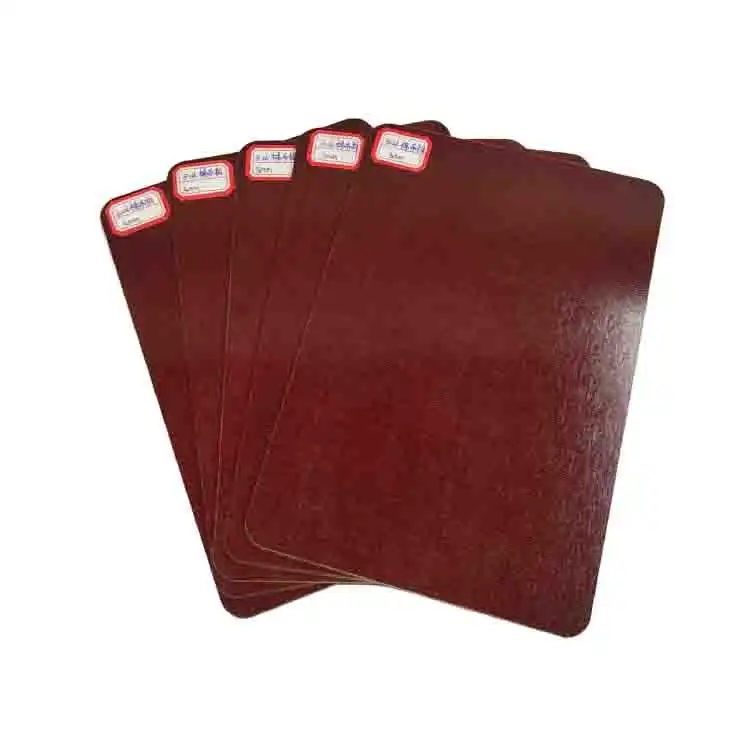
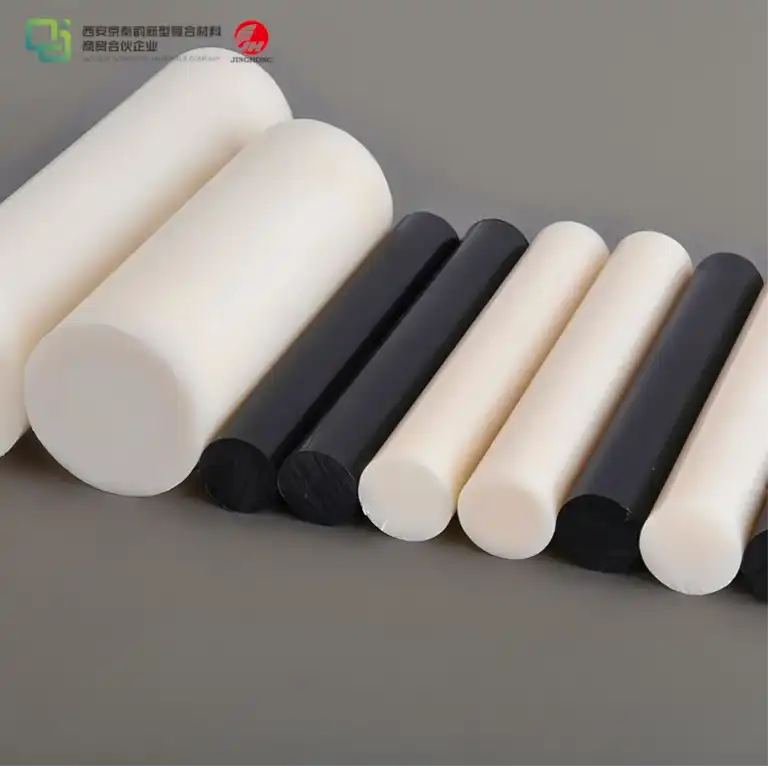
Phenolic paper board is a crucial material option for electrical manufacturers looking for dependable insulating solutions in switches and panels. Layered paper substrates and phenolic resin are compressed under high pressure to create phenolic paper board, a composite material with remarkable mechanical strength, thermal stability, and electrical insulation. From industrial switchgear to household panel boards, this designed material forms the foundation of innumerable electrical applications where performance and safety must be sacrificed.
Understanding Phenolic Paper Board in Electrical Components
Through a meticulously regulated manufacturing process, phenolic paper board's composition produces its exceptional qualities. Paper layers are impregnated with phenolic resin and then compressed at a specific temperature and pressure. A thermosetting material that retains its dimensions under a range of environmental circumstances is produced by this technique.
Core Properties That Matter
The phenolic resin matrix offers a number of essential properties that render this substance essential in electrical applications. Continuous functioning at temperatures beyond 150°C is made possible by heat resistance features, which preserve structural integrity. Reliable electrical isolation in high-voltage applications is ensured by dielectric strength, which normally falls between 12 and 16 kV/mm.
Another distinguishing characteristic is chemical resistance. Oils, solvents, and cleaning chemicals that are frequently used in electrical environments cannot break down the cured phenolic resin. For switch and panel assemblies, this resistance means a longer service life and less maintenance.
Manufacturing Standards and Compliance
Several industry standards must be followed in order to ensure quality in the production of phenolic board. Grade classes are defined by NEMA XX criteria, and fire safety compliance is guaranteed by UL accreditation. Engineering managers can specify materials for crucial electrical applications with confidence thanks to these certificates.
Quality control checkpoints that confirm electrical characteristics, surface smoothness, and thickness tolerances are part of the manufacturing process. For producers who need predictable material behavior in automated assembly processes, batch testing guarantees consistent performance across production runs.

Why Phenolic Paper Board Is Ideal for Switches and Panels
The choice of materials used in switch and panel construction is influenced by electrical safety regulations. Compared to many other materials, phenolic resin systems offer passive fire protection due to their intrinsic flame resistance. Phenolic boards preserve structural barriers that stop fire from spreading because they char rather than melt when exposed to heat sources.
Superior Insulation Performance
The molecular structure of the resin is what gives phenolic boards their electrical insulating properties. Chains of cross-linked polymers form passageways that are mechanically strong and resistant to electrical conduction. This combination is especially useful in compact switch designs where materials with several functions are required due to space constraints.
Because of the thick resin matrix, moisture absorption is kept to a minimum. This feature ensures consistent performance across seasonal differences and geographic regions by preventing the loss of dielectric characteristics in humid situations.
Mechanical Advantages in Assembly
For manufacturers who need exact dimensional control for phenolic paper board, CNC machinability is a huge benefit. Modern switch designs require complicated geometries and tight tolerances, which are made possible by phenolic boards that machine cleanly and without delamination. The stability of the material during machining operations lowers waste and boosts productivity.
The retention strength of the fastener is greater than what is needed for the majority of electrical applications. In addition to offering safe mounting locations for components, the sturdy composite structure prevents stress cracking around fastener holes. Field failures and warranty claims are decreased by this dependability.
Procurement Considerations: Choosing and Ordering Phenolic Paper Board
To guarantee optimal performance in particular applications, material parameters must be carefully considered. The choice of thickness affects mechanical and electrical qualities; common grades range from 1.5 to 25 mm. Although thicker sections offer greater mechanical strength, they may make manufacturing procedures that call for precise cuts or forms more difficult.
Supplier Evaluation Criteria
The main markers of supplier competence are quality certifications. Process control is demonstrated by ISO 9001 certification, and product conformity with electrical safety regulations is verified by UL accreditation. More consistent material qualities and dependable delivery dates are usually offered by suppliers who uphold these standards.
Pricing and lead times are impacted by production capacity. Compared to providers who treat phenolic boards as secondary items, established manufacturers with specialized phenolic board production lines can offer superior availability and technical assistance.
Here are the key procurement factors that influence material selection and supplier relationships:
• Certification requirements: UL recognition, ROHS compliance, and quality system standards ensure regulatory compliance and performance consistency across batches.
• Custom sizing capabilities: Suppliers offering precision cutting and custom dimensions reduce secondary processing requirements and associated costs.
• Technical support services: Access to material engineers and application specialists helps optimize material selection for specific switch and panel requirements.
• Inventory management programs: Suppliers providing vendor-managed inventory reduce procurement overhead while ensuring material availability for production schedules.
These procurement advantages directly address the challenges faced by engineering managers who must balance technical requirements with cost considerations and delivery schedules.
Pricing and Value Analysis
Phenolic board cost structures usually include processing fees for special specifications in addition to base material pricing. For producers whose monthly requirements consistently surpass specific criteria, volume pricing levels become important. Evaluating material waste, secondary processing requirements, and quality-related expenses is necessary to comprehend overall cost implications.
Long-term supply contracts frequently offer availability assurance and pricing stability. Manufacturers with defined material requirements and regular production schedules find these agreements especially beneficial.
Comparing Phenolic Paper Board with Alternative Materials
Performance, pricing, and manufacturing needs for phenolic paper board must all be considered when choosing a material. Although fiberglass-reinforced polymers have a higher mechanical strength, they can have distinct machining requirements and recycling issues. Although melamine boards have a great surface polish, they don't have the thermal performance needed for high-temperature applications.
Performance Analysis Framework
Dielectric strength, arc resistance, and tracking resistance under varied environmental circumstances must be taken into account when comparing electrical performance. Phenolic boards exhibit reliable performance at a range of temperatures typical of electrical equipment. Variations in the properties of alternative materials could make testing and design verification more difficult.
Insulation materials differ greatly in their fire safety features. Phenolic boards have V-0 flame ratings and emit very little smoke when they burn. This behavior is crucial in enclosed electrical installations where certain material performance standards are required by fire safety laws.
Long-term dependability and assembly techniques are impacted by the mechanical characteristics of various insulating materials. Under temperature cycling, phenolic boards preserve dimensional stability, which lessens the strain on connected points and mounting components.
Our Company's Phenolic Paper Board Solutions
J&Q has more than 20 years of experience in the production of insulation materials along with specific knowledge of electrical applications. Standard and custom phenolic board specifications are among our production capabilities, which are backed by extensive quality assurance systems that guarantee constant material qualities.
Manufacturing Capabilities and Quality Assurance
Our manufacturing facilities make use of cutting-edge compression molding machinery that precisely regulates temperature and pressure during the curing process. This equipment allows for unique thickness and dimension needs while maintaining consistent material qualities over huge production runs.
Incoming material verification, in-process monitoring, and final product testing are all examples of quality control methods. Before being sent, each batch is subjected to mechanical and electrical property evaluation to make sure it satisfies client needs and standards.
Product Portfolio and Services
Numerous grade categories appropriate for varying voltage and temperature requirements are included in standard product offers. For moderate volume requirements, custom sizing services are cost-effective while meeting the needs of particular applications.
Customers can choose the best materials for their applications by using technical consulting services. Guidance on thickness selection, machining parameters, and assembly concerns that impact overall product performance is provided by our technical staff.
Conclusion
Because of its special blend of mechanical strength, thermal stability, and electrical insulation, phenolic paper board offers proven performance in electrical switches and panels. The material is a great option for engineering managers looking for dependable insulating solutions because of its adherence to industry requirements and consistent manufacturing quality. Making well-informed judgments that maximize performance and cost-effectiveness in the production of electrical components requires knowledge of the material's characteristics, procurement factors, and supplier capabilities.
FAQs
What thickness of phenolic paper board works best for electrical switch applications?
Thickness selection depends on voltage requirements and mechanical loads. Applications involving voltages below 600V typically use 3-6mm boards, while higher voltage applications may require 10-15mm thickness for adequate creepage distances and mechanical support.
How does phenolic paper board perform under high temperatures compared to other insulation materials?
Phenolic boards maintain structural integrity and electrical properties at continuous operating temperatures up to 150°C, outperforming many thermoplastic alternatives. The thermosetting nature prevents softening under heat, unlike materials that may deform or lose mechanical strength.
Can we order custom sizes and request bulk pricing for phenolic paper board?
Custom sizing is available for most applications, with precision cutting services accommodating specific dimensional requirements. Bulk pricing structures typically apply to orders exceeding monthly minimums, with additional discounts available for annual supply agreements.
Partner with J&Q for Your Phenolic Paper Board Requirements
J&Q stands ready to support your electrical component manufacturing with premium phenolic paper board solutions. As a trusted phenolic paper board manufacturer with over 20 years of production experience, we combine technical expertise with reliable supply chain capabilities. Our comprehensive services include material consultation, custom sizing, and dedicated customer support to ensure your switch and panel projects meet exact specifications. Contact our technical team at info@jhd-material.com to discuss your specific requirements and receive detailed quotations for your next procurement cycle.
References
National Electrical Manufacturers Association. "Industrial Laminated Thermosetting Products - NEMA Standards Publication LI 1-2019." NEMA, 2019.
Thompson, R.J. and Martinez, S.K. "Electrical Insulation Materials for High-Voltage Applications: Performance Analysis and Selection Criteria." IEEE Transactions on Dielectrics and Electrical Insulation, vol. 28, no. 3, 2021.
Industrial Materials Research Institute. "Phenolic Resin Composites in Electrical Applications: Manufacturing and Quality Control Standards." Materials Engineering Quarterly, vol. 15, no. 2, 2020.
Chen, L.W. and Peterson, D.R. "Fire Safety Performance of Thermosetting Insulation Materials in Electrical Equipment." Fire Safety Journal, vol. 112, 2020.
Electrical Component Manufacturing Association. "Material Selection Guidelines for Switch and Panel Construction." ECMA Technical Report 2021-07, 2021.
Kumar, A.S. "Comparative Analysis of Insulation Materials for Medium-Voltage Switchgear Applications." Power Engineering International, vol. 29, no. 8, 2021.