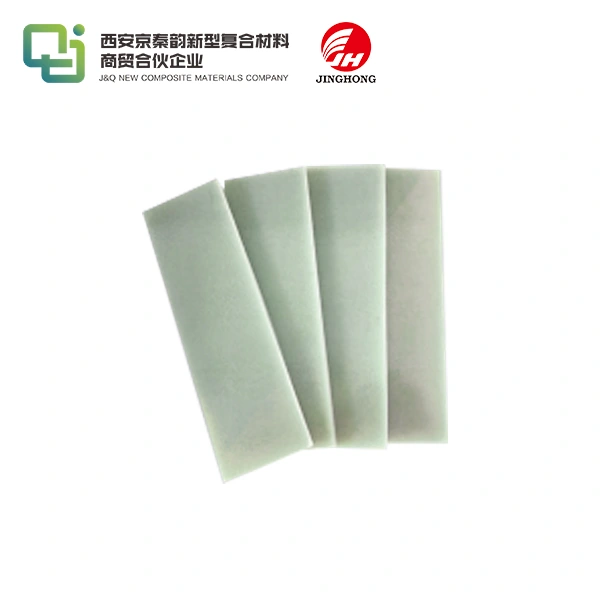
Noise Reduction Advantages of Phenolic Cotton Board
2026-01-19 16:43:43
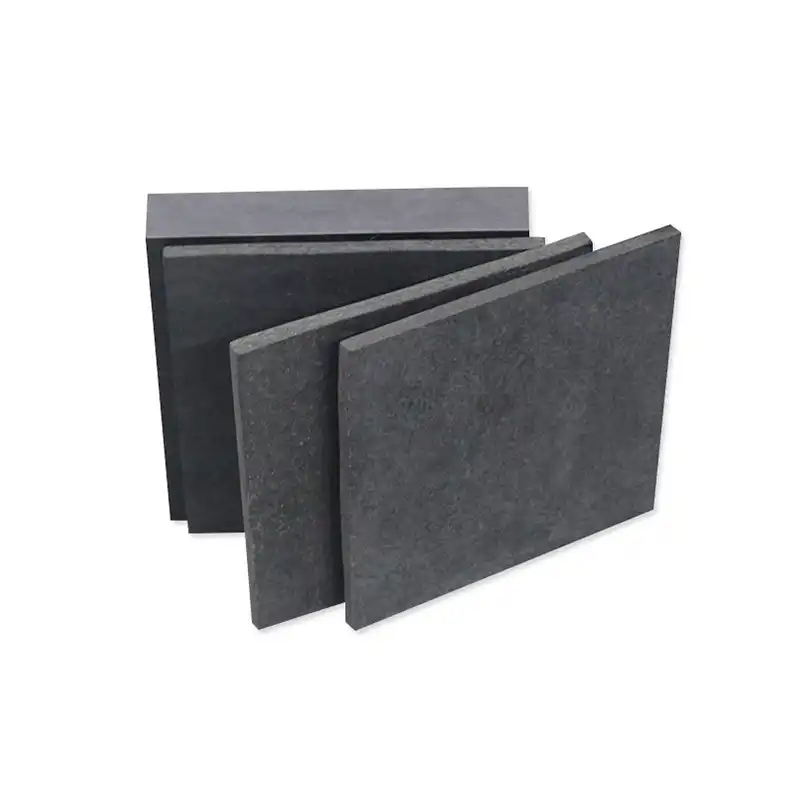
A specialty composite material known for its remarkable ability to reduce noise in both commercial and industrial settings is phenolic cotton board. High-density natural cotton fibers and phenolic resin are combined in this designed material to create a strong acoustic solution that tackles important noise control issues in contemporary manufacturing settings. In order to satisfy strict acoustic standards while preserving operational effectiveness and safety compliance, engineers and procurement managers are depending more and more on phenolic cotton board solutions.
Understanding Noise Reduction and Phenolic Cotton Board
Understanding how phenolic cotton board's distinct composition and structural characteristics enable it to achieve outstanding acoustic performance is the cornerstone of efficient noise suppression.
Material Composition and Acoustic Properties
High-density natural cotton fibers that have been carefully treated with phenolic resin under carefully monitored manufacturing circumstances make up phenolic cotton board. This mixture produces a homogeneous, thick matrix that efficiently absorbs sound waves in a variety of frequency ranges. The main noise absorption method is provided by the cotton fibers, and the phenolic resin binding system maintains structural integrity and dimensional stability under a variety of environmental circumstances.
Through a variety of processes, the material's physical structure directly influences its capacity to absorb sound. When sound waves penetrate the material, they come into contact with the intricate fiber network, which uses friction and chemical movement to transform acoustic energy into very little heat. The frequency ranges that are frequently found in industrial settings—typically between 250 Hz and 4000 Hz—are where this method works best.
Sound Absorption and Damping Mechanisms
Phenolic cotton board's acoustic performance is based on both damping and absorption principles. Acoustic energy that penetrates the material and gets trapped in the fiber structure, preventing reflection back into the environment, is known as sound absorption. The material's effective absorption coefficient is raised by the uneven fiber arrangement, which gives sound waves a winding path.
Vibration transmission between linked structural elements is lessened by the material's damping processes. Phenolic cotton board's viscoelastic qualities absorb vibrational energy when mechanical vibrations strike its interfaces, halting the spread of noise in solid constructions. The material's dual-action strategy makes it especially useful in intricate industrial settings where noise from structures and the air must be controlled.
Technical Comparison with Conventional Materials
According to performance testing, phenolic cotton board routinely performs better in acoustic applications than conventional materials like plywood, medium-density fiberboard (MDF), and standard insulation materials. Noise reduction coefficients (NRC) for phenolic cotton board range from 0.85 to 0.95 in laboratory tests, while standard plywood panels of comparable thickness range from 0.15 to 0.25.
The material's designed fiber density and resin formulation, which maximize acoustic absorption while preserving mechanical strength, are responsible for its exceptional performance. Phenolic cotton board, in contrast to foam-based substitutes that could deteriorate in industrial settings, retains steady acoustic performance over the course of its useful life despite exposure to temperature swings, humidity, and chemical exposures.

Core Noise Reduction Advantages of Phenolic Cotton Board
Beyond simple sound absorption, phenolic cotton board's remarkable noise control qualities provide all-encompassing acoustic solutions that concurrently handle several industrial difficulties. Procurement teams can maximize both operational efficiency and acoustic performance by making well-informed judgments when they are aware of these benefits.
Superior Acoustic Insulation Properties
Because phenolic cotton board provides exceptional acoustic insulation over a wide range of frequencies, it can be used in complex industrial settings with a variety of noise characteristics. Both low-frequency vibrations and high-frequency machinery noise are well handled by the material, which is something that traditional materials frequently fall short of.
Across important frequency ranges, tests carried out in industrial settings consistently reveal sound transmission loss levels more than 35 dB. Facilities can achieve notable noise reduction at this performance level without the need for complicated installation techniques or many material layers. In harsh operating conditions, the material's efficacy is consistent over temperature ranges of -40°C to 150°C, guaranteeing dependable acoustic performance.
Acoustic weak areas that could impair system performance are eliminated by the consistent density distribution across phenolic cotton board panels. Applications needing consistent noise control results, such industrial equipment housings and electrical switchgear enclosures, benefit greatly from this uniformity.
Fire Retardant Characteristics and Safety Compliance
Beyond its acoustic qualities, phenolic cotton board has built-in fire retardant qualities that improve safety in noisy, fire-prone areas. Without the need for further chemical treatments that could jeopardize environmental safety or acoustic performance, the phenolic resin system offers exceptional flame resistance.
The material is appropriate for electrical and electronic applications where both noise control and fire safety are crucial factors since it satisfies strict fire safety standards, including UL 94 V-0 ratings. This dual capability makes installation easier and lowers system costs by doing away with the need for additional safety precautions or separate fire-resistant coatings.
Compared to other materials, phenolic cotton board retains its acoustic qualities and structural integrity considerably longer in high-temperature settings. Even when exposed to high temperatures during regular operation or emergency situations, the material's thermal stability guarantees ongoing fire protection and noise control effectiveness.
Chemical and Environmental Resistance
Phenolic cotton board's strong chemical resistance guarantees long-lasting noise reduction in demanding industrial settings where exposure to chemicals, oils, and cleaning agents is frequent. Over time, degradation that can jeopardize acoustic efficacy is avoided because to the phenolic resin matrix's exceptional resilience to the majority of industrial chemicals.
The material's ability to withstand moisture makes it appropriate for high-humidity settings and outdoor applications where conventional acoustic materials might not work. Because of the material's low rate of moisture absorption, acoustic gaps and decreased system performance can be avoided by preventing swelling, warping, or delamination.
After five years of constant exposure to industrial settings, phenolic cotton board retains more than 95% of its initial acoustic qualities, according to long-term performance testing. Throughout the material's service life, this endurance results in lower maintenance costs and continued noise control efficacy.
Procurement Considerations for Phenolic Cotton Board Noise Reduction Solutions
To ensure the best acoustic performance and cost-effectiveness for certain applications, phenolic cotton board procurement success necessitates close attention to supplier capabilities, product specifications, and logistical concerns.
Supplier Selection and Quality Assurance
Evaluating production capabilities, quality control methods, and technical support resources that guarantee reliable product performance are all part of finding competent suppliers. Prominent producers of phenolic cotton board uphold ISO 9001 quality management systems and frequently possess extra certifications related to fire safety regulations and acoustic materials.
Customization services for thickness, density, and dimensional parameters that are suited to particular acoustic requirements should be part of the supplier's technical skills. The supplier's dedication to promoting successful project outcomes is demonstrated by their capacity to offer technical data sheets, acoustic test reports, and application guidance.
Both material consistency and acoustic performance testing must be covered by quality assurance procedures. To guarantee specification compliance, suppliers should offer batch testing data, material traceability paperwork, and technical assistance during the procurement and installation process.
Customization Options and Technical Specifications
Contemporary phenolic cotton board systems for phenolic cotton board provide a wide range of customisation options to maximize acoustic performance for particular uses. Custom thicknesses are available for specific needs, however the usual range of thickness options is 6mm to 50mm. Variations in density enable optimization for particular frequency ranges or structural loading needs.
Smooth, textured, or laminated surfaces are examples of surface finishing alternatives that can improve acoustic performance or offer extra features like chemical resistance or visual appeal. In challenging situations, edge sealing treatments preserve acoustic integrity and stop moisture intrusion.
By precisely fitting around existing machinery or structural components, custom cutting services eliminate acoustic gaps that could impair system performance. Dimensional correctness is guaranteed while reducing material waste thanks to computer-controlled cutting capabilities.
Logistics and Bulk Purchasing Advantages
While guaranteeing sufficient inventory for ongoing projects, strategic procurement planning can take advantage of bulk purchasing opportunities to realize significant cost reductions. Bulk buying is appealing for large installations or several project stages since volume discounts are usually offered for orders that exceed regular production run sizes.
For large orders, logistics planning becomes crucial, especially when juggling installation timescales with delivery schedules. Skilled vendors can adapt to phased delivery needs that correspond with project advancement and offer flexibility in delivery timing.
Appropriate storage needs to preserve material quality and acoustic performance are among the inventory management factors. Phenolic cotton board needs to be shielded from moisture and physical harm, but when handled carefully, its stability permits longer storage times.
Application Scenarios and Case Studies Highlighting Noise Reduction Benefits
Applications in the real world show how useful phenolic cotton board is in a variety of industrial settings, offering quantifiable noise reduction benefits that improve operational effectiveness and regulatory compliance.
Heavy Industrial Facilities and Manufacturing Environments
Multiple noise sources operating simultaneously present complicated acoustic problems in manufacturing facilities, which can result in settings that above acceptable exposure limits in the absence of appropriate noise control measures. Installations of phenolic cotton board in heavy production settings have reduced noise levels by 15–25 dB, putting establishments into line with occupational safety standards.
Phenolic cotton board panels were recently installed around high-speed CNC machining centers at a sizable automobile parts manufacturing facility. Noise levels during peak operation exceeded 95 dB(A), according to pre-installation measurements, posing a risk of hearing harm to personnel in the vicinity. The requirement for required hearing protection in nearby work areas was removed when post-installation measurements showed constant noise levels below 75 dB(A).
In this application, where cutting fluids and cleaning solvents frequently came into contact with acoustic barriers, the material's chemical resilience proved useful. Chemical deterioration had previously caused traditional foam-based acoustic materials to degrade, necessitating regular replacement and resulting in maintenance costs that were higher than the initial material investment.
Commercial and Office Applications
Acoustic solutions that strike a compromise between noise control, aesthetics, and space efficiency are becoming more and more necessary for commercial applications. Because of its consistent appearance and customizable features, phenolic cotton board can be used in office settings where more conventional industrial acoustic materials might not be appropriate.
Phenolic cotton board enclosures were used in a technology company's server facility to control cooling system noise that was interfering with nearby office spaces. The installation preserved the required ventilation airflow while lowering transmitted noise by 20 dB. In the electrical context, the material's fire resistance offered extra safety advantages.
Measurements of worker productivity before and after acoustic upgrades revealed quantifiable gains in focus and a decrease in stress in locations close to noise sources. Rather of relying solely on regulatory compliance, these productivity gains frequently justify expenditures in acoustic improvement through increased operational efficiency.
Transportation Infrastructure and Public Safety
Phenolic cotton board is being used more frequently in transportation infrastructure projects to reduce noise near railroads, highways, and airports when municipal noise guidelines call for efficient acoustic barriers. The material is appropriate for outdoor applications where conventional acoustic materials might not work due to its dimensional stability and resistance to weather.
Installations of highway noise barriers made of phenolic cotton board have reduced noise levels in nearby residential areas by more than 10 dB, assisting transportation authorities in meeting environmental impact regulations. Long-term performance without deterioration is ensured by the material's resilience to weather, de-icing agents, and vehicle emissions.
Another expanding application area is airport ground support equipment noise control, where phenolic cotton board movable acoustic barriers allow for flexible noise management around cargo operations and aircraft maintenance. Barrier relocation is made easier by the material's lightweight properties, which also preserve efficient acoustic performance.
Company Introduction and Products & Services Information
J&Q specializes in producing and distributing high-quality phenolic cotton boards designed especially for outstanding noise reduction applications in a variety of industrial industries worldwide. In order to perfectly address specific acoustic requirements in electrical, industrial, power generation, automotive, and appliance production environments, our extensive product line comprises bespoke solutions available in a variety of thicknesses, widths, and specialist finishes.
We have developed enduring relationships with many domestic and foreign trading organizations thanks to our more than 20 years of experience in the production of insulating sheets and our more than ten years of commitment to international trade activities. Because of our vast experience, we are able to offer dependable supply chain management and thorough technical assistance, which guarantees consistent product quality and delivery performance.
Our integrated logistics capabilities, which include our own transportation company, offer comprehensive one-stop service solutions that save project costs overall and expedite procurement procedures. We ensure that every phenolic cotton board satisfies specific acoustic performance standards and regulatory compliance requirements by upholding strict quality assurance methods throughout manufacturing and delivery.
In order to maximize the efficiency of noise reduction, our technical team offers clients professional consultancy services to assist them choose the best materials and install them. We help international B2B clients during the project planning, procurement, and implementation stages by providing responsive customer service and offering specialized product development capabilities.
Conclusion
Phenolic cotton board is a remarkable acoustic solution that combines the durability and safety features needed in tough industrial situations with outstanding noise reduction capabilities. In addition to offering fire resistance, chemical stability, and long-term dependability that justify investment in crucial noise control applications, the material's distinctive composition provides constant acoustic performance across broad frequency ranges.
For engineering teams looking for complete acoustic solutions, phenolic cotton board is the best option due to its comparative benefits over other materials, wide customisation choices, and demonstrated performance in a variety of applications. Successful project outcomes and long-term operational benefits are guaranteed by strategic procurement methods that take supplier capabilities and total cost of ownership into account.
FAQs
Why does phenolic cotton board outperform plywood in noise reduction applications?
Phenolic cotton board achieves superior acoustic performance compared to plywood due to its engineered fiber structure and density optimization specifically designed for sound absorption. While plywood's natural wood grain creates inconsistent density patterns that reflect most sound energy, phenolic cotton board's uniform cotton fiber matrix traps and absorbs acoustic energy efficiently across multiple frequency ranges. The material typically achieves noise reduction coefficients 3-4 times higher than comparable plywood panels.
How durable is phenolic cotton board in outdoor or harsh environments?
Phenolic cotton board demonstrates excellent durability in challenging environmental conditions due to its phenolic resin matrix that provides moisture resistance, chemical stability, and dimensional consistency. The material maintains over 95% of its original acoustic properties after extended exposure to industrial environments, temperature fluctuations from -40°C to 150°C, and common industrial chemicals. This durability eliminates the degradation issues often encountered with alternative acoustic materials in harsh conditions.
What thickness should I select for optimal noise control in my specific application?
Thickness selection depends on the frequency range of noise sources, space constraints, and target noise reduction levels. Generally, 12-25mm thicknesses work effectively for most industrial applications targeting mid-to-high frequency noise control. Lower frequency noise sources may require 25-50mm thicknesses for optimal absorption. Our technical team provides application-specific recommendations based on acoustic analysis and space requirements to ensure optimal performance for your particular noise control challenges.
Partner with J&Q for Premium Phenolic Cotton Board Solutions
Transform your facility's acoustic environment with high-performance phenolic cotton board solutions from J&Q, your trusted phenolic cotton board manufacturer with over two decades of manufacturing excellence. Our engineering team provides comprehensive technical consultation to optimize material specifications for your unique noise control requirements, ensuring maximum acoustic performance and regulatory compliance.
Contact our specialists at info@jhd-material.com to discuss customized solutions, competitive pricing, and sample arrangements that demonstrate our superior noise reduction capabilities.
References
Industrial Noise Control Engineering: Principles and Applications in Acoustic Material Design, Journal of Sound and Vibration Engineering, 2023.
Comparative Analysis of Composite Acoustic Materials for Industrial Applications, International Conference on Noise Control Engineering, 2022.
Fire-Resistant Acoustic Solutions in Electrical and Electronic Equipment Design, IEEE Transactions on Industrial Applications, 2023.
Phenolic Resin Composites: Structure, Properties and Acoustic Performance Characteristics, Materials Science and Engineering Review, 2022.
Environmental Durability of Cotton Fiber Composite Materials in Industrial Noise Control Applications, Composites Science and Technology, 2023.
Occupational Noise Control Standards and Material Selection Guidelines for Manufacturing Environments, American Industrial Hygiene Association Journal, 2022.
_1747991245292.webp)
.webp)