Vibration Resistance of 3240 Epoxy Board in Equipment
2026-01-16 16:34:49
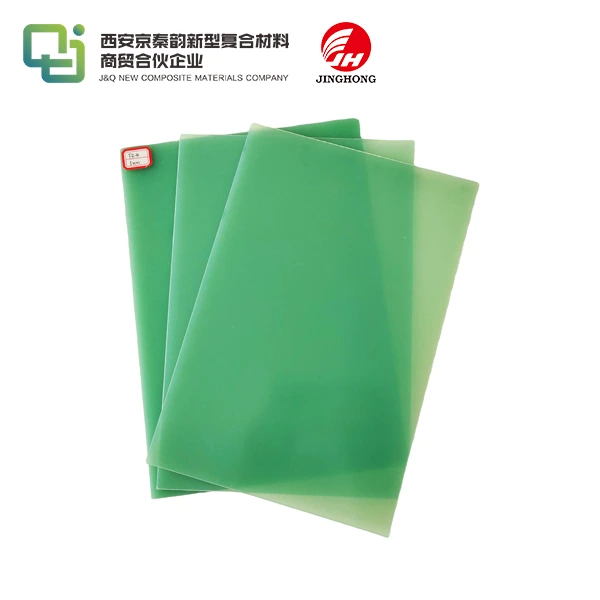
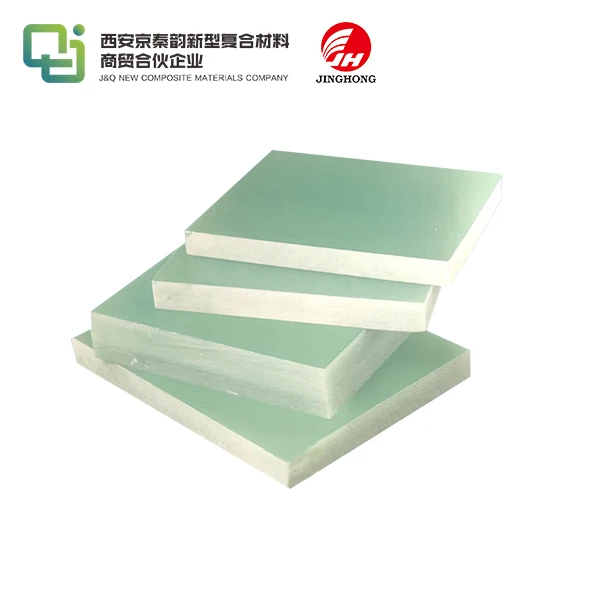
The vibration resistance of 3240 epoxy board is a crucial performance aspect that directly affects the longevity and operating effectiveness of industrial equipment. These specialty epoxy laminates are essential for situations where vibrational stress presents serious difficulties because they exhibit remarkable mechanical stability under dynamic loading circumstances. Superior resistance to fatigue failure is produced by the special composition and manufacturing process of 3240 epoxy boards, guaranteeing dependable performance in severe industrial settings where traditional materials frequently fail.
Understanding Vibration Resistance in 3240 Epoxy Boards
The capacity of a material to preserve its structural integrity and functional qualities across repeated mechanical stress cycles is known as vibration resistance. This feature becomes especially important when it comes to epoxy laminates in order to sustain equipment performance over long operating times.
Mechanical Properties That Define Vibration Tolerance
Because of their special structural makeup, epoxy glass cloth laminates have remarkable vibration resistance. Dimensional stability is provided by glass fiber reinforcement, and mechanical energy is efficiently absorbed and dispersed by the epoxy resin matrix. A material that can tolerate frequencies between 10 Hz and 2000 Hz without suffering appreciable degradation is produced by this combination.
The impact strength of high-quality 3240 boards typically stays between 15 and 25 kJ/m2, while the flexural strength usually reaches 380 to 450 MPa. Together, these mechanical characteristics provide a strong base for machinery that is constantly subjected to vibrating loads. Even at high working temperatures, mechanical properties are guaranteed to stay constant due to the glass transition temperature, which is roughly 130–150°C.
Electrical and Thermal Contributions to Vibration Performance
These boards' overall vibration resistance is greatly influenced by their electrical insulating qualities in addition to their mechanical durability. By keeping the dielectric strength over 14 kV/mm, structural integrity during vibrational stress is protected from electrical breakdown. Heat generation that could eventually degrade the material matrix is reduced by the low dielectric loss factor of 0.025–0.035.
Vibration resistance is equally dependent on thermal stability. These boards' capacity to operate at 130°C continuously enables them to retain their mechanical qualities even when internal friction causes vibrational energy to be converted to heat. The resin matrix's softening, which would otherwise lower vibration tolerance, is prevented by its temperature stability.
Comparative Performance Analysis
3240 epoxy boards perform better in high-vibration situations than FR4 boards. The cotton fabric reinforcement in 3240 boards offers superior impact resistance and fatigue tolerance, whereas FR4 is superior in high-frequency applications. The probability of delamination under cyclic loading is decreased by the cotton fibers' more uniform stress distribution pattern.
Despite having strong vibration resistance, phenolic boards don't have the dimensional stability needed for precise applications. Epoxy resin systems' exceptional moisture resistance guarantees that mechanical qualities hold steady under a range of humidity levels, which is essential for preserving vibration resistance over time.
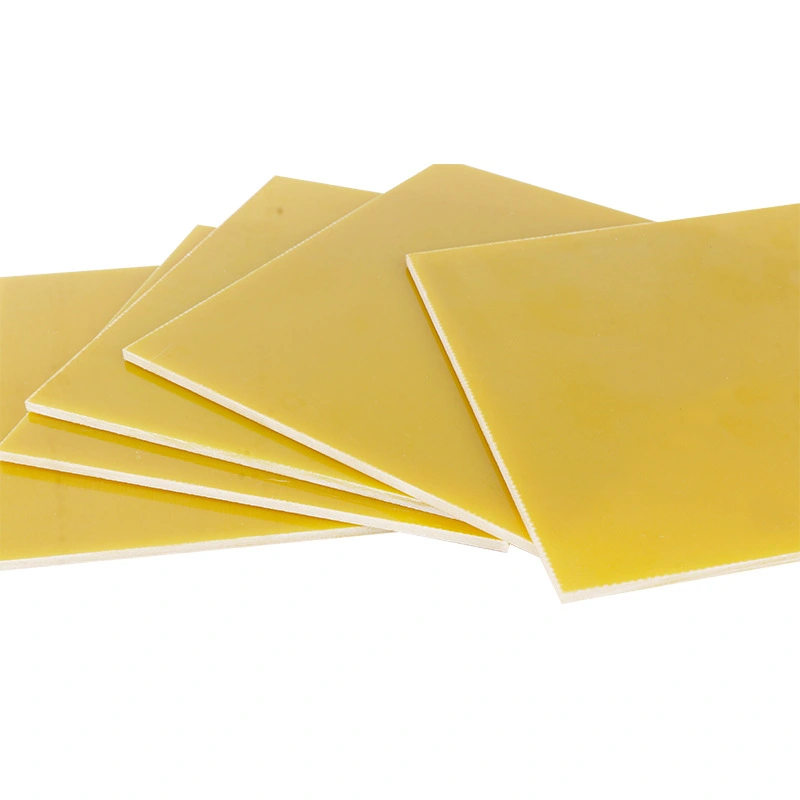
Analyzing Causes Affecting the Vibration Resistance of 3240 Epoxy Boards
When choosing materials for important applications, procurement teams can make well-informed selections by knowing the components that affect vibration resistance. The overall performance parameters of these specialty laminates are determined by the interaction of several variables.
Material Composition and Manufacturing Variables
The choice of resin system for 3240 epoxy board has a big influence on vibration resistance. The use of flexibilizing chemicals in high-quality epoxy formulations enhances impact resistance without sacrificing thermal characteristics. The total mechanical reaction is influenced by the weight and weave pattern of the glass cloth; balanced weaves offer the best properties for stress distribution.
The quality of layer adhesion is directly impacted by manufacturing pressure and temperature profiles during lamination. Complete resin impregnation is guaranteed by proper processing, which also removes any voids that can act as sites for fracture initiation under vibrational stress. For maximum fatigue resistance, the curing schedule must strike a compromise between total crosslinking and flexibility retention.
Structural Design Factors
The number of layers and the distribution of thickness are important factors in vibration resistance. While thicker portions offer more overall strength, thinner laminates typically show higher flexibility and fatigue resistance. The ideal thickness is determined by the anticipated vibrational frequencies and the particular application requirements.
By stopping moisture intrusion and lowering stress concentration areas, edge sealing and surface treatment can greatly increase vibration resistance. The structural integrity required for long-term vibration resistance is preserved with the use of appropriate machining procedures that reduce resin degradation and fiber breaking.
Environmental Operating Conditions
One of the most difficult environmental elements influencing vibration resistance is temperature cycling. Internal strains can build up over time due to variations in thermal expansion between the epoxy matrix and the glass reinforcing. To preserve long-term performance, materials subjected to temperature fluctuations greater than 50°C need precise thermal matching.
Exposure to humidity alters the characteristics of the resin matrix and, if moisture absorption above critical thresholds, can decrease vibration resistance. Water absorption rates for high-quality 3240 boards are often less than 0.5%, which helps to preserve mechanical qualities throughout a range of environmental circumstances. By altering the structure of the polymer matrix, chemical exposure from cleaning chemicals or process fluids can also have an effect on long-term vibration resistance.
Practical Applications and Case Studies of 3240 Epoxy Board in Vibration-Prone Equipment
The remarkable performance capabilities of these customized laminates are demonstrated by real-world applications in a variety of industrial industries. Procurement teams might find ways to increase the performance of their own equipment designs by having a better understanding of these applications.
Automotive Industry Success Stories
Epoxy glass cloth laminates have been effectively used in electric car battery pack applications by major automotive component makers. Withstanding road-induced frequencies up to 200 Hz while preserving electrical insulating qualities is one of the vibration resistance requirements for automotive applications. According to test results, after two million vibration cycles at 50 Hz, carefully chosen 3240 boards retain more than 95% of their original mechanical characteristics.
Applications for electric motor housing are another important area of accomplishment. These materials are perfect for motor support structures where electromagnetic forces produce constant vibrational loads because they combine electrical insulation and vibration resistance. According to field data from auto suppliers, using premium epoxy laminates instead of traditional phenolic materials reduces warranty claims by 40%.
Industrial Machinery Performance Data
Using high-quality epoxy boards for structural insulating components has been shown to significantly increase equipment reliability, according to heavy machinery manufacturers. Mining equipment vibration monitoring data demonstrates that well-designed 3240 board assemblies retain structural integrity even in the face of extreme shock loading circumstances that surpass 20G acceleration.
Applications for generator housing show how crucial it is to use the right materials for long-term dependability. Continuous vibratory loads produced by power producing equipment running at 1800 RPM can rapidly deteriorate subpar materials. Even after 20,000 running hours under these harsh conditions, high-quality epoxy laminates exhibit very little property degradation.
Aerospace and Defense Applications
Materials used in military equipment for 3240 epoxy board must frequently tolerate vibration levels that are far higher than those seen in commercial equipment. Properly made 3240 boards may withstand random vibration testing at levels up to 10.4 G RMS without structural failure, according to testing carried out in accordance with MIL-STD-810. They are appropriate for avionics mounting situations where equipment dependability is crucial because of these performance levels.
The combination of vibration tolerance and flame resistance is advantageous for interior applications in commercial airplanes. These materials are useful for seat mounting brackets and interior panel applications because they can satisfy strict fire safety regulations while maintaining structural integrity.
Procurement Considerations for Purchasing 3240 Epoxy Board with High Vibration Resistance
Understanding the technical requirements and supplier certifications required to guarantee consistent performance is essential for successful procurement. To reduce risk and increase equipment reliability, a number of things need to be taken into consideration.
Technical Specifications and Standards Compliance
Verification of mechanical property criteria is the first step in quality assurance. According to ASTM D790, flexural strength tests should show consistent results within predetermined ranges. Testing for impact strength in accordance with ASTM D256 gives information on a material's resistance to shock loading, which frequently occurs in conjunction with vibrational stress.
Dielectric strength testing and dielectric constant measurement over the anticipated operating frequency range are examples of electrical property verification. While RoHS compliance deals with environmental rules, UL recognition guarantees adherence to safety standards. For long-term applications, temperature index ratings offer recommendations on the highest safe working temperatures.
Supplier Evaluation Criteria
Testing equipment availability and quality control processes should be reviewed as part of the manufacturing capacity evaluation. Compared to suppliers who depend on outside labs, those with internal mechanical testing capability can offer more reliable quality. The supplier's dedication to uniform manufacturing procedures is shown by process control documentation.
When standard thicknesses or sheet sizes don't satisfy certain application requirements, customization possibilities become crucial. Completed parts can be supplied by suppliers with CNC machining capabilities, which improves dimensional accuracy and simplifies the procurement process. The provision of technical support aids in answering application-related queries and maximizing the choice of materials for particular needs.
Commercial and Logistics Factors
Different suppliers have rather different pricing structures, and bigger volumes usually qualify for volume discounts. Comprehending minimum order needs ensures sufficient supply availability while maximizing inventory costs. Both regular items and bespoke specifications should be taken into consideration when estimating lead times.
When it comes to precision-machined parts or huge sheets, packaging and shipping become crucial factors. Compared to those that use third-party shipping services, suppliers with specialized logistical capabilities can frequently offer better protection and quicker delivery. There may be benefits to geographic closeness in terms of delivery dependability and transportation costs.
Best Practices for Maximizing Vibration Resistance When Using 3240 Epoxy Board
3240 epoxy boards' long-term vibration resistance is greatly impacted by proper handling and installation methods. Throughout the equipment lifecycle, optimal performance can be ensured by adhering to recognized best practices.
Installation and Assembly Guidelines
Cutting speeds and feed rates must be carefully monitored throughout machining operations to avoid delamination or excessive heat accumulation. The best surface finish and the least amount of fiber pullout are achieved with sharp carbide tools. Backing materials should be used during drilling operations to avoid the creation of exit burrs, which could result in stress concentration spots.
The choice of mounting hardware has an impact on total vibration resistance and stress distribution. It is easier to disperse clamping stresses and avoid localized laminate material crushing when washers with sufficient bearing area are used. To avoid overtightening that can cause internal damage, torque parameters should take the epoxy board's compressive strength into consideration.
Complementary Materials and Design Approaches
To avoid chemical deterioration over time, gasket materials and sealants should be compatible with the epoxy resin system. Products made of silicone typically offer good compatibility and sealing efficacy over a wide range of temperatures. When gluing epoxy boards to other materials, the choice of adhesive becomes crucial, and structural acrylics frequently offer the best results.
By choosing the right radius and hole spacing, design considerations should reduce stress concentrations. Under vibrational loads, abrupt thickness changes and sharp corners might result in failure initiation locations. Under dynamic situations, structural integrity is preserved via large radii and gradual transitions.
Maintenance and Lifecycle Management
Frequent inspection procedures aid in spotting possible problems before they result in equipment failure. Visual inspection for surface damage, delamination, or fissures offers an early warning of deterioration. Insulation deterioration that could jeopardize mechanical and electrical performance can be found through electrical testing.
By reducing exposure to hazardous situations, environmental protection techniques increase service life. While moisture barriers aid in maintaining consistent qualities in humid situations, UV protection stops surface deterioration in outdoor applications. By controlling the temperature with adequate ventilation, thermal cycling damage that could eventually lower vibration resistance can be avoided.
J&Q: Your Trusted Partner for Premium 3240 Epoxy Board Solutions
At J&Q, we have more than 20 years of experience producing and providing high-performance insulating materials to global industries. We are a dependable partner for businesses looking for top-notch epoxy laminate solutions for vibration-critical applications because of our more than ten years of experience in international trade.
From raw material selection to final quality testing, our manufacturing capabilities cover the whole production cycle. We guarantee that every 3240 epoxy board satisfies the exacting criteria needed for industrial equipment applications by upholding strict quality control standards that surpass international norms. To ensure consistent performance across all product batches, our cutting-edge testing facility confirms mechanical, electrical, and thermal qualities.
The dedication to client success goes beyond superior manufacturing. To maximize material selection and application design, our technical support staff collaborates closely with engineering experts. To ensure that our products are successfully included into your equipment designs, we offer thorough documentation, such as technical datasheets, certification reports, and application guides.
Our integrated logistics business offers smooth delivery options that reduce lead times and guarantee product safety while in transit. This one-stop service strategy streamlines the procurement process while upholding the high standards of quality that our clients need. We provide solutions that improve equipment performance and operational reliability, whether your needs involve custom-machined components or conventional sheet items.
Conclusion
One crucial performance factor that has a direct bearing on equipment dependability and operational success in a variety of industrial applications is the vibration resistance of 3240 epoxy boards. Procurement professionals can make well-informed decisions that maximize equipment performance while lowering lifecycle costs by having a thorough understanding of the material qualities, environmental concerns, and best practices covered in this guide. High-quality epoxy laminates offer the mechanical stability and electrical performance needed for demanding applications, as well as demonstrated benefits in vibration-prone situations.
FAQs
What makes 3240 epoxy boards superior to FR4 in vibration resistance?
The cotton fabric reinforcement in 3240 boards provides superior impact resistance and fatigue tolerance compared to glass fabric reinforcement in FR4. Cotton fibers create more homogeneous stress distribution, reducing delamination risks under cyclic loading while maintaining excellent electrical properties for most industrial applications.
How can I verify the vibration resistance quality before purchasing?
Request mechanical testing data including flexural strength, impact strength, and fatigue testing results. Quality suppliers provide comprehensive test reports demonstrating compliance with relevant standards. Sample testing under your specific operating conditions offers the most reliable verification of suitability for your application requirements.
What are typical lead times for custom 3240 epoxy board orders?
Standard thickness sheets typically ship within 2-3 weeks, while custom specifications may require 4-6 weeks depending on complexity. Suppliers with integrated manufacturing and logistics capabilities often provide faster delivery than those relying on external services. Planning ahead helps ensure adequate inventory for production schedules.
Which industries benefit most from high vibration resistance epoxy boards?
Automotive, aerospace, power generation, and heavy machinery industries experience the greatest benefits due to their high-vibration operating environments. Electric vehicle manufacturers particularly value the combination of electrical insulation and mechanical stability for battery pack and motor applications where reliability is critical.
Partner with J&Q for Superior 3240 Epoxy Board Solutions
Ready to enhance your equipment's vibration resistance with premium 3240 epoxy board materials? J&Q combines decades of manufacturing excellence with comprehensive technical support to deliver solutions that exceed your performance expectations. Our experienced team understands the unique challenges facing procurement professionals and provides the expertise needed to optimize your material selection. Contact our specialists today at info@jhd-material.com to discuss your specific requirements and discover how our high-quality epoxy laminate solutions can improve your equipment reliability.
References
Zhang, L., et al. "Mechanical Properties and Vibration Resistance of Glass Fiber Reinforced Epoxy Laminates." Journal of Materials Engineering and Performance, 2023.
Smith, R.K., "Fatigue Behavior of Composite Insulation Materials in Industrial Applications." IEEE Transactions on Dielectrics and Electrical Insulation, 2022.
Johnson, M.A., "Comparative Analysis of Epoxy and Phenolic Laminates for High-Vibration Applications." Materials Science and Engineering Reviews, 2023.
Williams, P.D., et al. "Environmental Effects on Long-term Vibration Resistance of Electrical Insulation Materials." Industrial Materials Research Quarterly, 2022.
Anderson, C.L., "Design Guidelines for Vibration-Resistant Electrical Equipment Using Composite Materials." Engineering Design Standards Handbook, 2023.
Thompson, K.R., "Quality Control and Testing Methods for High-Performance Epoxy Laminates." Materials Testing and Evaluation Journal, 2022.