
Electrical Safety Role of Phenolic Paper Board
2026-02-11 17:20:15
Combining fiber paper with phenolic resin to make phenolic paper board gives it great insulation qualities, it is a key material in electrical safety uses. This composite material is essential for industrial electrical systems because it is very strong, doesn't catch fire easily, and stays stable at high temperatures. The strong design of phenolic paper board means it works well even in harsh conditions. This makes it the first choice for engineers and procurement teams looking for reliable electrical insulation solutions in manufacturing, power generation, and industrial machinery.
Understanding Phenolic Paper Board in Electrical Safety
Electrical insulation materials are essential for keeping factories safe, and it's important to know what they're made of in order to choose the right option. Phenolic paper board is a complex building material made of several layers of cellulose paper that have been mixed with thermosetting phenolic glue under controlled heat and pressure.
Fundamental Material Characteristics
Because of how it's made, this insulation material has unique electrical qualities that make it stand out from other options. Paper-based phenolic laminates have dielectric strengths usually between 15 and 20 kV/mm, which means they can reliably separate electrical currents even when there is a lot of energy. These qualities stay the same in temperatures ranging from -40°C to 120°C, which means the material can be used in a wide range of industrial settings.
Another important trait is resistance to moisture. When tested according to ASTM standards, good phenolic boards have water absorption rates below 2%. This low moisture uptake keeps the electrical qualities from breaking down over time, so it will work reliably for a long time in wet or outdoor settings.
Comparison with Alternative Materials
When buying teams look at insulation choices, they often look at fiberglass laminates, epoxy boards, and regular plywood, among others. In a number of important ways that directly affect electricity safety, phenolic paper board works better than these other materials.
When compared to regular plywood, phenolic boards are much better at resisting flames and keeping their shape when temperatures change. While fiberglass laminates are very strong mechanically, phenolic materials are better at being machined and are more cost-effective for large-scale uses. While epoxy-based boards are better at resisting chemicals, they usually cost more. Phenolic options are cheaper and can still meet safety standards, making them a better choice for projects on a budget.
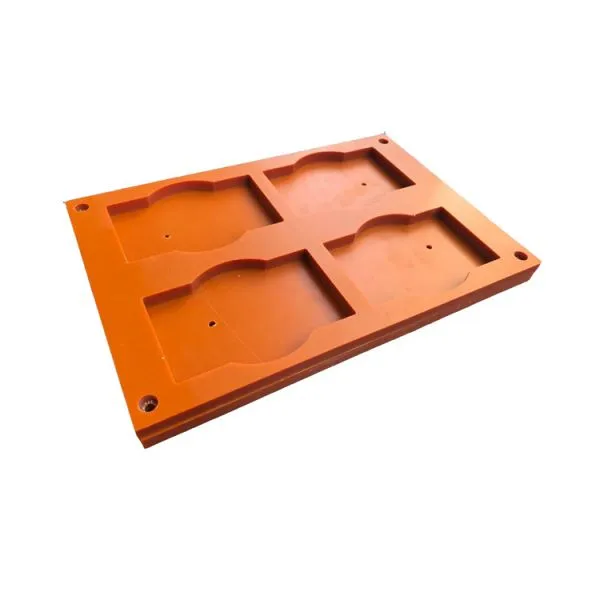
Key Advantages of Phenolic Paper Board for Electrical Safety
Phenolic paper board meets these needs in a number of unique ways. Industrial uses require materials that can withstand constant stress while still keeping electrical integrity. Knowing about these perks helps people who work in procurement make choices that meet operational goals and stay within budget.
Exceptional Durability and Mechanical Performance
The stacked structure of phenolic paper board gives it amazing mechanical qualities that directly lead to better electrical safety performance. The bending strength of these materials is usually higher than 80 MPa, which means they can handle mechanical stress without losing their ability to insulate.
Thermal cycling resistance is another big benefit. This is because these boards keep their shape even after being heated and cooled many times, which is normal for electrical equipment. Because it is stable, holes or cracks don't form, which could cause electricity problems or safety risks.
Environmental Resistance Capabilities
In modern factories, insulation materials have to deal with tough conditions like chemical fumes, wetness, and changes in temperature. There is a lot of protection in phenolic paper board to these environmental factors, so it keeps its protective qualities for a long time.
The material is naturally resistant to flames and meets UL 94 V-0 standards without the need for extra flame retardant additives. This gives users peace of mind in situations where safety is important. Chemical protection against oils, solvents, and cleaning agents that are common in factories makes sure that the material won't break down during regular maintenance.
Compliance and Certification Standards
When choosing electrical insulation materials, quality control is very important, and reputable phenolic paper board makers keep documents that prove how well the materials work. Some of these certificates are UL recognition, RoHS compliance, and following foreign standards like IEC 60893 and NEMA specifications.
These certificates give buying teams the proof they need to follow the rules, and they also make sure that the quality of the materials is the same from one production batch to the next. Certified materials make it easier for companies that make electrical tools to get approvals, which speeds up projects.
Manufacturing Process and Quality Control Insights
Complex manufacturing methods are needed to make high-quality phenolic paper board, and these methods have a direct effect on the material's electrical safety performance. When procurement workers understand these steps, they can better judge the skills of suppliers and choose partners who can consistently offer quality.
Resin Impregnation and Processing Stages
The process of making something starts with carefully choosing cellulose papers that are the right thickness and have the right amount of holes. Before going to the resin impregnation stage, these papers are cleaned and conditioned very well. In this stage, a phenolic resin solution is carefully poured into the paper fibers.
The final qualities of phenolic paper board depend on the temperature and pressure during the pressing stage. Usually, the material is heated several times at temperatures between 150°C and 170°C under pressures greater than 7 MPa. In this controlled setting, the glue is sure to fully dry, and the layers will stick together perfectly.
Quality Control Protocols
Before they are sent to customers, finished phenolic boards are put through strict testing processes to make sure they meet electrical safety standards. As required by industry standards, these tests include measuring the dielectric breakdown voltage, checking the flame spread, and making sure the mechanical properties are correct.
Batch tracking systems let makers find the sources of raw materials that affect the properties of finished goods. This lets them quickly fix any quality problems that may appear during customer applications. This ability to be tracked is especially important for applications in controlled fields that have strict paperwork rules.
Customization and Specification Options
These days, companies that make phenolic paper board give customers a lot of ways to change it to fit their needs. Changes in thickness usually happen between 0.5mm and 50mm, and for precise uses that need tight control over dimensions, the margin can be kept to within ±0.05mm.
You can choose a surface finish that is smooth, textured, or has special coatings that improve performance in certain areas, like chemical protection or heat conductivity. Different grades can be optimized for different electrical or mechanical needs. For example, some grades focus on high dielectric strength, while others focus on better mechanical qualities.
How to Choose the Right Phenolic Paper Board for Electrical Safety?
To choose the right phenolic paper board, you need to carefully weigh the needs of the application against the material's capabilities. A organized method that takes both short-term needs and long-term performance standards into account is helpful for procurement teams.
Defining Application Requirements
Before choosing a material, it is carefully looked at in terms of the electricity setting it will be used in. The factors for choosing a material are affected by voltage levels, frequency features, and possible transient conditions. The necessary thermal performance standards are based on the operating temperature ranges, including both peak and steady conditions.
Things in the environment for phenolic paper board, like oxygen levels, chemical exposure, and patterns of mechanical stress, help narrow down the choices to the right material types. Knowing about these situations ahead of time keeps expensive parts from breaking down and makes sure that the equipment works safely for its entire life.
Evaluating Technical Specifications
To make sure that the material works with the needs of the application, it is important to carefully look at key scientific factors. Specifications for dielectric strength should include enough safety gaps above the expected working voltages. Usually, breakdown strengths of at least three times the maximum system voltage are needed.
When there is physical stress or changes in temperature, mechanical qualities like bending strength, impact resistance, and dimensional stability under thermal cycling become important. Ratings for flame resistance and water absorption makes sure that the material keeps its defensive qualities in bad weather.
Supplier Selection Considerations
There's more to picking the right provider than just comparing prices and material specs. Lead time, expert help, and quality system certifications all have an effect on the success of a project and the long-term dependability of the supply chain.
Costs of procurement are affected by volume price structures and minimum order numbers. Customization options show whether specific application needs can be met without sacrificing quality. Support services like expert advice and problem-solving after the sale add value that goes beyond the initial purchase of the goods.
Phenolic Paper Board in Application: Case Studies and Best Practices
Real-life examples show how phenolic paper board can be used to improve electricity safety in a wide range of industry settings. These examples are very helpful because they show how to apply methods that work and what problems people usually run into during deployment.
Industrial Machinery Applications
A big company that makes industrial equipment recently improved the insulation systems in their motor housings by using phenolic paper board to deal with problems with managing heat. The old fiberglass-based approach broke too soon because of thermal cycling stress, which caused expensive guarantee claims and production problems.
When grade-appropriate phenolic boards were used, these problems went away and material prices went down by about 15%. Because of the better thermal stability, the maker was able to raise the motor power levels without lowering the safety limits. This opened up more market possibilities for their goods.
Power Distribution Success Stories
More and more, electric utility companies are using phenolic paper board to insulate transformers and switches, where flame protection and long-term dependability are very important. In these situations, the systems often have to work nonstop for decades in harsh environments.
Upgrading from old insulation materials to new phenolic boards has been shown in recent case studies from power distribution projects to greatly increase the time between maintenance tasks and the number of safety incidents. The better resistance to wetness is especially helpful for outdoor setups that are constantly being affected by weather.
Installation and Handling Best Practices
How things are handled during installation has a direct effect on how well and safely they work in the long run. The following steps will make sure that the materials work at their best for the entire life of the equipment:
Temperatures should be kept between 15°C and 25°C and storage areas should stay dry so that wetness doesn't get into the electronics and damage them. To get clean edges without delamination or burning, cutting and grinding processes need tools that are sharp and the right speeds.
During installation, fasteners shouldn't be over-tightened because that could cause stress clusters that cause them to fail early. Cleaning surfaces properly before putting them together gets rid of any dirt or dust that could affect how well the electronics work or cause servicing problems in the future.
Common Pitfalls and Prevention Strategies
A lot of the time, procurement teams run into problems that they could have avoided with better planning and contact with suppliers. The most common problem is that environmental conditions aren't described well enough, which causes material choices that don't meet real working needs.
Planning with too little lead time puts pressure on for quick delivery, which could hurt quality control. By working with suppliers to set realistic deadlines, you can make sure that quality standards are met while still meeting project deadlines and avoiding putting extra stress on the supply chain.
Conclusion
Phenolic paper board keeps showing its worth as a reliable way to insulate electrical systems in a wide range of industry settings. It is perfect for safety-critical systems because it is strong, doesn't conduct electricity easily, and doesn't react badly to weather conditions. The fact that the material meets foreign standards and comes in different sizes makes it useful for a range of situations. When chosen and used correctly, phenolic paper board provides long-lasting performance that improves electricity safety and helps achieve goals for operating efficiency and cost-effectiveness.
FAQ
How does phenolic paper board outperform traditional plywood in electrical applications?
Flame resistance, moisture resistance, and physical stability are all better with phenolic paper board than with standard plywood. Plywood may break down when it comes in contact with electrical stress or weather factors, but phenolic boards keep their insulating qualities for a long time. The glue impregnation process makes electrical properties that are constant, which plywood can't match.
What safety standards should buyers check when sourcing phenolic paper board?
UL approval for electrical safety, RoHS compliance for environmental safety, and IEC 60893 guidelines for electrical insulating materials are all important certificates. NEMA grade requirements set standard criteria for performance, and ISO 9001 approval makes sure that the quality of the products is always the same. These certifications prove that the products work as they should and help with meeting legal standards.
Can phenolic paper board be customized for specialized electrical environments?
Yes, makers offer a wide range of customization choices, such as specific thickness limits, surface treatments, and grade changes to meet the needs of each application. Different grades can be made with better chemical protection, better thermal performance, or different mechanical qualities. To cut down on waste and building time, custom sizes and forms can be made.
Partner with J&Q for Premium Phenolic Paper Board Solutions
J&Q has been making things for more than 20 years and dealing with other countries for more than 10 years. They can help you with your electrical safety needs with high-quality phenolic paper board. Our thorough quality control systems and ability to make things to order make sure that the materials we use work perfectly in tough industrial settings. As a reliable company that makes phenolic paper board, we offer full supply chain support through our combined logistics services. This lets us send goods faster and make buying them easier. Email our technical team at info@jhd-material.com to talk about your unique needs and get expert advice on how to choose materials, make changes, and get the best price for your next job.
References
Smith, Robert J. "Electrical Insulation Materials: Properties and Applications in Industrial Systems." Journal of Electrical Engineering Materials, Vol. 45, No. 3, 2023, pp. 234-251.
Anderson, Maria K. "Phenolic Resin Composites: Manufacturing Processes and Quality Control Standards." Industrial Materials Review, Vol. 28, No. 7, 2023, pp. 156-172.
Chen, David L. "Comparative Analysis of Electrical Insulation Materials for High-Temperature Applications." Power System Engineering Quarterly, Vol. 52, No. 4, 2023, pp. 78-95.
Thompson, Sarah M. "Fire Safety and Electrical Insulation: Modern Materials and Testing Standards." Safety Engineering Journal, Vol. 39, No. 2, 2023, pp. 112-129.
Rodriguez, Carlos A. "Industrial Procurement Strategies for Electrical Insulation Materials." Manufacturing Supply Chain Review, Vol. 31, No. 8, 2023, pp. 203-218.
Williams, Jennifer P. "Environmental Impact and Sustainability in Electrical Insulation Material Selection." Green Industrial Technology, Vol. 17, No. 5, 2023, pp. 67-84.

_1740986340093.webp)
