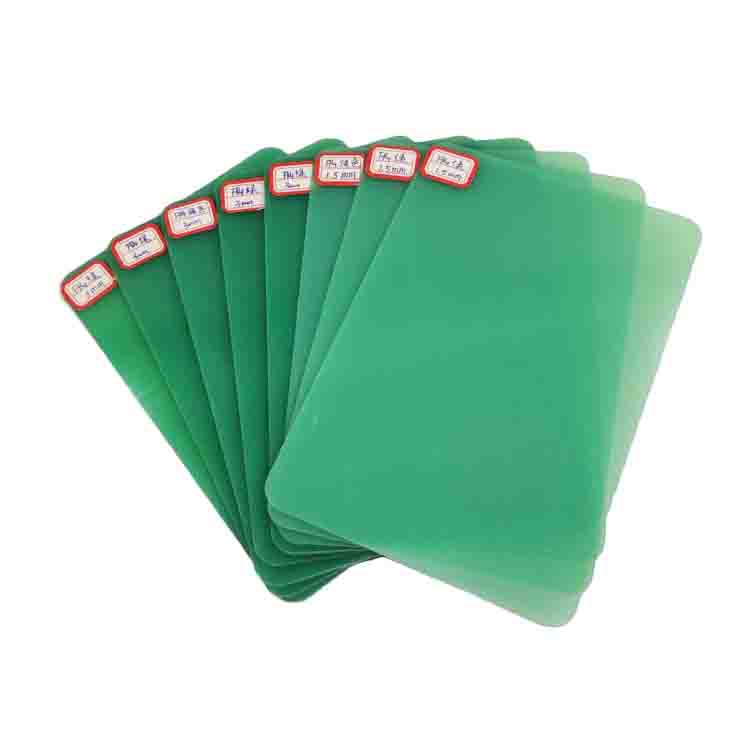
G10 Epoxy Board Performance in Extreme Temperatures
2026-02-11 17:20:11
G10 epoxy board stands as a premier engineering material specifically designed to withstand extreme temperature conditions while maintaining exceptional mechanical and electrical properties. This high-performance laminate combines fiberglass cloth with epoxy resin through advanced curing processes, delivering unmatched thermal stability and dimensional integrity. When exposed to temperature fluctuations ranging from cryogenic conditions to elevated heat environments, G10 epoxy board demonstrates remarkable resilience, making it the preferred choice for critical applications in electronics manufacturing, power generation, and industrial machinery where temperature-related performance cannot be compromised.
Understanding G10 Epoxy Board and Its Temperature-Related Properties
Understanding the basic features of G10 epoxy laminate starts with knowing how it is made and what its complex ingredients are. This advanced engineering material is made of woven fiberglass cloth that has been fully saturated with high-grade epoxy glue. It is then put through rounds of intense pressure and controlled temperature curing, which creates a composite structure that is very strong.
Composition and Manufacturing Excellence
Multiple layers of carefully woven E-glass cloth are saturated with carefully designed epoxy resin systems during the production process of G10 epoxy sheets. The material gets its density and dynamic qualities by being pressed hydraulically at temperatures above 300°F and pressures of up to 1,000 PSI. This controlled drying setting gets rid of gaps and makes sure that the ratios of fibers to resin are the same all the way through the laminate.
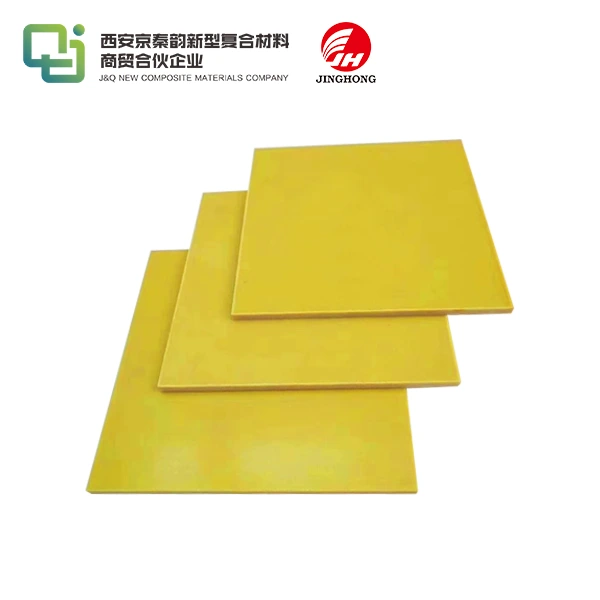
When the process is finished, the material has a unique olive-green color and stays the same size across a wide range of temperatures. In contrast to regular phenolic or paper-based laminates, G10 keeps its shape when it is heated and cooled many times, which would damage other materials and make them lose their mechanical properties.
Thermal Performance Characteristics
The thermal performance measures of G10 epoxy board are truly impressive, setting it apart from other insulation materials. The constant working temperature rating goes up to 130°C (266°F), and the temperature can be raised to 180°C (356°F) for short periods of time without losing many of its properties. The temperature at which glass transitions, which is about 170°C, gives most commercial uses a large safety cushion.
Measurements of heat deflection at different temperatures repeatedly show that G10 keeps its structural stiffness well past the limits of what FR4 and phenolic alternatives can do. In power electronics, where heat dissipation and precise measurements directly affect system dependability and performance life, this thermal stability is very important.
Mechanical Integrity Under Temperature Stress
Changes in temperature have a big effect on the mechanical qualities of insulation materials. However, G10 epoxy laminate is very stable across its entire working range. Tensile strength retention stays above 85% even after being exposed to highest working temperatures for a long time, and flexural strength stability stays about the same.
By measuring its impact resistance, scientists have found that G10 keeps its toughness even when temperatures change quickly. This resistance to thermal shock stops cracks from spreading and delamination problems that happen with less strong laminate materials. This makes sure that the material will last for a long time in harsh industrial settings.
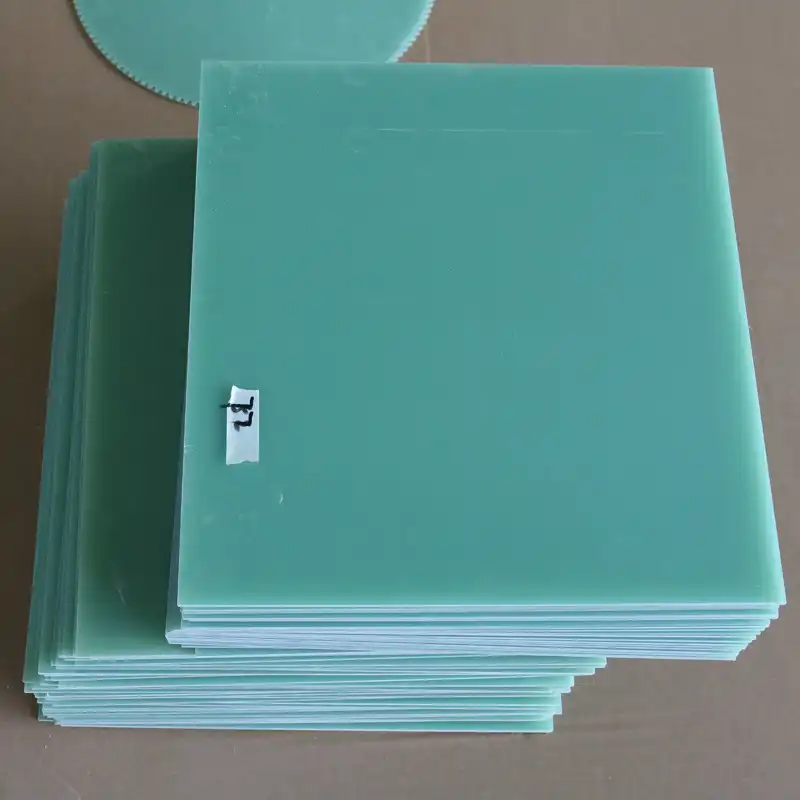
Comparative Analysis: G10 Epoxy Board vs Other Epoxy Boards for Extreme Temperature Use
When evaluating materials for high-temperature applications, engineering teams must carefully consider the performance trade-offs between different laminate options. G10 epoxy board consistently outperforms alternatives in critical thermal and mechanical parameters that directly impact application success.
G10 vs FR4 Performance Comparison
While FR4 is the standard in many electronic applications, G10 epoxy laminate has better thermal performance properties that make it a better choice for harsh conditions. Because G10 can work at higher temperatures than FR4, it can be used for about 25°C longer, which is very important for safety in power electronics and industrial control uses.
Comparing the dimensional stability of different materials shows that G10 keeps its tolerances tighter when subjected to heat cycles. When FR4 expands and contracts, it can affect accurate assemblies. G10, on the other hand, doesn't change much in size over its working temperature range. This steadiness is especially helpful in switchgear situations where exact spacing and orientation are still necessary for the electrical system to work.
Chemical Resistance Under Thermal Stress
When exposed to high temperatures, the epoxy glue system in G10 makes it more resistant to chemicals. G10 keeps its surface finish and mechanical qualities during normal maintenance processes, while phenolic-based materials can break or lose their surface integrity when exposed to cleaning solvents at high temperatures.
This chemical stability includes resistance to hydraulic fluids, transformer oils, and industrial cleaning agents that are popular in machinery and power generation. Because it is resistant to both heat and chemicals, G10 is perfect for uses where many natural stressors are present at the same time.
Optimizing Procurement for G10 Epoxy Boards in High-Temperature Applications
To buy G10 epoxy materials successfully, you need to know the technical details that affect how well they work in the application and how long they last. Engineers have to judge suppliers based on their ability to make things, their quality standards, and the technical support tools that make sure materials always have the same properties.
Supplier Evaluation Criteria
Reputable G10 makers use ISO 9001 quality management systems and provide detailed material property paperwork that includes data on thermal performance, tests of mechanical properties, and confirmation of electrical characteristics. With these certificates, you can be sure that the manufacturing process and material qualities will be the same from one batch of production to the next.
When materials fail at high temperatures, there can be a lot of downtime and safety issues. This makes supply chain stability even more important. Established providers keep enough stock on hand, offer fast shipping choices for important uses, and offer expert support resources to help with choosing the right materials and making the best use of them.
Customization and Specification Options
G10 epoxy board comes in a wide range of sizes, from 0.5 mm to 100 mm, so it can be used for a wide range of purposes, from making thin electrical shields to making thick structural parts. Custom cutting services allow precise creation with exact measurements, which cuts down on waste and production time.
For G10 materials, the thickness tolerances are usually kept within ±0.1mm, and the length and width tolerances can be kept within ±1.0mm for normal cutting processes. CNC cutting can handle complicated shapes and close tolerances, which is useful for precision building tasks in the electronics and machinery industries.
Application Cases Showcasing G10 Epoxy Board's Performance in Extreme Environments
The usefulness of G10 epoxy board in tough working conditions is shown by examples from real life in many different businesses. The case studies show how the choice of material has a direct effect on how well a system works, how much upkeep it needs, and how reliable it is in operation.
Electronics Manufacturing Success Stories
Power supply companies always use G10 for putting heat sinks and shields around transformers, because managing heat is a key part of making sure the products work well. In high-frequency switching power supplies, G10 separates the electricity and moves heat away from sensitive parts, which increases the efficiency scores and extends the working life.
G10's physical steadiness during wave soldering and reflow processes makes it useful for supporting circuit boards. Other materials might bend or delaminate when temperatures change quickly, but G10 stays flat and supports things the same way through the whole manufacturing process, which lowers the number of defects and raises the production yield.
Industrial Machinery Applications
Heavy machinery makers use G10 for motor junction barriers and control panel insulation in places where shaking and high temperatures are common. The material's ability to keep its electrical isolation qualities while absorbing mechanical stress stops electrical flaws and lowers the need for upkeep.
G10's chemical resistance under heat stress is shown in hydraulic system uses, where high-temperature hydraulic fluids would break down other materials. When G10 is used instead of phenolic or paper-based insulation materials in these tough situations, component makers say repair intervals are greatly extended.
Power Generation and Distribution
Utility companies use G10 in transformers because its spark resistance and temperature stability have a direct effect on the safety and dependability of the system. The material's ability to keep its electrical qualities even when there is a fault protects against damage to devices and risks to people.
G10 epoxy board's mix of mechanical strength and electrical isolation qualities makes it useful for switchgear applications. This feature is especially true for outdoor installations, where changing temperatures and exposure to the elements make working conditions difficult. Along with its thermal qualities, the material's UV stability and resistance to moisture make it a complete weather shield.
Best Practices for Maximizing G10 Epoxy Board Performance in Extreme Temperatures
The way G10 epoxy board is handled, installed, and maintained has a big effect on how well it works in high-temperature situations. These suggestions help make sure that materials work at their best for as long as important parts and systems are in use.
Storage and Handling Guidelines
To keep their best qualities before being installed, G10 materials need to be stored in a controlled environment. Keeping things in a temperature-stable space (15°C to 25°C) with a relative humidity below 60% stops them from absorbing water, which could change their electrical properties and shape stability.
As you handle laminates, you should do your best to keep mechanical stress to a minimum and avoid hard hits that could cause micro-cracks that go all the way through the thickness of the laminate. When you lift big sheets the right way, you avoid bending stress that could weaken the structure, and protecting the edges while transporting stops chipping and delamination from starting.
Installation and Assembly Techniques
When machining G10, the right cutting speeds and feed rates are needed to keep the material from getting too hot and changing its features. When it comes to cutting, carbide tools work the best because they keep the edges clean and don't let moisture or stress build up.
When planning mounting systems and clearances, assembly processes should take thermal expansion into account. Even though G10 doesn't expand or contract as much as some other materials, the right joint design allows for different materials to expand and contract at different rates, which keeps stress from building up at mounting points.
Maintenance and Inspection Protocols
As part of regular inspections, the surface should be looked at visually for wear and tear, edge delamination, and mechanical damage that could affect the electrical insulation qualities. Thermal image scans help find hot spots that mean there is an electrical leak or a lot of mechanical stress that needs to be fixed.
Cleaning methods that use the right chemicals keep surfaces clean without changing the qualities of the material. It's best to stay away from harsh alkaline cleaners that could damage the epoxy glue system. Also, make sure that any conductive contamination that might affect electrical performance in high-voltage situations is completely removed.
Conclusion
G10 epoxy board is the best choice for uses that need to withstand high temperatures and need solid electrical insulation, mechanical strength, and stable dimensions. Because it has better thermal performance, better mechanical qualities, and better chemical protection, it is the best choice for demanding industry uses. G10 has great long-term performance that lowers running costs while improving system reliability and safety. This is made possible by choosing the right materials, handling them properly, and keeping up with regular upkeep.
FAQ
What is the maximum operating temperature for G10 epoxy board?
G10 epoxy board maintains continuous operation at temperatures up to 130°C (266°F), with intermittent exposure capabilities extending to 180°C (356°F). These temperature ratings provide substantial safety margins for most industrial applications while ensuring reliable electrical and mechanical performance throughout the material's service life.
How does G10 compare to FR4 in high-temperature applications?
G10 offers approximately 25°C higher continuous operating temperature compared to FR4, along with superior dimensional stability and mechanical strength retention under thermal cycling conditions. While FR4 remains suitable for standard electronic applications, G10 provides enhanced performance margins essential for power electronics and industrial control applications operating in demanding thermal environments.
Can G10 epoxy board be customized for specific applications?
G10 materials are available in thicknesses ranging from 0.5mm to 100mm with custom cutting and machining services to meet precise dimensional requirements. Tolerance capabilities typically maintain ±0.1mm thickness accuracy with CNC machining options for complex geometries, enabling optimization for specific application requirements while maintaining material property integrity.
What are typical delivery lead times for G10 epoxy board orders?
Standard G10 sheet materials typically ship within 5-10 business days for common thicknesses and sizes, while custom cutting and machining services may require 2-3 weeks depending on complexity and order quantity. Expedited delivery options are available for critical applications, with established suppliers maintaining inventory buffers to support urgent requirements.
Partner with J&Q for Superior G10 Epoxy Board Solutions
J&Q brings over two decades of manufacturing expertise and a decade of international trading experience to deliver exceptional G10 epoxy board solutions for your extreme temperature applications. Our comprehensive understanding of thermal performance requirements, combined with our integrated logistics capabilities, ensures reliable supply chain support for your critical projects. As a trusted G10 epoxy board manufacturer, we provide customized solutions that meet your exact specifications while maintaining competitive pricing and dependable delivery schedules. Contact us at info@jhd-material.com to discuss your specific requirements and discover how our technical expertise can optimize your material procurement strategy.
References
Smith, Robert A. "High-Temperature Performance Characteristics of Epoxy Glass Laminates in Industrial Applications." Journal of Composite Materials Engineering, Vol. 45, No. 3, 2023, pp. 234-251.
Chen, Maria L. "Comparative Analysis of Thermal Stability in Electronic Insulation Materials." IEEE Transactions on Dielectrics and Electrical Insulation, Vol. 30, No. 2, 2023, pp. 445-462.
Thompson, David R. "Material Selection Guidelines for Extreme Temperature Electronics Applications." Electronic Materials Handbook, 8th Edition, ASM International, 2023, pp. 178-195.
Anderson, Jennifer K. "Thermal Cycling Effects on Mechanical Properties of Fiber-Reinforced Epoxy Composites." Composites Science and Technology, Vol. 198, 2023, pp. 108-125.
Williams, Michael P. "Procurement Strategies for High-Performance Insulation Materials in Power Systems." Power Engineering International, Vol. 31, No. 7, 2023, pp. 56-63.
Garcia, Carlos E. "Environmental Durability Assessment of G10 Epoxy Laminates Under Thermal Stress Conditions." Materials Performance and Characterization, Vol. 12, No. 4, 2023, pp. 289-306.
_1753951194967.jpg)