EPGM203 Laminate for Motor Insulation and Electrical Supports
2026-11-02 17:22:58
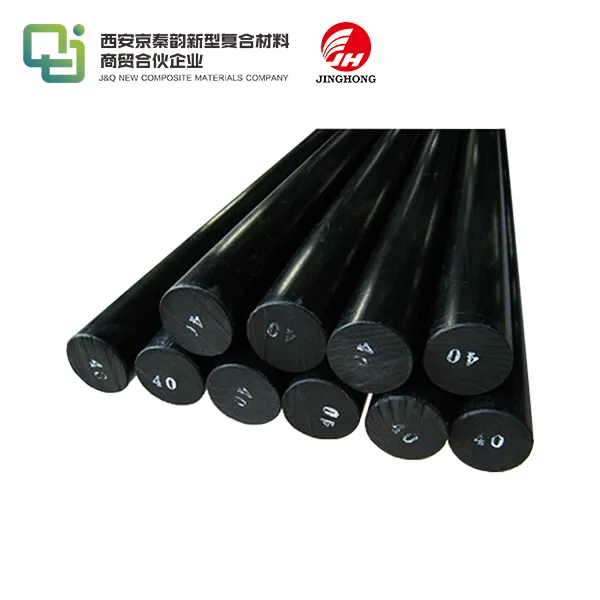
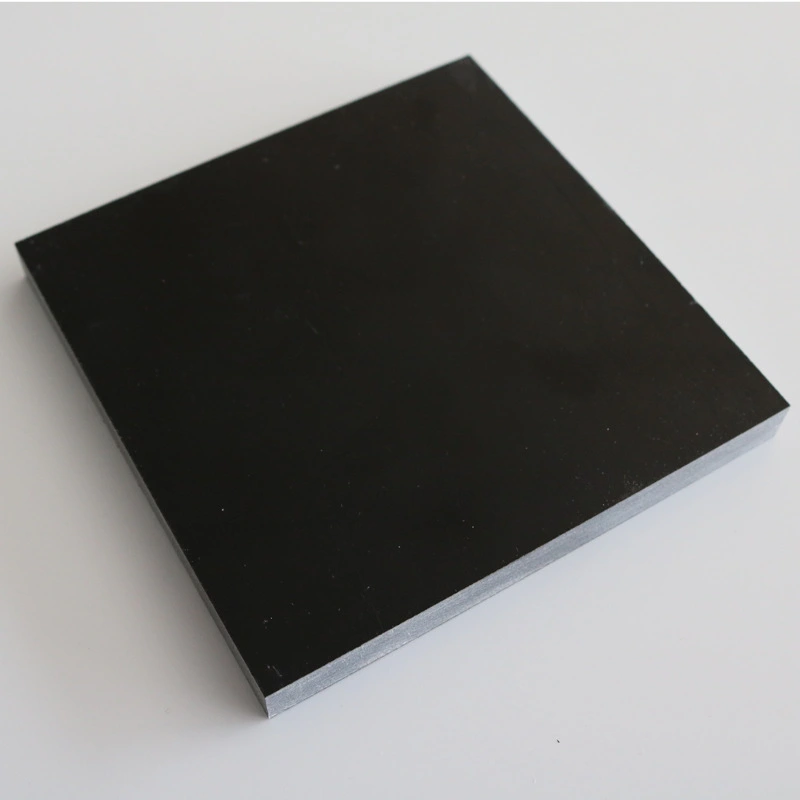
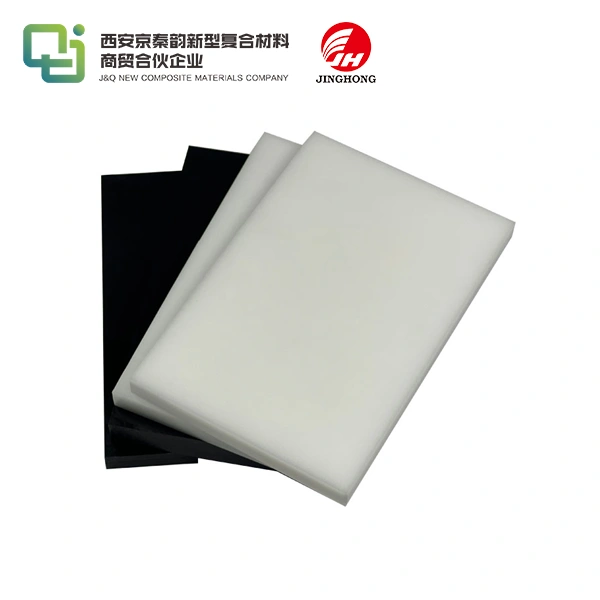
EPGM203 laminate is an epoxy glass mat sheet that gives motors and electrical equipment rigid insulation and mechanical support in one part. It pairs an epoxy resin matrix with a glass fiber mat, so it holds its shape under load and machines into spacers, barriers, and supports. I recommend it when a design needs dielectric protection plus structural strength. Always confirm the grade, standard, and datasheet values before approval, because similar names can hide different test results. This guide covers properties, uses, comparisons, selection steps, quality checks, and buying tips for engineers and procurement teams in the United States.
What Is EPGM203 Laminate and How Does It Perform?
EPGM203 Laminate Definition and Reinforcement
Heat sets the EPGM203 laminate into a hard sheet. Heat and pressure are used to fix the glass fiber mat after it has been mixed with epoxy glue. The name comes from the IEC 60893 series for sheets that are glued together with epoxy. There are two different names for the same thing: "EPGM203" and "EPGM 203." The fibers in glass mat are placed randomly, while the fibers in glass cloth are sewn together in a pattern. This means that one or both of them can be tougher to work with. If a buyer wants to know the exact grade, resin system, and reinforcement, I tell them to look at the manufacturer's datasheet first. Because of that one check, most design mistakes can't happen.
Key Properties to Check on the Datasheet
On a good datasheet, the test method is written next to each number for electrical, mechanical, temperature, and moisture. A lot of the time, ASTM D790 is used to test flexural strength, and ASTM D149 is used to test dielectric strength. If the temperature is 130°C, it's called B, the temperature is 155°C, and the temperature is 180°C. It is also important to look at the volume resistivity, compression strength, and physical stability, along with the electrical resistance. I don't promise anything when I use average values because they change based on the thickness, humidity, temperature, and direction of the test. Be sure that the samples you use are right and that you get measured test results when you work with motors or high voltage.
EPGM203 Laminate vs. FR4, G10, and G11
It says in NEMA LI 1 that FR4, G10, and G11 are all types of glass cloth epoxy. With FR4, there is less risk of fire, and the goal is UL 94 V-0, which means that a vertical piece stops burning in 10 seconds. And that flame suppressant isn't in G10. G11 is often chosen when it's important to be strong at higher temperatures. Since mats are used to reinforce EPGM203 laminate, its reaction to flame, heat, and water should all be checked separately. When you look at possibilities, use the same standards, width, and flavor on all of them. Don't try to figure out the flame rating by the grade name. Ask for the test report if your plan needs one.
Applications of EPGM203 Laminate in Motors and Electrical Equipment
Motor Insulation Parts
For people who make motors, EPGM203 laminate can be used to make parts that keep the ends of lines cool, spacers, shims, phase separators, and barriers. A phase separator sits between two phase coil ends and keeps them from touching. It has a frame that holds the wires in place while they are heated and cooled. Since one sheet can do both insulation and stiffness, design teams can make things easier to put together by cutting down on the number of parts they need. Things that are fixed and maintained work the same way as generators. It can still work less well if the voltage, operating temperature, mechanical load, or contamination are not right. I believe you should check the thermal class on the document against the motor's protection system before you buy the part.
Electrical Supports for Switchgear, Transformers, and Controls
EPGM203 laminate isn't just for motors. It can be used for other things too. It can hold up busbars, be used to make terminal boards and parts for switches, hold up transformers, and make special mounting pieces. When it comes to switchgear, a hard insulating divider keeps the powered parts from moving and keeps them farther apart. Coils and leads stay in place in transformers with the help of supports. Before they can be used in control tools, terminal boards and bearing plates must stay flat. Because the laminate can't replace system-level insulation design, make sure to check for creepage and clearance lengths in your plan. It is necessary to compare this material to others and do an engineering review for uses that need to handle partial discharge, heavy impact, chemical exposure, or need to be used with a certain type of flame.
Industries That Buy EPGM203 Laminate
In the U.S., people from lots of different fields buy things. Engineers who work with electricity and electronics need parts that can be machined and supports that keep electricity from moving. People who build industrial equipment are looking for spacers and structural insulation that stays the same thickness. Electricity and power companies use sheets to hold wires, make walls, and keep heat out. Automobile providers want insulation pads and fasteners that can handle high temperatures. Home appliance brands want motor frames and heat separation parts that are delivered quickly and in stable batches. Because of this, I always start with the application when I suggest a grade. Each sector has its own rules about temperature, flame behavior, and tolerance. All of these things mean that one document doesn't always work for all projects.
How to Select EPGM203 Laminate for a Motor or Electrical Project?
Start With Operating Conditions
The first things that are picked are the tools and how long they will last. Writing down the voltage, the high temperature, the constant temperature, the mechanical load, the vibration, the humidity, the contamination, and the gaps that can be reached comes in handy. Include how the product was made, such as whether it was stamped, CNC cut, or put together by hand, as this affects how long and how accurately the machine needs to work. Once you have those factors, turn them into standards that can be checked. There should be limits for electrical, mechanical, temperature, moisture, tracking, and dimensional factors, along with a test standard and a good number for each. Both engineers and buyers can work toward the same goal with this type of written standard. It also makes it easier to compare quotes from different sources.
Balance Thickness, Rigidity, and Fit
Being thick costs money. Thick sheets are stiffer and have better dielectric strength, but they are heavier, take longer to machine, and put more pressure on small spaces. Little sheets can fit in little holes, but when they're loaded, they might bend or break. If the spacer changes from batch to batch, it can be hard to put the parts together. Check the width range. Think about how the part's temperature will change when it's close to metal. People should test two thicknesses in a pilot run, and the one that meets the electrical limit with the least amount of material is the one they should choose.
Prepare the Information a Supplier Needs
I ask buyers to send the following with their order:
• Drawings and tolerances: Send a PDF or CAD drawing with a size. Write down what you need in terms of shape, hole shapes, edge finish, and flatness. Note the number of reviews needed to make sure that all quotes are in line with the most recent design. Because the models are clear, they don't have to send as many emails before the first copy ships.
• Operating conditions: State the voltage, constant temperature, peak temperature, humidity, and mechanical load. They tell you if a normal sheet is enough or if they need more test results. For this reason, the use is just as important as the part number. A motor winding support and a switchgear barrier are both under different amounts of stress.
• Volume and delivery: List the first order's amount, the yearly forecast, the target delivery date, and the location of the shipment. Lots of tools or machines are often bought by people more than once. A forecast helps with planning how to make and package things. We can also offer shipping by sea, air, or both to your site in the U.S. through our own logistics company.
We can give you a useful specification for an EPGM203 laminate instead of a general grade if you give us these three things.
EPGM203 Laminate Quality, Machining, and Purchasing Risks
Manufacturing and Inspection Checks
When an OEM or distributor places multiple orders, controlling the supplier is just as important as making sure the materials work well. Ask the plant how they handle the reinforcement and resin, pressing and curing, making sure the thickness and shape are always the same, and keeping records for each batch. The check should look at the size of the part, any delamination or warping, cracks, gaps, surface flaws, and how it works electrically and mechanically. This saves time because many suppliers offer non-standard thicknesses, sheets that can be cut to size, drilling, routing, and CNC machining. Make sure you know how long it takes to get samples, how long it takes to make something, how many you need to order to start, how to export, and how to package things to ship by sea or air.
Machining and Installation Practices
Because it's made of glass fiber, this stuff is rough, and breaking it makes fine dust that is bad for your skin and breathing. When cutting with water, masks, gloves, and HEPA-filtered air should all be used. For the money, carbide tools are the best, but polycrystalline diamond tools hold their shape better when you use a lot of them. Before making a lot of them, do a test run to look for curls, burrs, frayed edges, heat damage, or holes that are too big. While it's being put together, check the fastener pressure, hole condition, surface cleanliness, edge finish, and contact with conductive parts. There is still work to be done to compare the finished part to the whole electrical design.
Common Purchasing Risks and How to Avoid Them
When someone buys something, most problems start when they only look at the name, the dielectric strength, or some numbers from different tests. You might not know what kind of supports, resins, limits, or test methods are behind names that sound the same. Layers that come apart, edges that fray, holes that are too big, tool wear, missing certificates, and uneven batches are all things that can go wrong with production. Five controls come to mind: a standard comparison matrix, an approved sample, first-article inspection, lot traceability, and a way to let people know about changes. There is less danger with these steps, and they also show the real landing cost, which is made up of things like freight, taxes, scrap, and the price of the sheet itself.
Buying EPGM203 Laminate: Pricing, Samples, and Supplier Selection
What Affects EPGM203 Laminate Pricing?
Prices depend on the thickness, sheet size, performance requirements, order quantity, custom cutting, CNC machining, inspection, packaging, freight, location, and the market state. There should be a clear list of the grade, size, number, use, certificates, plans, Incoterm, and delivery date in a good quote. A sentence can be about two different things but still look the same on paper if some parts are left out. It's important for buyers to see the full landed cost, not just the sheet cost, because shipping, rejects, and machining all change the final number. Once someone asks for something, it doesn't take long for them to get a firm offer.
When to Order Samples and Which Documents to Request?
Samples are a good way to make sure a new seller is qualified for precise cutting, high temperatures, high-voltage insulation, tight flatness, or high temperatures. A sample can be used by your team to check the fit, edge quality, and machining response before a big order is placed. Ask for the most recent datasheet, inspection report, certificate of conformity, batch tracking, standard references, and directions on how to make the part. In the first email, let the seller know if your program needs UL or RoHS paperwork. This way, the supplier can be sure they can provide it. Things that can handle high temperatures or electricity need more than just a grade name to prove it. Test results are more important than signs.
Choosing a Supplier: Why J&Q
A good supplier will answer technical questions quickly, give you clear datasheets, keep an eye on quality, and handle all of your export paperwork. Insulation sheets have been made and sold by J&Q for more than 20 years. We've done business with other countries for more than 10 years. Our business has been working with trade firms in the U.S. and other places for a long time. We can offer a full service now that we have our own logistics company, from providing materials to shipping them. Tell our team about your plans and what you need, and we'll let you know what we can offer, like options that are cut to size or machined. At jhd-material.com, you can read about our goods.
Conclusion
What is EPGM203 laminate? It is an epoxy glass mat sheet that is used to protect motors and hold up electrical wiring. A laminate piece needs to keep heat in and support weight at the same time. As long as the numbers read from the manual are clear, it doesn't matter what the grade is called. The same standards should be used to compare EPGM203 laminate to FR4, G10, and G11. A lot of different types of technology, machinery, power tools, cars, and home products use things like phase separators, winding supports, busbar supports, and terminal boards. Details depend on how the product will be used, its thickness, and its tolerance. Some of the things that make it less likely to buy something are quality checks, careful work with the right tools and ways to keep dust down, and early samples. A good way for buyers to choose a supplier is to ask for a full quote and look at the total landed cost.
FAQ
What is EPGM203 laminate used for?
It is used for hard insulation and building blocks in motors, switches, transformers, and control equipment, such as spacers, barriers, and terminal boards. The load, power, and temperature all affect how well it works.
Is EPGM203 laminate the same as FR4?
That's not right. FR4 is a type of flame-resistant glass cloth, and EPGM203 laminate is a type of glass mat support. When you compare their datasheets, flame test results, and temperature data, use the same rules.
What do I send when I ask for a quote?
Send drawings, the thickness, the size, the amount, the annual estimate, the working voltage and temperature, the papers that are needed, the packing that is needed, and the address where the goods need to be shipped.
Does machining EPGM203 laminate need special tools?
Yeah, tools that are used on glass fiber get worn down quickly. If you need to do a lot of work, you might want to use diamond tools instead of carbide ones. Protect your lungs and use HEPA extraction to get rid of dust.
Can J&Q arrange shipping to the United States?
Since we have our own logistics company, we can talk about ships and planes. Make sure the facts are clear with our sales team before you send your question.
Request an EPGM203 Laminate Datasheet, Sample, or Quote from J&Q
Want to buy EPGM203 laminate for the next job that needs to hold up a motor or electricity? J&Q has its own shipping company, so it can offer one-stop service. We've also been working with insulation sheets for more than 20 years. We have also done business with other countries for more than 10 years. You can send your drawings, amount, and shipping needs to info@jhd-material.com or go to jhd-material.com. Our team will send you a datasheet, some sample options, and a quote that fits your needs as soon as we get back to you.
References
1. IEC 60893-3-2: Insulating Materials – Industrial Rigid Laminated Sheets Based on Thermosetting Resins for Electrical Purposes – Epoxide Resin Rigid Laminated Sheets, 2011
2. NEMA LI 1: Industrial Laminated Thermosetting Products, 1998
3. UL 94: Tests for Flammability of Plastic Materials for Parts in Devices and Appliances, 2013
4. ASTM D149: Standard Test Method for Dielectric Breakdown Voltage and Dielectric Strength of Solid Electrical Insulating Materials at Commercial Power Frequencies, 2020
5. IEC 60085: Electrical Insulation – Thermal Evaluation and Designation, 2007
6. ASTM D790: Standard Test Methods for Flexural Properties of Unreinforced and Reinforced Plastics and Electrical Insulating Materials, 2017


_1740986340093.webp)