EPGM203 Laminate Sourcing: Check Standards, Thickness and Tolerances
2026-11-04 17:27:57
To source EPGM203 laminate correctly, confirm the exact grade code, the governing standard, the nominal thickness, and the allowed thickness tolerance against a current datasheet. The same checks apply to EPGM203 laminate. Compare the grade name, standard reference, certificate, and quotation line by line. Then set sheet size, flatness, and inspection rules before you place an order. I wrote this guide for engineers and buyers in electronics, machinery, power, automotive, and appliance plants who want fewer surprises when a shipment arrives. Each section below gives you a practical check you can apply to your next request for quotation.
Why Grade Codes and Specifications Matter Before You Buy?
Confirm the Exact Grade First
The grade names look alike, which is not a good start. I never think that EPGM203 and EPGM205 will work the same way, even though they are both part of the same family of codes. I make sure I know what the drawing needs to be called before I ask for a quote. This is also something I want to know: does the seller use an internal product code or an area standard that is the same? If someone quotes me and says "equivalent," I want to know what they mean. The grade might not meet the requirements for voltage, heat, or strength after it has been put together, even if it looks good. It costs a lot more to fix that mistake than just a quick phone call.
Make Every Document Match
Your grade, standard reference, datasheet, award, quote, and sticker should all tell the same story. I look at them next to each other. I don't understand why there is one grade on one sheet and a different score on another. From what I've seen, it takes just as long to okay paperwork that doesn't match up as it does to approve the whole thing. A clean document set also helps your quality team with checks because each sheet is linked to a batch and a test record. For another thing, it gives your buying team a good reason to make a claim later on.
Define the Application Before the Quote
You have to tell someone what you need before they can give you a price for the right sheet. I write down the power, temperature, mechanical load, time in water or chemicals, and how long I think it will last. An electronic company will often need PCB support, switchgear, and motor parts. There are wear parts, spacers, and gears that machine builders need. Power companies use sheets to keep coils safe from arcs and to keep them warm. Automakers need battery pack barriers and fixings that can handle high temperatures. Brands of gadgets need motor brackets and insulation frames. For each use, a different property comes first, such as how it reacts to flames, how strong it is visibly, or how strong it is when bent. Remember which property you want to ask for first.
What EPGM205 Epoxy Glass Laminate Is and Where It Fits?
How the Material Is Made?
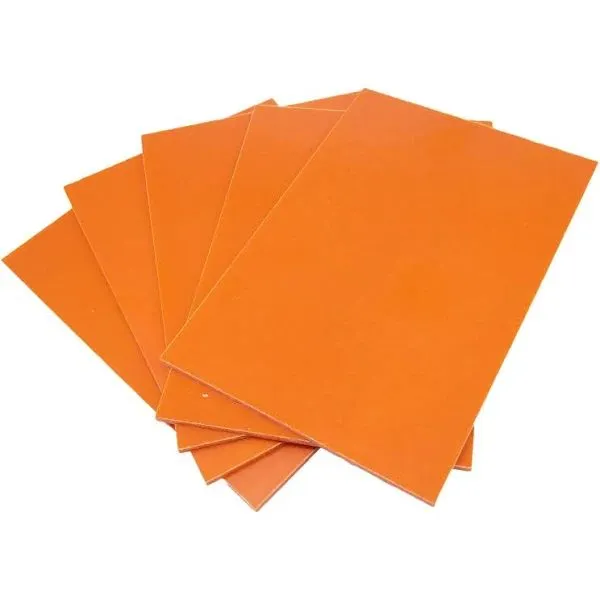
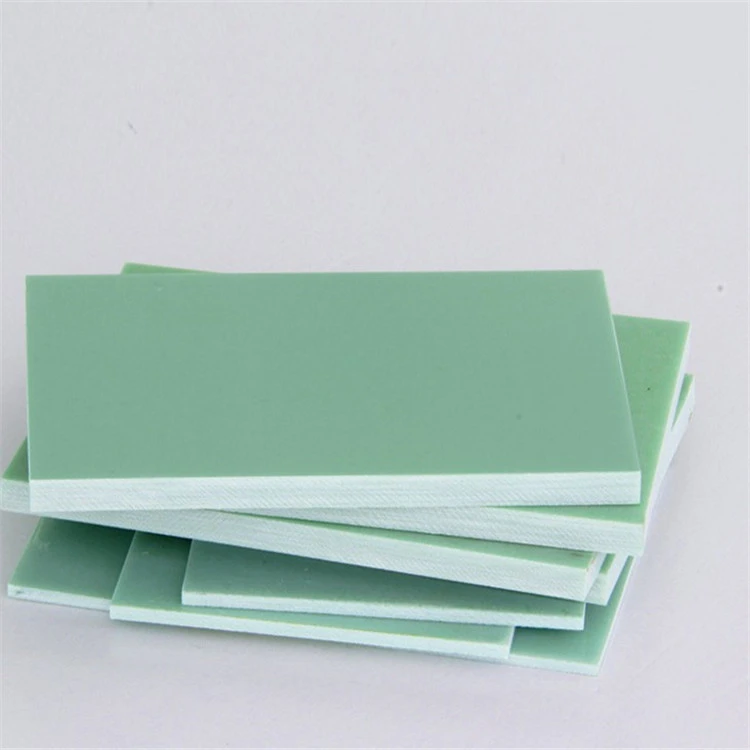
EPGM203 laminate is often known as an epoxy glass laminate. The glass support is soaked in epoxy glue, then stacked, pressed, and heated together to make it stronger. As the resin cools, it forms a sheet. The glass makes it strong and keeps its shape, and the epoxy matrix stops electricity from moving through it and makes it resistant to water and many industrial settings. What kind of resin was used, how the supports were built, how long they were left to cure, how thick they were, and what plant controls were in place all affect how well the finished product worked. There are different ways that two sheets with the same name can act. "G" stands for glass support in IEC-style codes, while "EP" refers to an epoxy resin base. However, the datasheet is still the most important thing to look at.
Properties to Read on the Datasheet
Read past the grade name. Look for things like insulation resistance and dielectric strength to find electrical values. Find mechanical data like bending and compressive strengths, as well as data on temperature, how much water it absorbs, and how flames behave. Writing down the test method and conditions that led to each number is important. You should also ask if each value is normal or a hard and fast limit. Add machining behavior to your list. CBN is the best material for the tool because glass-reinforced sheets are rough. Polycrystalline diamond works best for large runs that need to stay within a certain range. Machine dust is very fine and can hurt your skin and lungs, so plan to wet cut or use dust extraction and safety gear.
Where Buyers Use Epoxy Glass Laminates?
Insulation barriers, spacers, supports, brackets, and other parts that keep structures warm are often made of EPGM203 laminate. For tech companies, that means PCB help, switchgear parts, and motor parts. Insulation and mechanical gaps are what it means when used in machines. Companies that work with transformers and power lines use sheets to keep heat in, insulate coils, and stop arcs. Automobile teams use them to make battery pack guards and insulation pads. They are cut into frames that insulate and parts that separate heat that are used in machines. Before you buy a lot of EPGM203 laminate, check the document numbers and your own test results to make sure it fits the part.
Standards and Compliance Checks for US Buyers
Standards You Will See on Documents
US buying teams usually talk to a lot of sources. In the business world, IEC 60893 refers to electrically useful hard laminated sheets made from thermosetting resins. A lot of EP-prefixed grade codes are based on this name. US grades like G10 and FR4 are on NEMA LI 1. UL 94 tells you how flammable something is, and ASTM D709 is a standard for layered thermosetting materials. Find out the exact standard number and release that your project needs. Documents can also use DIN, EN, or a user standard. I'll leave it as an open question until the supplier answers because there is no standard for a grade that doesn't say what it is.
Test Methods Behind the Numbers
It's possible for two datasheets to show the same thing and still not agree, even if the test method changes the answer. There are two different ways to test for dielectric strength: ASTM D149 and IEC 60243. The results are different depending on the test medium, the electrodes, and the thickness of the specimen. Standards like ASTM D790 and ASTM D570 can be used to find out how strong something is and how much water it can hold. First I look at ways to do things, then I look at numbers. To make sure something is safe for high-voltage work, I read more than just the dielectric strength. I also looked at the mechanical strength, temperature aging, physical stability, and resistance to the environment. Also, I'd like to know if each number is a typical amount or a set highest.
RoHS, REACH, and Traceability Records
There is a rule in place called the RoHS Directive 2011/65/EU that says certain dangerous substances can't be used in electronics and appliances. People who want to buy these things often need proof that the materials used are safe. A few projects also need REACH records, which are used to register chemicals and find out information about them in Europe. It's important to make sure that the report names the right product when flame behavior is at stake. Also, make sure that each pallet and the inspection report have batch numbers. After months, if there is still a problem, that batch record lets your team sort the bad lots instead of putting all the stock in lockdown.
Thickness, Dimensions, and Tolerances
Choosing Thickness for the Job
Pick the width from the part that is already made, not from the list. Think about the distance from the power source to the load, the unsupported span, the pressure on the fasteners, the shape of the machine, the flow of heat, and the space you have for assembly. When used as insulation, a thin barrier might be enough. But when used as a spacer under a clamped bolt, it needs to be strong enough to hold the weight of the bolt without breaking or bending. The thinnest sheet isn't always the best choice. And it might not fit the building. It's also heavy and takes longer to drill. If you want to be sure, make a rough guess or test a small piece first. Then, write down on the drawing and the purchase order the nominal thickness you want.
Raw Sheet Tolerance Versus Finished Part Tolerance
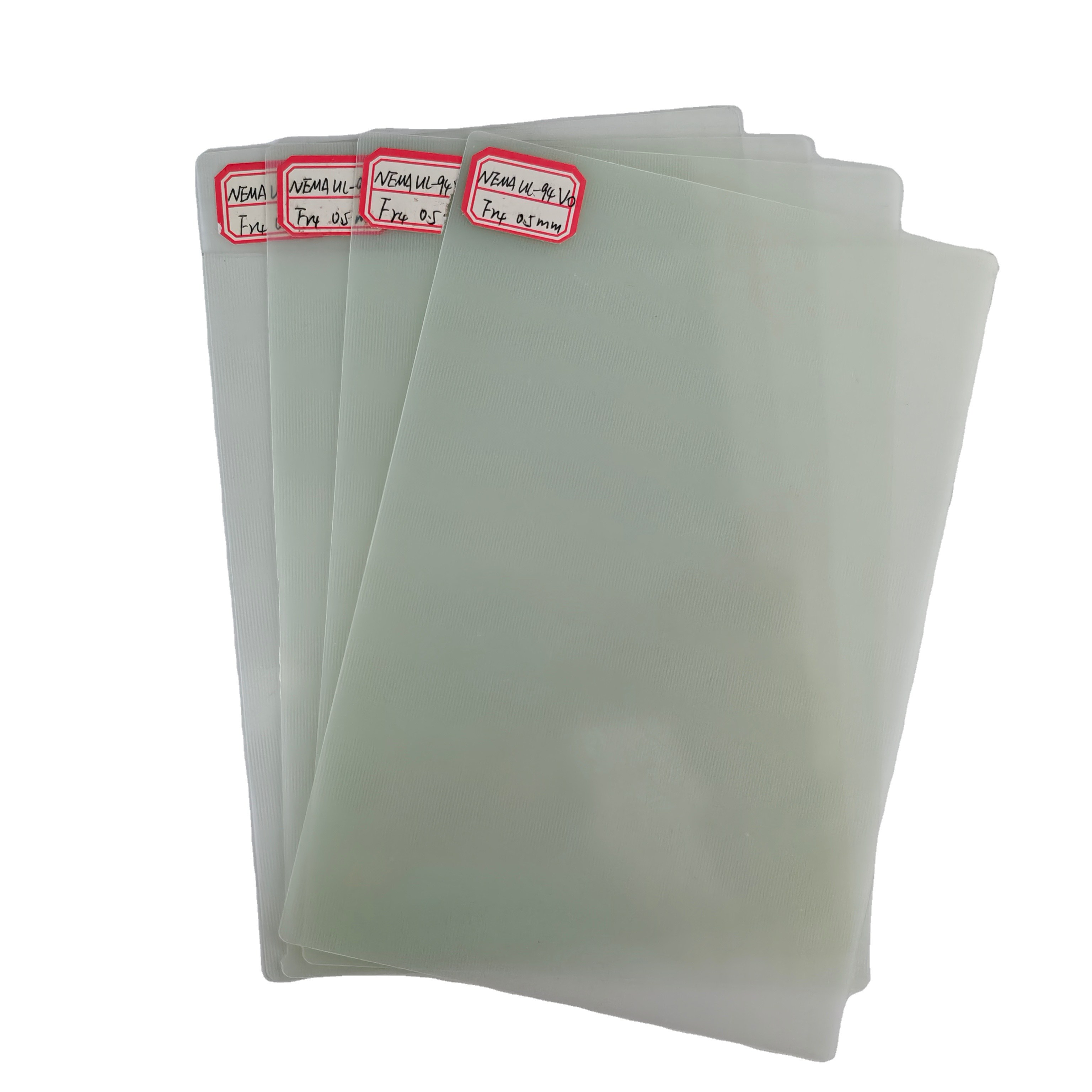
You should include the standard thickness, margin, sheet length and width, flatness, squareness, surface condition, edge quality, and measurement conditions in your specification for EPGM203 laminate. Standard sets the ranges for width, such as the NEMA LI 1 and the IEC 60893 series. Most of the time, as the nominal thickness rises, so does the tolerance. Tolerances for raw sheets should not be mixed up with tolerances for finished parts. Leave enough room on the sheet even if it fits within the limits given. Some work may still need to be done to make it tighter. With cut-to-size blanks, CNC machining, and first-article approval, you can test the process before sending out a full order. This lowers the risk of making precision parts.
Incoming Inspection Steps
The sheets are checked three times before they are sent to production when a shipment comes in.
• Measure thickness at several clear spots. Make sure the scale is accurate and won't hurt the surface. Find the lowest, highest, and average values for each sheet and write them down. Compare them to the specs on the purchase order and mark any sheet that doesn't fit before it gets to the area where the parts will be machined.
• Check the width, length, diagonals, smoothness, and warpage. Lay the sheets out flat and measure the distances between the corners to find cuts that aren't straight. If the sheet isn't flat, fixtures and CNC clamps won't work well with it. Write down any gap under a straightedge and compare it to the flattest the sheet can be.
• Inspect surfaces and edges. On the edges and surfaces, look for cracks, delamination, blisters, voids, too much glass exposure, resin-rich areas, chips, contamination, and signs of ship damage. Take a picture of each problem that makes the batch number easy to see so that the supplier and your quality team can quickly agree on how to fix it.
Talk to your supplier about sampling levels, defect classes, and how to handle situations where the fault level is too high before you place your first order. It's no longer a conversation once acceptance is put down; it's a choice.
Comparing Options and Managing Sourcing Risk
EPGM205 Compared with FR4, G10, and EPGC202
If you need to, you can compare EPGM203 laminate with FR4, G10, and EPGC202, but not by name. FR4 and G10 are the NEMA grades for woven-glass epoxy. Things are less likely to catch fire when they have FR4. UL 94 V-0 is a common grade for it, and it is very similar to printed circuit boards. Simple G10 won't keep a fire out. The EPGC202 code looks like the IEC code, but the reinforcing, plastic system, or standard name might be different. EPGM205 could be used in other industries for building or insulation. Make a matrix with the target values, information about the supplier, test methods, certificates, cost effects, and the status of the approval. Before making the change, make sure there is a written comparison and engineering backs it up.
Common Purchasing Risks
Most problems happen because of a few things: unclear grade comparison, datasheet values that can't be compared, not enough thickness space, not knowing where the product was made, and damage during transport. This can cause issues with the electricity, scrap metal, interference during production, uneven wait times, and claims under the guaranty. There are fewer of these risks because I make sure that every business and quality record has the same grade and standard, I compare test conditions and methods, and I keep normal data separate from guarantyd limits. I also want to know if the seller makes the items, sells them, or sends them overseas. Before the package leaves, both sides should agree on what to do with broken or nonconforming goods and how to report them, replace them, or give a refund.
Choosing a Supplier and Sending a Complete RFQ
A trustworthy EPGM203 laminate supplier knows a lot about technology, keeps a close eye on production, and has exported goods before. Ask to see datasheets, certificates of materials, test reports, data on tolerances, samples, quality procedures, and a way to keep track of each batch. Then, look at the MOQ, the stock, the wait time, the packaging, the export paperwork, and the customer service after the sale. Based on the weight of the sheet, give each seller a score. Price by itself doesn't show danger. These things are important to buying managers, engineers, distributors, and OEM clients in different ways, so make a list of your top priorities right away. You should include the grade, standard, thickness, range, measurements, number, documents, packing, and where the goods will be sent in your RFQ. The insulating sheet business has been around for more than 20 years, and foreign trade for more than 10 years. J&Q also has its own logistics company, which means it can handle all of the paperwork, packing, and sending in one step.
Conclusion
It's not enough to just look at the grade names when you want to buy EPGM203 laminate or its friend EPGM203. Grade code, standard version, datasheet, certificate, and price must all match before anyone looks at the numbers. Also, the test methods need to be the same. The thickness should be based on the cutting, electrical, and motor needs. The tolerances for the raw sheet should not be the same as those for the finished part, but it should be possible to machine stock. When thickness, size, shape, and surface flaws are checked upon arrival, the standard turns into a written acceptance decision. It is only allowed by engineers to compare FR4, G10, and EPGC202. This is because materials that look the same can have different resin, reinforcement, and flame behavior. When buyers describe the application, ask for full documents, and check the supplier's skills, they lower the risk of scrap, delays, and disputes.
FAQ
Can I replace EPGM203 laminate with FR4 or G10?
Not all the time. The codes may be different when it comes to burning action, resin system, and strength. FR4 has a UL 94 V-0 flame grade, but standard G10 does not. In the beginning, look at a number of different test methods, certificates, and datasheets. Finally, make sure that engineering agrees with your change before you make it to a drawing.
Which documents should I request before approving a supplier?
Make sure you get an up-to-date datasheet, an inspection report or certificate of conformity, safety paperwork, and the ability to record and keep track of each batch. Add RoHS or REACH records when your product needs them. You can compare your drawing to a sample of the way you want it to be made.
How do I verify thickness when sheets arrive?
Set a number of points on the gage and use it to get readings at those points. Mark the lowest, highest, and middle numbers. Look at your purchase order's tolerance and compare the results. Check the length, width, diagonals, and thickness of the package before you sign for it. If there is any damage, take pictures of it.
Request an EPGM203 Laminate Quote and Technical Review from J&Q
Insulate sheet business has been going for more than 20 years at J&Q. International trade has been going on for more than 10 years. Since we sell EPGM203 laminate and also run our own shipping company, we can take care of everything, from choosing sheets to sending them. Visit jhd-material.com or send an email to info@jhd-material.com with your grade, standard, thickness, tolerance, amount, and picture to find out more. Our team will look over your request and get back to you with sample and price choices.
References
1. IEC 60893-1, Insulating Materials – Industrial Rigid Laminated Sheets Based on Thermosetting Resins for Electrical Purposes – Part 1: Definitions, Designations and General Requirements, 2004
2. NEMA LI 1, Industrial Laminated Thermosetting Products, 1998
3. ASTM D709, Standard Specification for Laminated Thermosetting Materials, 2017
4. ASTM D149, Standard Test Method for Dielectric Breakdown Voltage and Dielectric Strength of Solid Electrical Insulating Materials at Commercial Power Frequencies, 2020
5. UL 94, Standard for Tests for Flammability of Plastic Materials for Parts in Devices and Appliances, 2013
6. Directive 2011/65/EU on the Restriction of the Use of Certain Hazardous Substances in Electrical and Electronic Equipment, European Parliament and Council, 2011