Phenolic Cotton Sheet for Wear-Resistant Gears and Bushings
2026-11-04 17:28:03
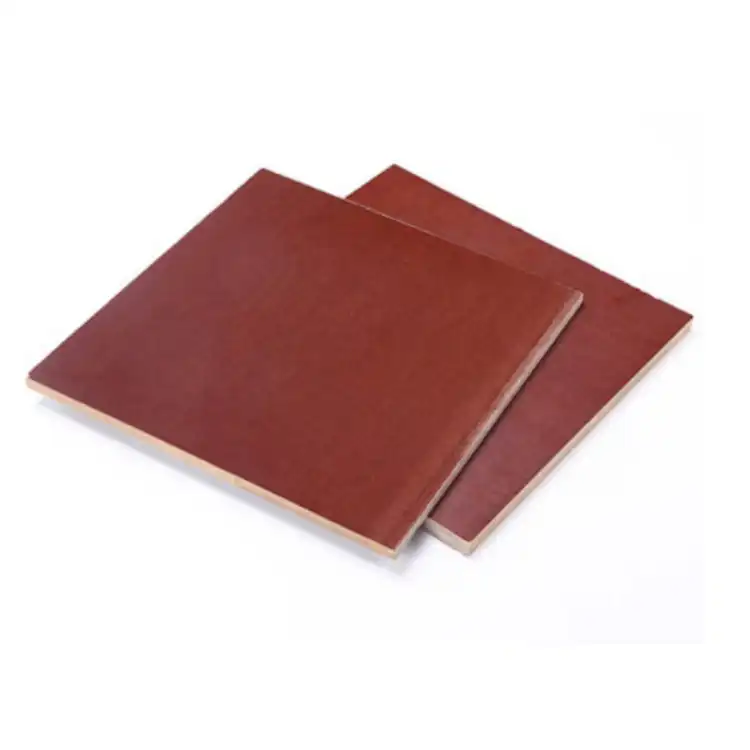
Phenolic Cotton Sheet is a practical choice for wear-resistant gears and bushings when a part needs toughness, low noise, and easy machining. Manufacturers make it by impregnating layers of cotton fabric with phenolic resin and curing them under heat and pressure. The cotton reinforcement absorbs impact, so the laminate resists shattering better than paper-based phenolic grades. It also dampens vibration and runs more quietly against steel than a metal gear. Results still depend on load, speed, lubrication, temperature, and the mating shaft, so I recommend confirming grade and thickness with test data before production.
What Is Phenolic Cotton Sheet?
How Is the Laminate Made?
Phenolic Cotton Sheet is something that is used to make structures. It is also called Canvas Phenolic or Phenolic Cotton Cloth Laminate. People who make things soak woven cotton fabric in phenolic resin, then stack the layers and heat them above 150°C to set the resin under high pressure. It is pressed together in this step to make a thick, hard board. The cotton makes it stronger and better at blocking electricity, and the resin makes it stiffer and better at taking hits. The sheet of cloth has different qualities along its length and width because it is made up of layers. When people buy a model, I tell them to write down the direction of the laminate because it changes how a gear tooth or bushing wall holds weight.
Common Forms and Grade Names
A lot of people in the US look at NEMA LI 1 grades. When it comes to mechanical parts, Grade C canvas cotton fabric is used. Grade CE canvas cotton fabric is used for electrical parts. Grades L and LE linen are smoother, which is good for small parts with lots of small details. Outside of the US, grade names are different, so I think you should ask for a datasheet and test methods instead of just a name. It is a sheet, a rod, a tube, cut blanks, or parts that have been machined. That is why ASTM D709 is a good place to learn how to test laminated thermosetting materials.
Machining Characteristics
Epoxy cotton laminate tools can be used with standard shop methods like CNC turning, milling, drilling, sawing, and gear cutting. CBN tools tend to stay sharp longer than high-speed steel ones because the plastic is rough. Fine dust is made when milling, so shops need to get rid of it to keep workers safe. Use sharp tools, check the feed rates, and put something under your hand while you cut to avoid chipped edges and delamination. I suggest planning the final sizes after the part has been used for a while, since wetness can build up on edges that are left open. You should describe the hole sizes, surface finish, and cutting method on the request so the seller can see if it's possible.
Key Properties of Phenolic Cotton Sheet for Wear-Resistant Components
Mechanical Strength and Wear Behavior
First, I look at data on contact, bending, and compressive forces. This is because gears and joints have to deal with friction, wear and tear, and being loaded and unloaded many times. Most of the time, contact laminates are tough and strong at the same time. However, how long they last depends on how the whole slide system is made. It depends on the speed, lube, surface finish, and dirt on the shaft, as well as the temperature and lube quantity. A blunt, soft steel shaft doesn't always work well with a laminate nut. A smooth, hardened steel shaft does. It's not always the case that the values on a generic datasheet match what happens in the field. So, you should ask for values that were measured on the grade and thickness you want to buy and then check them against the load you will be putting on them.
Noise Damping and Fail-Safe Behavior
The cotton threads in the covering of Phenolic Cotton Sheet naturally cool it down. It is quieter and less likely to shake than metal-to-metal gears because of this. This is helpful for tools used for making textiles, paper, and packing, where the noise from the gears can get in the way of work. A second benefit is that it protects against failure. It is possible for a phenolic gear to tear before it hits a costly steel drive shaft in heavy machinery. This means that the cheaper part gets hurt. Just because something acts this way doesn't mean it's safe, and the teeth still need to be the right size for the torque that is expected. After an accident, it does make it easy for repair teams to change a part.
Electrical, Thermal, and Chemical Considerations
Another good thing about phenolic cotton veneer is that it keeps things warm. This is helpful for motors, switches, and control equipment. It's mostly dielectric, which is fine. FR4 or 3240 Epoxy Glass Laminate boards are better at resisting electricity, so I suggest them for PCB support and high-impedance designs. I store different types of cotton for parts of machinery that need to be kept warm. Electrical values and sizes can change when there is moisture in the air, so when it matters, ask for data that has been adjusted for humidity. To get the exact grade, you need to compare the limits for temperature and chemical exposure. Naval rudder bearings use properly graded laminates so they can work with both water and oil.
Applications of Phenolic Cotton Sheet in Gears and Bushings
Silent Gears, Pinions, and Pulleys
Phenolic Cotton Sheet is used by machine shops to make gears, pinions, and pulleys for small machines that are used in textile, paper, packaging, and light industrial work. Metal gears make it easy for these parts to fit together. They have a good amount of power and don't make as much noise. You need to think about the gear's tooth size, backlash, alignment, hardness, and finish in order to make a good design. Thick forms take longer to machine because their faces are bigger and they are stiffer. I believe you should test a prototype gear on the real drive before giving the go-ahead for mass production. This is due to the fact that torque spikes at start-up often matter more than normal load.
Bushings, Wear Rings, and Thrust Washers
Bushings hold up shafts that move back and forth in farm equipment, conveyors, pumps, valves, hinges, links, and conveyors. The same stuff is used to make push screws, wear strips, rollers, and guide rings. For military use, phenolic cotton laminate is used for bearings on the stern tube and the rudder bush. It can be oil or water, and metal bearings can rust or get stuck. A lot of care needs to be taken when setting the distance because the plastic changes when it comes in contact with water and heat. If the press fit is too tight, the metal could get too hot and crack, so talk to the supplier about fit and tolerance before you cut a whole bunch.
Uses Across Electrical, Power, Automotive, and Appliance Industries
Phenolic Cotton Sheet can be used for parts that need to hold weight and keep heat in at the same time. Companies that work with electricity and electronics use it to make low- to medium-voltage gear like switchgear panels, busbar supports, and terminal boards. It is used by machine builders to fill holes and keep buildings warm. Firms that make power tools, auto parts, and home appliances may need it for brackets, fixings, and thermal separation parts. Standards like UL or RoHS, and how well a product resists flames and changes in temperature, are different for each grade and use. Let us know right away if you need these papers for work, so we can check what we have.
Phenolic Cotton Sheet Compared With Other Engineering Materials
Cotton Cloth Laminate Versus Phenolic Paper
Paper, which is also called phenolic paper laminating, is used to make Bakelite Paper Sheet stronger. It is bought so that molds, insulation switches, fittings, and changeable resistors can be made. When cotton cloth is laminated, woven fabric is used to make it stronger against damage. It can handle shocks that would break paper grades. There isn't a clear winner because different kinds of paper work well for different kinds of low-load insulating parts. To be sure that a part doesn't chip at the gear teeth, transfer torque, or get hit over and over, I start with a certain grade of cotton fabric and test it.
Versus FR4 and 3240 Epoxy Glass Laminates
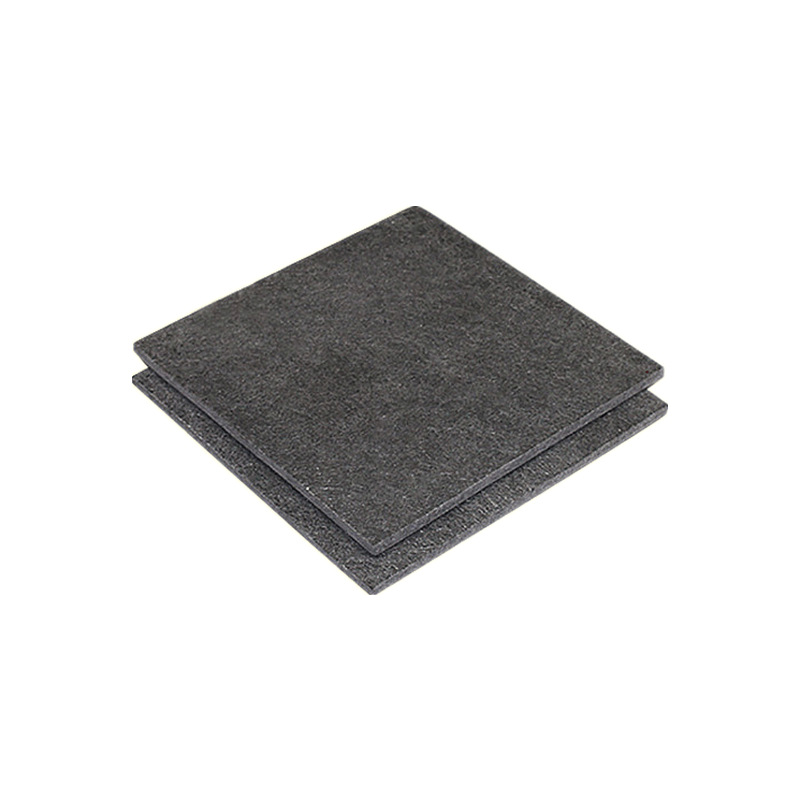
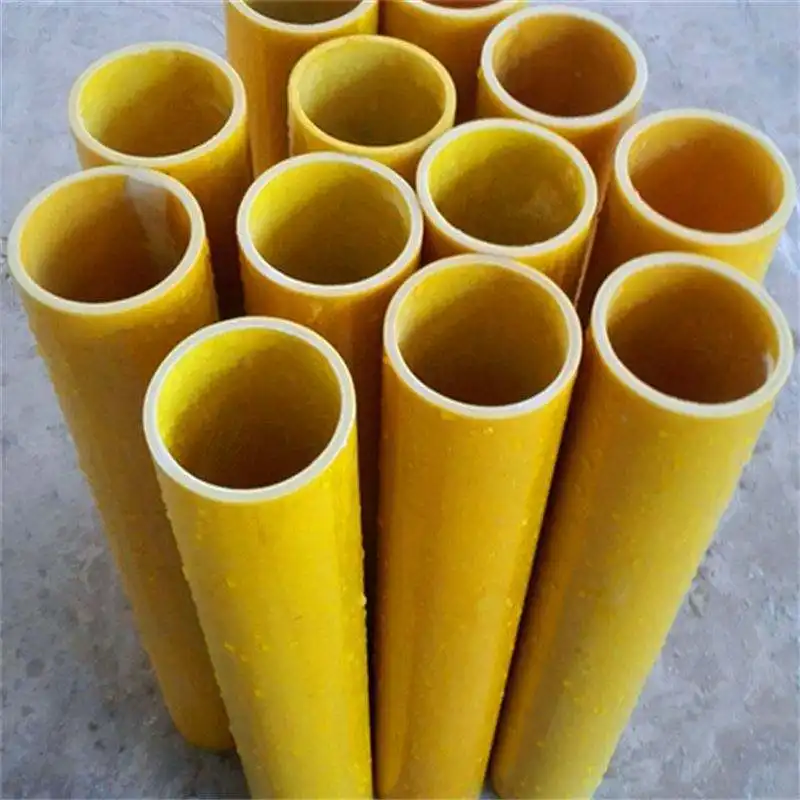
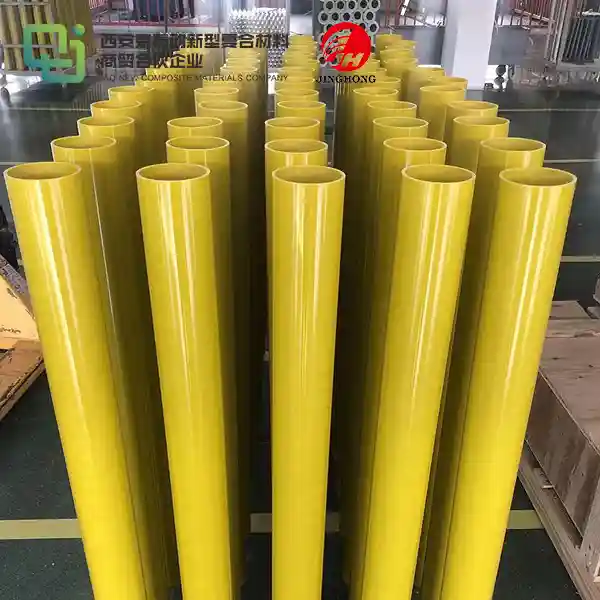
FR4 and 3240 Epoxy Glass Laminates are very stiff, work well as dielectrics, and don't get too hot. Because of this, electronics companies use them to hold up PCBs and stop electricity from going through them. Cotton grades and glass-reinforced boards work in different ways with gears and bushings. Glass threads make cutting tools wear out faster, and when they slide against each other, they can wear down and crack in different ways. For parts like a switchgear spacer that need to be strong both electrically and mechanically, I look at both designs and test data to see which one is best. For parts that slide or mesh, cotton laminate is often the first material that is looked at.
Versus Nylon and Other Engineering Plastics
Because it doesn't stick to other things and can take being hit, nylon is often used for bushings and light-duty gears. It's not perfect because it can soak up water, which can change its shape and how well it works when it's damp. The Phenolic Cotton Sheet also soaks up some water, so both of them need to be checked for clearance. When you compare things fairly, you should look at things like speed, load, temperature, humidity, chemicals, power needs, ability to machine, and total cost. It's faster to figure out the answer by giving each candidate a short test in person than to compare them on a spreadsheet.
How to Choose, Buy, and Validate Phenolic Cotton Sheet?
Define the Application and Thickness
First, give a full description of the part, including what kind it is, how big it is, any tolerances, the load, speed, temperature, lubrication, the material it fits, how long it will last, and how much power it needs. The service provider can then suggest a grade based on checked data for temperature, wear, insulation, and material properties. We choose the thickness based on the part's shape, the load's direction, the rigidity needed, and the space for cutting. Pick a sheet that is a bit thicker than the finished part. Then, check the width limits, the flatness, and the quality of the surface that you chose. With cut-to-size blocks, you can get rid of more trash and place more than one order. When making a brand-new design, having samples and test batches lowers the risk.
Quality, Documentation, and Cost
It's important to keep an eye on the batch control, resin impregnation, pressing pressure, curing, and fabric alignment when making a consistent laminate. If you don't spread out a resin evenly, it can change how strong it is, how it works when it's machined, and how stable its dimensions are. Ask for test results, batch numbers, and records of the sizes, as well as certificates of compatibility. The price depends on the type, thickness, size, tolerance, number, special cutting or machining, inspection, packing, freight, and delivery terms. If there is a lot of demand that keeps coming back, give the seller yearly predictions so that they can plan volume prices, deliveries, and extra stock. Good export packing keeps sheets dry, stops damage to the edges, and keeps them from bending while they're being shipped.
Supplier Support and Validation
For more than 20 years, J&Q has been in business. For more than 10 years, they have traded with other countries. It's been a long time since we worked with trade companies in the U.S. and other countries. Now we have our own transportation company that can do everything for buyers. I think you should try samples and keep track of noise, wear, and temperature before making a lot of them. Things like not being aligned right, having too many press fits, being too tight, having a bad shaft finish, and not lubricating enough can all lead to early failure. Write down what you found when you measure the parts after a test run. Then change the grade, width, or space. After that, that record is your order detail for a second time.
Conclusion
Some gears and bushings are made of Phenolic Cotton Sheet. The cotton fabric reinforcement makes it tough, damp, and easy to machine, and the phenolic resin makes it rigid and insulates it. It's quieter than metal, and a stuck gear can break it before it hurts the steel shaft. It can handle being touched better than phenolic paper. The electrical strength isn't as high as with FR4 or 3240 Epoxy Glass Laminate, and it slides in a different way. More than nylon, both of these materials need to be checked for moisture and space. No matter what material you choose, you should have clear specs and prototype tests to back it up. The grade, thickness, tolerance, paperwork, and shaft conditions all affect the outcome.
FAQ
Is phenolic cotton sheet suitable for gears?
Yes, it works well for many tasks with average loads. It works well with metal gears and can take being hit. Check out a prototype first to see if it works. Still, power, speed, temperature, lubricants, and the type of material used to put it all together matter.
How does it differ from bakelite paper sheet?
Cotton laminate is stronger because it is made of woven fabric. You can make paper laminate with paper as a base. It works well for things like buttons and fixings that don't need to be very well insulated.
What information do you need for a quotation?
Please send dimensions, tolerances, amounts, yearly demand, plans, what paperwork is needed, and when you need it delivered. That way, we can be sure it's possible and give you a correct quote.
Request a Quote from J&Q, Your Phenolic Cotton Sheet Manufacturer
For more than 20 years, J&Q has been in business. For more than 10 years, we have traded with other countries. Through our own logistics business, we can take care of everything from operations to shipping. Send your plans, amounts, and working conditions to info@jhd-material.com if you want to buy Phenolic Cotton Sheet from us. We'll take a look at them as a sales lead. Go to jhd-material.com to learn more about this product.
References
1. NEMA LI 1 Industrial Laminated Thermosetting Products, National Electrical Manufacturers Association, 1998.
2. ASTM D709 Standard Specification for Laminated Thermosetting Materials, ASTM International, 2017.
3. Phenolic Resins: A Century of Progress, edited by Louis Pilato, Springer, 2010.
4. Handbook of Thermoset Plastics, edited by Hanna Dodiuk and Sidney H. Goodman, William Andrew, 2014.
5. Plastic Gearing: Selection and Application, Clifford E. Adams, Marcel Dekker, 1986.
6. Engineering Plastics Handbook, edited by James M. Margolis, McGraw-Hill, 2006.
_1764314369204.jpg)