Epoxy Boards for Transformer Coil Support
2026-01-05 17:22:22
Epoxy boards are very important for supporting transformer coils. They give electrical protection and mechanical stability, which directly affects how well the transformer works and how long it lasts. These specialized composite materials have excellent dielectric qualities and are very strong, making them necessary for electrical uses that need dependable insulation in tough circumstances. Choosing the right adhesive board material is very important for making sure the generator works well. If you pick the wrong one, it could break early, cost a lot of money, and create safety issues. This all-inclusive guide talks about epoxy board selection, application methods, and procurement strategies for transformer coil support uses in great detail. It is specifically tailored to meet the needs of procurement managers, engineering teams, and OEM clients who need this level of detail.
Understanding Epoxy Boards for Transformer Coil Support
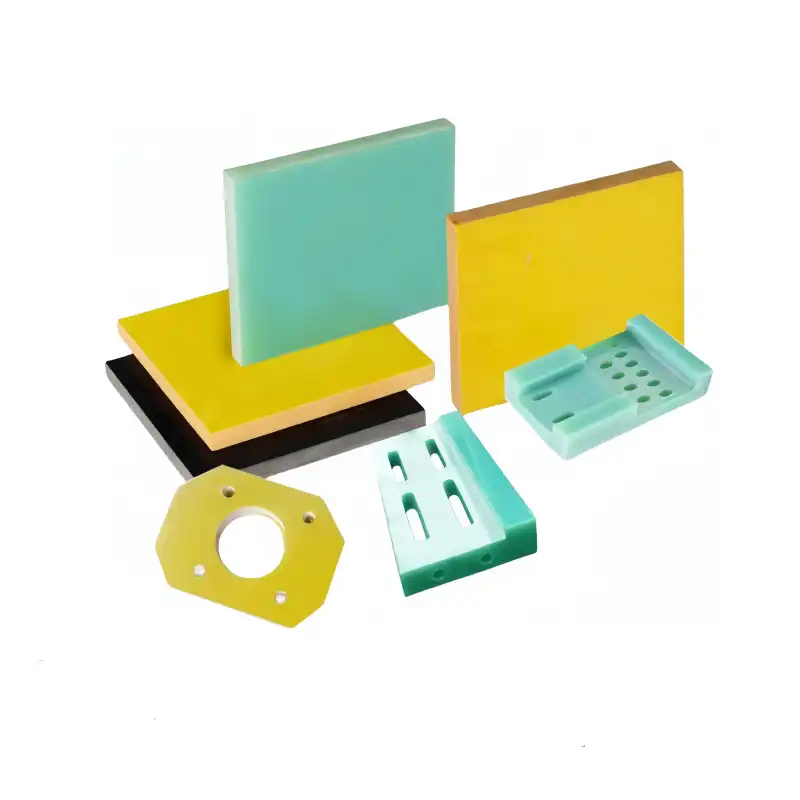
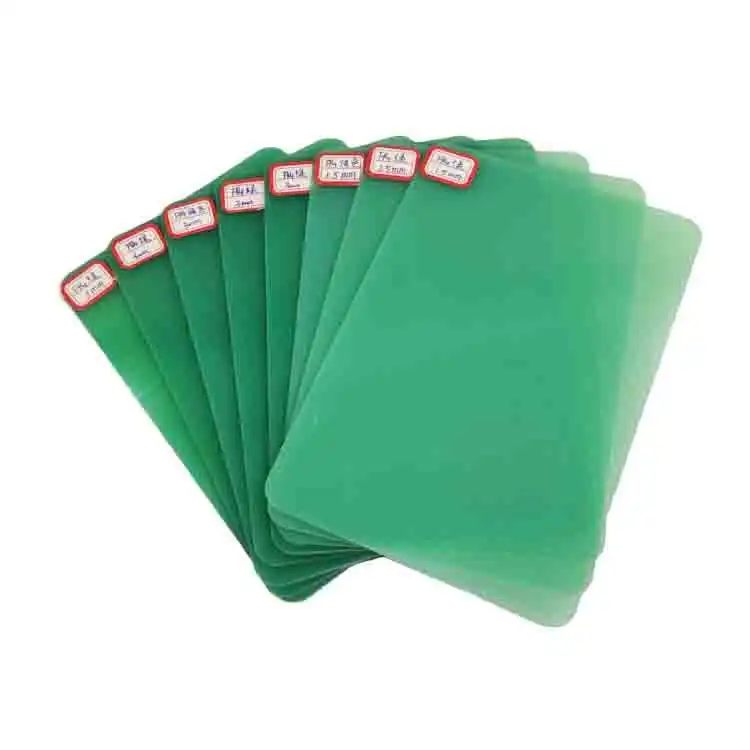
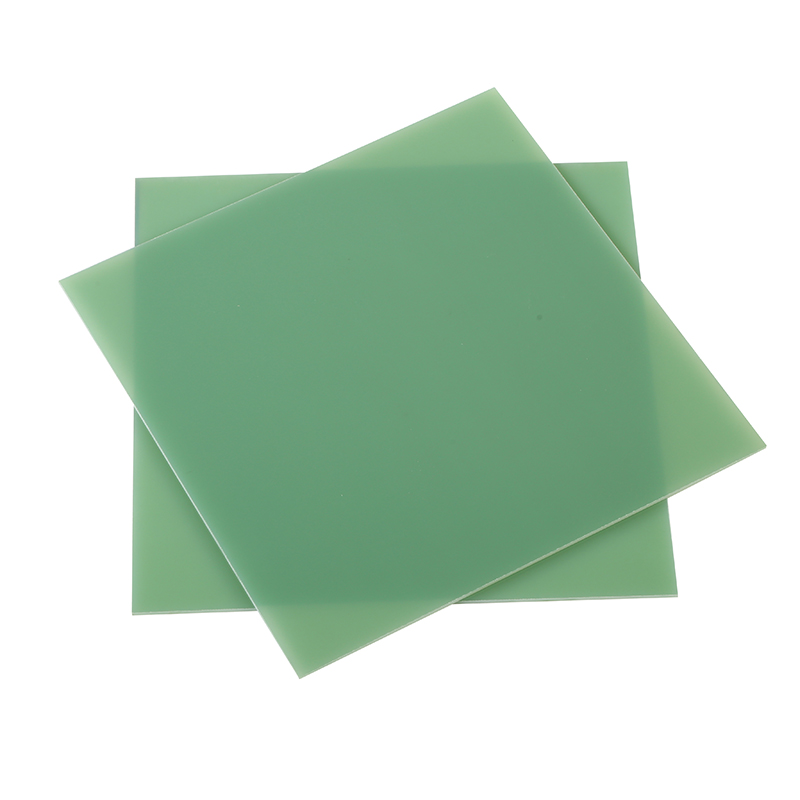
Epoxy boards are advanced composite materials that have been designed for electrical shielding uses where they need to be strong and have good insulating performance. These materials are usually made of high-quality epoxy resin systems that are strengthened with woven glass fiber fabrics. This makes a layered structure that has great electrical and mechanical properties.
Material Composition and Structure
Quality epoxy boards are made up of many different things that work together to make a great product. Premium epoxy resins make up the core material and are great at sticking to things, resisting chemicals, and staying stable when they get hot. The glass fiber reinforcement, which is usually made up of E-glass knitted fabrics, adds power and stability to the dimensions of the object. Putting these things together makes a material that can be used in high-voltage transformers because it has a dielectric strength of 15–25 kV/mm.
Key Performance Properties
Today's epoxy boards have a number of important features that make them great for supporting transformer coils. Their ability to insulate electricity keeps current from flowing between coil sections when it isn't needed, and their strength helps them hold up the weight and electromagnetic forces that are made when the transformer is working. Thermal stability, which for normal grades means from -40°C to 155°C, makes sure that electrical devices work the same way no matter what temperature they're in.
Grade Classifications and Applications
In transformer uses for epoxy board, each grade group has its own performance standards. FR4 and other standard grades work well for most generator coil support needs. For more difficult tasks, high-temperature grades work better in the heat. In important places, specialized flame-retardant mixtures that meet strict safety standards are used.
Advantages of Using Epoxy Boards Over Traditional Materials
Choosing the right support materials has a big effect on how reliable transformers are and how much it costs to run them. Epoxy boards work much better than the materials that are usually used to make transformers in a number of important ways.
Superior Electrical Performance
Epoxy boards have better dielectric strength and spark protection than pressboard, phenolic compounds, and other common materials. Their uniform electrical qualities mean that they won't change even when the environment changes. This lowers the risk of insulation breakdown. This dependability means that the transformer service life is longer and there is less need for upkeep.
Enhanced Mechanical Properties
When resin boards are put next to other materials, their functional benefits can be seen clearly. Epoxy boards hold their shape over time, unlike supports made of wood or paper that can break down as they age. Their high impact resistance and flexural strength help them fight the mechanical pressures that electromagnetic forces cause when transformers are running.
Environmental Resistance
In transformer uses, moisture absorption is a big problem because water can really hurt the performance of the insulator. Epoxy boards are great at resisting moisture; they keep their electrical and mechanical features even when they're in a very humid setting. This feature is especially useful when installing transformers outdoors or in places where the weather is hard on the equipment.
Installation and Application Best Practices for Transformer Coil Support
If you place epoxy boards in transformer coil support uses the right way, they will work well and last a long time. Following well-known best practices reduces problems with fitting and makes sure that the material's best features are used fully.
Preparation and Cutting Techniques
To get the right size, you need to use the right cutting methods that keep the material strong. For complicated forms, CNC machining offers the most accuracy. On the other hand, basic designs are handled well by older, more manual cutting methods. Edges that are clean and smooth don't let stress build up, which could cause early failure. Proper handling during preparation keeps the board's internal integrity and stops delamination.
Thickness Selection and Customization
Choosing the right thickness depends on electrical and mechanical needs. Dielectric strength and creepage distance are electrical factors, while load-bearing capacity and displacement limits are mechanical factors. Standard widths are between 0.5mm and 50mm, but non-standard thicknesses can be made for specific uses. The selection method should think about both short-term efficiency needs and long-term dependability needs.
Assembly and Mounting Considerations
Proper fitting keeps things safely attached without putting extra stress on areas that could hurt performance. When the epoxy board and fastening tools are used in places where the temperature changes a lot, they can’t be too far apart in thermal expansion or else they won’t work right. During thermal cycling, enough gaps and the right ways of fixing things keep mechanical stress from building up.
Procurement and Cost Considerations for B2B Clients
Good buying methods keep the supply chain running smoothly, find a balance between quality needs and budget limits, and make sure that the quality of the goods is not compromised. Understanding market trends and seller skills makes it possible to make smart buying choices that help the business reach its goals.
Supplier Evaluation Criteria
In addition to the price per unit for epoxy board, there are a lot of other things that need to be considered when choosing trustworthy providers. Long-term success depends on a lot of factors, such as manufacturing skills, quality certification systems, and expert support services. Vendors that are both ISO 9001 certified and UL recognized show that they are dedicated to the quality standards that are important for electricity uses. When you have to deal with specific needs or problems that are only relevant to one program, having technical help becomes very important.
Market Analysis and Pricing Structures
Understanding how prices change in the market helps people make good spending plans and find good chances to compete. Buying in bulk usually saves money, but you need to be careful with your goods so that you don't waste money on things that are no longer needed. Setting special requirements often leads to higher prices, so it is best to standardize when possible. Long-term supply deals can keep prices steady and make sure that materials are on hand when demand is high.
Quality Assurance and Testing Requirements
Setting clear quality standards and testing methods keeps bad materials that could hurt generator performance from being used. Material approvals should show that they meet the standards for the business, like IEC 60893 or ASTM D229. The incoming checking process helps find problems with quality before materials are made, which stops redoing and delays that cost money.
Why Choose J&Q Epoxy Boards for Transformer Coil Support
J&Q has been making high-quality insulation products for over twenty years and has also been involved in foreign trade for over ten years, which helps them provide support to global supply chains. Working with partners from around the world and here at home has helped us improve our services and learn more about the needs of different markets.
Manufacturing Excellence and Quality Control
Our factory uses state-of-the-art production methods and strict quality control systems that always make things that meet the most exacting standards. Before they are sent out, each epoxy board is tested to make sure they have the right electrical, mechanical, and heat features. Our quality management system keeps full tracking of the whole production process, which makes sure that performance is always the same and that any quality issues can be quickly dealt with.
Comprehensive Service Capabilities
Besides making high-quality products, J&Q offers full service support, which includes helping with technical questions, creating unique specs, and application engineering. Our customers can get all of their services from us, which speeds up the process of buying things and makes administration easier, by using our in-house shipping company. This unified method reduces the time between ordering and receiving goods. It also makes sure that shipping schedules are dependable and meet the needs of your output.
Technical Innovation and Customization
Our tech team for epoxy board works directly with customers to make unique solutions that fix certain problems with transformer coil support. Whether they need special sizes, better heat performance, or unique mechanical qualities, our technical skills make it possible to make custom solutions that get the best performance out of every transformer. By always putting money into research and development, we make sure that our goods use the newest breakthroughs in material science.
Conclusion
Epoxy boards are an important part of modern transformer design because they provide electrical protection and mechanical support for dependable operation. They are better than traditional materials because they have better performance features, such as great dielectric strength, dynamic strength, and resistance to weather damage. These benefits are maximized and costs are kept low during running when selections, installations, and buying are done correctly. The money spent on good epoxy boards comes off in the form of easier upkeep, a longer service life, and better operating reliability. As epoxy boards will stay important for reaching these goals, transformer technology will keep moving in the directions of better efficiency and greater durability.
FAQs
How do epoxy boards compare to phenolic materials for transformer applications?
Epoxy boards generally offer superior electrical properties and better moisture resistance compared to phenolic materials. While phenolic materials may have lower initial costs, epoxy boards provide better long-term value through extended service life and reduced maintenance requirements. The choice depends on specific application requirements and total cost of ownership considerations.
What thickness should be selected for transformer coil support applications?
Thickness selection depends on both electrical and mechanical requirements. Electrical considerations include required dielectric strength and safety margins, while mechanical factors involve load-bearing capacity and deflection limits. Common thicknesses range from 3mm to 25mm for transformer applications, with custom options available for specialized requirements.
Can epoxy boards withstand the electromagnetic forces generated in power transformers?
A: Yes, properly selected epoxy boards provide excellent mechanical strength to withstand electromagnetic forces typical in transformer applications. Their high flexural strength and impact resistance help maintain structural integrity under dynamic loading conditions. Proper design consideration of mounting methods and stress distribution ensures optimal performance.
Partner with J&Q for Premium Epoxy Board Solutions
J&Q stands ready to support your transformer coil applications with premium epoxy board solutions backed by decades of manufacturing expertise and comprehensive service capabilities. Our technical team provides personalized consultation to identify optimal materials for your specific requirements, while our integrated logistics ensure reliable delivery schedules. Whether you need standard grades or custom specifications, J&Q delivers quality materials that enhance transformer performance and reliability. Contact us at info@jhd-material.com to discuss your epoxy board supplier needs and discover how our experience and capabilities can support your success.
References
IEEE Standard C57.12.00-2015, IEEE Standard for General Requirements for Liquid-Immersed Distribution, Power, and Regulating Transformers
IEC 60893-3-2:2003, Insulating materials - Industrial rigid laminated sheets based on thermosetting resins for electrical purposes - Part 3-2: Specifications for individual materials
ASTM D229-14, Standard Specification for Rigid Sheet and Plate Materials Used for Electrical Insulation
McNutt, W.J. and Johnson, W.A., "Insulation Systems for Power Transformers," IEEE Transactions on Power Apparatus and Systems, Vol. PAS-104, No. 9
Heathcote, Martin J., "The J&P Transformer Book: A Practical Technology of the Power Transformer," 13th Edition, Newnes Publishing
Allan, D.J. and Kreuger, F.H., "High Voltage Engineering Fundamentals with Applications to Electrical Power Systems," Electric Power Engineering Series
 拷贝_1764314565411.jpg)