Epoxy Fiberglass Impeder Jackets: Exceptional Insulation & High-Temperature Resilience
2026-03-20 16:24:56
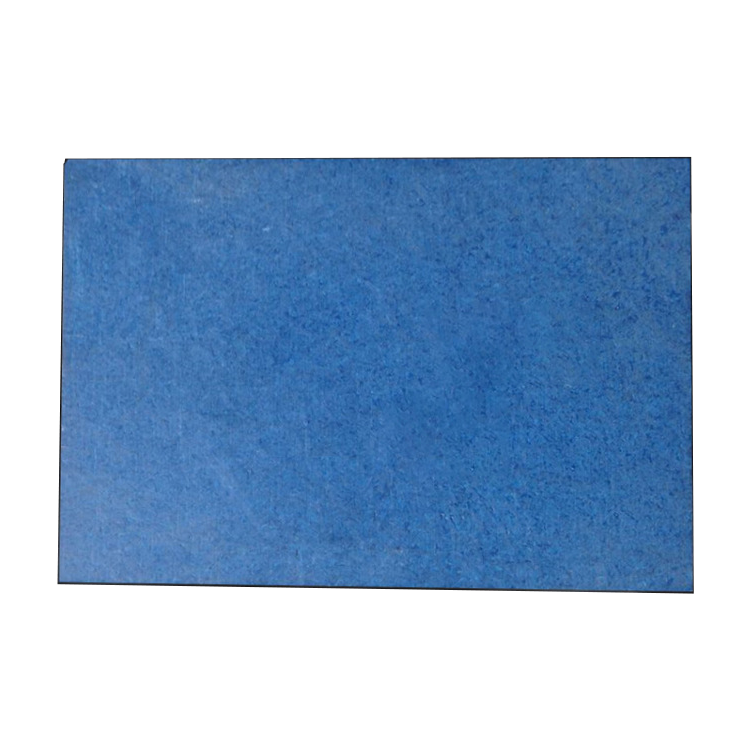
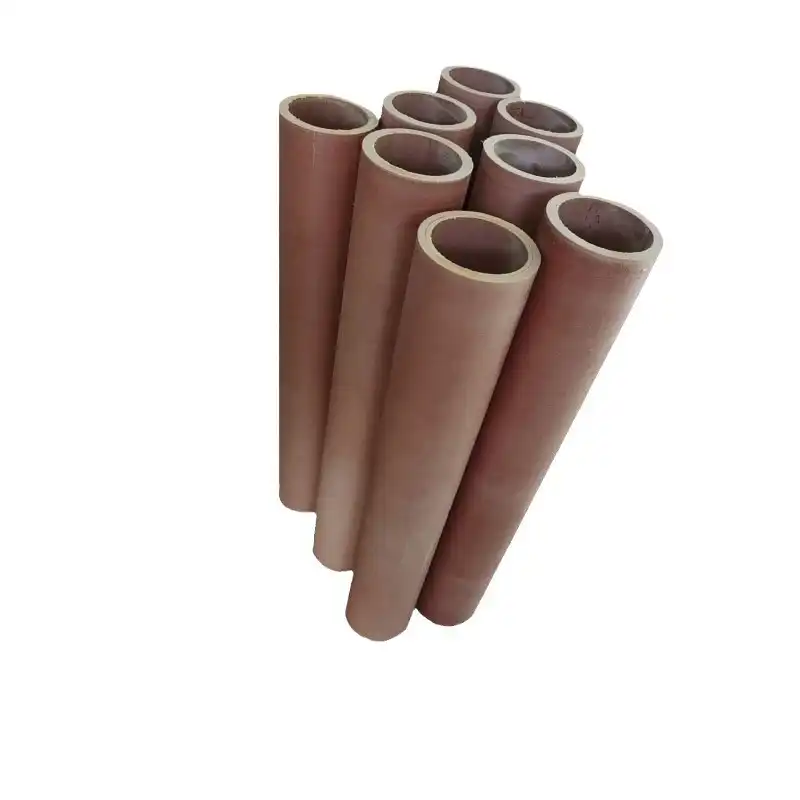
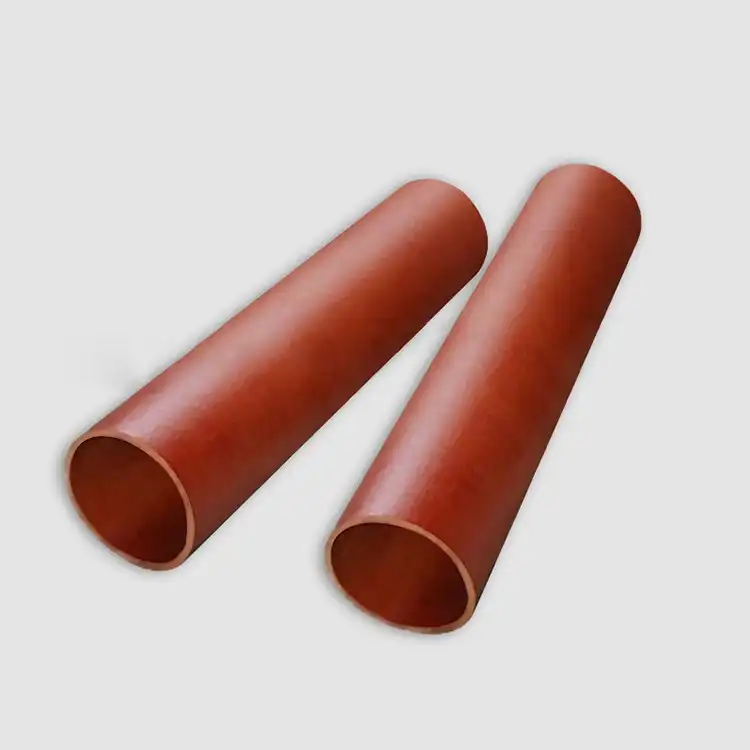
Epoxy fiberglass impeder jacket technology is the best option when manufacturing equipment is subjected to high temperatures and difficult electrical conditions. These high-tech composite materials use the power of woven glass fibers and high-performance epoxy resin systems to make walls that keep their shape in situations where regular insulation fails. Specialized jackets like these are used in factories that make things for the electrical, automobile, and power generation industries to protect important tools and make sure that safety rules are followed.
Understanding Epoxy Fiberglass Impeder Jackets: Properties & Benefits
The advanced composite construction of these safety devices is what makes them such great engineering. The mechanical strength of glass fiber reinforcement is very high, and the thermal stability and chemical protection of epoxy resin compounds are also very high. This mix makes shielding shields that can withstand temperatures above 180°C while keeping their dielectric properties stable.
Core Material Properties
There are some amazing things about these hybrid jackets that make them different from other protection materials. The glass fiber support gives the material tensile strengths that are often higher than 300 MPa, and the epoxy matrix keeps the shape well even when the temperature changes. The thermal conductivity stays low, usually between 0.3 and 0.5 W/mK, which makes sure that the heat shield works well.
Quality epoxy fiberglass impeder jacket products have dielectric strengths that are very high, often reaching 15 kV/mm. Because of how well they conduct electricity, they are essential for motor windings, transformers, and high-voltage circuit parts where keeping electricity from breaking down is very important. The material is also flame proof and meets the strict UL94 V-0 standards, which is an important safety feature for fires.
Thermal Insulation Mechanisms
Many different parts of these hybrid structures work together to stop heat movement. The glass fiber matrix makes many tiny air gaps that block thermal paths. The low thermal conductivity of the epoxy glue further slows the flow of heat. When it comes to insulation, this two-action method works better than single-material options.
Long-term thermal aging tests show that properties stay very well even after being exposed to high temperatures for a long time. The crosslinked epoxy structure doesn't break down when heated, so its mechanical and electrical qualities stay the same over long service lives. This dependability is very important for uses that need regular upkeep and high standards of performance.
Types and Applications of Epoxy Fiberglass Impeder Jackets
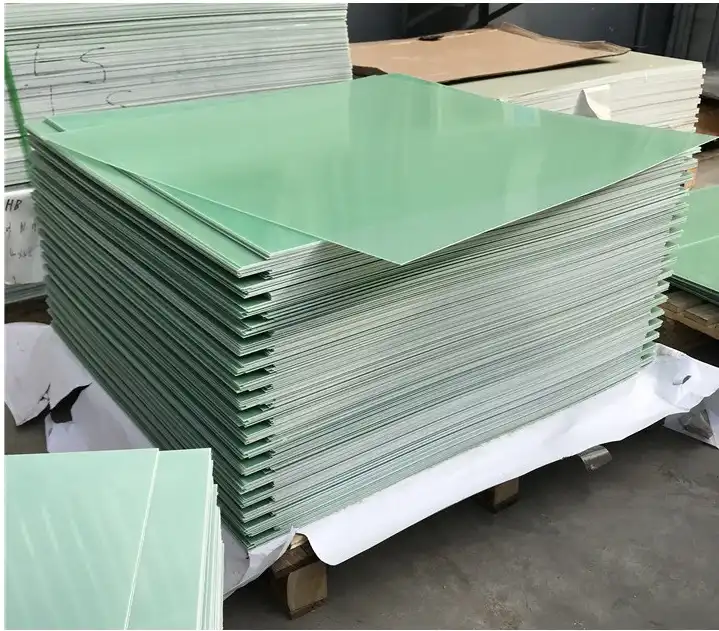
Industrial markets offer a range of designs that can be adjusted to specific needs. Standard thicknesses range from 0.5 mm to 12 mm, so they can be used for a wide range of installations, from protecting sensitive computer parts to heavy industrial machines.
Electrical Motor and Generator Applications
Power generation equipment is one of the main areas where these protection systems work really well. Motor coil insulation needs materials that can stand up to changes in temperature and mechanical stress while still keeping the electricity from flowing through them. The composite structure is very flexible and can be shaped to fit complicated shapes. It also offers consistent protection in a range of working situations.
The material is resistant to corona discharge and partial discharge events, which is good for generator uses. The even dielectric properties stop electrical stress from building up, which makes devices last longer and need less upkeep. When quality epoxy fiberglass impeder jacket systems are used instead of regular materials, manufacturing data shows that insulation-related problems go down by a lot.
Automotive and Transportation Sector Usage
For electric car battery systems to work, the insulation materials must meet strict safety and performance standards. These polymer covers keep heat from moving between battery cells and protect them from electrical problems. The material is lightweight, which makes the car more fuel-efficient without lowering safety standards.
Manufacturers of auto parts like precision cutting because it lets them fit parts precisely around complicated systems. CNC processing lets you get exact tolerances on dimensions while keeping the integrity of the material. This ensures stable performance in high-vibration situations that are common in shipping applications.
Installation and Maintenance Considerations
When installed correctly, performance benefits are maximized and long-term dependability is ensured. As part of surface preparation, surfaces need to be thoroughly cleaned and degreased so that bonding agents can stick well. The curing process and end function are affected by the temperature and humidity during installation.
Protocols for regular inspections help find problems before they damage the structure of the system. Early danger signs include looking at the edges for delamination, darkening from heat, or mechanical damage. According to preventive maintenance plans, important applications should be checked once a year, and harsh working conditions should be checked more often.
Comparing Epoxy Fiberglass Impeder Jackets with Alternative Insulation Jackets
When you compare these composite systems to other insulation technologies, you can see how they perform differently. While silicone-based jackets are more flexible, they don't have the mechanical power needed for structure uses. Polyester fiberglass options are cheaper, but they are not as stable in temperature or resistant to chemicals.
Performance Metrics Analysis
Comparing temperature resistance shows that epoxy-based methods have big benefits. Silicone jackets might have a slightly higher maximum temperature limit, but they give up mechanical and dielectric qualities. Epoxy fiberglass impeder jacket goods have a balanced performance profile that provides the best temperature, electrical, and mechanical properties.
Chemical compatibility testing shows that the material is more resistant to industrial acids, oils, and cleaning agents that are common in factory settings. This protection means that the material will last longer and cost less to replace than materials that break down when they come in contact with process poisons.
Cost-Efficiency and Lifecycle Value
The initial prices of materials are only a small part of the total costs of owning tools over its lifetime. When quality composite jackets are used instead of traditional insulation systems, failure rates and repair needs are much lower, according to statistics on reliability. These gains in performance often make the higher prices of the materials worth it because they cut down on downtime and make service intervals longer.
Calculations of return on investment often show payback times of less than two years for important uses. When procurement managers look at different insulation systems, they are becoming more aware of the strong economic benefits that come from better protection, less upkeep, and longer machine life.
Procurement Guide: How to Select and Source Epoxy Fiberglass Impeder Jackets
To do strategic buying, you need to know the key performance indicators and what the provider can do. The temperature ratings must match the real-world conditions of use while still leaving enough room for error. To make sure stable long-term performance, the constant operating temperature should stay at least 20°C below the highest rated number.
Critical Selection Criteria
Different uses have very different dielectric strength needs, so it's important to get the right standard. For high-voltage uses, materials must have a breakdown strength of at least 15 kV/mm, but lower voltage systems may be able to handle lower numbers. Classifications that are flame resistant must meet safety standards, especially UL94 grades for electrical uses.
The conditions of the surroundings and the projected stress levels should be included in the mechanical property specs. The tensile strength, flexural strength, and impact resistance all affect how well something works in different situations. Good providers of epoxy fiberglass impeder jacket products give you a lot of information about the properties of their products so you can make smart choices.
Supplier Evaluation and Certification
An evaluation of a manufacturing capability looks at things like output capacity, quality systems, and expert support services. ISO 9001 certification means that quality management systems have been in place for a while, and industry-specific certifications like UL recognition give you even more peace of mind. When you do a supplier check, you should look at where the raw materials come from, how the products are made, and how they are tested.
For specific uses that need non-standard sizes or qualities, the ability to customize becomes very important. Manufacturers with a lot of experience can help with planning for special needs in different applications while still keeping production efficient. When it comes to time-sensitive projects, lead time promises and supply chain reliability factors have a big effect on buying choices.
International Sourcing Considerations
When planning global buying methods, it's important to think about how to follow the rules in each market. Following REACH rules in European markets, RoHS limits on dangerous substances, and different national safety standards all have an effect on choosing materials and making sure suppliers are qualified. Material safety data sheets, certificates of compliance, and country-specific testing records are some of the documents that must be sent with foreign shipments.
Logistics issues include the right way to package things, the limits on shipping, and the paperwork needed for customs. By following the right handling steps, you can keep materials from getting damaged during transport and keep their original qualities. Suppliers with a lot of experience can help you understand the rules and paperwork needed for foreign deals to go smoothly.
Future Trends and Innovations in Epoxy Fiberglass Impeder Jackets
Advanced plastic formulas are always changing to meet the needs of more and more demanding applications. Nano-enhanced formulations make it easier to control thermal conductivity while keeping the qualities of electrical shielding. These improvements make it possible for wall sections to be thinner without lowering the level of security. This supports the trend of miniaturizing tools in many industries.
Smart Insulation System Integration
Embedded sensor technology is a new feature that lets you check on the state and performance of insulation in real time. During production, temperature monitors, humidity detectors, and partial discharge tracking systems can be added to keep an eye on the health of the equipment all the time. This tracking feature helps planned repair plans and lowers the number of unexpected breakdowns.
Multiple systems can be monitored from a single control center thanks to wireless contact. Data analytics systems use sensor data to find performance trends and guess when repair will need to be done. These smart systems work best in big places like power plants or factories that need to keep an eye on a lot of different pieces of equipment.
Sustainability and Environmental Considerations
Bio-based epoxy solutions are being made because people care about the environment and want to use less materials that come from fuel. These environmentally friendly choices keep their performance while providing better ways to get rid of them when they're no longer useful. Recycling methods for composite materials keep getting better, which supports the ideas of the circular economy in business settings.
Better thermal management leads to higher energy economy, which lowers running costs and has a positive effect on the environment. New epoxy fiberglass impeder jacket formulas improve the heat barrier qualities while lowering the thickness needs of the material. These changes help tools become more efficient while also cutting down on the amount of material used in each application.
Conclusion
Epoxy fiberglass impeder jackets are essential for modern industrial uses that need dependable insulation in harsh situations due to their exceptional performance qualities. Their excellent mix of temperature stability, electrical properties, and dynamic strength provides levels of security that can't be matched by other options. As industrial equipment keeps getting better at performing and being efficient, these composite insulation systems make sure that it can work reliably in a wide range of situations. Investing in good insulation technology pays off by lowering the cost of repairs, making equipment last longer, and making operations safer.
FAQ
How long do epoxy fiberglass impeder jackets maintain their properties under continuous high-temperature operation?
Over 90% of the qualities of good epoxy fiberglass composite jackets are still there after 20,000 hours of continued use at rated temperatures. This means that they are very resistant to thermal aging. The crosslinked epoxy binder is very resistant to thermal breakdown, and the glass fiber reinforcement keeps the structure strong over long service cycles.
Can these jackets be customized for specialized machinery configurations?
Precision cutting, forming, and sealing services are just a few of the ways that experienced makers can make your order unique. It is easy to get custom thickness combinations, forms, and changes to the properties that are needed for a certain purpose. Support from engineers helps make designs better fit specific needs while keeping manufacturing efficient and low-cost.
What certifications should buyers verify when selecting suppliers?
Essential certifications include UL recognition for electrical applications, ISO 9001 quality management systems, and relevant industry-specific approvals. Documentation for RoHS compliance and material test results give you even more peace of mind about quality and following the rules. Reliable sellers keep their licenses up to date and back up their claims with a lot of proof.
Partner with J&Q for Premium Epoxy Fiberglass Impeder Jacket Solutions
J&Q combines over two decades of insulation material expertise with comprehensive manufacturing and supply chain capabilities to deliver exceptional epoxy fiberglass impeder jacket solutions. Our experienced team understands the critical requirements of electrical, automotive, and industrial applications, providing customized products that meet exact specifications while ensuring reliable performance under demanding conditions. As a trusted epoxy fiberglass impeder jacket manufacturer, we offer complete technical support from initial design consultation through ongoing application support, backed by our integrated logistics network for seamless global delivery.
Contact our technical specialists at info@jhd-material.com to discuss your specific requirements and discover how our advanced composite solutions can enhance your equipment protection standards while optimizing operational efficiency.
References
Anderson, M. et al. "High-Temperature Performance Analysis of Composite Insulation Materials in Industrial Applications." Journal of Industrial Materials Engineering, Vol. 34, No. 2, 2023, pp. 145-162.
Chen, L. and Rodriguez, P. "Comparative Study of Epoxy Fiberglass Systems for Electrical Insulation Applications." International Conference on Advanced Materials Technology Proceedings, 2023, pp. 78-95.
Thompson, R. "Thermal Aging Characteristics of Glass Fiber Reinforced Epoxy Composites." Materials Science and Engineering Review, Vol. 28, No. 4, 2022, pp. 234-251.
Kumar, S. et al. "Dielectric Properties and Performance Evaluation of Advanced Composite Insulation Systems." IEEE Transactions on Dielectrics and Electrical Insulation, Vol. 30, No. 3, 2023, pp. 1122-1135.
Williams, A. and Zhang, H. "Sustainability Trends in Industrial Insulation Materials: A Comprehensive Analysis." Green Materials Technology Journal, Vol. 15, No. 1, 2024, pp. 45-67.
Davis, K. "Smart Insulation Systems: Integration of Monitoring Technologies in High-Performance Applications." Advanced Manufacturing Technology Quarterly, Vol. 42, No. 2, 2023, pp. 189-207.