The Importance of Insulation Sheets in Transformers: Key Applications and Benefits
2026-03-20 16:24:57
Modern transformer systems are built around insulation sheet technology, which provides important electrical isolation and thermal protection that keeps breakdowns from going off the rails and ensures working safety. These special materials act as important shields between high-voltage parts, keeping them safe from electrical problems and ensuring they keep working at their best in harsh temperatures. Quality insulation materials can add decades to the life of transformers, lower upkeep costs, and make the whole system more reliable if they are chosen and used correctly.
Understanding Insulation Sheets in Transformers
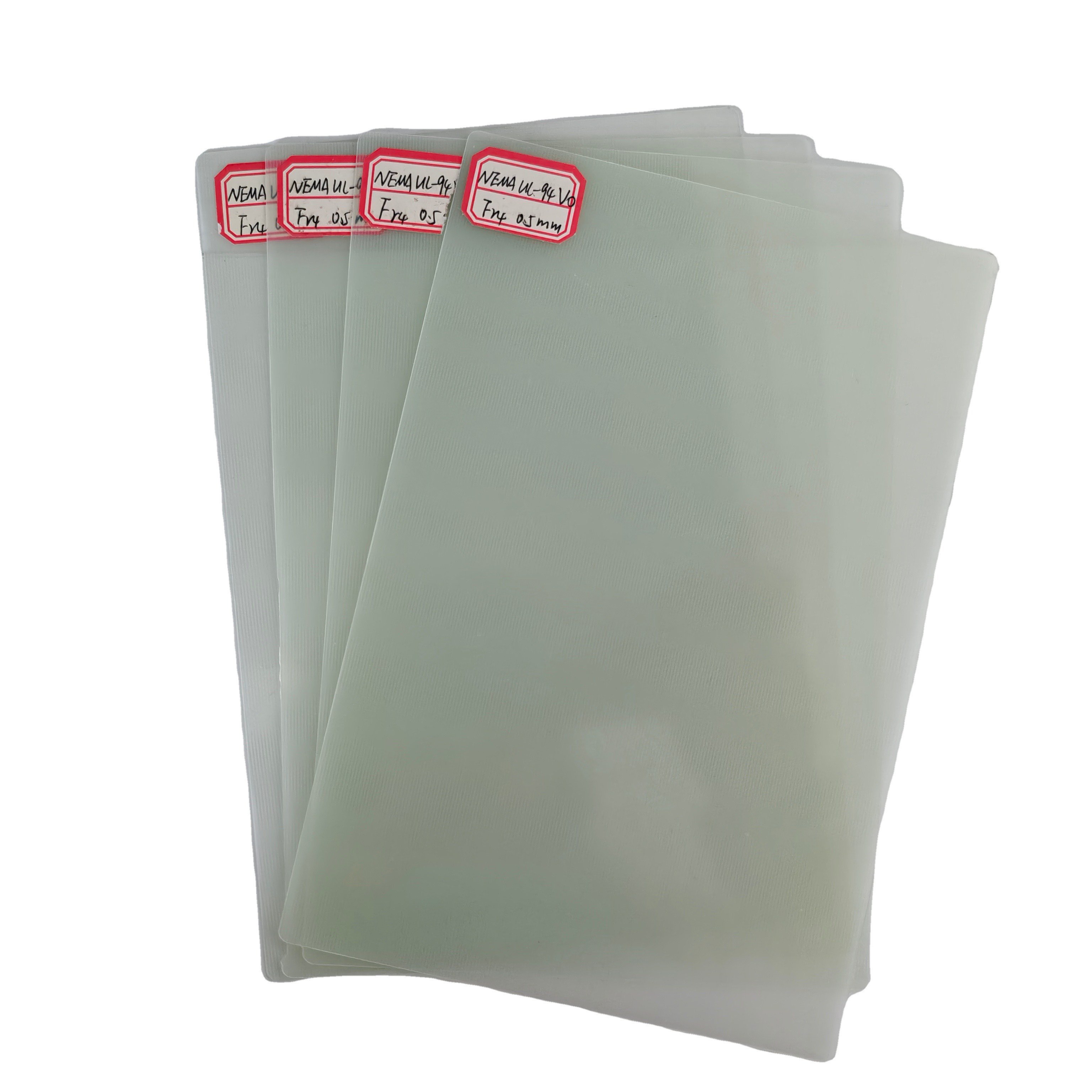
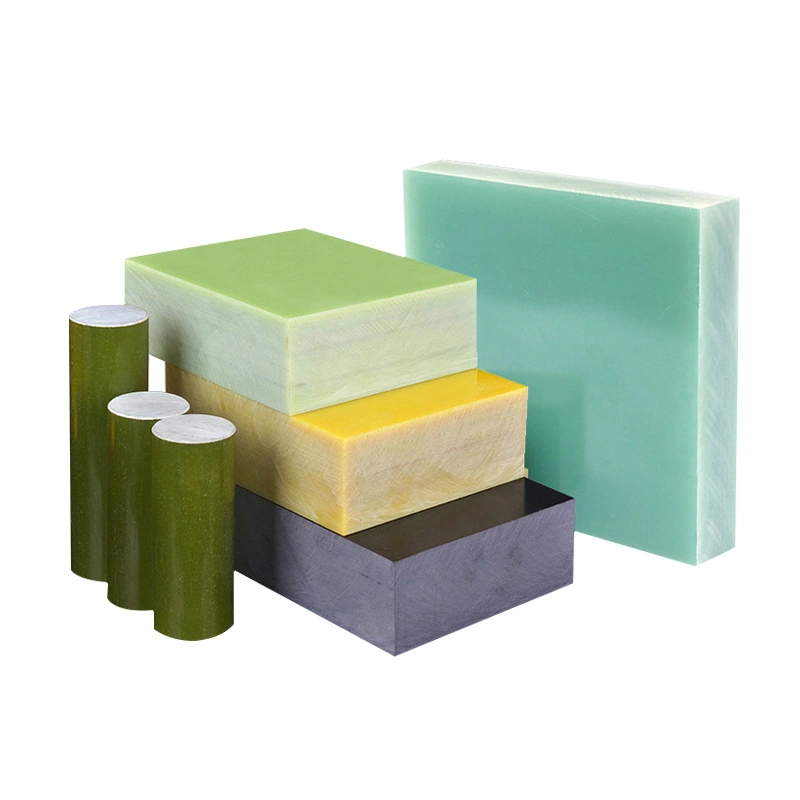
Transformers depend on high-tech insulation sheet materials to keep the electricity working and stop dangerous arcs from forming between parts inside the transformer. Usually, these engineered materials have phenolic laminates, epoxy glass cloth composites, and special thermosetting plastics that offer high dielectric strength and heat stability.
Material Composition and Properties
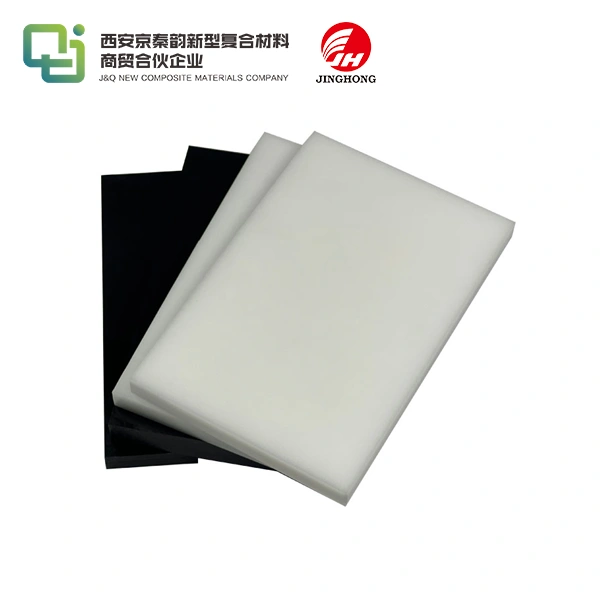
Modern transformer shielding is made of high-tech materials that can handle high temperatures and electrical pressures. Phenolic paper laminates, like Bakelite sheets, are great for oil-immersed transformer uses because they are resistant to chemicals and don't change shape. Even when exposed to mineral oils at high temperatures, these materials keep their insulating qualities. This makes them reliable over time in harsh settings.
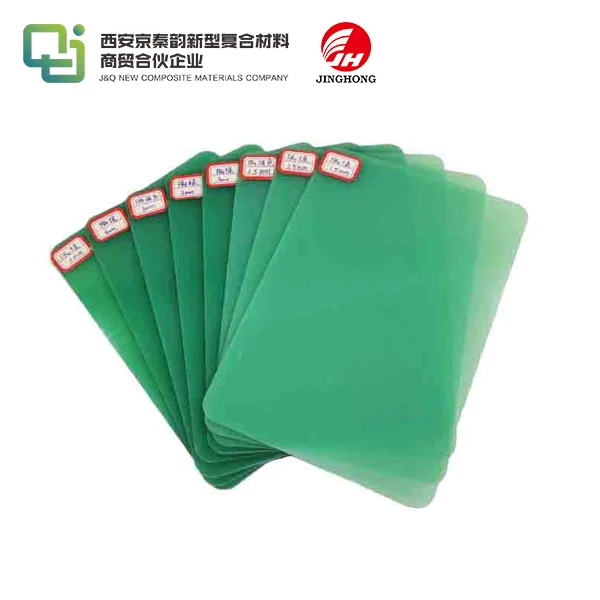
Another important group is epoxy glass cloth laminates, which offer better material strength and electrical performance. With dielectric strengths of more than 14.2 MV/m and working temperatures up to 155°C, these materials offer strong protection against electrical breakdown while keeping their structural integrity when put under mechanical stress.
Functional Roles in Transformer Design
Insulation materials do more than just keep electricity from flowing through them. Aside from keeping sensitive windings and core sections from getting damaged, these parts also act as sound dampeners and thermal shields. Their low water absorption keeps them from breaking down because of water, and their high machinability lets them be precisely customized to fit different generator shapes.
International standards like GB/T 1303-2009, IEC 60893 guidelines, and NEMA grading requirements must be met by high-quality insulation materials. These standards make sure that the equipment works the same way in all kinds of situations and give procurement teams solid guidelines for choosing materials.
Key Applications of Insulation Sheets in Transformer Manufacturing
Distribution Transformer Applications
To safely and effectively handle medium-voltage uses, distribution transformers need specific shielding solutions. In these situations, the insulation sheet materials must be able to reliably separate the phases and handle heat cycling from changes in the load. The materials are very important barriers in bushing systems, devices for changing taps, and support structures for winding.
For these uses, you need materials that have been used before in oily conditions, where long-term chemical stability is very important. Phenolic laminates work really well in these situations because they don't break down easily in transformer oil and can keep their shape over long periods of time.
Power Transformer Requirements
Power transformers that are very big have special needs when it comes to insulation materials that can handle big changes in energy and heat. For high-voltage uses, special epoxy glass cloth laminates are used because they have great dielectric strength and can keep their shape even when electromagnetic forces are created during fault conditions.
To make full safety plans, power transformers' insulation systems need to work with both liquid and gaseous insulation means. Solid insulation materials and transformer oil work together to create graded insulation that effectively distributes electrical stress throughout the transformer structure.
Dry-Type Transformer Solutions
For dry-type transformers, solid and air insulation systems are the only ones that work. This makes insulation sheet materials work harder to protect against both electrical and mechanical damage. To meet building code standards for indoor installs, these uses need materials that are very resistant to flames and don't give off a lot of smoke.
In dry-type transformers, the shielding materials must also support the windings structurally and let enough air flow to keep the transformer cool. To get the right mix of electrical performance, mechanical strength, and thermal control for this dual purpose, the materials must be carefully chosen.
Benefits of Using High-Quality Insulation Sheets
Enhanced Operational Reliability
When you use high-quality insulation materials, the transformer will be more reliable because the insulating performance will stay the same over its entire life. Thermal cycles, moisture exposure, and chemical contamination can all break down low-quality materials, but high-quality materials don't break down easily. This means they won't fail early in important uses.
The money spent on better insulation technology pays off by cutting down on unexpected outages and making repair intervals longer. Power system workers say that transformers with high-grade insulation materials fail a lot less often than units with standard-grade insulation materials.
Compliance and Safety Advantages
Today's shielding materials help transformer makers meet safety and environmental rules that are getting stricter. UL and RoHS-certified materials meet international safety standards and help the environment by releasing fewer harmful chemicals during production and removal at the end of their useful life.
Fire-retardant features built into modern shielding materials add an extra layer of safety in important situations. In urban settings, where fires could spread quickly and cause a lot of damage or service interruptions, these traits become even more important.
Cost-Effectiveness Over Equipment Lifetime
Even though high-quality insulation sheet materials may cost more at first, they save you a lot of money in the long run because they last longer and need less upkeep. Total cost of ownership calculations always show that investing in high-quality insulation is a good idea, especially in important situations where downtime costs a lot of money.
Better insulation makes buildings more energy efficient, which saves money on running costs. Less dielectric loss and better temperature control mean that the transformer will cost less to run and be better for the environment over its entire life.
Choosing the Right Insulation Sheets for Your Transformer Needs
Technical Specification Analysis
To choose the right material, you must first carefully look at the electrical, heat, and mechanical needs of each transformer application. When measuring dielectric strength, it's important to take into account both short-term breakdown voltages and long-term electrical aging traits in real-world settings.
In order to meet insulation sheet thermal performance standards, temperatures that must be maintained, the need for thermal conductivity, and the ability of neighboring materials to handle thermal expansion must all be carefully considered. Specific construction and use needs must be met by mechanical qualities like flexural strength, impact resistance, and dimensional stability.
Supplier Qualification and Certification
You can get goods that meet strict performance standards as long as you choose skilled suppliers who have a history of working with transformer insulation materials. Well-known companies usually keep thorough quality control systems that make sure that all of their products can be tracked and are the same from batch to batch.
Certification to the right industry standards makes sure that the products will work as planned in real-world situations. Suppliers should give thorough test results and performance records that back up design calculations and meet legal standards.
Material Comparison and Selection Criteria
Different types of insulation have different benefits that must be matched to the needs of the application. For normal uses, phenolic laminates are very good at resisting chemicals and are also very cost-effective. On the other hand, epoxy glass cloth materials are better at electrical and mechanical performance for high-voltage uses that are very demanding.
Environmental concerns are becoming more and more important in the selection of materials. Procurement teams are looking for materials that have the least effect on the earth over the course of their entire lifecycle. When evaluating suppliers, sustainable manufacturing methods and the ability to recycle products at the end of their useful lives become important factors.
Installation and Maintenance Insights for Insulation Sheets in Transformers
Installation Best Practices
The full performance potential of quality insulation materials can only be reached by using the right fitting methods. The way things are handled must stop them from absorbing water, getting damaged, or getting contaminated, all of which could affect how well the electricity works. From transport to final installation, storage and preparation processes should keep the integrity of the materials.
Controlling the temperature and humidity during installation stops changes in size that could lead to holes or stress points in the finished insulation system. Using the right tools and cutting methods will make sure that the edges are clean and that the parts fit perfectly so that the electrical spaces stay the same over the life of the equipment.
Maintenance and Inspection Protocols
Regular checking programs let you find insulation decline early on, before it gets so bad that it breaks. Surface tracking, darkening, or actual damage that shows problems are getting worse and need attention can be found by looking at them.
Measurements of insulation resistance, dielectric absorption, and polarization index values are used in electrical testing methods to give a precise assessment of the state of the insulation. These diagnostic methods allow condition-based upkeep choices that make equipment more reliable while reducing the number of times it needs to be fixed.
Predictive repair plans that use advanced testing methods help find the best time for replacement and lower the total cost of ownership. Thermal imaging, tracking of partial discharge, and chemical studies of insulation materials can all be used to get a full picture of the health of an insulation system and how long it will last.
Conclusion
Investing in high-quality insulation sheet materials is a must for improving the safety, dependability, and long-term performance of transformers. Choosing and using the right insulation materials has a direct effect on how long equipment lasts, how well it works, and how much it costs to maintain over the transformer's working life. Knowing the technical details and what the application needs lets you make smart buying choices that get the best value while still passing strict safety and performance standards. As transformer technology keeps getting better, it becomes more and more important for power systems to use tested insulation materials from reputable sources.
FAQ
What types of insulation sheet materials work best in oil-immersed transformers?
When used in oil-immersed transformers, phenolic paper laminates work very well, especially those that meet NEMA Grade XXX standards. These materials are better at resisting chemicals than mineral oils, and their shape stays the same across a wide range of temperatures. The low water absorption keeps oil from getting contaminated and ensures consistent electrical strength over long periods of time.
How do I determine the appropriate thickness for transformer insulation materials?
The voltage class, electrical space needs, and mechanical support needs all affect the thickness of the insulation that is chosen. Thicknesses of 1.5 to 3 mm are common for distribution voltage applications, while 6 mm or more may be needed for high-voltage uses. When voltage slopes and safety factors are taken into account in electrical design calculations, specific thickness needs are given for each use.
What quality standards should I specify when procuring transformer insulation materials?
GB/T 1303-2009 for phenolic laminates, IEC 60893 series for thermosetting materials, and NEMA standards for grade classes are some of the most important quality standards. UL certification and RoHS compliance give you even more peace of mind about the quality of the materials and their suitability for use in the environment. Suppliers should give full test papers that list the electrical, heat, and mechanical qualities of their goods.
Partner with J&Q for Premium Transformer Insulation Solutions
J&Q offers great insulation sheet options for transformers thanks to its more than 20 years of experience making things and 10 years of experience dealing internationally. Our wide range of products includes approved phenolic laminates, epoxy glass cloth materials, and special composites made for harsh electrical environments. With our established supplier relationships and combined logistics skills, we offer a full one-stop service that makes buying easier and guarantees regular quality and delivery performance. Engineering managers and procurement professionals rely on our technical knowledge to choose the best materials that meet strict performance standards and provide the best value over the entire duration of the equipment. Contact our technical team at info@jhd-material.com to talk about your unique transformer insulation needs and find out why top manufacturers choose J&Q as their insulation sheet provider of choice.
References
Institute of Electrical and Electronics Engineers, "IEEE Guide for Loading Mineral-Oil-Immersed Transformers and Step-Voltage Regulators," IEEE Standards Association, 2012.
International Electrotechnical Commission, "Insulating Materials - Industrial Rigid Laminated Sheets Based on Thermosetting Resins for Electrical Purposes," IEC Publication 60893-3, 2019.
National Electrical Manufacturers Association, "Industrial Laminated Thermosetting Products," NEMA Standards Publication LI 1, 2018.
Cigré Working Group A2.37, "Transformer Reliability Survey," Cigré Technical Brochure 642, International Council on Large Electric Systems, 2015.
American Society for Testing and Materials, "Standard Specification for Electrical Insulating Materials," ASTM D709-16, ASTM International, 2016.
Zhang, L., "Advanced Materials for Power Transformer Insulation: Performance Analysis and Application Guidelines," Journal of Electrical Engineering Materials, Vol. 45, No. 3, 2021.