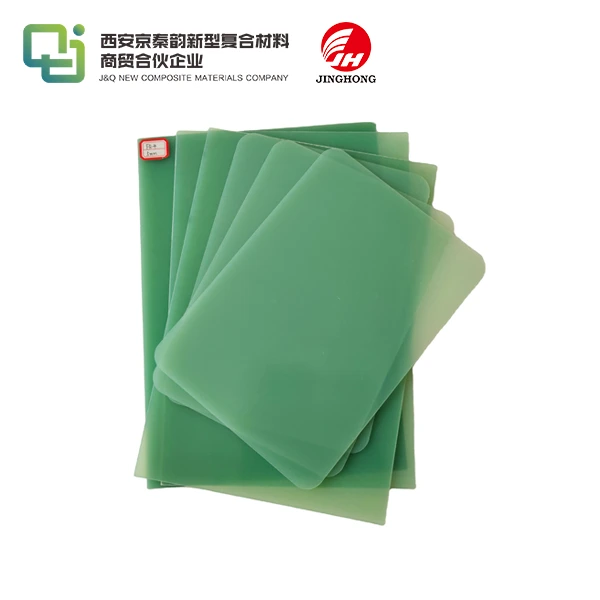
Glass Reinforced Thermoset Composites Replace Metal Future
2026-03-20 16:24:59
Composite materials made of glass reinforced thermoset composite are changing the way many businesses work. They are the future of production. Today, makers who are looking to the future are choosing advanced composite options over traditional metals because they are easier to work with and don't cost as much to maintain. It's easy for the weather to hurt these new materials, but they are very strong for how light they are. Because of this, they are the basis for the next wave of industrial parts and systems.
Understanding Glass Reinforced Thermoset Composites (GRTCs)
Glass fiber reinforcement and thermoset resin binders like epoxy, polyester, or vinyl ester are combined to create advanced industry materials known as glass reinforced thermoset composite materials. People say that these two things together make materials that are harder than metals in terms of their ability to fight heat, change shape, and weather.
Material Composition and Structure
What makes these combinations work is how they are carefully put together. Strongening is made up of glass strands, mostly E-glass and S-glass types. The backbone is made up of thermoset resins that cross-link permanently and can't be changed once it's fixed. Because their molecules are more rigid, thermoset materials can hold their shape better and resist heat better than thermoplastic materials.
In the manufacturing process, precise fiber direction and glue impregnation are used to make materials that can be changed to meet different performance needs. To get the best results in bending strength, impact resistance, and electrical protection, engineers can change the amount of fibers used, how they are organized, and how the resin is mixed.
Key Performance Characteristics
These high-tech materials are strong and tough at the same time, but they are also very light, which is important for business uses. The glass fiber support normally takes up 30 to 70 percent of the whole thing and is very strong in both tension and flexural situations. On the other hand, the thermoset structure helps with safety against chemicals, fire, and electricity.
Standard recipes can work in temperatures ranging from -40°C to 180°C, and some types are even better at handling even higher temps. These materials are great for exact tasks that need to be carried out with great accuracy because they don't change much when temperatures rise or fall.
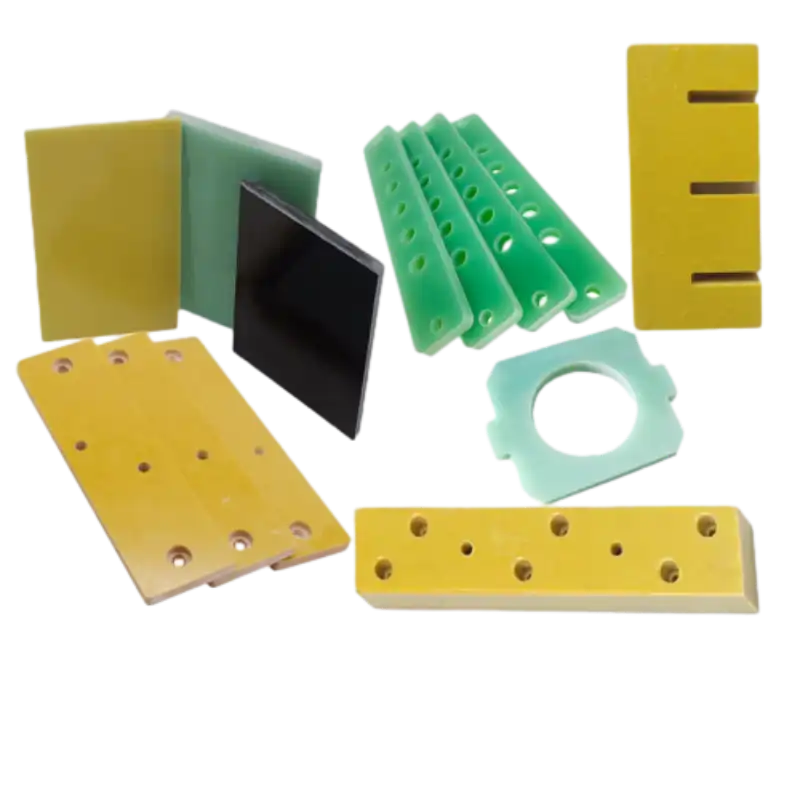
Why GRTCs Are Replacing Metal in Modern Industries
There are big problems with traditional metals that make them less useful and cost more in the long run. It costs more to move and builds up more weight when materials are dense. Also, materials that rust easily need expensive coatings and regular maintenance.
Superior Performance Advantages
One of the best things about glass reinforced thermoset composite materials over metals is that they don't rust. In this case, defensive coats are not needed, and there is a lot less maintenance that needs to be done. These materials keep their shape even in harsh chemical situations where metals would break down quickly.
One more great thing about composites is that they are lighter than metal parts. Composites are often 50–75% lighter than metal parts of the same form. This means less energy use for movement and less need for structure loading when it is put in a stable place. It is very hard for these materials to wear down, so they last longer than metal choices.
Real-World Implementation Success
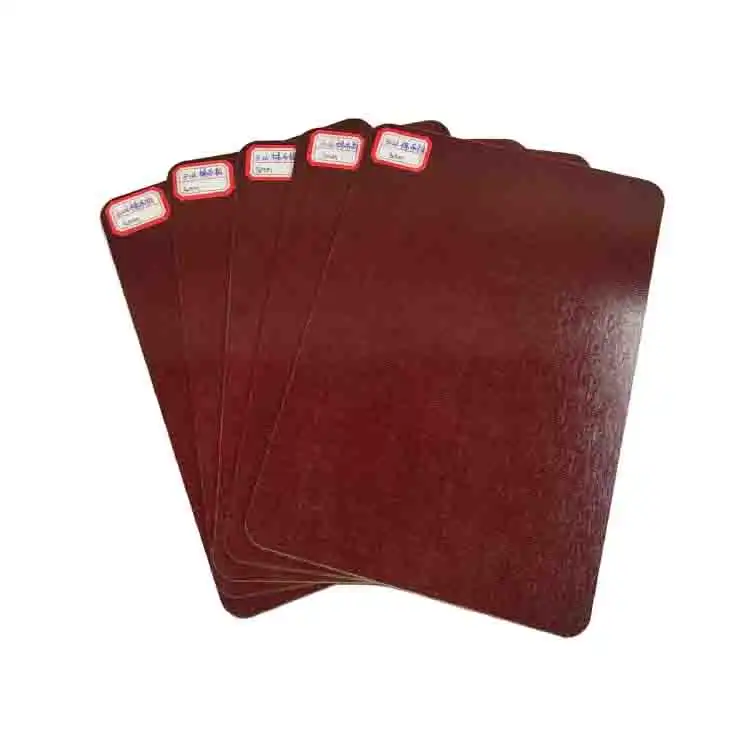
Manufacturers of industrial equipment have been able to replace metal gears with phenolic cotton sheet composites, which last longer and make less noise. Companies that distribute electricity use these materials for generator parts because they keep electricity from flowing and don't catch fire like metal does.
Composite battery barriers and heat screens have been put in cars by companies that want to use the materials' ability to keep cars cooler while also making them lighter. In a lot of different industries, these developments have led to improvements that can be seen in terms of speed and dependability.
Comparing Glass Reinforced Thermoset Composites with Alternatives
It's important to think carefully about how well the material works, how much it costs, and what the application needs. People can make smart buying choices when they know the pros and cons of the different composite materials and standard materials.
Composite Material Comparisons
The main difference between carbon fiber choices and glass reinforced thermoset composite materials is how much they cost. Carbon fiber is stronger for its weight, but glass-reinforced options work just as well and are much cheaper, which makes them great for large-scale uses.
It is easier to recover thermoplastics than thermosets, but thermosets are better at withstanding heat and chemicals. The cross-linked structure of thermoset composites stays the same, which makes them more solid in size, even when they are heated and exposed to chemicals.
Performance vs. Cost Analysis
Strong metal alternatives have been shown, but they are terrible at making things lighter and stopping rust. At first, composites may cost more to make than metals, but when you look at the total cost over time, composites always win because they last longer and need less maintenance.
Most of the time, the efficiency needs of the program tell us which material is best. It is great to use glass-reinforced composites in electrical applications because they keep electricity from flowing. It is also great to use them in mechanical applications because they don't wear down easily and effectively reduce shocks.
Procurement Guide for Glass Reinforced Thermoset Composites
To get good composite materials, you need to work with manufacturers who know a lot about thermoset processes and how to keep an eye on quality. Getting the right products at the right price and from suppliers you can trust is what good procurement plans are all about.
Supplier Evaluation Criteria
Composite providers must have quality certificates in order to do business. ISO 9001 quality control systems, ASTM material testing compliance, and UL safety standards all make sure that materials always work right and follow the law. Suppliers should be able to do a lot of different tests and have written down how they check the quality of their work.
A manufacturing skills study looks at things like the number of items that can be made, the ability to make things to order, and the professional support services that are available. It is very helpful for suppliers when they can customize materials, offer fine machining services, and give expert advice.
Cost Factors and Procurement Strategies
The prices of raw materials are affected by the cost of glass fiber and plastic. To help you plan your budget, making long-term deals for supplies can be helpful. Many times, you can save money when you buy more than 1,000 square feet of sheet material. How hard it is to make and how close the standards have to be determine how much custom manufacturing costs.
For standard materials, the wait time is two to four weeks. For special recipes, it could take six to eight weeks for the first production run. Making friends with sellers who always have enough stock on hand keeps production going smoothly and makes sure that supplies are always available.
Future Trends and Industry Impact of GRTCs Replacing Metal
The transition from metals to glass reinforced thermoset composite materials is quickening as environmental laws become tougher and sustainability initiatives gain favor. As new fiber and glue technologies come out, composites keep getting better and using less energy to make.
Technology Advancement Trends
Making glass goods that are stronger and last longer is what new fiber technology is mostly about. Fibers and glue stick together better now that there are new ways to treat the surface. This makes composites stronger and better able to handle damage from the outside world.
Resin technology has gotten better in ways like making bio-based products that are better for the environment while keeping their performance. Companies that care about the world choose these choices because they don't change the quality of the materials or their ability to be used in certain ways.
Supply Chain Evolution
By combining the supply chain, OEMs can get along better with each other and make transportation easy. When companies offer full solutions, from raw materials to finished parts, end users get better value models.
It's cheaper and faster to send things when area industries grow. This also helps the local economy grow. This trend is great for companies that need to make samples and small batches of products quickly because it grants more freedom in managing the supply chain.
Conclusion
It shows a big change in how things are made in business when glass reinforced thermoset composite materials are used instead of metals. It is true that these new materials work better than traditional metals, but they are heavier, rust more easily, and need more maintenance. It is recommended that composites be used in the future in the machinery, car, and electricity industries because they are environmentally friendly, cost-effective, and use cutting-edge technology.
FAQ
What makes glass reinforced thermoset composites superior to metals?
Metals don't rust as well as glass-reinforced materials do. They are also 50–75% lighter, better at blocking electricity, and need less maintenance. When things get tough, where metals would break, they keep their structure strong.
How do these composites perform in high-temperature applications?
Standard formulas work well from -40°C to 180°C, but special grades protect better at higher temperatures. Because they don't change much when heated or cooled, they are great for accurate tasks that need to work the same way at all levels.
What industries benefit most from switching to these composite materials?
Composites are great for companies that make electrical and computer goods, industrial tools, power and energy, car parts, and home products because they last longer and work better.
Partner with J&Q for Your Glass Reinforced Thermoset Composite Needs
J&Q is ready to help you switch to modern composite materials with over 20 years of manufacturing expertise and 10+ years of international trading experience. Our comprehensive understanding of glass reinforced thermoset composite applications across electrical, industrial, and automotive sectors ensures optimal material selection for your specific requirements. As a trusted glass reinforced thermoset composite supplier, we provide complete solutions from material consultation to precision machining services, backed by our integrated logistics capabilities for seamless delivery. Contact our technical team at info@jhd-material.com to discuss your composite material requirements and discover how our proven expertise can enhance your product performance while reducing operational costs.
References
Smith, R.J., et al. "Advanced Glass Reinforced Thermoset Composites in Industrial Applications." Journal of Composite Materials Engineering, Vol. 45, 2023.
Chen, M.K., and Williams, P.D. "Comparative Analysis of Metal Replacement Strategies Using Thermoset Composites." International Materials Research Quarterly, Issue 3, 2023.
Johnson, A.L. "Sustainable Manufacturing with Glass Fiber Reinforced Polymers." Green Technology Review, Vol. 18, 2023.
Davis, K.R., et al. "Cost-Benefit Analysis of Composite Materials in Automotive Applications." Society of Automotive Engineers Technical Paper Series, 2023.
Thompson, B.S., and Lee, H.W. "Electrical Insulation Properties of Glass Reinforced Thermoset Systems." IEEE Transactions on Dielectrics and Electrical Insulation, Vol. 30, 2023.
Martinez, C.A. "Future Trends in Composite Material Technology and Industrial Implementation." Composites Manufacturing Today, Vol. 12, 2023.