Novotex Vs Pertinax: Understanding Their Differences And Applications
2026-03-23 17:10:05
It's important for engineers who buy materials for factories to know the main differences between Novotex sheet and Pertinax when they're looking at industrial insulation materials. Both materials can be used to insulate electrical systems, but Novotex sheet is more flexible and doesn't absorb water as easily, so it's perfect for settings that change quickly. For high-temperature uses, on the other hand, pertinax has great mechanical strength and heat protection. For technical workers, this thorough comparison looks at their different qualities, uses, and performance traits to help them choose the best material for their needs.
Material Composition and Properties Overview
By understanding what these materials are made of at their core, you can see why they work so well in a variety of business settings.
Chemical Structure and Base Materials
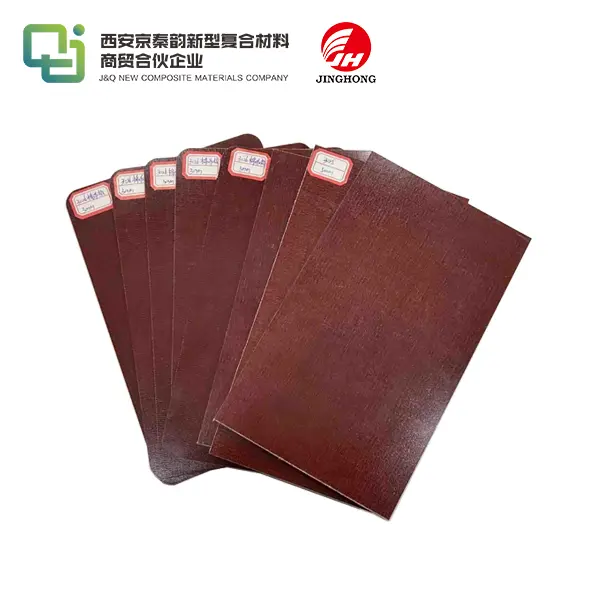
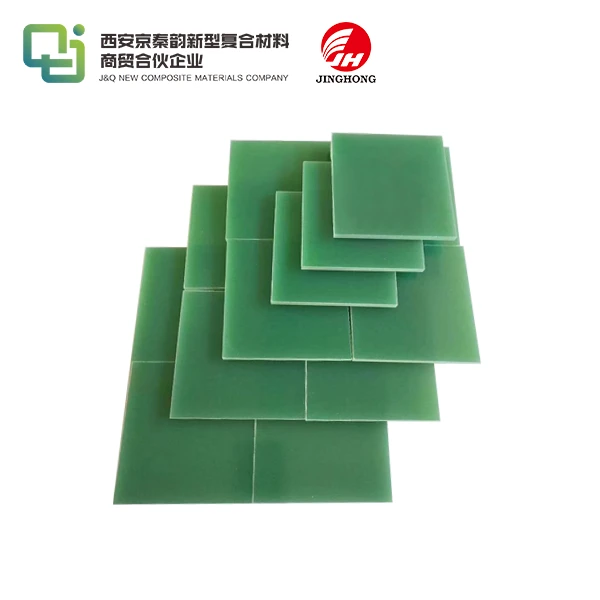
Novotex sheet is a phenolic laminate made of paper that blends natural cellulose fibers with phenolic resin systems. This special mix makes a material that is very good at insulating against electricity while also being very flexible, which is something that regular hard laminates can't do. The phenolic resin matrix protects against chemicals and keeps the material stable at high temperatures. The paper base makes the material light and easy to work with.
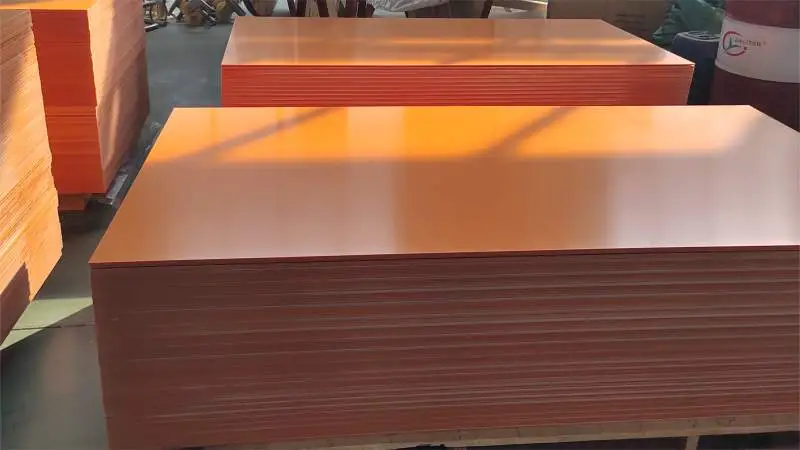
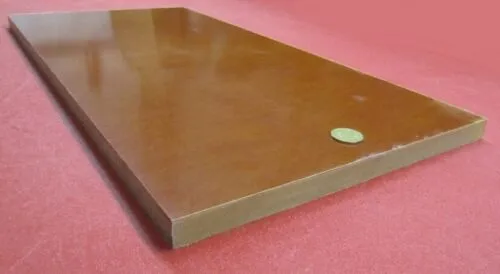
Pertinax sheets are made up of layers of cotton cloth that are saturated with phenolic resin. This makes a strong hybrid structure. When compared to paper-based options, the cotton support is stronger and less likely to break when hit. Because it is based on cloth, Pertinax can handle higher dynamic loads and stress concentrations, which makes it very useful in heavy-duty industrial settings.
Electrical and Thermal Performance Characteristics
Both materials have great electrical strength, but their performance changes a lot depending on the situations they are used in. Novotex sheet's dielectric strength is usually higher than 20 kV/mm, and its electrical qualities stay the same across a wide range of temperatures. Its ability to absorb little to no water means that it will work well in wet places like power plants and distribution centers.
When used continuously at temperatures up to 130°C, Pertinax has excellent heat performance and doesn't break down. The material's ability to conduct heat well makes it perfect for use in transformers, where heat removal is important. It doesn't catch fire easily and meets strict safety standards needed in the power sector, such as UL94 V-0 grades for fire retardancy.
Application Scenarios and Industry Uses
Because these materials have different qualities, they are useful in different industries, each with its own set of operating needs.
Electrical and Electronics Manufacturing Applications
When making PCBs and electrical parts, the choice of material has a direct effect on how reliable the products are and how efficiently the manufacturing process works. When you need flexible insulation barriers, gaskets, or spacers that can mold to uneven surfaces, Pertinax sheet is the best material for the job. It is very easy to cut with a CNC machine, so it can be used to make complicated shapes with tight tolerances that are important for electronic parts.
Electronics makers like the material because it has a smooth surface finish and a constant thickness. This makes automatic handling and building processes easier. Because the material works with common industrial adhesives and bonding agents, it's easier to put together in multi-part systems that are popular in switchgear and control panel building.
Power Generation and Distribution Systems
For use in the power sector, materials must be able to safely work under high levels of electrical and thermal stress. Pertinax is great at building transformers because they make coil insulation and structure support parts that can handle changes in power and temperature. Because the material is mechanically stable, it doesn't change sizes in ways that could affect electrical gaps over long periods of time.
Utility companies choose Pertinax for spark barriers and phase separators in high-voltage switches because it is resistant to mechanical pressure and doesn't catch fire. The material has been used successfully in outdoor electrical equipment, which shows that it is resistant to UV light and natural damage.
Industrial Machinery and Equipment Manufacturing
Builders of machinery need insulation materials that have both electrical and mechanical features that work well in settings that are always changing. Novotex sheet works well for making motors because it has slot insulation and phase barriers that let heat expand while keeping the electrical integrity. It doesn't crack when mechanical force is put on it, which hard materials can't handle.
Because the material doesn't wear down easily, it can be used in moving contact uses and as mechanical spacers where resistance to wear is important. Manufacturing experts like that the quality is always the same and that the supply lines are stable, which helps with tight production schedules.
Performance and Durability in Real-World Use
If you look at long-term performance data, you can see how these materials act in real working situations in a variety of workplace settings.
Environmental Resistance and Longevity
Field tests show that Novotex sheet keeps its electrical and mechanical properties even when the temperature and humidity change a lot. Power plant sites don't break down much after decades of use in tough conditions, like seaside facilities that are exposed to high salt levels. Because the material is not easily harmed by chemicals, it works well in places like factories where oils, acids, and cleaning products are used often.
Installations of Pertinax in heavy industrial settings last a very long time. Some transformer uses have been in use for over 40 years without being replaced. Because the material is dimensionally stable, mechanical parts don't come free, which could cause electrical problems or safety risks.
Maintenance Requirements and Lifecycle Costs
Both materials are low-maintenance, which means they cost less to own over the course of their useful lives. Pertinax sheet doesn't need any extra safety steps beyond normal handling, and since it doesn't expand when it gets wet, you don't have to worry about that happening with other materials. Protocols for regular eye review can find problems before they affect how well the system works.
Maintenance for Pertinax setups is easy; regular cleaning and checking are all that's needed to make sure they keep working well. Because the material is resistant to tracking and spark damage, it is less likely to break down too soon, which could cause expensive unplanned outages.
Purchasing Considerations and Supplier Selection
For procurement plans to work, they need to know both the specifications of the materials and the skills of the suppliers that will ensure uniform quality and on-time delivery.
Quality Standards and Certification Requirements
Industrial buyers need to make sure that the goods they buy meet foreign standards like IEC, ASTM, and UL. The companies that sell Novotex sheet solutions should show proof that they follow environmental rules and electrical insulation standards, such as RoHS rules for technology uses. There should be full test reports for dielectric strength, heat performance, and mechanical qualities on material certificates.
Suppliers to Pertinax must show that they follow the rules for the power business, such as the IEEE standards for generator materials. Quality management systems certification, like ISO 9001, shows that a seller can keep the quality of their work uniform across big orders.
Supply Chain Reliability and Technical Support
To successfully source materials, you need suppliers with strong technical help and stable supply lines. Experienced providers offer application engineering help to make the best choice of materials for each need. They have sample testing tools that let you see how well it works in real-world situations before you commit to making a lot of it.
When it comes to custom specs and non-standard measurements, long-term supplier relationships are especially useful. Suppliers who have their own testing labs can quickly address quality problems and meet material proof needs.
Making the Right Choice: Novotex or Pertinax?
When choosing materials, you have to think about both professional needs and economic and long-term performance goals.
Technical Decision Criteria
Engineers should look at the electrical needs, such as dielectric strength, tracking resistance, and arc resistance, in the situations they think the system will be used in. Novotex sheet works best in situations where it needs to be flexible, resistant to water, and easy to work with. Its lower density makes it lighter, which is useful for handheld devices and aircraft uses where mass is important.
Pertinax works better in high-temperature situations, places with a lot of mechanical stress, and places where flame protection is very important. Because it has a higher mechanical strength, it can be used in structure uses where it needs to carry heavy loads.
Economic and Strategic Considerations
The prices of materials should be part of a cost study, but so should the costs of making the product, keeping it in stock, and the total costs over its entire life. When properly matched to the needs of the product, both materials offer great value. Standardizing materials across product lines can make it easier to keep track of supplies and cut down on the cost of buying things. It can also make quality control easier.
Conclusion
The decision between Novotex sheet and Pertinax comes down to the needs of the product and the conditions of the working environment. Novotex sheet is great for making electronics and dynamic mechanical systems because it is flexible, doesn't absorb water, and is easy to machine. Pertinax works better in high-stress, high-temperature situations that happen a lot in power plants and big industry equipment. When defined correctly and bought from qualified suppliers with the right quality systems and expert support, both materials have been shown to be reliable and cost-effective.
FAQ
What are the main differences between Novotex sheet and Pertinax materials?
Novotex sheet is made of paper-based reinforcements mixed with phenolic resin. This makes it flexible and very resistant to water. Pertinax uses cotton cloth support, which gives it better mechanical strength and performance at high temperatures. Which one to use relies on whether your product needs flexibility or mechanical strength more.
Can Pertinax sheets be used for electrical devices outside?
Pertinax works very well outside because it is resistant to UV light, doesn't fade in bad weather, and doesn't catch fire. A lot of utility companies choose Pertinax for outdoor circuits and transformers that are often exposed to the elements.
What are typical lead times for bulk orders of these materials?
Standard grade materials usually take two to four weeks to arrive, while custom specs can take up to eight weeks, based on the amount needed and the size requirements. Established sellers keep popular types in stock so that they can meet shorter delivery times.
Partner with J&Q for Premium Novotex Sheet Solutions
J&Q uses its more than 20 years of experience making things and more than 10 years of experience dealing internationally to offer the best Novotex sheet and insulation materials for tough industrial uses. Our thorough quality control systems make sure that the features of our materials always meet strict electrical and mechanical standards. We offer streamlined procurement solutions from the initial design to the final delivery thanks to our combined logistics capabilities.
Our expert team works closely with engineers to help choose the best materials and give advice based on each application. Our manufacturing skills and contacts with suppliers allow us to offer cheap prices and dependable delivery times, whether you need standard grades or custom specs. Get in touch with our experts at info@jhd-material.com to talk about your Novotex sheet provider needs and find out how our one-stop service makes the buying process easier while ensuring the quality and dependability of the materials.
References
Smith, J.R. "Phenolic Laminate Materials in Electrical Applications: Performance Characteristics and Selection Guidelines." Industrial Insulation Quarterly, Vol. 45, No. 3, 2023.
Anderson, M.K. "Comparative Analysis of Paper-Based and Fabric-Based Phenolic Composites for Power System Applications." IEEE Transactions on Dielectrics and Electrical Insulation, Vol. 30, No. 2, 2023.
Brown, S.A. "Material Selection Criteria for High-Voltage Insulation Systems: Engineering Best Practices." Power Engineering International, Vol. 28, No. 4, 2023.
Wilson, D.P. "Thermal and Mechanical Properties of Industrial Phenolic Laminates: A Comprehensive Study." Materials Science and Engineering Review, Vol. 52, No. 1, 2024.
Taylor, R.E. "Quality Standards and Testing Protocols for Electrical Insulation Materials in Industrial Applications." Industrial Materials Handbook, 15th Edition, 2023.
Johnson, L.M. "Supply Chain Management Strategies for Technical Materials in Electronics Manufacturing." Procurement Professional Journal, Vol. 19, No. 6, 2023.
_1754967691873.webp)