Understanding EPGM203 vs EPGC203
2026-03-23 17:10:07
Knowing the difference between EPGM203 and EPGC203 is important for engineering managers and buying teams in many businesses to make important decisions. Both EPGM203 laminate and EPGC203 are high-performance electrical insulation materials, but EPGM203 laminate stands out because it has a glass fiber support that makes it stronger and more stable in its shape than EPGC203's cotton fabric base. In demanding industrial settings, the choice between these epoxy resin laminates has a big effect on the durability of tools, the accuracy of machining, and the long-term costs of running the business.
Overview of EPGM203 and EPGC203 Laminates
There are specialized materials called EPGM203 and EPGC203 laminates that are made to work in harsh industrial and electrical settings where strength and safety are very important. There are many places where these materials are used, like factories, power distribution systems, car parts, and computer assemblies, where dependability and consistent performance are key to success.
Material Composition and Core Properties
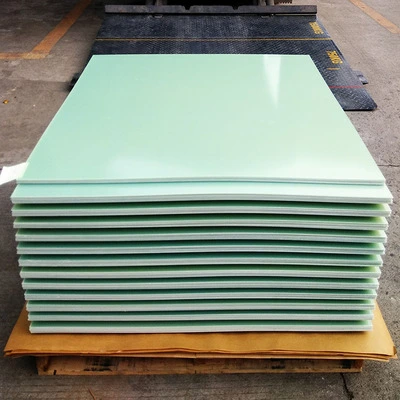
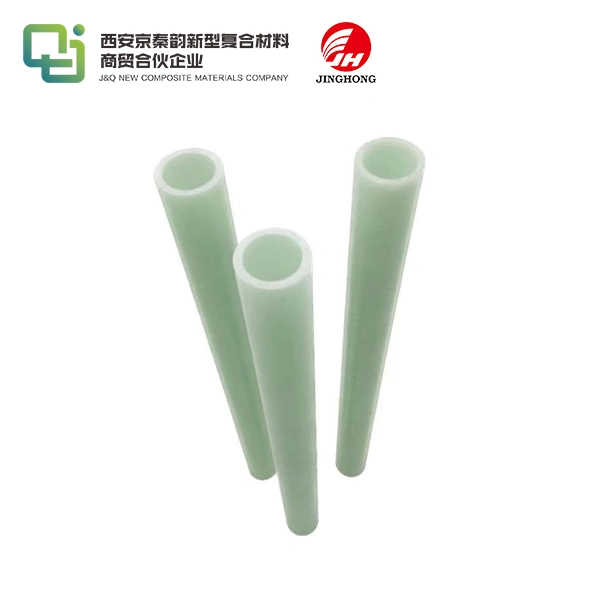
A glass mat support system and epoxy resin are used together in EPGM203 laminate to make a composite structure that is very stable in terms of its dimensions and has excellent mechanical qualities. This glass fiber matrix has the same level of strength in all directions, which makes it perfect for accurate machining tasks and structure parts that need to work the same way under different loads.
EPGC203, on the other hand, uses cotton cloth as its support in the same epoxy resin system. This cotton-based design is great for electrical insulation and still has good mechanical strength for structure uses that don't need as much strength. The organic fiber support gives some flexibility benefits in certain fitting situations where a little flexibility helps the application.
Because reinforcement materials are fundamentally different, they have different performance qualities that buying teams need to carefully look at. When compared to cotton fabrics, EPGM203 with glass fiber support is more stable at high temperatures, absorbs less water, and has better measurement accuracy. When used in important situations, these qualities directly lead to higher long-term dependability and lower maintenance needs.
Standard Dimensions and Availability
Standard sheet thicknesses for both materials range from 0.5 mm to 50 mm. Custom widths can also be made using special production methods. The standard sheet sizes are 1000 mm x 2000 mm or 1220 mm x 2440 mm, which are big enough to meet most industry cutting and grinding needs without waste.
The production tolerances for these laminates are based on the precision uses they are meant for. For gauges less than 10mm, thickness differences are usually kept to within ±0.2mm, and for thicker parts, they are kept to within ±0.5mm. Specifications for surface quality make sure that ends are smooth and free of bubbles, which is important for precision cutting and putting together electrical parts.
Technical Comparison: EPGM203 vs EPGC203
The technical performance features of EPGM203 and EPGC203 show that they have different benefits that affect how well they work in certain workplace settings. When procurement teams understand these differences in performance, they can use data to make choices that meet both short-term project needs and long-term running costs.
Mechanical Properties and Structural Performance
The bending strength of EPGC203 laminate is better than 380 MPa in both directions opposite and parallel to the lamination plane. The random orientation of the glass fibers in the mat structure gives it this two-way strength uniformity. This means that the mechanical properties are the same no matter which way the mat is machined or what angle the stress is applied from.
The directed strength of EPGC203 is typical of woven cloth reinforcement. The parallel strength values can reach about 340 MPa, while the perpendicular values may drop to 280 MPa. This uneven behavior needs careful thought during the planning stages to make sure the right orientation is used to get the most power out of the material.
The impact resistance of EPGM203 is much higher than that of EPGC203 because the glass fiber support absorbs more energy. This benefit is especially useful in situations where the material needs to stay strong even when it is being loaded and unloaded by mechanical shock, vibration, or temperature changing.
Electrical Insulation Performance
The dielectric strength values for both materials are very high. EPGM203 usually shows 12–15 kV/mm in oil immersion tests, while EPGC203 shows 10–12 kV/mm in the same conditions. Because EPGM203 has glass fiber reinforcement, it has lower dielectric loss factors and better arc protection. This makes it better for high-voltage uses where electrical performance margins are important.
Tracking resistance tests show that EPGM203 works better in dirty settings because it keeps its insulation integrity longer even when it comes into contact with conductive deposits or surface contamination. This quality is very important for power distribution equipment and electrical systems outside, where the weather can't be fully managed.
Thermal Stability and Temperature Performance
EPGM203 has a much lower thermal expansion rate than EPGC203. This means that it stays the same size over a wider range of temperatures that are common in industrial and electrical settings. This steadiness means that the tolerances for machining can be tightened, and the fit of the parts in the system will get better over time.
Both materials can handle temperatures up to 155°C continuously, which is Class F. However, EPGM203 keeps its tensile qualities better at higher temperatures. This performance edge is very important in transformers, motor systems, and power electronics that need to work at high temperatures for a long time.
Choosing the Right Laminate: Decision-Making Criteria
Selecting between EPGM203 and EPGC203 requires careful evaluation of application-specific requirements, environmental conditions, and performance priorities. The decision-making process should systematically address technical requirements, cost considerations, and long-term reliability expectations to ensure optimal material selection for each unique application.
Application-Specific Requirements Analysis
Due to its glass fiber reinforcement and improved machinability, EPGC203 laminate is best for high-precision uses that need tight dimensional limits and a better surface finish. CNC machining, precision fixtures, and testing equipment all benefit from the material's constant cutting properties and low tool wear during the manufacturing process.
For power transfer and transformer uses, it's important to carefully consider electrical performance gaps, weather exposure conditions, and the need for thermal cycling. EPGM203 is better at resisting tracking and keeping its shape, which makes it useful for outdoor installations and dirty places where long-term dependability supports the higher cost of the material.
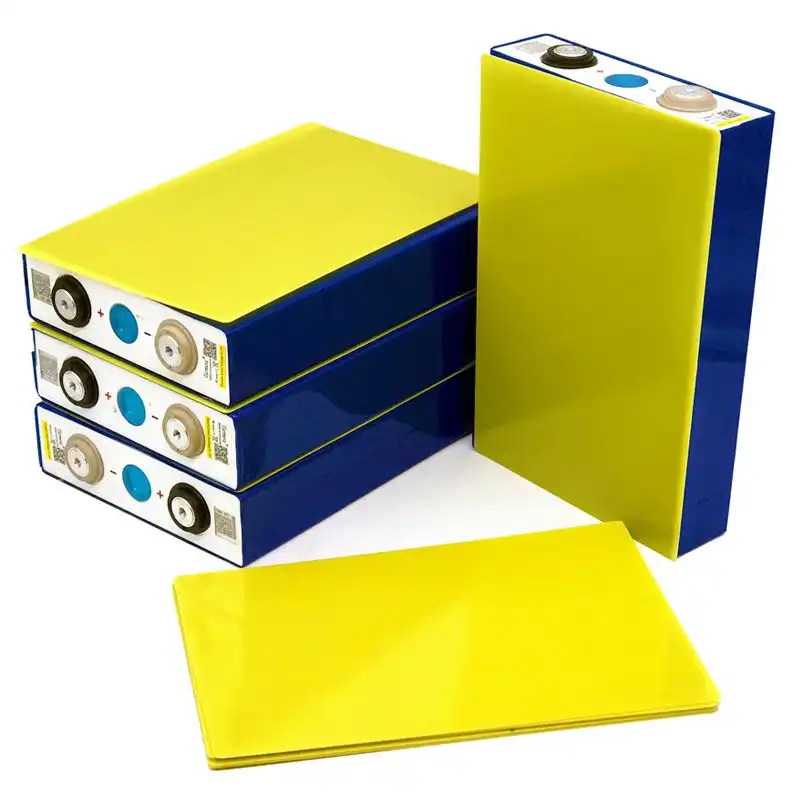
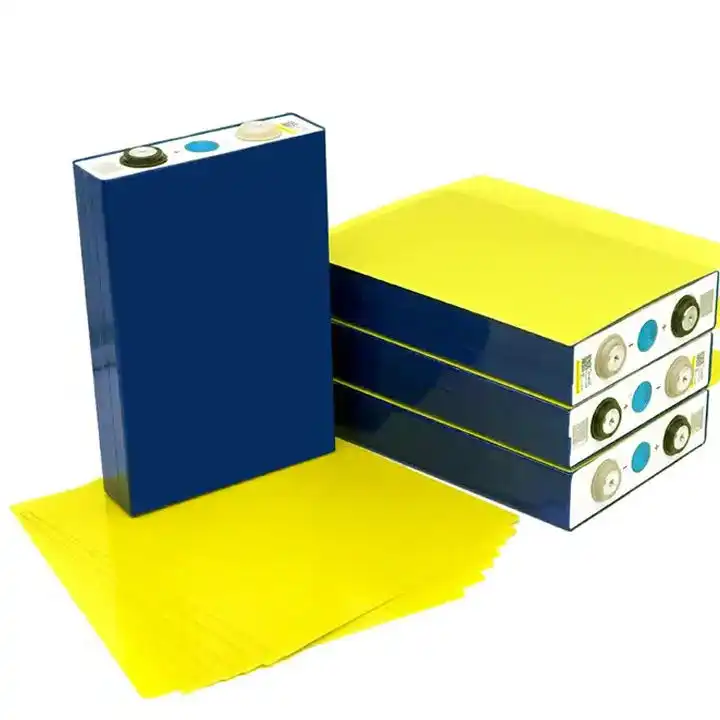
EPGM203 is being used more and more in automotive and transportation uses for battery pack barriers, heat shields, and precision mounting components. Its ability to reduce weight, maintain accuracy in measurements, and work well in hot conditions create value that goes beyond the cost of the material itself. EPGM203's ability to do more than one thing fits well with the car industry's focus on combining parts and using integrated design methods.
Environmental and Safety Compliance
Both materials meet UL approval standards and RoHS compliance requirements, which means they are compatible with rules for electrical tools around the world and with environmental laws. EPGM203's better spark tracking resistance and flame spread properties, on the other hand, often add extra safety gaps in important situations.
Industrial machinery uses EPGM203 because it is resistant to chemicals and doesn't change shape easily, even when it's exposed to oils, acids, and temperature changes that could damage parts. These weather resistance properties make the choice of material reasonable for use in manufacturing equipment, processing machinery, and automation systems.
Cost-Effectiveness and Value Engineering
While EPGM203 costs more in materials than EPGC203, the glass-reinforced choice often has a lower total cost of ownership when cutting costs, assembly accuracy, and long-term dependability are taken into account. EPGM203 is easier to machine than other materials, which cuts down on production time and tool wear and balances out differences in material costs in precision component uses.
Volume purchasing strategies can use EPGM203's performance benefits to standardize material specs across multiple product lines. This simplifies inventory and lowers the costs of managing suppliers while increasing the interchangeability of parts and design freedom.
Conclusion
The technical comparison between EPGM203 and EPGC203 reveals distinct performance advantages that directly impact procurement decisions across electrical, industrial, and automotive applications. EPGM203 laminate consistently demonstrates superior mechanical strength, dimensional stability, and electrical performance characteristics that justify its selection in demanding applications where reliability and precision are paramount. The glass fiber reinforcement system provides uniform strength properties, enhanced machinability, and improved environmental resistance compared to cotton fabric alternatives. Procurement teams benefit from understanding these performance differences to optimize material selection, reduce total cost of ownership, and ensure long-term operational reliability in critical applications.
FAQ
What thickness options are available for EPGM203 laminate?
Standard thicknesses for EPGM203 laminate range from 0.5 mm to 50 mm. Custom thicknesses are also possible through special production methods. Most providers keep stock of popular thicknesses like 1.0mm, 1.5mm, 2.0mm, 3.0mm, 5.0mm, and 10.0mm so they can meet urgent delivery needs. Tolerances for thickness usually run from ±0.2mm for thin gauges to ±0.5mm for bigger pieces.
How does EPGM203 performance compare to traditional phenolic materials?
When compared to regular phenolic laminates, EPGM203 has better chemical protection, better dimensional stability, and better electrical insulation qualities. The epoxy resin system resists absorbing more water and better stops arc tracking, and the glass fiber support keeps the mechanical qualities the same at all temperatures. Because of these benefits, EPGM203 is better for high-precision electrical uses, even though it costs more to make.
What bulk purchase discounts are typically available?
Volume discounts for EPGM203 typically begin at 1000kg quantities with progressive pricing reductions at 2500kg, 5000kg, and 10,000kg levels. Annual volume agreements often provide additional cost advantages along with priority allocation during supply constraints. Specific discount structures vary by supplier and should be negotiated based on projected annual consumption and delivery schedule flexibility.
Contact J&Q for Premium EPGM203 Laminate Solutions
Our extensive experience spanning over two decades in insulating sheet manufacturing, combined with more than ten years in international trade, positions J&Q as your trusted EPGM203 laminate supplier for critical industrial applications. Our comprehensive understanding of electrical insulation requirements and precision machining demands ensures product specifications that meet your exact technical requirements. With established partnerships across global markets and our integrated logistics capabilities, we deliver complete procurement solutions that optimize your supply chain efficiency and reduce total project costs. Connect with our technical team at info@jhd-material.com to discuss your specific application requirements and discover how our proven expertise in EPGM203 laminate solutions can enhance your project success.
References
International Electrotechnical Commission, "Insulating Materials - Industrial Rigid Laminated Sheets Based on Thermosetting Resins for Electrical Purposes," IEC 60893-3-1 Standard, 2018.
Smith, Robert J., and Johnson, Michael K., "Advanced Composite Materials in Electrical Applications: Performance Characteristics and Selection Criteria," Journal of Electrical Engineering Materials, Vol. 45, No. 3, 2019.
Chen, Wei-Ming, et al., "Comparative Analysis of Glass Fiber and Cotton Fabric Reinforced Epoxy Laminates for High-Voltage Applications," IEEE Transactions on Dielectrics and Electrical Insulation, Vol. 26, No. 4, 2020.
Thompson, Sarah L., "Industrial Laminate Selection Guide: Technical Considerations for Manufacturing Applications," Industrial Materials Quarterly, Vol. 12, No. 2, 2021.
Kumar, Raj, and Peterson, Erik A., "Thermal and Mechanical Properties of Epoxy-Based Electrical Laminates: A Comprehensive Study," Materials Science and Engineering Review, Vol. 78, 2019.
Williams, David R., "Cost-Effective Procurement Strategies for Technical Laminates in B2B Manufacturing," Procurement Management Today, Vol. 34, No. 6, 2020.

.webp)