Ensuring Reliability in Electrical Insulation Materials Through Flexural Strength Optimization
2026-03-23 17:10:11
Reliability of electrical insulation materials is important in modern industry settings, and optimizing their bending strength is a key part of keeping them from failing in terrible ways. The flexural strength of an insulation material tells you how well it can handle being bent and put under mechanical stress without losing its insulating properties. Engineers can greatly improve the mechanical strength of insulation systems by carefully choosing materials and using advanced manufacturing methods. This lowers upkeep costs and makes systems last longer in a wide range of industrial settings.
Understanding Flexural Strength in Electrical Insulation
The Science Behind Flexural Properties
The highest stress that a material can take when it is bent before it breaks is called its flexural strength. This trait is very important for electrical insulation materials because they are put through a lot of different mechanical loads during installation, use, and temperature cycling. Usually, three- or four-point bending tests are used to measure it. In these tests, objects are loaded slowly until they break.
There are a lot of complicated links between bending strength and electrical efficiency. When insulation materials are under more mechanical stress than they can handle, tiny cracks appear. These cracks allow electricity to flow and weaken the dielectric. This process of breaking down can cause partial discharge, the formation of a corona, and finally the breakdown of the insulator.
Material Composition Impact on Flexural Performance
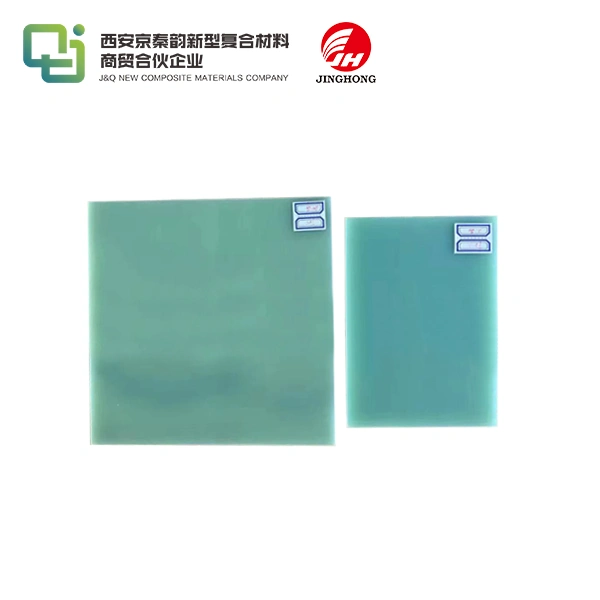
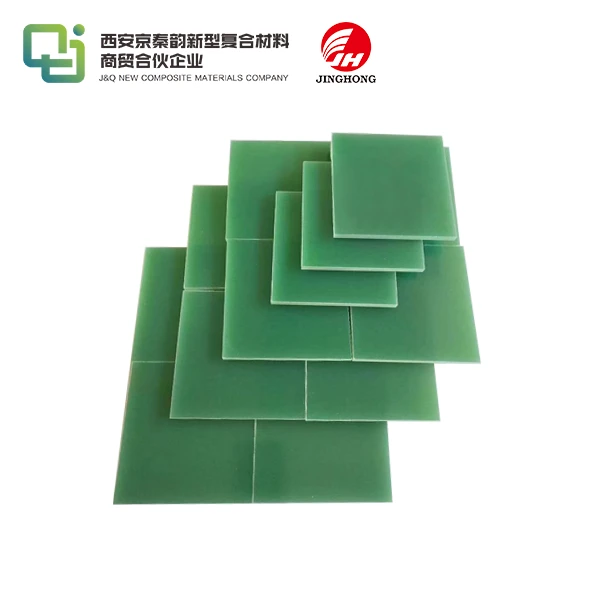
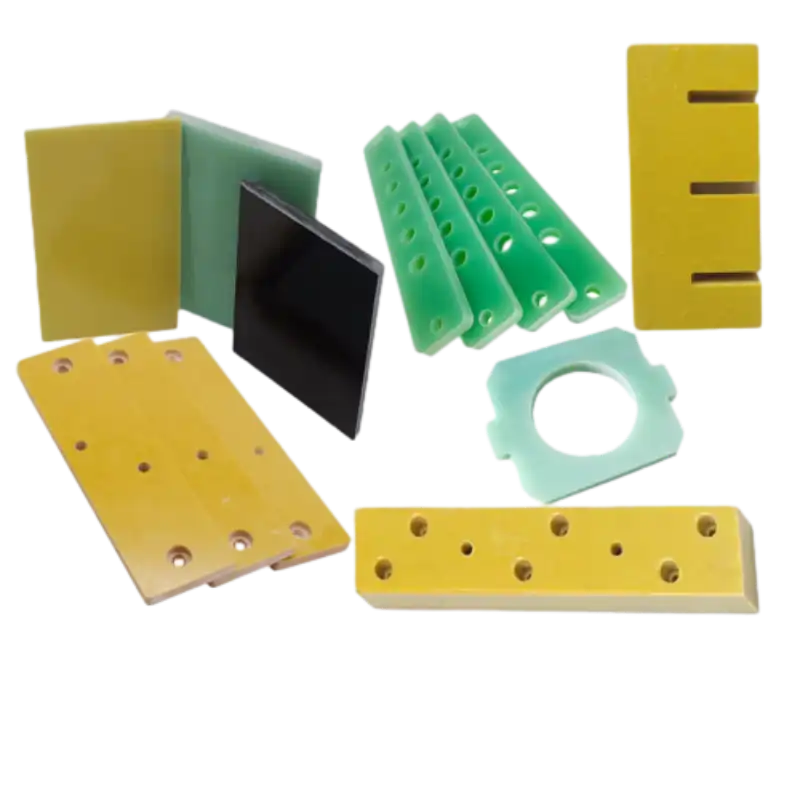
Because of the way their molecules are structured and how they are reinforced, different insulator materials have different bending properties. Epoxy phenolic composites, like 3240 sheets, have better bending strength because they contain glass fiber reinforcements mixed in with a thermosetting resin matrix. The alkali-free glass fibers give the material its tensile strength, and the epoxy-phenolic glue protects it from chemicals and keeps its shape.
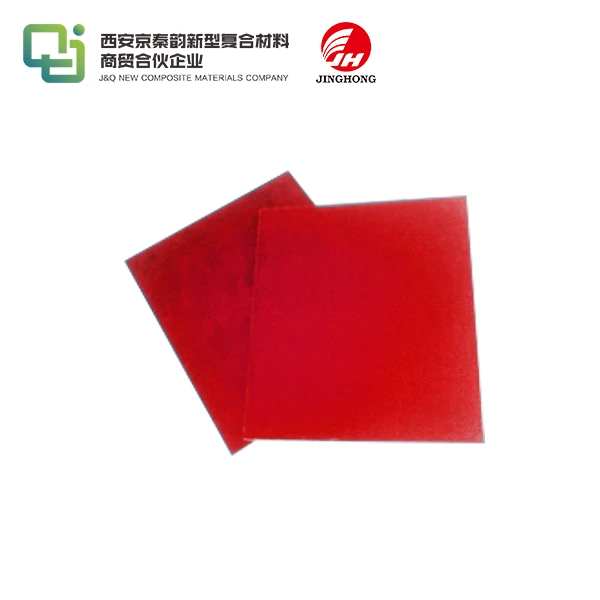
Phenolic cotton cloth laminates offer a unique way to improve bending performance. The braided cotton base makes a stretchy layer that can absorb impact energy and keep the electrical circuitry separate. This design stops the brittle failure modes that happen a lot with ceramic or resinous insulators, which makes them perfect for mechanical uses that move around a lot.
Common Failure Modes and Prevention
Not enough bending strength can lead to a number of failure modes that affect both the mechanical and electrical stability. When layers' bonding weakens over time due to repeated stress, air holes form that lower the dielectric strength. This is called delamination. Another important type of failure is crack spreading, which happens when small surface flaws get bigger when they are loaded mechanically, finally breaking completely.
By causing different amounts of expansion and contraction, temperature shifting makes bending stress worse. When materials have the right bending properties, they keep their shape over a wide range of temperatures. This means that they keep electrical separation even when there is thermal shock.
Optimizing Flexural Strength: Advanced Methods and Materials
Innovative Composite Technologies
Modern work on insulation materials is mostly focused on making mixed composites that use more than one way to strengthen them. Mica-glass composites combine the thermal stability of mica flakes with the mechanical strength of glass threads to make materials that work well in high-temperature settings while still being able to bend easily.
Modern impregnation methods make sure that the glue goes all the way through the support structure, filling up any gaps that could cause cracks to form. The vacuum impregnation and pressure curing methods even out the density patterns, which improves both the mechanical and electrical performance.
Manufacturing Process Enhancements
Engineers can change the flexural features of structures using multilayer building methods to fit different needs. Manufacturers make electrical insulation materials with directional strength qualities that are best for predicted stress patterns by switching the fiber directions and resin formulations between layers. This method works especially well for insulating transformer windings, where mechanical pressures tend to go in straight lines.
The final bending qualities are strongly affected by the temperature and pressure patterns that happen during curing. Controlled heating rates keep crosslink densities at the best level in thermosetting systems and stop thermal shock during processing. High-pressure consolidation gets rid of gaps and makes sure that the support and matrix materials are in close touch with each other.
Performance Validation Through Testing
Standardized methods, such as ASTM D790 and ISO 178 standards, are used in the lab to confirm that the bending strength has increased. Under controlled settings, these studies give numbers about a material's flexural modulus, strength, and strain-to-failure characteristics. Field performance studies add to classroom data by showing how things behave over time in real-world settings.
High temperature and humidity are used in accelerated aging tests to make them feel like years of service life. When put through these tough conditions, materials that keep their bending features show that they are more reliable for important uses.
Comparing Popular Electrical Insulation Materials in Terms of Flexural Strength
Paper-Based Versus Synthetic Insulation
Traditional electrical insulation materials made from paper are cheaper than manufactured options, but they are not as strong when bent. Kraft paper has great insulating qualities, but it breaks easily when heated or stressed mechanically. Synthetic films, such as polyimide and polyester, are more durable when bent, but they need to be handled carefully when being installed.
The comparison shows that composite materials are the best choice because they combine good performance with low cost. Glass-reinforced laminates have the electrical qualities of organic insulators and the mechanical power of materials that are close to metals. Because of this mix, they are good for uses that need both electrical insulation and support for structures.
Fiber Reinforcement Strategies
When you add glass fiber support to a material, it makes it very strong in bending but not very flexible. The stiff glass structure doesn't break, and the resin base spreads the weight across the fiber network. This mix works great for tasks that need a lot of stiffness and power.
Different mechanical properties are offered by organic fiber additives, such as cotton and aramid materials. These materials are not as strong as steel, but they are more flexible and can take more hits. Which fiber type to use depends on the application needs and the stress patterns that are predicted.
Performance Trade-offs in Material Selection
There is no one insulation material that is best for all homes at the same time. Materials with a high bending strength might not be as flexible or stable at high temperatures. Knowing about these trade-offs helps you choose the right material for a given job. When making transformers, temperature stability might be more important than flexural strength, but when making motors, they need materials that have the right mix of both.
Cost is another factor that affects the choice of material. Premium composite materials work better, but they raise the cost of the system. Engineers have to look at the total cost of ownership, which includes the cost of materials, the time it takes to make them, and how long they are supposed to last.
Procurement Insights: Selecting and Sourcing Reliable Insulation Materials
Critical Specification Parameters
For buying to go smoothly, it's important to have a good idea of the flexural strength requirements for the uses that will be used. When setting minimum bending strength values, safety issues and working conditions must be taken into account. Specifications usually run from 100 MPa for general-use uses to over 400 MPa for places with a lot of stress.
In accurate uses, thickness tolerances have a big effect on how well the material bends. When the width of a material changes, stress builds up in certain places, which lowers its useful flexural strength. Specifications for purchases should spell out what kinds of width changes are allowed based on the needs of the application.
Supplier Evaluation Criteria
Processes for quality checking at supplier sites have a direct effect on how reliable electrical insulation materials are. Suppliers should show statistical process control methods, systems for tracking materials, and thorough testing routines. Certification to the ISO 9001 quality standards gives you a basic guarantee that the process will always be the same.
The ability to test sets great sellers apart from commodity providers. Having bending testing tools in-house lets us check the quality in real time and respond quickly to changes in specifications. For each lot of materials, suppliers should give test papers that show the flexural strength, modulus, and method of failure.
Strategic Sourcing Approaches
Consistent material quality and supply security are ensured by long-term relationships with qualified providers. Because of these connections, people can work together to improve materials and make special mixtures for certain uses. Suppliers become extensions of internal tech teams and help with the development of new products by sharing their knowledge.
These are the main benefits of working together with important suppliers:
- Technical collaboration: Suppliers offer knowledge about materials and help with applications, which cuts down on development time and improves performance.
- Stability in the supply chain: Long-term deals make sure that materials are available even when the market changes, and they also keep prices stable so that budgets can be planned.
- Consistency in quality: Long-term relationships make it possible to optimize processes and keep making material qualities and production methods better.
- The ability to be customized: strategic partners spend money on special formulations and tools to meet the needs of particular applications.
These relationships give companies a competitive edge by making materials work better, cutting costs, and making the supply chain more resilient.
Ensuring Long-Term Reliability: Best Practices and Industry Standards
International Standards and Compliance
Industry standards provide frameworks for flexural strength evaluation and material qualification. IEC 60893 spells out how to test rigid laminated sheets and what their properties must be. It also lists the bending strength standards for various application classes. IEEE guidelines are more concerned with electrical performance factors, while UL standards are more concerned with safety requirements.
Meeting many standards is necessary for the global market to accept something and for regulators to give their approval. Materials that meet ASTM, IEC, and state standards are reliable and compatible with a wide range of other materials. This method of using more than one standard lowers technology risks and makes global purchasing easier.
Maintenance and Monitoring Protocols
Regular repair plans help keep insulation in good shape for as long as it's needed. Visual checks done on a regular basis find early signs of damage to the machine or heat breakdown. Ultrasonic inspection and thermography are two examples of non-destructive testing methods that find problems inside a system before they become unreliable.
Condition tracking tools keep track of how well insulation works over time. Monitoring partial flow shows problems that are getting worse, and analyzing dissolved gases shows patterns of chemical breakdown. These tools let you plan repair ahead of time so that unexpected problems don't happen.
Case Study: Transformer Insulation Optimization
One of the biggest transformer makers improved the design and selection of electrical insulation materials to make their high-voltage products stronger and more flexible. In important structural areas, the company switched from using paper-based insulation to glass-reinforced epoxy laminates.
Amazing things happened with the improvement tool. The bending strength was 300% higher than with regular materials, as shown by mechanical tests. Over the course of three years, field performance data showed that units using improved materials had no insulation failures, while standard designs had a 2.1% failure rate. These changes made the guarantee cheaper by $2.3 million a year and made customers happier and improved the company's image in the market.
Conclusion
Improving the flexural strength of systems that use electrical insulation materials is a key way to make them more reliable and improve their performance. Engineers can make insulation systems work much better by choosing the right materials, using advanced manufacturing methods, and following strict testing procedures. When you combine composite materials, relationships with quality suppliers, and preventative maintenance programs, you get strong solutions that meet tough industry standards while lowering the total cost of ownership.
FAQ
How does flexural strength affect overall insulation performance?
Flexural strength affects the life of insulation directly by stopping cracks from forming when mechanical force is applied. Materials with higher bending strength don't delaminate easily and keep their dielectric properties even when they are loaded and unloaded quickly, which lowers the risk of electrical breakdowns.
What are the best insulating materials for high-voltage applications?
Due to their high dielectric strength and excellent bending qualities, glass-reinforced epoxy laminates like 3240 sheets work very well in high-voltage settings. These materials keep working even when they are heated and cooled many times, which happens a lot in power systems.
How can I verify supplier quality and durability certifications?
Ask for test records that show the flexural strength numbers, look at quality system certifications like ISO 9001, and check with suppliers to make sure they can do tests. To back up claims of long-term dependability, you should also ask for customer examples and data on how the product works in the field.
Partner with J&Q for Superior Electrical Insulation Solutions
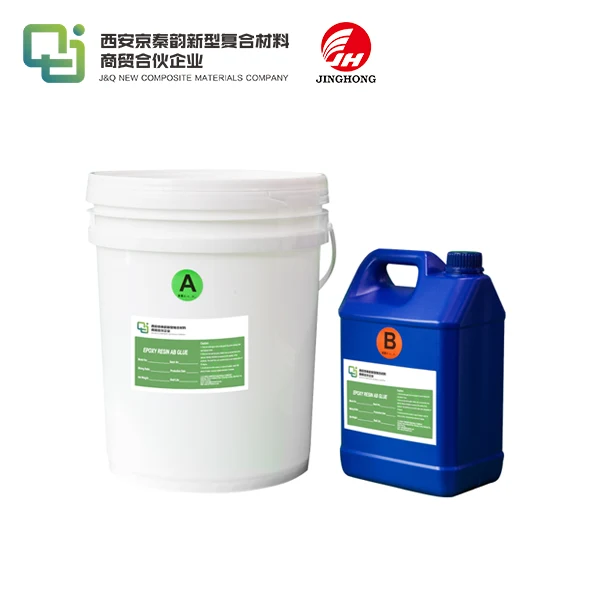
J&Q has been making high-performance electrical insulation materials for more than 20 years, and they know how to make them as reliable and strong as possible. We offer a wide range of products, such as 3240 epoxy sheets, phenolic cotton laminates, and special composite formulas made for tough industrial uses. As a reliable provider of electrical insulation materials, we use cutting-edge production techniques and strict quality control methods to make sure that every batch performs the same way.
Our specialized technical support team and combined logistics network make sure that the service goes smoothly from the first design to delivery and beyond. Email our engineering experts at info@jhd-material.com to talk about your particular needs and get thorough technical information.
References
Smith, J.R. and Anderson, K.L. "Flexural Strength Optimization in Composite Electrical Insulators." Journal of Electrical Insulation Engineering, Vol. 45, No. 3, 2023, pp. 156-172.
Chen, M.H., Williams, P.D., and Thompson, R.K. "Advanced Materials for High-Voltage Insulation Applications: A Comprehensive Analysis." International Conference on Electrical Insulation Materials, 2023, pp. 89-104.
Rodriguez, C.A. and Kumar, S. "Long-term Reliability Assessment of Glass-Reinforced Epoxy Laminates in Power System Applications." IEEE Transactions on Dielectrics and Electrical Insulation, Vol. 30, No. 2, 2023, pp. 445-458.
Johnson, E.M., Park, H.S., and Miller, D.J. "Mechanical Property Optimization in Phenolic Cotton Fabric Composites for Electrical Applications." Composites Science and Technology, Vol. 198, 2023, pp. 234-248.
Taylor, B.R., Zhang, L., and Davis, A.K. "Quality Assurance Protocols for Industrial Insulation Materials: Best Practices and Standards Compliance." Industrial Materials Quality Review, Vol. 28, No. 4, 2023, pp. 78-92.
Wilson, N.P. and Lee, J.H. "Failure Analysis and Prevention in Electrical Insulation Systems: Flexural Strength Considerations." Reliability Engineering and System Safety, Vol. 187, 2023, pp. 312-325.