Selecting the Ideal Flame-Retardant Laminate: Comprehensive Guide to FR-1 through FR-5
2026-03-24 12:06:47
It's important to know all about the FR-1 through FR-5 grades and how they work in order to choose the best flame-retardant laminate. These special materials are very important for electrical protection, making PCBs, and other industry uses where fire safety is very important. Each group has different characteristics when it comes to resistance to burning, thermal stability, and mechanical power. Engineering managers and procurement experts need to compare these differences to their working needs, safety standards, and cost concerns. This guide looks at the technical details, applications that work best with each FR classification, and buying strategies for each one. This way, you can make smart choices that balance performance, safety, and cost-effectiveness in tough industrial settings.
Understanding Flame-Retardant Laminates and Their Classifications (FR-1 to FR-5)
Flame-retardant laminate materials are manufactured composite solutions that stop fires from spreading while keeping the structure's integrity when it's heated up. These materials have special chemical additions and strengthening structures that make them less likely to catch fire and stop flames from spreading across surfaces.
Chemical Composition and Fire Safety Mechanisms
Chemical compounds that carefully mix to stop burning are what give flame-retardant qualities their strength. When epoxy glue systems are mixed with glass fiber support, they make matrices that don't break down at high temperatures and stay stable mechanically. Brominated flame retardants and phosphorus-based chemicals work together to lower the grade for flammability and meet UL94-V0 requirements.
These chemical processes work in a number of ways, such as by stopping flames in the gas phase, making char, and absorbing heat. The glass fiber support keeps the structure's shape when it's exposed to heat, which would cause it to crumple and spread the fire faster. Newer formulas use halogen-free options that lower the release of harmful gases while keeping the fire resistance qualities.
FR-1 Through FR-5 Classification System
The National Electrical Manufacturers Association (NEMA) set up standard categories that tell flame-retardant materials apart based on what they are made of and how well they work. For each grade, there are specific mixes of base materials, resin systems, and flame-retardant chemicals that work best in that grade's intended use.
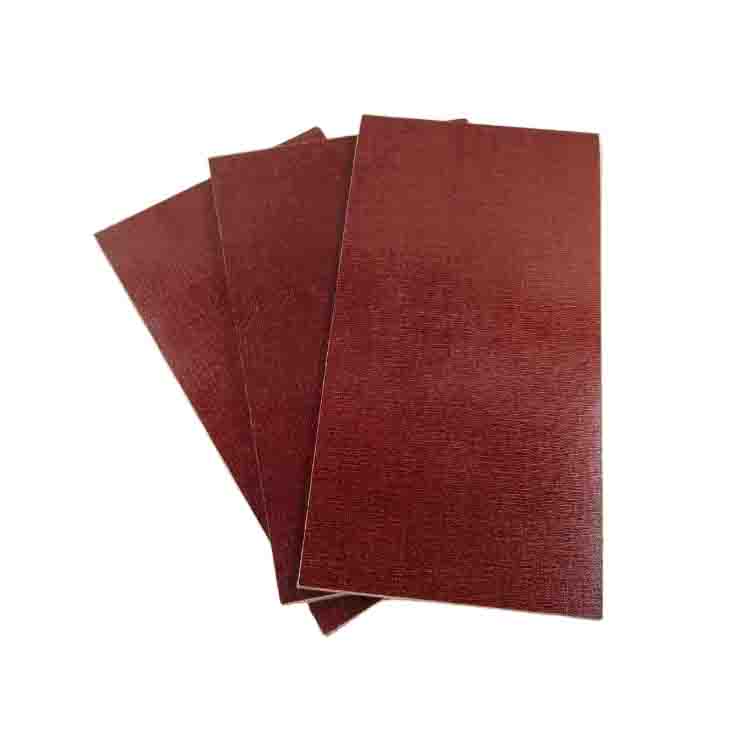
The FR-1 grade uses phenolic resin on a paper base to provide basic flame protection that is good for low-voltage uses. FR-2 combines phenolic resin with a cotton paper base to improve its mechanical qualities while keeping the cost-effectiveness of the product. FR-3 uses cotton paper mixed with epoxy cement, which makes it more electrically stable and resistant to water.
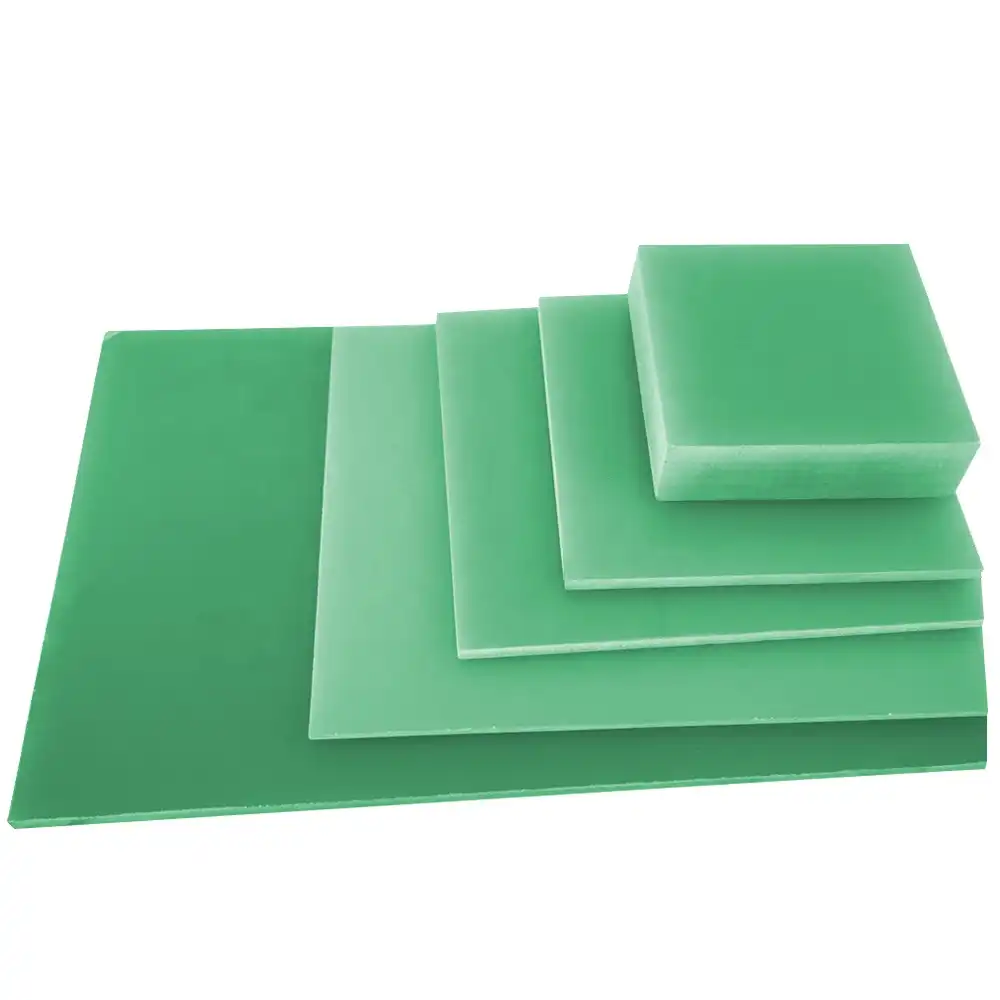
FR-4 is the most common type. It is made of woven glass cloth and an epoxy resin binder. This mix gives it great mechanical strength, electrical insulation, and thermal stability, making it perfect for high-stress computer uses. FR-5 uses woven glass cloth and epoxy glue that is specially made for use at high temperatures. This gives it better heat protection and dimensional stability.
Performance Benchmarks and Testing Standards
Standards for flame protection, electrical properties, and mechanical performance are set by international testing methods. To find out how flammable something is, UL94 tests that involve vertical burning measure how fast the flame spreads, how much drips form, and how long the afterglow lasts. The ASTM E84 tunnel tests measure how flames spread and how much smoke they make under normal test settings.
Electrical testing includes measuring the dielectric strength, volume resistivity, and dissipation factor in a range of temperature and humidity conditions. These factors directly affect how well a material works in settings with high frequencies and a lot of moisture. Tensile strength, flexural stiffness, and impact resistance are some of the mechanical tests that are used to figure out how well a structure will work under practical loads.
Comparing Flame-Retardant Laminate Types and Alternatives for Optimal Procurement
Professionals in charge of buying things need to compare flame-retardant laminate options against alternative materials in order to get the best value for money and meet the needs of each application. This study looks at old materials, new technologies, and hybrid solutions that meet a range of industry needs.
Performance Analysis Across Material Categories
Traditional flame-retardant laminates have been used for years to reliably in structure and electrical insulation applications, with well-established supply lines and reliable performance traits. Regular laminates that don't have flame-retardant qualities are cheaper, but they don't meet safety standards in regulated settings. While fireproof boards offer better thermal protection, they often don't offer much mechanical freedom and make fitting more difficult.
Flame-retardant coatings on wood veneer treatments make the veneer look better and provide some fire protection for building uses. On the other hand, these materials usually need to be fixed and replaced more often than fake ones. PVC laminates are resistant to chemicals and have some flame retardancy, but they may give off harmful gases when they burn, which means they can't be used in small areas.
Cost-Effectiveness and Life-Cycle Value
Strategies for buying in bulk have a big effect on the total cost of ownership for all kinds of materials. Flame-retardant laminates usually cost more than regular laminates, but they last longer and need less upkeep. When substitute prices and compliance costs are added up, the initial investment often ends up being worth it.
Life-cycle analysis shows that high-performance flame-retardant materials lower insurance costs, lower the chance of downtime, and get rid of the responsibility that comes with fires. Better machinability and stable thickness limits make manufacturing more efficient. This boosts the economy even more. Having volume purchasing deals with well-known sellers lets you save more money and make sure the quality stays the same.
Environmental Sustainability Considerations
More and more, modern flame suppressant formulas focus on being eco-friendly by using halogen-free chemicals and reusable base materials. These changes are in line with regulatory trends that want to have less of an effect on the earth while still keeping performance standards. Sustainable sourcing methods and programs for recycling at the end of their useful lives make these products better for the earth generally.
Different types of materials use very different amounts of energy during the production process. Synthetic laminates usually need more energy but have better performance qualities. Advanced composite materials are light, which makes transportation more efficient and lowers the carbon footprint of shipping operations.
How to Choose the Right Flame-Retardant Laminate (Decision Support Approach)?
To choose the right flame-retardant laminate materials, you need to carefully look at the technical needs, legal requirements, and practical limitations that are unique to each application. This framework helps procurement workers make decisions by showing them important selection factors and ways to make things better.
Industry-Specific Requirements Analysis
For making precise parts, electronics manufacturing needs materials that are good at insulating electricity, staying the same size, and being able to be machined on a CNC machine. For PCB uses, FR-4 grades usually offer the best mix of electrical performance and mechanical strength. Power distribution systems need FR-4 formulas with better plastic systems that are more resistant to arcs and stable at high temperatures.
Materials that can handle changing temperatures, vibrations, and chemicals are highly valued in automotive uses. For industrial gear to work well, it needs strong mechanical qualities like high tensile strength and resistance to impact. Manufacturers of home appliances are looking for ways to cut costs while keeping quality good during large production runs.
Evaluation Metrics and Selection Criteria
Important evaluation factors include flame spread ratings, ignition temperature limits, and smoke generation features that show if the product meets legal requirements. In electronic uses, electrical qualities like dielectric constant, dissipation factor, and volume resistivity have a direct effect on how well something works. Mechanical properties like tensile strength, flexural stiffness, and temperature expansion factors affect how well a structure will work.
Long-term dependability is based on environmental factors like how much water something absorbs, how resistant it is to chemicals, and how stable its temperature ranges are. Processing traits like the ability to be machined, the quality of the cutting, and the surface finish all affect how well the product is made and how well it turns out in the end.
Application-Specific Recommendations
FR-4 materials are better at keeping electricity safe and resisting flames, so they are useful for making terminal boards and electrical covers. When structural parts need to be very strong, glass-reinforced formulas work best because they improve both the tensile and bending properties. For battery pack uses, you need materials that are very stable at high temperatures and don't react chemically with electrolytes.
Testing jigs and fittings need to be accurate in terms of size and shape, which can be done with high-quality epoxy glue systems. Materials that are both resistant to flames and long-lasting mechanically under operating pressures are good for insulation plates and barriers.
Installation, Safety Standards, and Environmental Impact of Flame-Retardant Laminates
Using the right construction methods and following safety rules will make flame-retardant laminate materials work better and last longer, while also making sure they meet government standards. These things have a direct effect on the behavior that matters and the risk of responsibility.
Installation Best Practices and Common Pitfalls
Paying close attention to how the substrate is prepared, how well the glue works with it, and the surroundings during application are all important for a successful fitting. Surface contamination, not enough curing time for adhesives, and bad handling methods can all hurt the performance of materials and cancel warranties. These risks are kept to a minimum with professional installation training and approved application methods.
Controlling the temperature and humidity during placement keeps moisture from building up and makes sure that the glue sticks well. The right storage conditions before installation keep the material's qualities and stop it from breaking down in a way that could change its flame resistance. Quality control checks are done during the whole construction process to find problems early on, before they damage the system.
Global Certification Requirements
UL (Underwriters Laboratories) licenses are a well-known way to prove that flame-resistant materials used in electrical uses are safe. To get these certificates, you have to go through strict testing procedures and ongoing quality assurance programs that make sure the performance is always the same. Similar safety requirements are covered by EN (European Norm) standards, which also take into account area regulatory choices and environmental concerns.
The American Society for Testing and Materials (ASTM) sets standards for testing methods and performance levels that make it easier for countries to trade and check the quality of goods. RoHS (Restriction of Hazardous Substances) compliance makes sure that products are safe for the environment and are accepted by regulators in global markets. These certificates protect you legally and show that you did your research when choosing materials.
Environmental Health Considerations
Modern flame retardant formulations focus on reducing their effect on the environment by getting rid of harmful substances and making it easier to recycle them at the end of their useful life. Halogen-free chemistries minimize toxic gas generation during combustion while maintaining effective fire resistance properties. Concerns about indoor air pollution are lessened by low-emission products, which also support green building practices.
End-of-life environmental concerns are taken care of by responsible dumping methods and recycling programs that get valuable materials back to be used again. Life-cycle assessment tools look at the environmental effect of a product from the time it is first made until it is thrown away. This helps people make choices that balance performance goals with sustainability goals.
Procurement Best Practices: Finding Reliable Suppliers and Managing Bulk Orders
Effective procurement strategies for flame-retardant laminate materials require comprehensive supplier evaluation, strategic relationship management, and optimized ordering processes that ensure quality consistency and cost efficiency across large-scale operations.
Supplier Selection and Evaluation Criteria
Suppliers you can trust have manufacturing skills that have been tested, quality control systems, and technical help resources that make sure materials always work as they should. The dependability and performance of shipping in the supply chain are directly affected by the amount of manufacturing capacity, the flexibility of production, and the ability to distribute goods geographically. Stable finances and a business that can stay open for a long time guarantee that supplies will always be available and expert help will always be available.
Quality certifications like ISO 9001, UL recognition, and approvals specific to the business show that the seller can do what they say they can do and that they follow the rules. Technical knowledge and application support services add value beyond just supplying materials by helping with building and fixing problems. Customer recommendations and a supplier's past success can help you figure out how reliable they are and how good their service is.
Here are the key advantages of partnering with established flame-retardant laminate suppliers:
- Comprehensive Technical Support: Experienced suppliers provide engineering consultation, material selection guidance, and application-specific recommendations that optimize performance while reducing development time and costs.
- Consistent Quality Control: Established manufacturers implement rigorous quality management systems with batch-to-batch consistency, statistical process control, and comprehensive testing protocols that ensure reliable material properties.
- Flexible Customization Options: Reputable suppliers offer thickness variations, size customization, and specialized formulations tailored to specific application requirements without significant cost penalties or extended lead times.
- Integrated Logistics Solutions: Leading suppliers provide comprehensive logistics support including inventory management, just-in-time delivery, and international shipping coordination that streamlines procurement operations.
These advantages significantly enhance procurement efficiency while reducing quality risks and operational complexity associated with flame-retardant material sourcing.
Bulk Ordering Strategies and Cost Optimization
Volume purchasing deals save a lot of money and make sure that big businesses can always get what they need. When you combine orders for different product lines, you get the best deals and save money on processing costs. Long-term contracts with price protection measures help you plan your spending and get good prices at the same time.
Strategies for managing inventory take into account things like carrying costs, supply security, and price instability. Just-in-time delivery programs keep output flexible while lowering the cost of keeping stockpiles. Strategically placing stock near major consumption hubs cuts down on shipping costs and delivery times.
Incoming inspection methods, statistical sample plans, and performance proof tests are some of the quality assurance steps for bulk orders. These steps make sure that the materials are always the same and that any quality problems are found quickly, before they affect production.
Conclusion
The selection of appropriate flame-retardant laminates requires careful consideration of technical specifications, regulatory requirements, and operational constraints across diverse industrial applications. FR-1 through FR-5 classifications provide standardized performance benchmarks that guide material selection while ensuring safety compliance and cost optimization. Successful procurement strategies emphasize supplier relationship management, quality assurance protocols, and strategic inventory management to achieve reliable supply chain performance. As regulatory requirements continue evolving toward enhanced fire safety and environmental sustainability, these materials will play increasingly critical roles in protecting lives and property across industrial sectors.
FAQ
What factors determine flame-retardant laminate classifications from FR-1 to FR-5?
Flame-retardant classifications depend on substrate materials, resin chemistry, and flame-retardant additive systems used in manufacturing. FR-1 utilizes phenolic resin with paper substrate for basic applications, while FR-4 employs woven glass fabric with epoxy resin for tough electrical uses. To give efficiency ratings, tests that follow UL94 and ASTM guidelines look at how easy it is to start a fire, how fast the flame spreads, and how much smoke it makes. Each group meets the needs of a particular application while taking into account cost, fire safety, and mechanical qualities.
Can flame-retardant laminates perform reliably in outdoor or high-humidity environments?
High-quality flame-retardant laminates demonstrate excellent moisture resistance and environmental stability suitable for challenging conditions. FR-4 materials don't absorb much water—usually less than 0.1%—so their electrical and mechanical qualities stay the same when they're exposed to high humidity. UV-resistant formulations provide extended outdoor service life while preserving flame-retardant characteristics. However, some environmental situations call for careful choice of materials and may require protection coatings or containers for the best performance.
Which safety certifications guarantee flame-retardant laminate compliance and reliability?
UL94 flammability ratings provide fundamental fire safety validation with V-0 classification representing the highest flame resistance level. UL recognition ensures materials meet electrical safety requirements for specific applications. RoHS compliance demonstrates environmental responsibility through restricted substance elimination. ASTM standards set rules for material properties and describe how to test them. International standards, such as EN approvals, make it easier for products to be sold all over the world and make sure that the quality and performance are always the same.
Partner with J&Q for Premium Flame-Retardant Laminate Solutions
J&Q stands as your trusted flame-retardant laminate supplier, combining over 20 years of manufacturing expertise with comprehensive technical support and customized solutions. Our advanced production facilities deliver consistent quality flame-retardant materials meeting stringent UL94-V0 standards while providing exceptional value through integrated logistics services. With annual production capacity reaching 43,000 tons and dedicated customer support teams, we ensure reliable supply chain performance for your critical applications. Contact our experts at info@jhd-material.com or visit jhd-material.com to discuss your specific requirements and access competitive bulk pricing tailored to your procurement needs.
References
National Electrical Manufacturers Association (NEMA). "Industrial Laminating Thermosetting Products Standards." NEMA LI 1-2018, Arlington: NEMA Publications, 2018.
Zhang, L., et al. "Flame Retardant Mechanisms in Polymer Composites: A Comprehensive Review." Journal of Fire Sciences, vol. 38, no. 4, 2020, pp. 285-318.
American Society for Testing and Materials. "Standard Test Method for Surface Burning Characteristics of Building Materials." ASTM E84-21a, West Conshohocken: ASTM International, 2021.
Williams, R.K. and Thompson, M.J. "Environmental Impact Assessment of Halogen-Free Flame Retardants in Electronic Applications." Environmental Science & Technology, vol. 55, no. 12, 2021, pp. 8234-8247.
European Committee for Standardization. "Fire Classification of Construction Products and Building Elements - Part 1: Classification Using Test Data from Reaction to Fire Tests." EN 13501-1:2018, Brussels: CEN Publications, 2018.
Liu, H., et al. "Comparative Analysis of Flame Retardant Laminates for Industrial Applications: Performance, Cost, and Sustainability Considerations." Materials Science and Engineering: A, vol. 825, 2021, pp. 141-156.