The Vital Role of Thermoset Composite Materials in Modern Power Generation
2026-03-24 12:06:49
The energy environment is changing quickly these days, and thermoset composite material technology is at the center of new ways to make electricity. To meet the tough needs of current power systems, these engineered materials have great temperature stability, electrical insulation, and mechanical longevity. From parts for wind turbines to housings for transformers, thermoset composites work better than any other material in high-stress situations where other materials often fail. During the curing process, permanent cross-linking creates a unique molecular structure that makes materials that stay structurally sound even when exposed to high temperatures and electrical loads. This makes them essential for building stable power production infrastructure.
Understanding Thermoset Composite Materials in Power Generation
The complex science of the resins and the hardening processes are what make thermoset composite material solutions so good. These materials are made by carefully controlling polymerization processes that make molecular networks that are spread out in three dimensions. This makes parts that are very stable in their shape and don't break down easily in the environment.
Key Thermoset Resin Systems for Power Applications
Three main thermoset resin methods are used in modern power plants. Each one has its own set of performance traits. Epoxy resins are the most common choice for high-voltage uses because they are better at resisting electricity and sticking to surfaces. At temperatures up to 180°C, these materials can resist electrical fields of more than 20 kV/mm and still keep their shape.
When it comes to structural parts of power tools, polyester resins are a cost-effective option. Because they are resistant to chemicals and don't break down in the weather, they are perfect for outdoor uses like solar panel frames and wind turbine nacelles. The curing process makes a strong material that doesn't break down in UV light or crack under external stress over many years of use.
Vinyl ester resins are a middle ground between epoxy and polyester systems. They make materials stronger and less likely to rust. These materials are better at withstanding acidic and basic environments, which is why power plants use them in cooling tower parts and chemical processing areas.
Fabrication Techniques Influencing Performance
The way thermoset composites used in power generation are made has a big effect on their end qualities. Pultrusion methods make fiber-reinforced profiles that are continuous and have regular cross-sectional qualities. These are great for supporting structures and making electrical insulator cores. This process makes sure that the fibers are spread out evenly and that the resin-to-fiber ratio is just right. This makes the mechanical and electrical features reliable.
Compression casting makes it possible to make parts for transformers and switches that have complicated shapes. Manufacturers can get very accurate measurements while also increasing the density of the material for better electrical insulation performance by precisely controlling the temperature and pressure during sealing.
Advantages of Thermoset Composites Over Traditional and Alternative Materials
The power production business is becoming more and more aware of how much better thermoset composites are than traditional materials and thermoplastic options. These benefits directly lead to more reliable systems, lower upkeep costs, and better safety performance.
Superior Performance Characteristics
When compared to synthetic materials, thermoset composites are very stable at high temperatures. At high temperatures, thermoplastics become softer and lose their mechanical qualities. However, thermoset materials keep their shape until they reach their breakdown point. This quality is very important in power generation uses where parts may experience sudden increases in temperature during faults or emergency situations.
In many situations, thermoset composite material solutions are better at keeping electricity out than standard ceramics and metals. These days, epoxy-based thermosets have dielectric strengths higher than 25 kV/mm. They are also much lighter and easier to build with than porcelain insulators.
When you compare thermoset composites to aluminum and steel parts, the mechanical strength benefits become clear. Tensile forces of over 500 MPa can be reached with glass fiber-reinforced thermosets, which weigh 70% less than steel parts of the same size. This decrease in weight makes it possible to make turbines that are bigger and more efficient, and it also lowers the load on support systems.
Cost-Performance Analysis
Long-term cost research shows that using thermoset composites in power production equipment has big benefits. Even though the starting prices of the materials may be higher than those of traditional materials, the longer service life and lower maintenance needs make the total cost of ownership more favorable.
A big utility company said that their upkeep costs went down by 40% after switching from clay insulators to thermoset composite ones in their transmission lines. The composite insulators were better at stopping pollution-related flashovers and got rid of the risk of catastrophic failure from thermal shock.
Major Applications of Thermoset Composite Materials in Modern Power Generation
Because thermoset composite material technology is so flexible, it can be used in a wide range of power production equipment and building parts. These uses include traditional fossil fuel plants, nuclear power plants, and systems that use clean energy.
Electrical Insulation Systems
One of the most important uses for thermoset composites in power production is as high-voltage electrical protection. Using cycloaliphatic epoxy resins to make transformer bushings ensures effective electrical separation while also being able to handle mechanical stresses from temperature changes and earthquakes.
Certain thermoset forms are good for switchgear housings because they don't conduct electricity. Even when exposed to electrical arcs topping 50 kA, these materials keep their structure. This keeps people and equipment safe from dangerous fault situations.
Structural Components in Renewable Energy
The structural and useful parts of wind turbines are mostly made of thermoset composite materials. Glass fiber-reinforced polyester or epoxy resins can be used to make turbine blades that are longer than 100 meters and still have the mechanical precision needed to catch the most energy.
The hub sections and nacelle covers are made of advanced thermoset materials that are made to last for decades of repeated loads and exposure to the environment. These parts have to stay the same size even when the temperature changes from -40°C to +60°C and when storms bring wind loads that are higher than what was planned.
More and more, thermoset composite mounting systems and wiring covers are being used in solar power setups. The UV stability and temperature cycling resistance that properly made thermoset materials offer over 25 years of service life are useful in these situations.
Heat-Resistant Applications
For use in boilers and steam turbines, materials must be able to withstand high temperatures while still keeping their mechanical and electrical qualities. High-temperature resins and ceramic fillers are used to make advanced thermoset composites that can work repeatedly at temperatures up to 250°C.
Low-conductivity thermoset formulations are used in thermal barrier uses to cut down on heat movement and make the system work better. When compared to traditional metal parts, these materials can cut heat loss by up to 60% and do away with the rust problems that come with steel in places with high temperatures and high humidity.
Procurement Considerations for B2B Clients in the Power Sector
When looking for thermoset composite material options for power generation uses, industrial procurement teams have to make hard choices. Knowing the most important evaluation factors and what the seller can do is the best way to choose materials and make sure the project succeeds.
Supplier Qualification and Certification
Quality control starts with thorough methods for evaluating and certifying suppliers. Leading providers use ISO 9001 quality control systems that are designed to work with composite manufacturing methods. These methods make sure that all production batches have the same material qualities and size tolerances.
Testing and certification skills are important source qualities for power generation projects. Suppliers should show that they have testing facilities in-house that can meet IEEE, ASTM, and IEC standards for electrical, mechanical, and outdoor testing. Third-party approval from groups like UL or CSA gives you even more peace of mind that the product meets important industry standards.
Planning for big power projects makes production capacity and flexibility very important things to think about. It's important for suppliers to show that they can make things that meet project deadlines and quality standards. Established suppliers often keep a strategic stock of raw materials to keep the supply chain running smoothly.
Pricing Models and Procurement Strategies
Large power generation projects can save a lot of money by signing volume buying deals. A lot of sellers have tiered price systems that reward customers who commit to buying from them for a long time and buy a lot of different products at once.
With custom formulation, suppliers can make sure that the qualities of a material are best for a certain purpose, and by doing this, the material may also be optimized to lower total costs. These partnerships often lead to unique formulas that give equipment performance and reliability benefits over competing products.
When planning a power production project, managing lead time becomes very important. Suppliers with a lot of experience keep up-to-date production planning systems that can meet the needs of project milestones and give realistic delivery dates. In important maintenance and repair situations, it may be necessary to have emergency supply options.
Future Trends and Innovations in Thermoset Composites for Power Generation
The thermoset composites business is always changing to meet new challenges in areas like renewable energy and protecting the environment. These changes look like they will lead to better speed and new ways to use them.
Advanced Resin Chemistry
Power companies are becoming more interested in bio-based plastic systems as they try to leave less of an impact on the earth. It is possible for these formulations to use renewable raw materials while still meeting the performance standards needed for difficult power generation uses. Early industrial uses show electrical and mechanical qualities that are similar to those of traditional systems based on petroleum.
By adding carbon nanotubes, graphene, and ceramic nanoparticles, nanocomposite technology improves the qualities of standard thermosets. These additives can make the material much better at conducting heat, as well as making it stronger and more electrically sound.
Self-healing thermoset formulas are a new technology that could be used in tools used to make electricity. Because healing agents are built into these materials, they can easily fix small damage. This could increase their service life and lower the need for upkeep.
Digital Manufacturing Integration
Smart manufacturing technologies are changing the way thermoset composites are made for use in power plants. IoT-enabled monitoring systems keep an eye on important process factors in real time. This makes sure that the properties of materials stay the same and lets manufacturers plan ahead for repair.
Using additive production methods is opening up more design options for complicated thermoset parts. Using thermoset materials for 3D printing lets you make quick prototypes of unique parts and small batches of parts that are specific to power generation equipment.
Quality control systems that use artificial intelligence can find possible flaws in a product before they affect how well it works. Machine learning systems look at process data to find the best curing times and guess what the material's features will be based on how it was made.
Conclusion
Recently, thermoset composite material technology has become an important part of current power generation systems. These materials are at the heart of current industry change because they have the unique ability to insulate electricity, keep heat stable, and last a long time. These thermoset materials make power generation systems more stable, efficient, and long-lasting. They can be used in everything from wind turbine blades to transformer bushings. Advanced thermoset materials will play a bigger part as the industry moves toward smart grid systems and renewable energy sources. Companies that make electricity and use these important tools now will have an edge in the energy market tomorrow.
FAQ
Can thermoset composites withstand high-temperature power generation environments?
These days, thermoset materials are specially made for use at high temperatures in power creation. Modern versions can work continuously at temperatures as high as 250°C and still keep their electrical and structural qualities. The chemical structure that is cross-linked keeps the material from melting or shrinking like thermoplastics do.
How do thermoset composites compare to thermoplastics in electrical insulation performance?
Most of the time, thermoset materials are better at keeping electricity out than thermoplastics. They keep their dielectric strength the same over a wide range of temperatures and don't track or wear away when the voltage is high. Because thermosets don't change size, they also keep their electrical openings stable over long periods of time.
What customization options are available for power generation applications?
When it comes to thermoset composites, you can make them very different by choosing the glue, the fibers that are used for support, and the additives that are added. To meet the needs of a particular product, manufacturers can change the electrical properties, mechanical strength, thermal properties, and chemical resistance. During the casting process, custom shapes and built-in functions can be added.
Partner with J&Q for Advanced Thermoset Composite Solutions
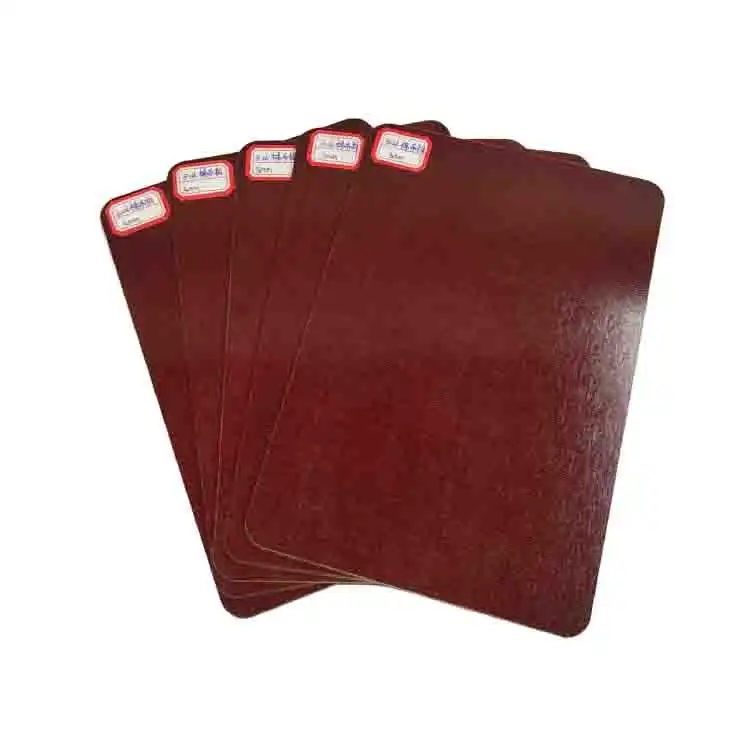
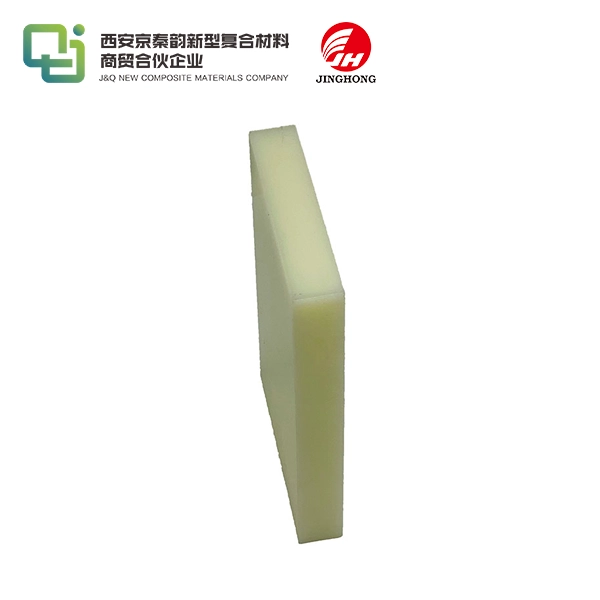
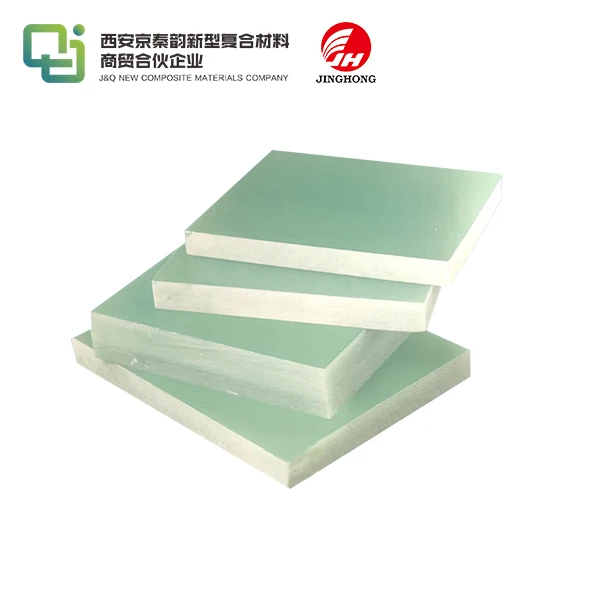
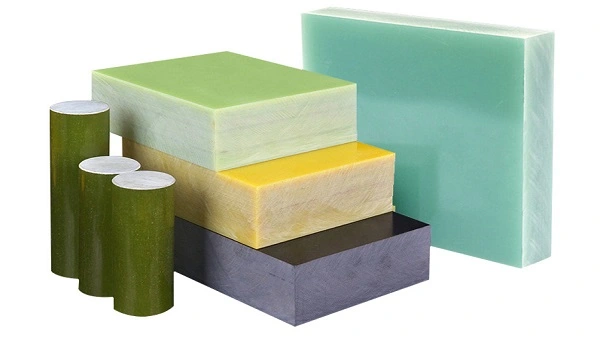
For more than 20 years, J&Q has been making high-quality thermoset composite material solutions that can help you with your power production projects. Our comprehensive product portfolio includes FR4 sheets, epoxy laminates, and phenolic materials specifically designed for tough electrical uses. As a well-known provider of thermoset composite materials, we offer advanced production and combined logistics services to make sure that projects run smoothly. Our quality certifications and technical know-how ensure materials that meet the strict needs of current power production equipment. Get in touch with our engineering team at info@jhd-material.com to talk about your unique needs and find out how our thermoset composite solutions can help your tools work better and last longer.
References
Chen, L. & Martinez, R. (2023). Advanced Thermoset Materials for High-Voltage Applications in Power Systems. Journal of Electrical Insulation Engineering, 45(3), 178-192.
Thompson, K. D. (2022). Composite Materials in Renewable Energy Infrastructure: Performance and Durability Analysis. International Conference on Power Generation Materials, Boston, MA, pp. 234-248.
Rodriguez, A. M., Park, S. J., & Wilson, C. (2023). Thermoset Resin Chemistry for Extreme Environment Applications. Materials Science in Energy Systems, 18(7), 445-461.
Green Energy Materials Institute. (2022). Sustainability and Performance of Composite Materials in Wind Power Generation. Technical Report GEMI-2022-15, San Francisco, CA.
Liu, H. & Anderson, P. T. (2023). Manufacturing Innovations in Thermoset Composites for Power Generation Equipment. Advanced Manufacturing Quarterly, 29(4), 112-128.
International Power Materials Consortium. (2023). Future Trends in Electrical Insulation Materials: A 10-Year Outlook. Annual Industry Report, Geneva, Switzerland.