Comprehensive Guide to Insulating Washers and Gaskets: Epoxy-Fiberglass, Phenolic, and Polyester Materials
2026-03-24 12:06:51
In tough situations, industrial shielding washers and gaskets are very important for keeping electrical problems, mechanical wear, and heat damage at bay. This detailed guide looks at three important materials: epoxy-fiberglass materials, phenolic composites, and polyester laminates. It focuses on their individual features, how well they work, and the best ways to use them. When procurement professionals, engineering managers, and OEM sourcing specialists understand these important differences, they can make decisions that improve the reliability of equipment, lower maintenance costs, and make sure it meets industry standards in the electrical, automotive, and industrial machinery sectors.
Understanding Epoxy-Fiberglass Material for Insulating Washers and Gaskets
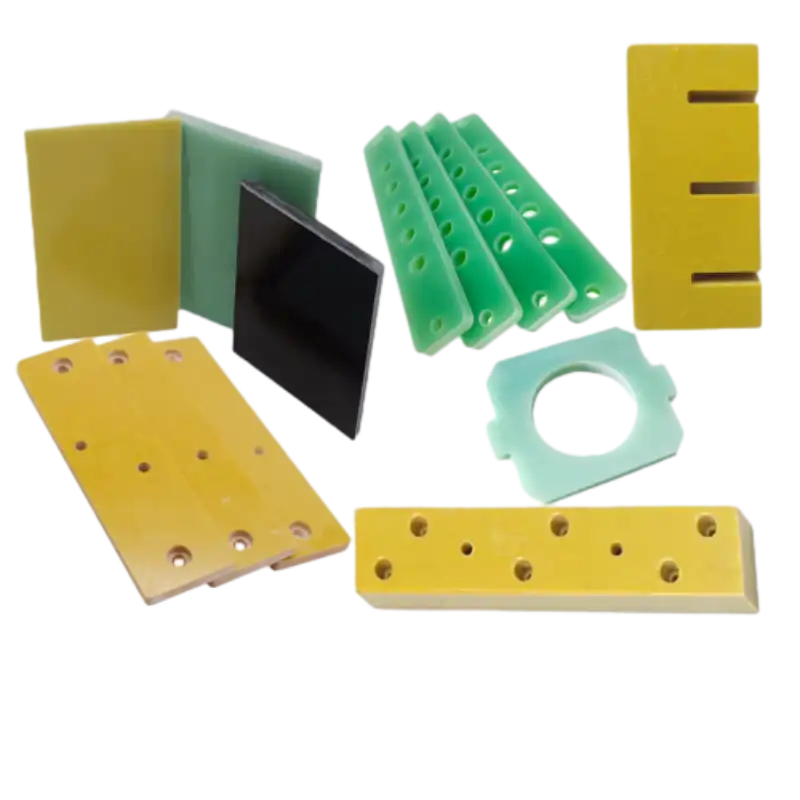
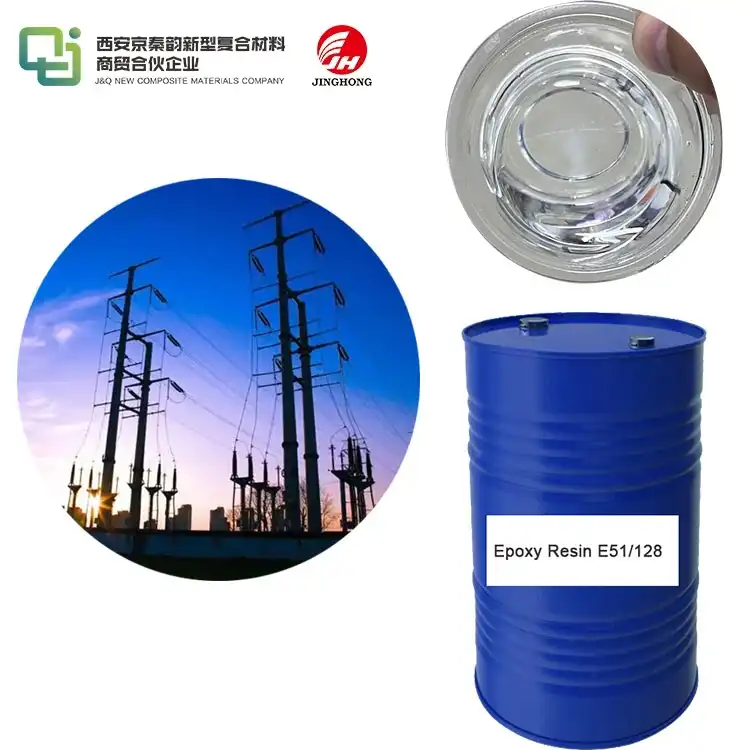
When continuous-filament glass cloth is carefully mixed with thermosetting epoxy resin systems, a high-performance composite material called epoxy-fiberglass is created. This way of making things makes a single layered structure that is very strong mechanically, very good at insulating electrically, and very good at resisting chemicals even in harsh circumstances.
Composition and Manufacturing Excellence
Advanced pre-preg and laminate methods are used to make epoxy-fiberglass materials that always work well and have good quality. When they are made, knitted glass fiber surfaces go through specific resin impregnation ratios, which are usually between 35% and 45% resin content by weight. The material is then put through controlled drying processes at certain temperatures and pressures. This makes cross-linked polymer networks that keep the shape and integrity of the structure.
During the whole manufacturing process, quality control checks are done on things like dielectric strength, bending strength, and moisture absorption. The strict rules make sure that finished goods meet NEMA classifications like G10, FR4, G11, and FR5, which list performance requirements for electrical uses at temperatures up to 180°C.
Superior Performance Characteristics
Epoxy-fiberglass composites show amazing performance benefits in a lot of different operating areas. The dielectric strength of the material is higher than 15 kV/mm, which makes it perfect for high-voltage uses where electrical separation is still important. Its mechanical qualities include flexural forces between 380 and 450 MPa, which means it can work reliably under heavy loads and changes in temperature.
Chemical protection is another big benefit. Epoxy-fiberglass materials keep their shape even when they're exposed to industrial acids, hydraulic fluids, and other chemicals that break down things. This protection makes things last longer and means they don't need to be replaced as often, which saves a lot of money compared to other materials.
Comparing Epoxy-Fiberglass with Phenolic and Polyester Materials
Choosing the right material means carefully looking at its performance, cost, and the needs of the particular purpose. Different types of materials have different pros and cons that affect how well they work in different business settings.
Phenolic Material Properties and Limitations
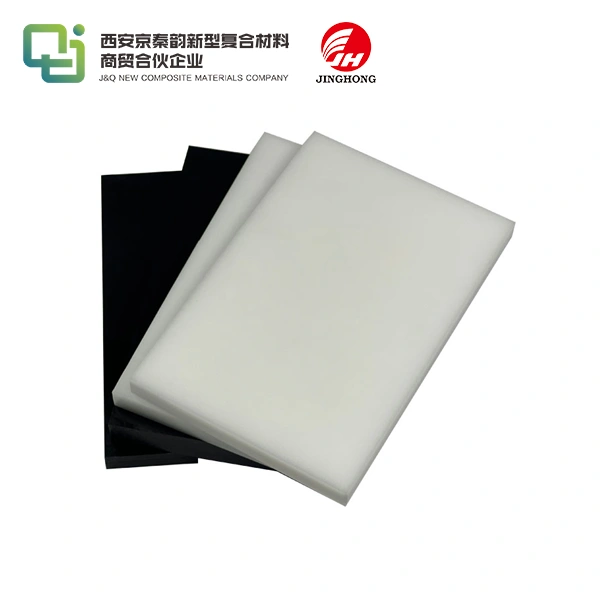
Phenolic materials work great in moderate-temperature situations where saving money is still the most important thing. These materials are good at keeping electricity from flowing through them and are also pretty strong, so they can be used in normal industrial settings where the temperature stays below 120°C. phenolic materials, on the other hand, absorb more water than epoxy-fiberglass options. This could make them less reliable for long-term electrical use in damp places.
It's hard to use this material in harsh industrial settings because it breaks easily when hit and doesn't react well with alkaline solutions. Over time, phenolic parts may change sizes, especially if they are subject to changing temperatures. This can affect accurate assemblies and important tolerances.
Polyester Material Characteristics
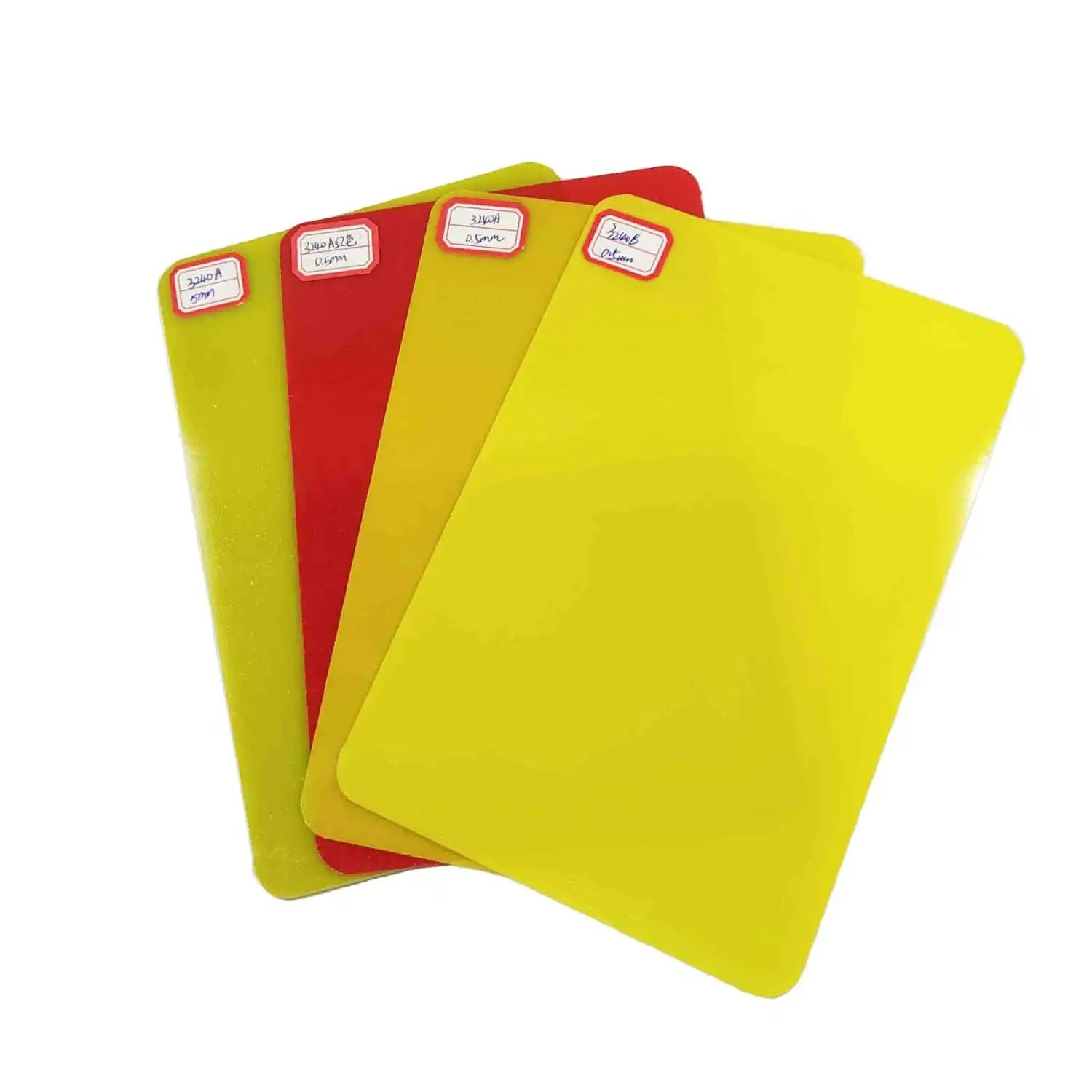
Polyester laminates are a cheap option for situations that don't need a lot of performance. These materials are pretty strong mechanically and provide basic electrical protection, but they don't stand up to high temperatures as well as phenolic materials do, and they don't work as well with chemicals either. Polyester parts usually work well up to 130°C, which limits their use in industrial processes that need to work at high temperatures.
The material can break down in UV light and when it comes in contact with water for a long time, which can make it less useful for outdoor or sea uses. Also, polyester materials may change sizes more when they are heated and cooled, which can make it harder to machine precisely and put together.
Performance Comparison Analysis
Even though they cost more at first, epoxy-fiberglass materials often offer better value when looking at the total cost of ownership. The longer service life, lower upkeep needs, and higher efficiency in mission-critical applications more than make up for the higher price by lowering the costs of downtime and replacement.
Testing for mechanical strength shows that epoxy-fiberglass parts stay together even when they are loaded and unloaded many times, which breaks phenolic and polyester substitutes. This long-lasting quality is especially useful in automobile settings where parts are constantly being stressed by pressure and heat.
How to Select the Best Insulating Material for Your Application?
When choosing materials strategically, you need to carefully think about how they will be used, how well they need to work, and whether they meet safety standards. This method for making decisions helps people who work in buying figure out how to choose the right insulating washers and gaskets for important jobs.
Application Requirements Assessment
For most industry uses, the main thing to think about is the electrical insulation needs. Materials that have been shown to be strong against arcs and dielectrics are needed for parts that work in high-voltage settings. Epoxy-fiberglass materials work great in these situations because they keep electricity from leaking even when there is a lot of voltage stress.
Conditions of mechanical stress have a big effect on the choice of material. Epoxy-fiberglass composites have better mechanical qualities than other materials, which makes them useful for uses with high compressive loads, impact forces, or constant bending stress. The material's ability to fight creep and keep its shape under load means that it will keep working well for a long time.
Environmental Conditions Evaluation
The operating temperature range has a direct effect on how well a material works and how long it lasts. High-quality epoxy-fiberglass laminates provide the heat stability needed for parts that will be exposed to temperatures above 150°C. These materials keep their mechanical and electrical qualities even when the temperature changes a lot. This makes sure that they work reliably in harsh thermal conditions.
Chemical exposure assessment includes figuring out which chemicals are being used, how much of them are being used, and for how long. Epoxy-fiberglass materials are very resistant to oil-based products, industrial solvents, and many harsh chemicals. This means they can be used in chemical processing, automobile, and naval settings.
Compliance and Certification Requirements
Minimum performance standards for electrical uses are set by industry norms like UL recognition, ROHS compliance, and NEMA classifications. Professionals in procurement must make sure that the materials they choose have the right certifications for the jobs they will be used for. This is done to make sure that regulations are followed and operations are safe.
Quality management systems, such as ISO 9001 certification and statistical process control documents, give customers trust in the quality of the products and the skills of the suppliers. When it comes to automobile and aircraft uses, where quality paperwork and traceability are necessary, these certifications become even more important.
Practical Applications and Case Studies of Epoxy-Fiberglass Insulating Washers and Gaskets
In many different industrial areas, epoxy-fiberglass insulation parts have been used in the real world to show their usefulness and performance benefits. These case studies show how choosing the right materials can lead to higher dependability, lower upkeep costs, and safer operations.
Electrical and Electronics Manufacturing
As important base materials and insulating parts in PCB production, polyester materials are used all the time. A big electronics company said that field failures went down by 40% after switching from phenolic to epoxy-fiberglass insulators in their power supply systems. Because epoxy materials are more resistant to wetness and change in size, they don't fail in the same ways that they do when exposed to temperature changes and humidity.
Epoxy-fiberglass insulators are very good at stopping arcs, which is very useful for switchgear uses. These parts keep the electrical separation in high-voltage switching equipment even when there is a fault. This keeps catastrophic breakdowns from happening and keeps the operators safe.
Industrial Machinery Applications
Heavy machinery companies utilize epoxy-fiberglass washers and gaskets in motor systems where both electrical isolation and mechanical reliability are very important. A company that makes hydraulic equipment reported 60% longer service times after adding epoxy-fiberglass insulators to their motor housings. This cut down on repair costs and made the equipment more available.
Because the material is resistant to chemicals, it can be used with hydraulic fluids, cutting oils, and industrial cleaning solvents. Even after being exposed to these harsh chemicals for a long time, the parts keep their insulating qualities and functional integrity.
Automotive and Transportation Sector
In order for electric car battery systems to work, they need insulating parts that can handle high temperatures and keep their shape even when they are heated and vibrated. Epoxy-fiberglass separators keep electricity from flowing through a system and help make it safer and more reliable overall.
A company that makes parts for cars cut down on weight by using precision-machined epoxy-fiberglass parts instead of metal separators in their electric motor kits. The change made the car more fuel-efficient while still meeting the standards for electrical and motor performance.
Procurement Guide for Epoxy-Fiberglass Insulating Materials
To buy epoxy-fiberglass insulation materials successfully, you need to know what the seller can do, what the quality standards are, and what the product specs are. This advice helps people who work in buying find trustworthy partners and make good plans for getting important parts.
Supplier Evaluation Criteria
Epoxy-fiberglass providers must have the ability to manufacture and have quality certifications as basic needs. Facilities should keep up with ISO 9001 quality management systems that include written processes for handling materials, keeping an eye on the processing, and doing the final review. A lot of the time, advanced suppliers have extra certifications, like AS9100 for aircraft uses or TS16949 for car parts.
Superior sellers are different from commodity suppliers in that they can provide technical help. The best partners offer engineering help for choosing materials, making designs better, and fixing problems with applications. Support like this is especially helpful when making a new product or switching from using other materials.
Product Specifications and Variants
Epoxy-fiberglass materials are available in multiple grades optimized for specific applications and operating conditions. Standard grades such as G10 and FR4 serve most general industrial applications, while specialized formulations like G11 and FR5 provide enhanced performance for extreme temperature or high-frequency electrical applications.
Different uses have very different tolerances for thickness and finish standards. When used for precision cutting, materials may need to have better surface smoothness and tighter control over their thickness. On the other hand, when used for structural purposes, materials can have wider limits in exchange for lower costs.
Volume Purchasing and Logistics
Volume purchasing deals can save you a lot of money for needs that come up again and again. A lot of suppliers have tiered pricing systems that reward customers who place bigger orders or make annual volume promises. But people who work in procurement have to weigh the cost saves they find against the costs of keeping stockpiles and the length of time that materials will last.
Logistics skills are very important for uses that need to be done quickly or in lean factory settings. Suppliers with regional distribution hubs and a variety of shipping choices can better meet the needs of just-in-time delivery while still keeping their prices low.
Conclusion
Choosing the right insulating washers and seals has a big effect on the long-term prices, safety, and dependability of tools used in many industries. When it comes to performance, epoxy-fiberglass materials always beat phenolic and polyester options. This is especially true in harsh settings that need good electrical insulation, mechanical strength, and chemical resistance. Because the material can keep its qualities even in harsh conditions, it is the best choice for important uses in the automobile, industrial machinery, and electrical manufacturing sectors. Epoxy-fiberglass parts may have higher starting prices, but they are worth it because they last longer, need less maintenance, and are more reliable. This leads to better operational efficiency and a lower total cost of ownership.
FAQ
What makes epoxy-fiberglass superior to other insulating materials?
Epoxy-fiberglass is a material that is very good at insulating electricity and is also very strong and resistant to chemicals. Compared to phenolic or polyester options, this material doesn't change much in performance over a wide range of temperatures. It also keeps its shape well and doesn't absorb much water.
How do I determine the right thickness for my application?
Choosing the right thickness relies on how much weight it needs to hold, how well it needs to be isolated from electricity, and how much room it has. Although thicker materials are stronger and better at keeping electricity away, they might not be able to fit into small units. Talk to providers to find a mix between performance needs and design limitations.
Can unique forms be made out of epoxy-fiberglass materials?
Yes, normal welding tools and methods can be used to easily shape epoxy-fiberglass materials. To exact standards, the object can be cut, drilled, filed, and turned. With the right tools and cutting settings, you can be sure of clean edges and exact measurements that don't delamination.
Partner with J&Q for Premium Epoxy-Fiberglass Insulating Solutions
J&Q brings over 20 years of manufacturing expertise and 10 years of international trading experience to deliver superior epoxy-fiberglass materials for your critical applications. Our comprehensive manufacturing capabilities, combined with our own logistics network, provide seamless one-stop service from initial consultation through final delivery. We maintain strategic relationships with leading domestic and international trading companies, ensuring competitive pricing and reliable supply chain management for your procurement needs. Contact our technical team at info@jhd-material.com to discuss your specific requirements and receive customized solutions that optimize performance while meeting your budget objectives. As a trusted epoxy-fiberglass materials supplier, we're committed to supporting your operational success through proven quality and exceptional service.
References
NEMA Standards Publication LI 1-1998, "Industrial Laminating Thermosetting Products," National Electrical Manufacturers Association, 1998.
Mallick, P.K., "Fiber-Reinforced Composites: Materials, Manufacturing, and Design, Third Edition," CRC Press, 2007.
Ehrenstein, G.W., "Polymeric Materials: Structure, Properties, Applications," Hanser Publishers, 2001.
IPC-4101 Specification for Base Materials for Rigid and Multilayer Printed Boards, Institute for Printed Circuits, 2006.
ASTM D229-14, "Standard Test Methods for Rigid Sheet and Plate Materials Used for Electrical Insulation," American Society for Testing and Materials, 2014.
Hull, D. and Clyne, T.W., "An Introduction to Composite Materials, Second Edition," Cambridge University Press, 1996.
_1740986340093.webp)