The Best Insulating Materials Used in Electrical Engineering: Practical Guide and Selection Tips
2026-03-25 16:01:17
Selecting the right electrical insulation material represents one of the most critical decisions in electrical engineering design. These specialized materials serve as protective barriers that prevent electrical current from flowing where it shouldn't, ensuring system safety and operational reliability. From FR4 sheets and epoxy boards to phenolic laminates and Bakelite composites, modern insulation materials must withstand extreme temperatures, maintain dielectric strength under high voltage conditions, and provide long-term mechanical stability in demanding industrial environments.
Understanding Electrical Insulation Materials – Properties and Applications
Picking the correct electrical insulation material is one of the most important choices in electrical engineering design. Protective walls made of these special materials stop electrical current from moving where it shouldn't. This keeps the system safe and reliable. Modern insulation materials, like phenolic laminates, Bakelite composites, FR4 sheets, and epoxy boards, have to be able to withstand high temperatures, keep their insulating strength under high voltage, and stay mechanically stable over time in harsh industrial settings.
Insulation materials are very important for keeping electrical systems safe because they keep dangerous currents from leaking out while providing limited paths for electrical energy. These materials make necessary barriers that keep tools and people safe from electrical dangers while keeping the system running well in a variety of situations.
Essential Properties That Define Performance
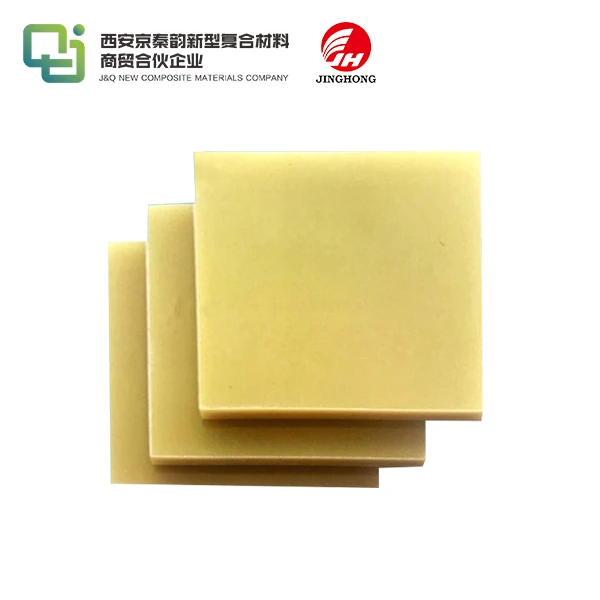
The success of any insulation system is based on a few basic factors that show how well it works in certain situations. The dielectric strength of a material is how well it can keep electricity from breaking down when exposed to high voltage. It is usually given in kilovolts per millimeter (kV/mm). Electrical Insulation Epoxy Plastic 3240 Sheet is one example of a material that has great insulating performance. It stays strong even in oil-filled transformer settings where voltage stress stays the same for decades.
Electrical resistance is a measure of how well a material blocks the flow of electricity; higher numbers mean that the material is better at blocking electricity. Good insulation materials have resistance values higher than 10^12 ohm-meters, which means they keep leaking current to a minimum even when conditions are bad. As electrical systems work, they produce heat that can weaken shielding over time. This is why thermal resistance is just as important.
Critical Application Areas Across Industries
Modern electrical systems depend on insulation materials in many different industries, each with its own specific performance needs. Insulation sheets are used in power distribution networks to separate generator coils, stop arcs in switches, and keep high-voltage equipment from getting too hot. Specialized insulation is becoming more and more important in the car business for protecting battery packs, electric motor parts, and charging systems.
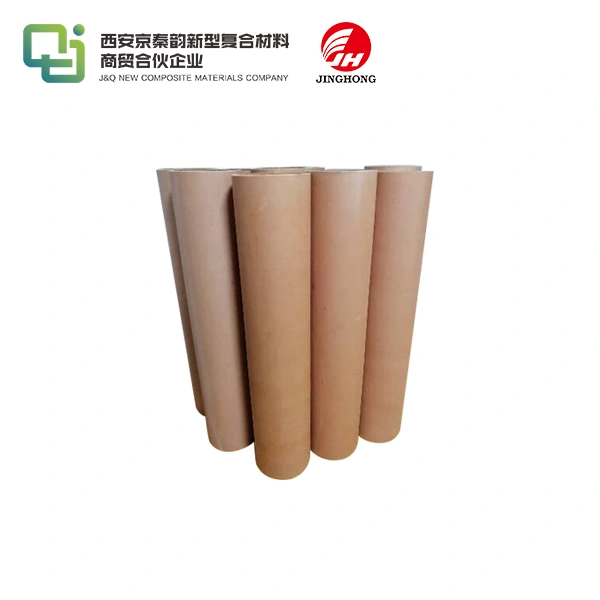
For manufacturing equipment to work, it needs mechanical spacers, structural supports, and wear-resistant parts that keep electricity from getting to other parts and are strong. Electrical Insulation Phenolic Resin Cotton Fabric works great for these uses because it is strong enough for gear systems and keeps the electricity from flowing between moving parts.
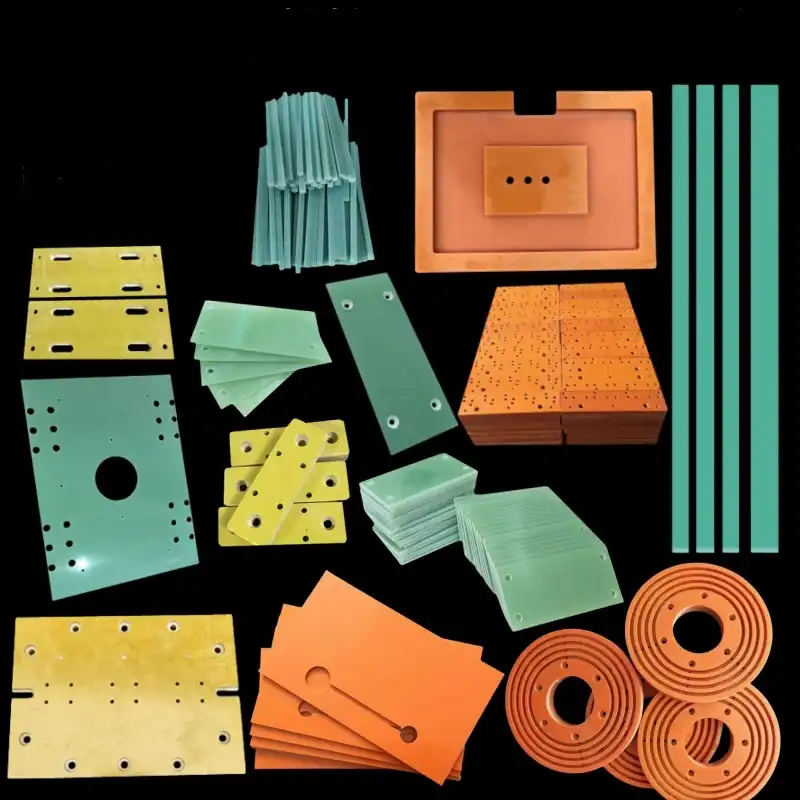
Comprehensive Guide to Major Types of Electrical Insulation Materials
There are many kinds of electrical insulation material, each with its own unique makeup and structure. Each one is made to meet specific performance needs and working conditions. Knowing about these types of materials helps buying teams make smart choices that balance cost with technical performance.
Polymer-Based Insulation Systems
Thermoplastic and thermosetting polymers are the building blocks of many current insulating uses. Epoxy-based materials, such as the 3240 grade sheets, are very stable in size and don't react badly with chemicals. This makes them perfect for intricately made parts in electrical systems. These materials keep their features over a wide range of temperatures and are very easy to shape and machine for specific uses.
Phenolic resin systems mix organic polymers with fibers that strengthen them to make hybrid materials that are stronger. The cotton cloth reinforcement in phenolic laminates makes them more resistant to impact than paper-based options. This means they can be used in dynamic situations where vibration and mechanical stress are a problem.
Ceramic and Composite Solutions
Advanced ceramic insulators offer the best temperature stability and insulating strength for harsh environments. Alumina and porcelain insulators can survive temperatures above 1000°C and still keep their electrical qualities. However, because they are so brittle, they can't be used in situations where they need to be flexible mechanically.
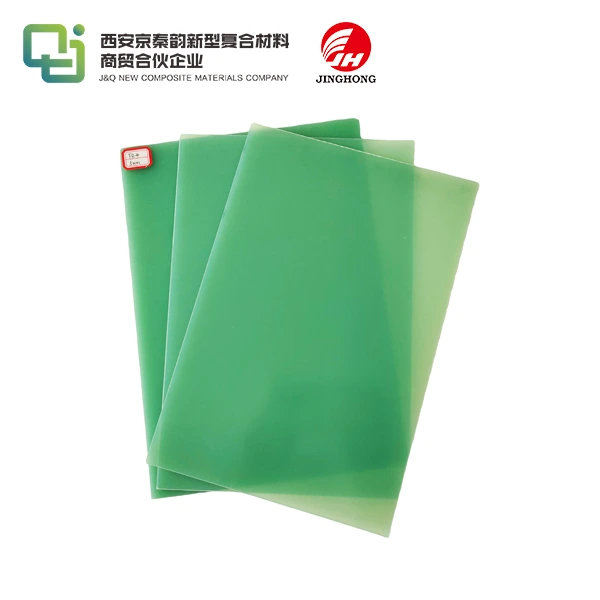
Glass fiber reinforced composites are a good compromise between pure ceramics and organic plastics because they work well in a number of different areas. The most common type of composite insulation is FR4 glass epoxy laminates, which have good electrical qualities, can be worked with mechanically, and are resistant to flames that meet UL safety standards.
Performance Comparison Across Material Classes
Different types of materials are better at certain tasks, so they need to be carefully matched to the needs of the application. Most of the time, organic plastics are more flexible and easier to work with, while ceramics are more expensive but better at handling heat and electricity. Composite materials try to get the best of several qualities at the same time, but they still have to make trade-offs in terms of efficiency.
One important thing that sets them apart is their temperature rating. Phenolic materials are usually rated up to 130°C, epoxy systems up to 155°C, and special ceramics up to 200°C constant operation. There are big differences in how well different chemicals work together. Epoxy materials tend to be more resistant to oils and solvents than plastics options.
How to Choose the Best Electrical Insulation Material for Your Application?
To choose the best electrical insulation material, you need to carefully consider the working factors, performance needs, and legal requirements. To find solutions that work reliably over time and stay within the project's limits, engineering teams have to weigh a lot of different factors.
Operating Environment Analysis
Different insulation systems offer different levels of dielectric strength and voltage durability, so voltage levels and electrical stress patterns play a big role in choosing the right material. For uses with voltages above 1kV, you usually need materials that have been shown to be resistant to tracking and corona discharge. For systems with a voltage between 600V and 1kV, there are more material options. For systems with a voltage below 600V, the focus is more on mechanical and heat qualities.
The thermal class requirements of a material are based on its temperature exposure, and the minimum performance standards are set by constant working temperatures. When temperatures occasionally rise above usual working levels, extra thermal margin is needed to keep things from breaking down or aging too quickly.
Mechanical and Environmental Stress Factors
The choice of material between stiff and flexible insulation systems is affected by the factors of mechanical loading. Rigid materials, such as Electrical Insulation Epoxy Plastic 3240 Sheet, are good for static structural uses because they keep their shape under load while still having the right electrical qualities. Materials that can handle more pressure and wear need to be used in dynamic uses that vibrate or bend over and over again.
Chemicals in oils, fluids, cleaning products, or the air can change how well materials work together and how long they last. For use in transformers, materials must not break down in hot mineral oil settings. For use outside, materials must be resistant to UV light and water.
Standards Compliance and Certification Requirements
International guidelines from IEC, ASTM, and UL set base requirements for how well insulation materials should work in different situations. For North American markets, UL certification makes sure that materials meet flame protection and electrical safety standards. For foreign projects, IEC standards make sure that materials work with everything.
ROHS compliance is now necessary for electronic uses, which need materials that don't contain any restricted dangerous chemicals. This rule mostly affects older types of phenolic and epoxy materials that might have old-fashioned fillers that aren't allowed in many markets anymore.
Procurement Guide – Finding Reliable Electrical Insulation Material Suppliers
To buy electrical insulation material successfully, you need to know how the market works, what your suppliers can do, and how to make sure the quality of the product is always good. These days, supply chains need to work together with suppliers who can offer expert help and on-time delivery of materials.
Market Landscape and Supplier Evaluation
There are both big international companies and small, specialized regional sellers in the global market for insulation materials. Each has its own benefits for different types of purchases. Big companies like 3M, DuPont, and Henkel offer a wide range of products and excellent expert support, but their high prices might not be ideal for all situations.
When it comes to standard grades and high-volume applications, regional providers often offer better prices and more customization choices. To figure out what a supplier can do, you have to look at their production methods, quality control systems, and expert support tools to make sure that you always get the right product and help with your application.
Quality Verification and Supply Chain Management
Setting up strong methods for qualifying suppliers guards against differences in quality that could hurt system performance. As required by the standards, material certificates should include test results that confirm the material's electrical, mechanical, and thermal qualities. Supplier quality control systems that are ISO 9001 or a similar standard provide extra assurance that the manufacturing process will be the same every time.
After recent global problems, supply chain resilience has become more important. This makes source diversity and inventory management very important things to think about. Specialty materials with long lead times may need to be strategically placed in stock, while standard types can benefit from having multiple approved sources to make sure they are available and priced competitively.
For high-volume needs, buying in bulk can save you money, but you need to think about how to store the goods and how long they will last. Custom formulas and precision-machined parts usually have longer lead times and lower minimum order sizes, which makes it harder to plan how to buy things.
Conclusion
When choosing the right insulation materials, you need to carefully think about how their electrical, thermal, and mechanical features match the needs of the application. When you need to balance dielectric performance with mechanical demands and weather conditions, you can choose between hard epoxy laminates and flexible phenolic composites. Quality providers who offer full expert support and consistent material qualities are necessary for projects to be completed successfully and for safety and reliability to be maintained over time.
FAQ
What makes Electrical Insulation Epoxy Plastic 3240 Sheet different from standard insulation materials?
Electrical Insulation Epoxy Plastic 3240 Sheet is made of alkali-free glass fiber support and epoxy phenolic resin. Together, they make a hard composite material that stays strong up to 155°C and has great dielectric strength. Unlike most paper-based laminates, this one doesn't deform when heated up and doesn't break down when it comes into contact with oil. This makes it important for transformer and switchgear uses that need both electrical protection and mechanical support.
How does Electrical Insulation Phenolic Resin Cotton Fabric perform in mechanical applications?
When compared to glass fiber options, phenolic cotton fabric laminates are better at resisting impacts and being machined. They also have a shear strength of over 250 MPa and good wear properties. The cotton reinforcement reduces noise in gear applications by mechanically dampening it while keeping the electrical connection. This makes it perfect for electronic systems that need to be quiet and last a long time.
Which electrical insulation material provides the best temperature resistance for transformer applications?
Epoxy glass laminates, like the 3240 grade, work best in temperature-sensitive transformer uses because they have a Class F insulation rating (155°C constant) and are very resistant to chemicals found in transformer oil. For higher temperature needs, polyimide-based materials can work constantly at 220°C, but epoxy systems are usually more cost-effective for everyday use.
How do I verify that insulation materials meet current safety standards?
In order to be materially compliant, sellers must provide proof of UL recognition numbers, ASTM test certifications, and ROHS compliance. As of now, UL 94 covers flammability, ASTM D229 covers dielectric properties, and IEC 60893 covers layered sheets. For all types of materials, suppliers should give full test results and keep their certifications up to date.
Partner with J&Q for Premium Electrical Insulation Material Solutions
You can trust J&Q as your seller of electrical insulation material because they have been making high-quality products for over 20 years and have been dealing internationally for 10 years. Our wide range of products includes high-quality FR4 sheets, 3240 epoxy boards, phenolic cotton laminates, and Bakelite composites that meet the strict needs of electronics and electrical makers all over the world.
Our integrated method blends our advanced production skills with our own logistics network to give you a one-stop service that makes your supply chain run more smoothly. Our technical support services, custom machining, and quality testing methods make sure that materials work the same way in all production runs, which helps engineering managers and procurement teams. Our skilled workers can give you the knowledge and dependability that modern electrical engineering projects need, whether you need precisely cut parts for switchboard systems or large amounts of materials for making transformers. Email info@jhd-material.com to talk to one of our experts about your unique needs and find out how our tried-and-true solutions can help your next project.
References
Institute of Electrical and Electronics Engineers. "IEEE Standard for Electrical Insulation Materials - Test Methods for Evaluating Resistance to Tracking and Erosion." IEEE Standards Association, 2019.
International Electrotechnical Commission. "IEC 60893: Insulating Materials - Industrial Rigid Laminated Sheets Based on Thermosetting Resins for Electrical Purposes." IEC Publications, 2020.
American Society for Testing and Materials. "ASTM D229: Standard Test Methods for Rigid Sheet and Plate Materials Used for Electrical Insulation." ASTM International, 2018.
National Electrical Manufacturers Association. "NEMA LI 1: Industrial Laminated Thermosetting Products." NEMA Standards Publication, 2017.
Underwriters Laboratories. "UL 94: Standard for Safety of Flammability of Plastic Materials for Parts in Devices and Appliances." UL Standards Database, 2021.
Chen, Robert M. "Advanced Materials for High-Voltage Electrical Insulation Systems: Properties, Applications, and Performance Analysis." Journal of Electrical Engineering Materials, vol. 45, no. 3, 2022, pp. 178-195.
_1732777843529.webp)