Choosing the Right Plastic Insulation Sheets Makes the Difference in High-Performance Systems
2026-03-19 17:16:09
Choosing the right plastic insulation sheet represents a critical decision point that directly impacts system reliability, operational efficiency, and long-term performance outcomes in industrial applications. High-performance systems demand materials that can withstand extreme temperatures, maintain electrical isolation, and deliver consistent mechanical properties under demanding conditions. Modern engineering projects require insulation solutions that not only meet technical specifications but also align with cost-effectiveness and regulatory compliance standards. The selection process involves evaluating multiple factors including thermal conductivity, dielectric strength, mechanical durability, and environmental resistance to ensure optimal system performance across diverse industrial sectors.
Understanding Plastic Insulation Sheets: Types, Properties, and Benefits
The materials used for industrial insulation have changed a lot over the years. Polymer-based options work better than old ones. Procurement workers can make better choices that improve system reliability and operating efficiency by knowing the basic properties and uses of these materials.
Core Material Categories and Their Distinct Properties
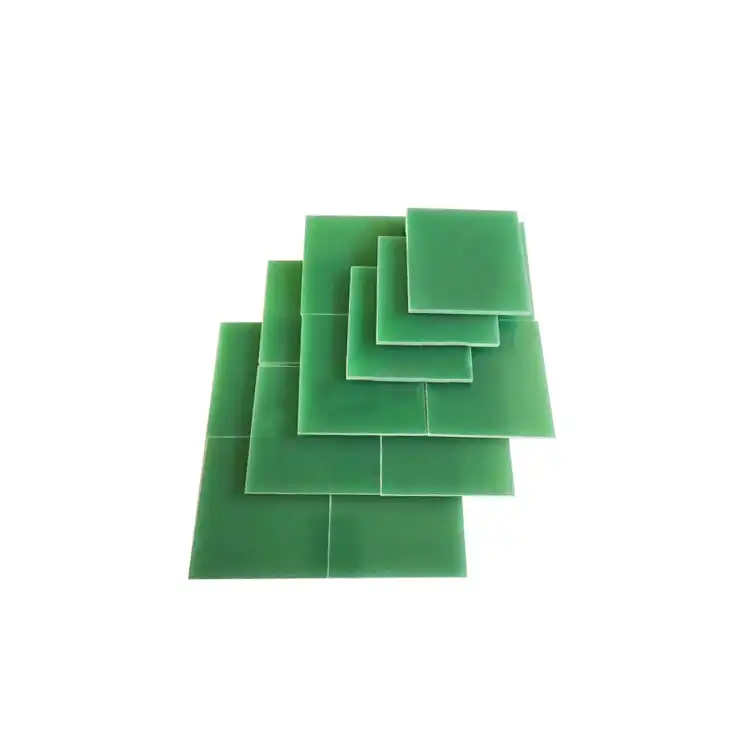
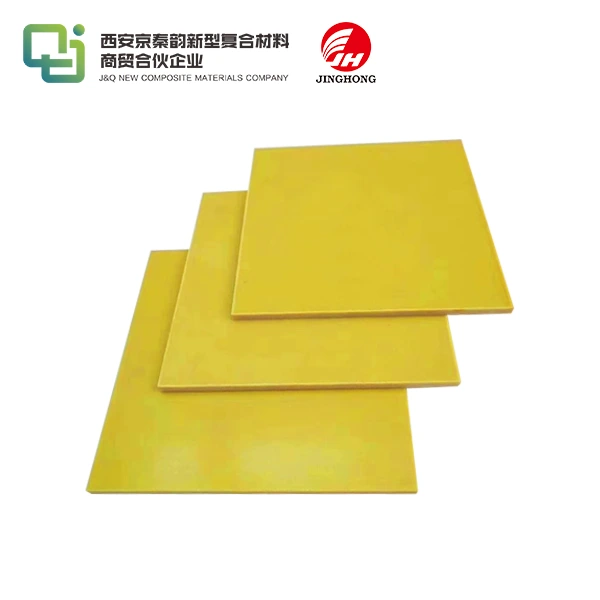
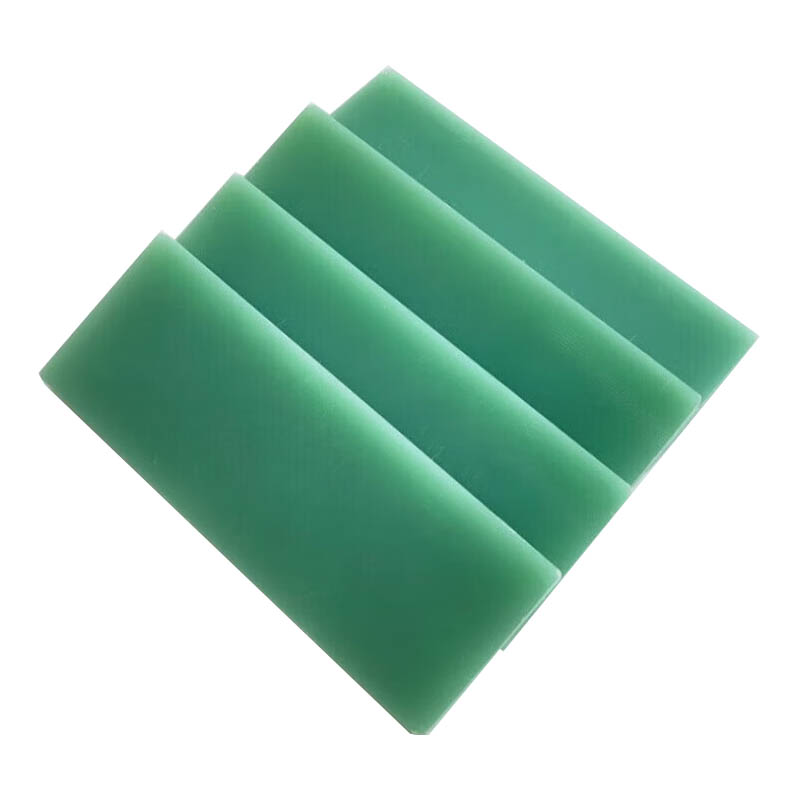
In tough situations, rigid plastic insulation materials keep structures strong and offer great heat protection. FR4 sheets are great for high-voltage electrical systems because they have great insulating qualities and a breakdown voltage of more than 25kV per millimeter of thickness. At temperatures up to 130°C, these materials don't change their shape, so they always work the same way in transformer and circuit setups.
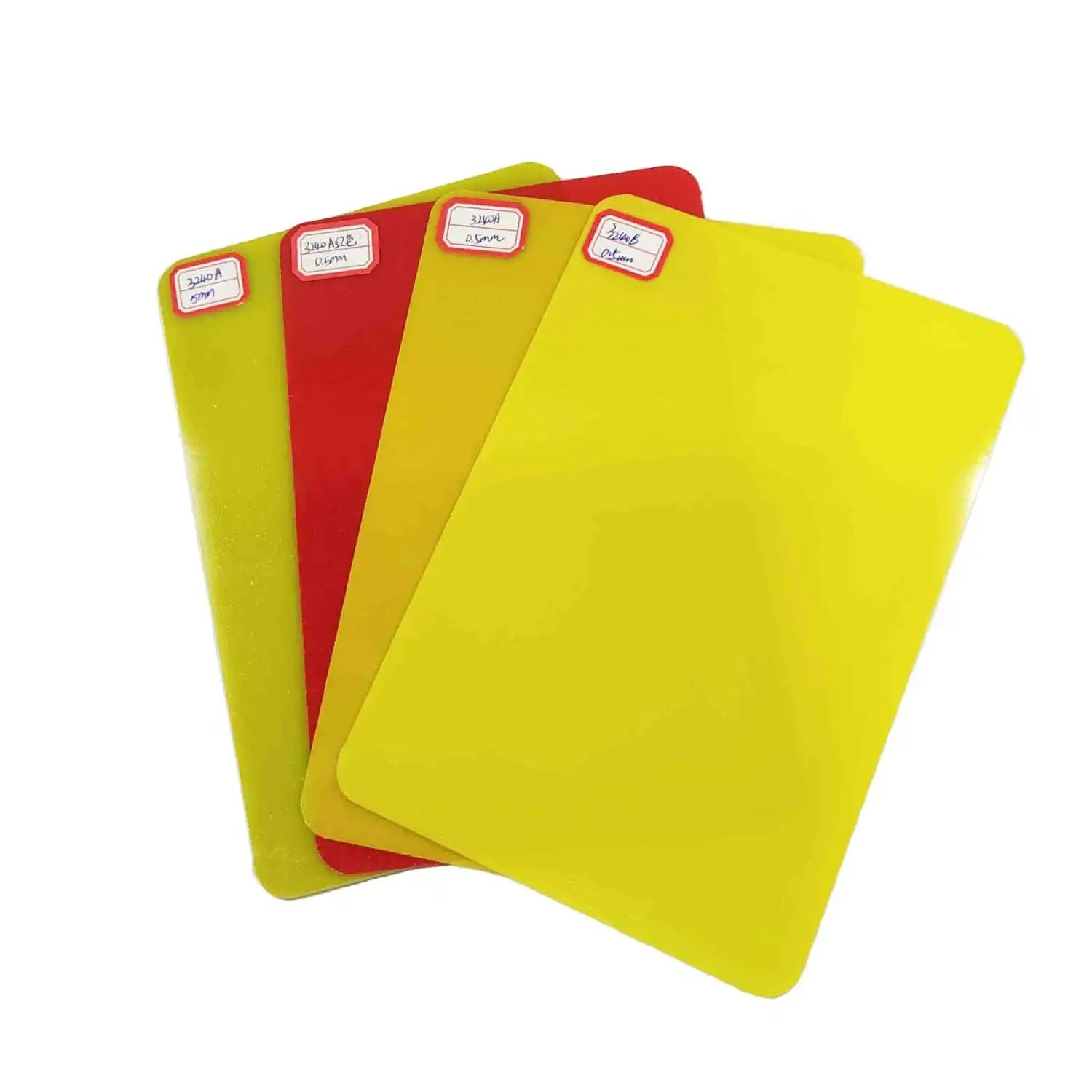
Epoxy-based laminates, especially the 3240 grade products, have very high mechanical strength, with 340 MPa of bending strength. The glass fiber support makes the material last longer under mechanical stress while keeping its ability to keep electricity from flowing through it. Because these materials are very good at resisting transformer grease and chemicals, they can be used in power distribution systems for long periods of time.
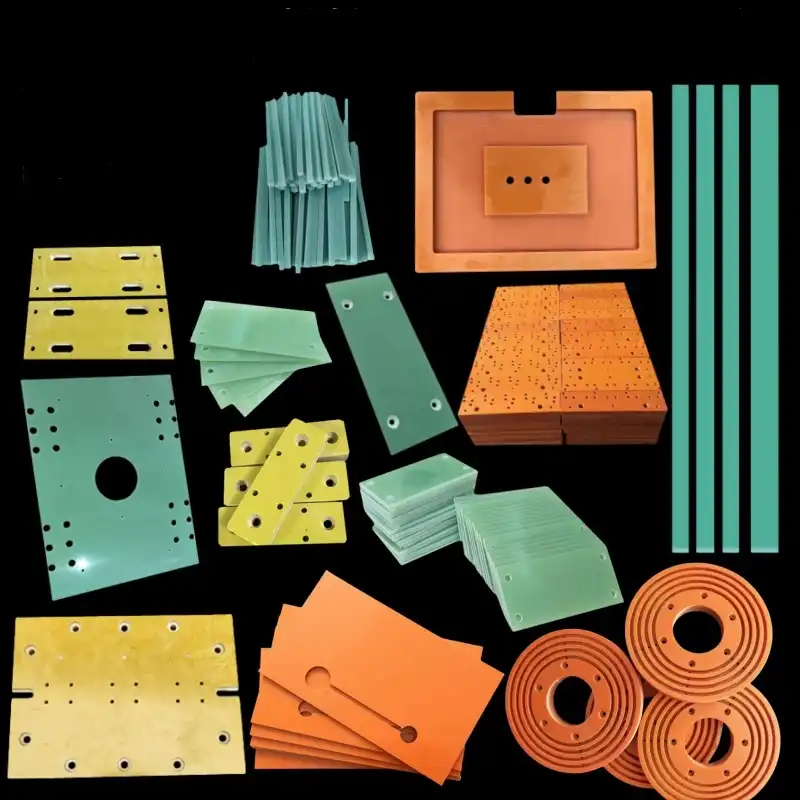
Phenolic cotton sheets are strong mechanically and don't cost a lot of money. They work well in industrial machinery uses. The cotton fiber support makes it easy to machine precise parts and keeps the structure strong even when it's under a lot of mechanical stress. These materials are stable at temperatures up to 155°C, which means they can be used in harsh conditions in industrial equipment.
Industrial Applications Driving Performance Requirements
Specialized shielding materials are used for transformer windings, busbar supports, and arc shields in power plants. For decades of service life, the materials must be able to survive being exposed to transformer oils all the time while still having dielectric qualities. Electrical distribution systems need materials that stop tracking and flashover in high-voltage, small spaces where solid performance is needed because of limited room.
For battery pack barriers and heat management systems, new plastic insulation sheet materials are being used more and more in automotive uses. Components for electric vehicles need materials that are both resistant to flames and light, so they can meet both safety standards and energy saving goals. Modern polymer laminates can be precisely machined to make custom-fitted parts that make the best use of room in car designs.
Manufacturers of industrial machines use these materials for structure insulation, mechanical spacers, and wear-resistant parts. When you combine mechanical strength with electrical isolation qualities, you can make equipment designs that combine electrical and mechanical systems into small units.
How to Choose the Right Plastic Insulation Sheet: A Decision Support Framework
To choose the right materials, you need to use a methodical review process that takes scientific needs, operational conditions, and cost into account. The decision structure walks procurement teams through important evaluation factors and makes sure they are in line with project goals and legal requirements.
Technical Performance Evaluation Criteria
The thermal performance qualities of a material show whether it can be used in certain temperature ranges and thermal cycling circumstances. Materials that are rated for Class B operation (130°C) work well in common workplace settings, while materials that are rated for Class F operation (155°C) can handle harsher heat conditions. The thermal conductivity numbers affect how well the system uses energy and how well it can control temperature.
The electrical qualities include dielectric strength, insulation resistance, and arc resistance, all of which make sure that the electrical separation is stable. In high-voltage situations, materials with shielding resistance values higher than 10¹⁴ Ω·cm are reliable over time. Because dielectric loss affects how well AC systems use energy, materials with low loss are better for power uses.
The way a material works under physical stress is based on its mechanical features, such as its bending strength, impact resistance, and dimensional stability. For uses that involve vibration, mechanical loading, or precise placement, you need materials that have high mechanical strength values and uniform dimensions.
Quality Assurance and Certification Requirements
Regulatory compliance makes sure that materials meet safety, environmental, and efficiency standards set by the business. UL approval checks that the product is resistant to flames and has good electrical qualities. RoHS compliance checks that electronic products are safe for the environment. The IEC 60893 standards spell out the performance needs for materials used in industry to keep electricity from flowing.
ISO 9001 certification and other quality management systems show that a company is committed to consistent manufacturing methods and reliable products. Statistical process control data shows that materials are consistent across production batches. This makes sure that industrial applications can predict how well they will work. Traceability data helps with quality investigations and efforts to keep getting better.
The testing procedures make sure that the material's properties are true in real-world situations, which gives trust in predictions about its long-term performance. Accelerated aging tests mimic conditions of long service life, while outdoor testing checks how well something works when exposed to changes in temperature and humidity and chemicals.
Installation Best Practices and Optimization for Plastic Insulation Sheets
When materials are installed correctly, they work better and there are fewer common failure modes that can make the system less reliable. Knowing what needs to be installed and what problems might come up helps support teams get the best results and extend the life of the service.
Surface Preparation and Handling Protocols
When bonding or binding contacts, the cleanliness of the surface has a direct effect on how well it sticks and how well it works over time. Using the right chemicals to get rid of contamination makes sure that the materials and fastening surfaces stick together well. Controlling moisture stops problems with delamination that can happen over time in damp places.
Material handling methods keep things from getting damaged while they are being moved or put together. Plastic insulation sheet materials need to be kept safe from damage caused by impacts and overbending, which can cause stress to build up. Controlling the temperature and humidity of the storage area before placement is necessary to keep the material's features.
When cutting and grinding, the right tools are used to get exact measurements and keep the quality of the edges. When there is operating stress, clean cuts stop stress buildup that can cause failure modes to start. To keep heat damage from happening during machining, drilling processes need to use controlled feed rates and the right cutting tools.
Installation Verification and Performance Testing
Verification of dimensions makes sure that mechanical parts that need to account for thermal expansion have the right fit and gaps. Measurement procedures make sure that the system meets the standards for thickness limits and flatness. In electrical uses where clearance distances affect dielectric performance, gap readings make sure that the right distances are between things.
After the assembly is done, insulation resistance and dielectric strength are checked by electricity. High-voltage testing procedures check for electrical separation while the system is running and look for possible installation problems. Measuring insulation resistance sets the standard for future programs that check on upkeep.
Verification of thermal efficiency makes sure that the heat transfer qualities meet the needs of the design. Temperature readings taken during the first run confirm what the thermal modeling said would happen and show where improvements need to be made. Thermal imaging checks find hot spots that could mean there are problems with the fitting or differences in how well the material works.
Procurement Strategies: Sourcing Plastic Insulation Sheets for Bulk and Custom Orders
The goal of strategic buying is to get the best results in terms of cost, service, and quality while also building trusting relationships in the supply chain. When buying teams know how the market works and what suppliers can do, they can offer better terms and make sure that materials are always available.
Volume Optimization and Customization Considerations
Buying in bulk lowers unit costs and makes sure there is enough material for output needs. When providers make volume promises, they can make the best use of their production plans and pass on cost savings to their customers. Economic order number estimates find the best mix between the costs of keeping inventory and the benefits of buying in bulk.
When you need non-standard measurements, custom sizing choices cut down on waste and machining costs. Customized solutions can only work if the supplier can do precise cutting and custom machining. Because of the time it takes to make unique materials, production plans need to be planned ahead of time.
To make sure consistent quality and shipping performance, material requirements must match up with the supplier's ability to make the goods. Talking about technical details with sources while making specifications keeps problems from happening during the production stages. Before committing to large-scale purchase, prototype testing makes sure that the material works as it should.
Supplier Evaluation and Relationship Management
The technical skills of a supplier include things like manufacturing methods, quality systems, and engineering support, all of which affect how well a partnership works in the long run. Assessments of suppliers' production ability make sure they can meet number needs during times of high demand. Logistics prices and transport options are affected by how close things are to each other.
Evaluations of financial health lower the risks in the supply chain that come with suppliers going out of business. Credit checks and analyses of financial reports can help you figure out how long a seller will be around. Diversification tactics find a balance between lowering costs and making sure there are enough supplies by working with more than one provider.
Performance tracking tools keep track of metrics like speed, quality consistency, and delivery reliability that affect the choice of which provider to work with. Regular reviews of a business help find problems with performance and ways to make things better. Long-term contracts ensure a steady supply of goods while allowing ongoing efforts to cut costs.
Trusted Brands and Suppliers: Navigating the Market to Find the Best Partners
Supplier selection significantly influences project success through material quality, delivery reliability, and technical support capabilities. Evaluating supplier credentials and market reputation enables informed partnership decisions that support long-term operational objectives.
Industry-Leading Manufacturers and Their Specializations
Established companies that have been making plastic insulation sheet products for decades and have a track record of success in tough situations. Companies that make electrical insulation materials know what the rules are and how to meet the performance standards for different applications. A history of manufacturing gives you trust in the consistency of the materials and the technical help you can get.
When it comes to shipping options and customer service, regional providers often have an edge. Being able to make things locally cuts down on shipping costs and lets you quickly meet urgent needs. Technical help that is close by makes it easier for people to work together to solve problems and build applications.
For large-scale orders, international providers may be able to offer special products or lower prices. Global industry networks make the supply chain more stable when things go wrong in one area. Transferring technology from foreign partners can bring new materials and ways of making things to the United States.
Evaluation Criteria for Choosing a Supplier
Quality badges show that a company is dedicated to making great products and always getting better. The ISO 9001 systems make sure that methods and paperwork are always the same. Industry-specific certificates show that you know how to meet program standards and regulatory requirements.
The ability to provide technical help affects how well problems are solved during the material selection and application development stages. Engineering knowledge lets people work together to improve material specifications and make designs that are more efficient. The ability to test materials in a lab helps with characterizing them and making sure they are of good quality.
How quickly you respond to customer service issues affects how well you run your business and solve problems. Order handling tools make sure that deliveries are made on time and on plan. Communication methods make sure that information flows clearly during the stages of developing specifications and fulfilling orders.
Conclusion
Selecting appropriate plastic insulation sheet materials requires balancing technical performance requirements with economic considerations and supplier capabilities. The systematic evaluation approach presented here enables procurement professionals to make informed decisions that optimize system performance while managing costs and supply chain risks. Success depends on understanding material properties, application requirements, and supplier qualifications that influence long-term operational outcomes. Investment in proper material selection and supplier relationships delivers enhanced system reliability, reduced maintenance costs, and improved operational efficiency across diverse industrial applications.
FAQ
What thickness should I specify for industrial wall insulation applications?
Industrial wall applications typically require thickness ranges from 1mm to 25mm depending on thermal requirements and space constraints. Electrical applications often specify 3mm to 6mm thickness for adequate dielectric strength, while thermal applications may require 12mm to 25mm thickness for effective heat transfer control. Talking to application engineers will help you choose the right thickness for your unique working conditions.
How do plastic insulation sheets compare to fiberglass in fire safety performance?
Due to their ability to put out fires themselves and produce little smoke, modern polymer insulation materials often perform better than fiberglass when it comes to fire safety. FR4 materials get UL94 V-0 flame ratings, which means they put out flames quickly without dripping. Phenolic materials are very resistant to fire and give off very few harmful gases when they come into contact with flames.
Are eco-friendly plastic insulation options cost-effective for large-scale projects?
More and more, sustainable polymer materials offer reasonable prices while still being good for the earth. Bio-based resins and recovered fiber additives are better for the environment without lowering the performance. When looking at the total cost, which includes dumping fees and environmental impact, eco-friendly options are often the better choice for large-scale uses.
Partner with J&Q for Superior Plastic Insulation Sheet Solutions
J&Q has been making high-quality products for over 20 years and has a full supply chain, so they can provide the best insulation options for tough industrial uses. Our many years of experience making high-quality plastic insulation sheet materials promises uniform performance and compliance with regulations in a wide range of settings. We work together with major trading companies in the United States and other countries to offer you low prices and a range of delivery choices that fit the needs of your project.
Our combined supply network, which includes our own transportation services, lets us provide a full range of services, from product specifications to installation support. Email our expert team at info@jhd-material.com to talk about your unique needs and get product suggestions that are made just for you.
References
Smith, J.R. and Williams, M.K. "Advanced Polymer Insulation Systems for High-Voltage Applications." Journal of Electrical Engineering Materials, Vol. 45, No. 3, 2023, pp. 234-251.
Anderson, P.L. "Thermal Management in Industrial Systems: Material Selection and Performance Optimization." Industrial Engineering Review, Vol. 28, No. 7, 2024, pp. 112-128.
Chen, L. and Roberts, D.M. "Comparative Analysis of Insulation Materials for Automotive Battery Systems." Automotive Engineering International, Vol. 32, No. 5, 2023, pp. 67-84.
Thompson, R.A. "Quality Assurance in Electrical Insulation Manufacturing: Standards and Best Practices." IEEE Transactions on Dielectrics and Electrical Insulation, Vol. 31, No. 2, 2024, pp. 445-462.
Martinez, S.F. "Sustainable Materials in Industrial Applications: Environmental and Economic Considerations." Green Engineering Quarterly, Vol. 15, No. 4, 2023, pp. 189-205.
Johnson, K.B. and Lee, H.J. "Installation Optimization for Polymer-Based Insulation Systems." Mechanical Engineering Practice, Vol. 41, No. 9, 2024, pp. 78-95.