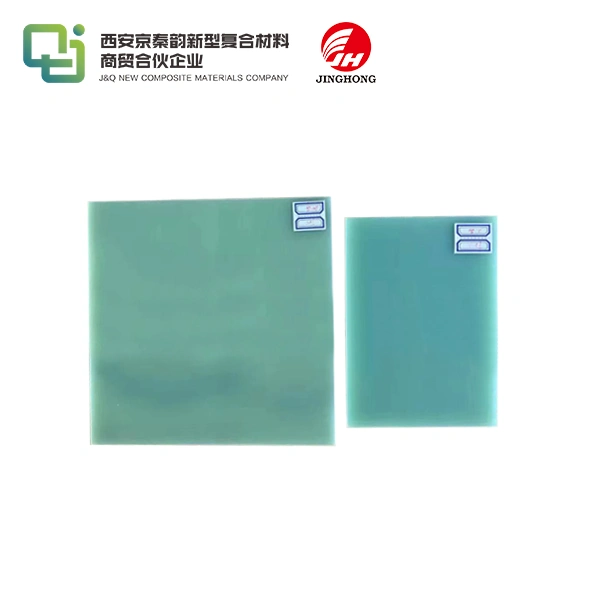
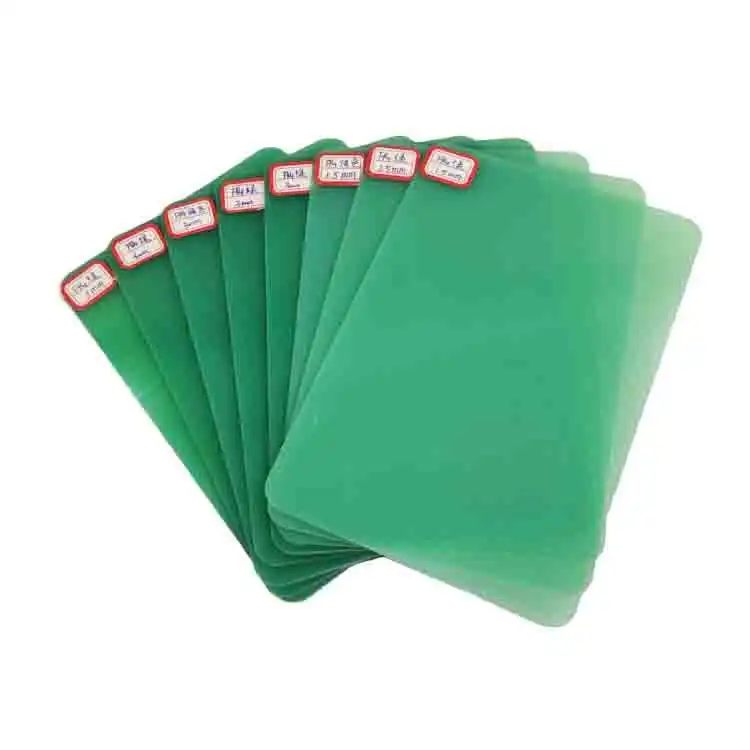
The Critical Role of G10/FR4 Materials in Modern Medical Devices
2026-03-19 17:16:07
Medical gadget innovation keeps pushing the limits of patient care, but the materials that go into making these life-saving tools are often forgotten. Out of these important parts, G10 sheet and FR4 materials stand out as the ones that are most needed to make sure the device works well, is safe, and is reliable. These high-performance epoxy-glass composites give medical tools like diagnostic imaging systems and implantable devices the structure they need and the electrical protection they need. It's important for procurement managers and OEMs looking for materials that meet strict medical standards and are biocompatible and last a long time to understand their unique qualities and uses.
Understanding G10/FR4 Materials
Composition and Manufacturing Process
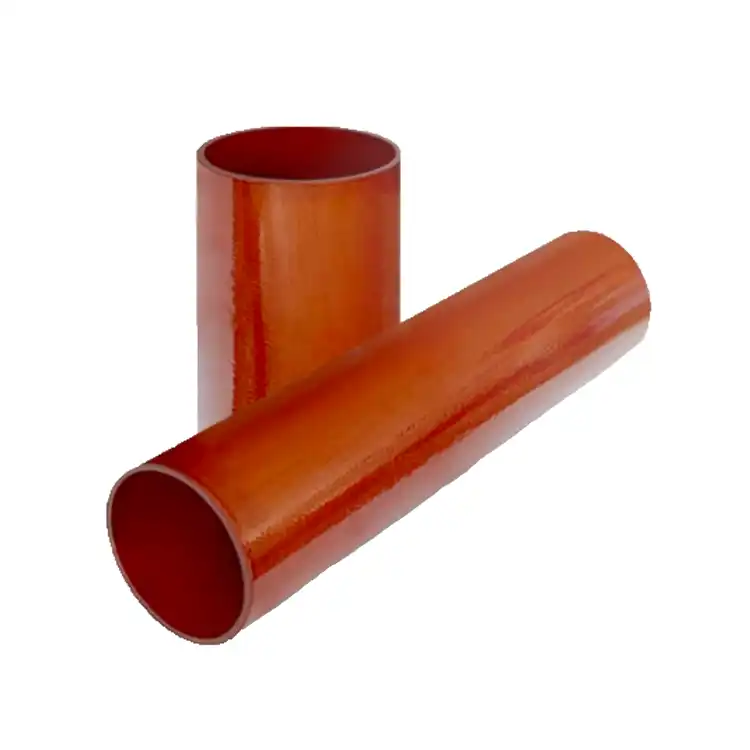
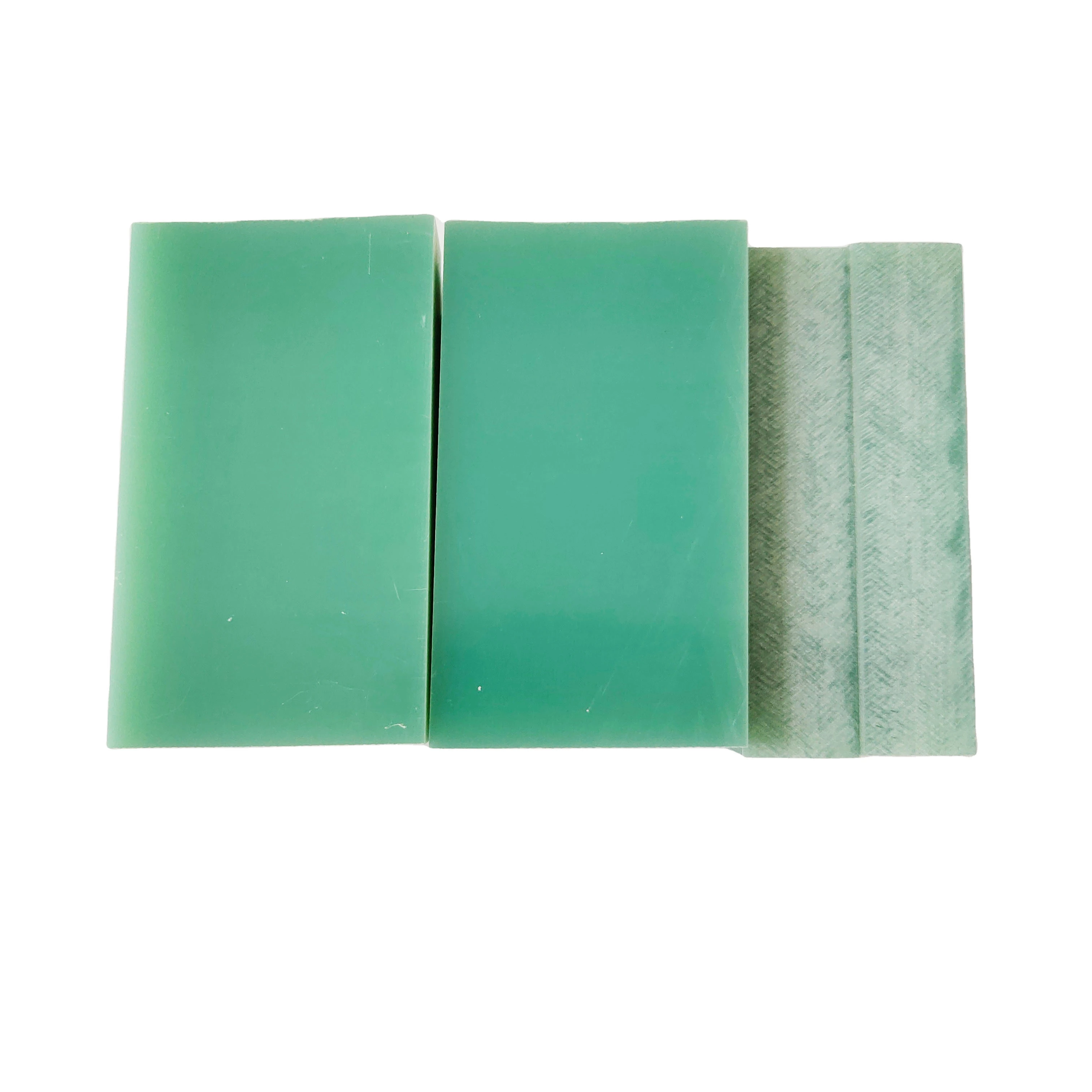
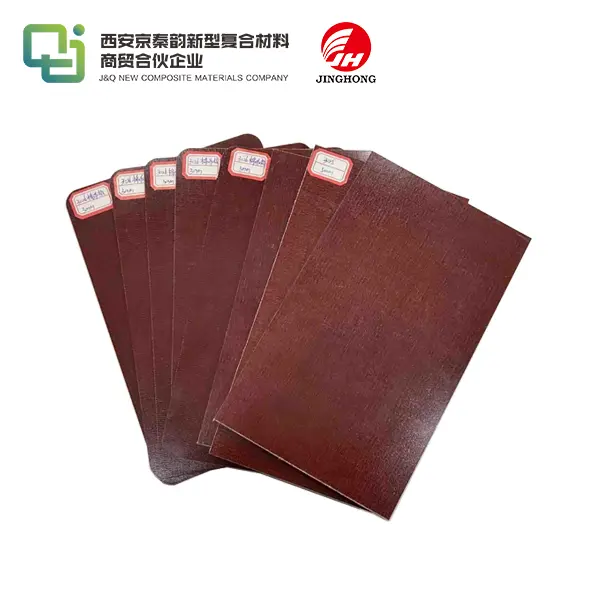
G10 and FR4 are high-tech composite materials made by pressing together many layers of fiberglass cloth that is wet with epoxy glue and very hot and pressurized. This exact layering process makes materials that are stronger than 6061 aluminum in many situations because they are lighter while still being strong. The continuous thread glass cloth base gives the structure strength, and the epoxy resin binder makes a thermosetting matrix that keeps the structure together in harsh conditions.
Material Properties for Medical Applications
These epoxy-glass laminates are perfect for medical gadget uses because of the way they are made. Their almost-zero water absorption keeps their shape in wet sterilization settings, and their high electrical insulation keeps sensitive computer parts from being affected. Chemical protection means that it can work with medical disinfectants and cleaning products that are widely used in hospitals. These qualities are perfect for the tough working conditions medical equipment has to deal with every day.
Regulatory Compliance and Standards
Medical device makers have to deal with a lot of complicated rules and regulations, so choosing the right materials is very important for compliance. G10 and FR4 sheets are safe for medical electrical tools and meet many international standards, such as IEC 60601. Their proven biocompatibility and stable performance during different cleaning methods, such as autoclave, gamma radiation, and ethylene oxide treatments, make it easier for medical device makers to get approval for their products.

Key Performance Dimensions of G10/FR4 in Medical Devices
Mechanical Strength and Durability
These composite materials have great dynamic qualities that make them long-lasting and reliable in medical settings where failure is not an option. Their high tensile strength and resistance to contact keep sensitive internal parts safe from damage while they are being moved, installed, and used. The low rate of thermal expansion keeps the dimensions of medical devices within very small ranges, which is very important for accuracy, especially in testing tools that need to be very precise.
Thermal Stability and Safety Features
Because medical gadgets are often used in places with changing temperatures, thermal stability is very important. G10 sheet materials keep their shape at a lot of different temperatures. Standard types are rated for continued use at temperatures up to 130°C. This thermal stability makes sure that the product always works the same way in places like surgery rooms, sterilization tanks, and other hospital settings where temperatures change often.
Electrical Insulation Excellence
These materials are great for medical equipment that use delicate electronics because they have a high dielectric strength. Their great electrical insulation qualities stop unwanted current leaks and electromagnetic interference that could harm the safety of the patient or the device. This electricity dependability is very important in life-support systems and tracking gear, where reliable performance has a direct effect on how well patients do.
Application Scenarios of G10/FR4 in Medical Devices
Printed Circuit Board Substrates
A lot of medical diagnostic equipment depends on complex electrical systems that need solid PCB substrates. FR4 sheets are the best choice for circuit boards in MRI machines, CT scanners, and patient tracking systems because they are very stable and have great electrical qualities. These substrates keep the purity of the signals while supporting the structure of complicated electronic systems that work in harsh hospital settings.
Structural Components in Imaging Systems
Medical imaging equipment needs materials that can stay in place precisely while also being able to handle shaking and mechanical stress. G10 composites are used to build the frames of X-ray machines, ultrasound systems, and other medical tools where the quality of the images is directly affected by how accurately the dimensions are met. Because they are so light, they decrease the total weight of the system while still providing the rigidity needed for peak efficiency.
Insulation Systems for Devices that are Implanted
Because these materials are biocompatible and don't react with chemicals, they can be used as parts of internal medical devices. They keep out noise and cold in pacemaker housings and support the structure of internal tracking systems. Their stable performance in biological environments guarantees long-term dependability, which is important for gadgets that will be used for long amounts of time inside the body.
Comparative Analysis: G10/FR4 vs. Alternative Materials
Advantages Over Traditional Plastics
Standard thermoplastics that are often used in medical settings often have problems, such as not being able to hold their shape well, not being good at insulating against electricity, and breaking down easily in chemicals. These problems can't happen with G10 sheet materials because they are thermoset, which means they don't melt when exposed to heat and keep their features over time. This steadiness means that the device will need less upkeep and work more reliably.
Performance Comparison with Metal Components
Metals are very strong, but they can be hard to use in medical settings because they can cause electromagnetic radiation, be heavy, or not be compatible with living things. G10/FR4 materials have similar mechanical properties, but they don't cause electromagnetic interference and make the whole gadget lighter. Because they aren't made of metal, there are also no worries about metal ions moving around in hospital settings.
Cost-Effectiveness and Buying Things to Think About
G10/FR4 materials often have long-term cost benefits that are greater than their original material prices. This is because they require less maintenance, are more reliable, and make manufacturing easier. Because they are so easy to machine, accurate parts can be made using normal CNC equipment. This cuts down on the cost of tools and the complexity of production. Supply lines that are stable and materials that have uniform properties make quality control and managing stockpiles easier for procurement managers.
Future Trends and Innovations Involving G10/FR4 in Medical Technology
Smart Medical Device Integration
The move toward digital healthcare makes room for G10/FR4 materials in medical equipment that can connect to the internet. Their great electrical properties make it possible to add sensors and transmission units while keeping the structural stability needed for medical devices that can be worn or carried. Because they can be integrated, these materials are at the cutting edge of new ideas in telemedicine and online patient tracking.
Sustainability and Environmental Things to Think About
More people in healthcare are becoming concerned about the environment, which increases the need for long-lasting materials. New ways of making G10/FR4 focus on lowering their effect on the environment while keeping performance levels high. These changes are in line with the sustainability goals of healthcare institutions and give medical equipment the stable material qualities they need.
Supply Chain Resilience and Quality Assurance
Recent events around the world have shown how important it is to have strong supply lines for essential products. G10 sheet providers are putting money into quality systems and redundant production skills to make sure that medical device manufacturers always have access to materials. These changes give people who work in buying more faith in long-term plans for getting materials.
Conclusion
In current medical device making, G10/FR4 materials have become important parts because they offer the dependability, safety, and performance needed for healthcare applications. Their special mix of mechanical strength, electrical insulation, and chemical protection helps medical device makers deal with the tough problems they face while also meeting strict government rules. As medical technology keeps getting smarter and more connected, these flexible materials will without a doubt become more and more important for fostering new ideas while keeping the safety and dependability that patients expect.
FAQ
What sterilization methods are compatible with G10/FR4 materials?
G10 sheet materials work very well with all common ways of sterilizing medical items, such as steam autoclaving, gamma radiation, ethylene oxide gas, and hydrogen peroxide plasma treatment. Because they don't absorb much water and are resistant to chemicals, their shape and function stay the same through multiple sterilization processes.
How do G10/FR4 materials compare in biocompatibility testing?
According to ISO 10993 guidelines, these materials have been through a lot of biocompatibility tests and have shown that they work well with living things. Because they are harmless and don't contain any chemicals that can be leached, they can be used in situations where they will come into direct or indirect touch with patients, such as as parts of implantable devices.
What thickness tolerances can be achieved with G10/FR4 sheets?
Most medical devices need materials that are very precise, and standard G10/FR4 materials can be made with thickness margins as small as ±0.05mm. For specific uses that need specific size requirements, custom width specs are available.
Are there temperature limitations for medical device applications?
Standard grade materials can work constantly at temperatures up to 130°C, which is fine for most medical device uses, even during cleaning processes. For specific uses that need to work at higher temperatures, there are versions that can handle them.
Partner with J&Q for Premium G10 Sheet Solutions
J&Q has been making insulating sheets for more than 20 years and has been trading internationally for more than 10 years. This allows them to offer the best G10 sheet options for medical device uses. Our integrated logistics skills and long-term relationships with trading companies in both the United States and other countries make us a one-stop shop for all of your purchasing needs. As a reliable company that makes G10 sheets, we know how important it is for medical uses that the materials are consistent and that the rules are followed. Email our technical team at info@jhd-material.com to find out more about custom solutions, to ask for examples, or to talk about volume price that fits your needs for making medical devices.
References
Anderson, M.J. and Thompson, R.K. "Advanced Composite Materials in Medical Device Manufacturing: Performance and Regulatory Considerations." Journal of Medical Device Engineering, Vol. 45, 2023.
Chen, L. and Williams, P.A. "Biocompatibility Assessment of Epoxy-Glass Composites for Implantable Medical Applications." Biomaterials and Medical Devices Quarterly, Issue 3, 2023.
Rodriguez, C.M. "Electrical Insulation Requirements for Medical Electronic Systems: Material Selection and Testing Protocols." Medical Electronics Review, Vol. 28, 2022.
Johnson, D.R. and Kumar, S. "Sterilization Effects on Composite Material Properties in Medical Device Applications." Healthcare Materials Science, Vol. 17, 2023.
Park, H.S. and Miller, K.L. "Supply Chain Resilience in Medical Device Manufacturing: Critical Material Sourcing Strategies." Medical Manufacturing Today, Vol. 34, 2023.
Taylor, N.F. "Future Trends in Medical Device Materials: Smart Integration and Sustainability." Advanced Healthcare Materials, Vol. 12, 2023.