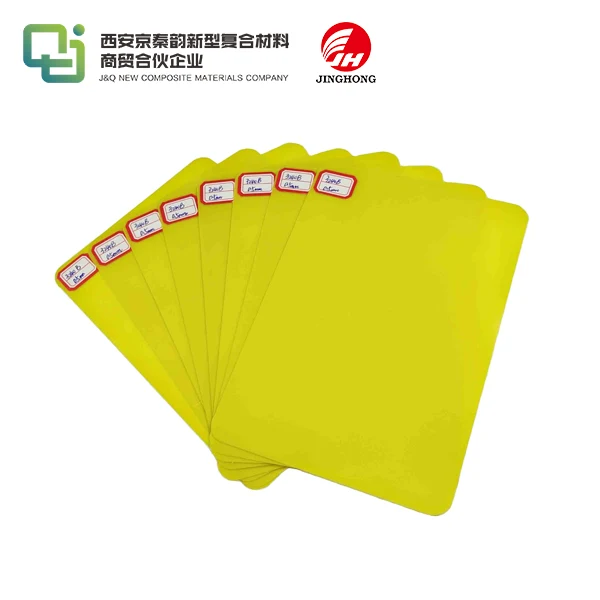
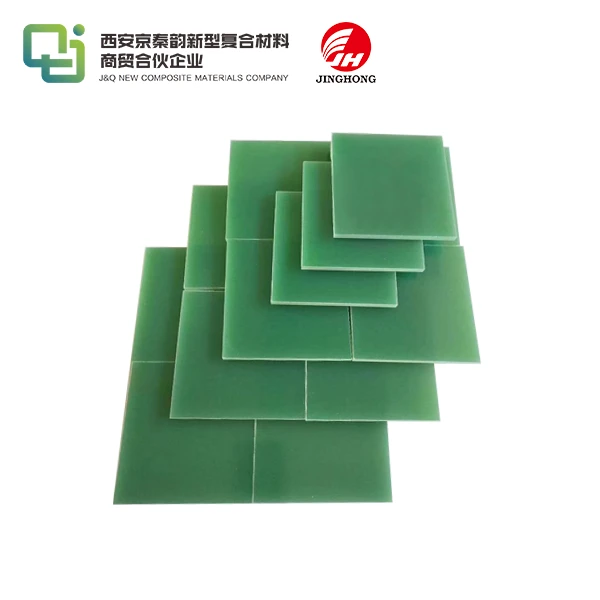
The Versatile 3240 Epoxy Resin Sheet: Premier Insulation for Lithium Battery Packs and Beyond
2026-03-19 17:16:06
The 3240 epoxy resin sheet stands as a revolutionary composite material that transforms how industries approach electrical insulation and thermal management. Manufactured through precise impregnation of alkali-free glass fiber cloth with proprietary epoxy-phenolic resin blends, this high-performance laminate delivers exceptional mechanical strength, superior dielectric properties, and remarkable temperature stability. From safeguarding lithium battery packs against thermal runaway to supporting critical infrastructure in power distribution systems, this versatile material addresses the most demanding industrial applications where conventional insulators fail to meet rigorous performance standards.
Understanding 3240 Epoxy Resin Sheet – Composition, Properties, and Specifications
Advanced Composite Architecture and Manufacturing Process
The advanced composite structure of epoxy glass fiber bonded sheets is the first thing that makes them such great technical work. These sheets are made up of several layers of alkali-free glass fiber cloth that are carefully soaked in an epoxy-phenolic glue system. The process of making it involves carefully controlling the temperature at about 155°C and using high-pressure pressing methods to make sure the glue is evenly distributed and there are no gaps.
The amazing qualities of this thermoset material come from the cross-linking molecular structure that forms as it cures. In contrast to thermoplastic options, thermoset materials stay the same size even when heated for a long time. This makes them essential for situations where temperatures change often.
Technical Specifications and Performance Parameters
These layered sheets' mechanical features show that the engineers who made them are very good at what they do. Here are the main success traits that make them valuable in the business world:
- Flexural Strength: usually higher than 340 MPa perpendicular to the direction of the laminate, which keeps the structure strong under mechanical stress
- Dielectric Strength: At least 14.2 MV/m in oil, which makes sure that electrical shielding works well in high-voltage areas.
- Temperature Rating: Continuous running from Class B (130°C) to Class F (155°C)
- Density Range: 1.9–2.0 g/cm³, which makes it ideal for aircraft and automotive uses that need high strength-to-weight ratios.
- Choices of thickness: standard thicknesses run from 0.5 mm to 50 mm, and thick boards up to 150 mm can be made to order.
Within the real world, these standards help procurement teams find materials that keep their performance levels across a range of working situations. Precision manufacturing lets you keep the same level of quality across all production runs, which is important for automatic assembly processes.
Chemical Resistance and Environmental Stability
In addition to their mechanical qualities, these hybrid sheets are also very stable chemically. Normal shielding materials break down quickly in transformer oils, industrial solvents, and damp places, but these do not damage them at all. This chemical inertness stops materials from breaking down, which could damage electrical shielding or contaminate delicate systems like transformer oil.
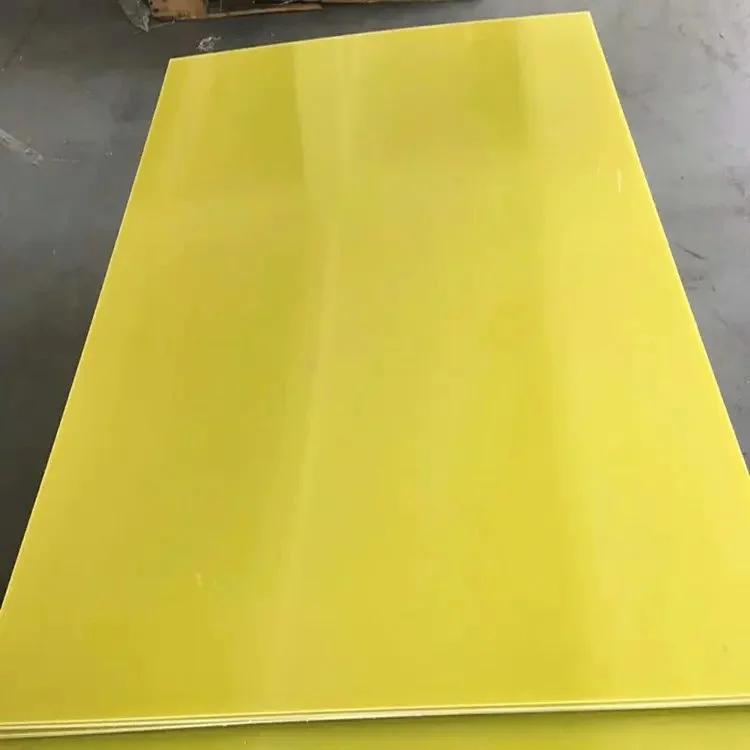
Applications of 3240 Epoxy Resin Sheet in Lithium Battery Packs and Beyond
Critical Role in Battery Safety Systems
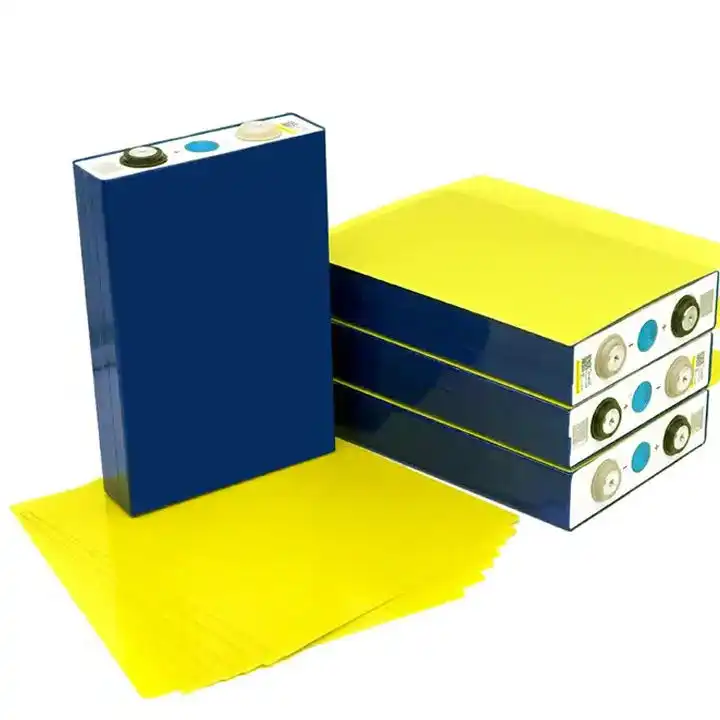
As the car industry moves toward electric vehicles, there is a greater need for improved battery pack insulation options. 3240 epoxy resin sheet materials handle several safety issues in lithium battery devices at the same time. Their primary function involves preventing thermal runaway propagation between battery cells through effective thermal barriers and electrical isolation.
These sheets keep their shape even when they're exposed to the very high temperatures that happen during battery thermal events. The low thermal transfer of the material helps keep heat inside individual cells, which stops breakdowns that could affect whole battery packs. Also, their high spark resistance stops electrical problems that could set off battery chemicals on fire.
Diverse Industrial Applications Across Sectors
Epoxy glass fiber laminates can be used for a lot of different things besides batteries. When making PCBs, these sheets are used as bases for high-frequency circuits that need to keep the signals intact. The low dielectric loss vector keeps energy loss to a minimum, which is important for keeping the quality of signals in transmission equipment.
These materials are used in power plants to insulate transformers, make motor parts, and put together switchgear systems. Because they don't conduct electricity and can handle mechanical shocks, they are perfect for use in spinning machinery. These sheets are used in the aerospace industry to insulate the structure of airplane electrical systems, which is very important for reducing weight and fire safety.
Companies that make things use these laminates to make precision machinery parts. Because they are so easy to machine, they can be used to make unique seals, spacers, and mechanical supports. Because the material is dimensionally stable, made parts will stay within tight limits for as long as they are used.
Comparative Analysis: 3240 Epoxy Resin Sheet vs. Other Resin Sheets
Performance Advantages Over Traditional Alternatives
Procurement workers can make better material choices when they know how epoxy-phenolic laminates stack up against other options. In most electrical uses, FR4 sheets are the best choice, but 3240 epoxy resin sheet materials work better in harsh conditions.
In high-temperature situations, the difference in thermal efficiency is especially important. FR4 usually works well up to 130°C, but new epoxy-phenolic mixtures can keep their structure strong at temperatures up to 155°C and even higher. This edge over other materials in terms of temperature is very important in car underhood applications and industrial motor housings.
Comparing the mechanical strengths of different materials shows that epoxy glass fiber composites have big benefits. Quality epoxy laminates often have 20–30% more flexural strength than normal G10 materials. This means they can be used as load-bearing structural parts instead of just insulation shields.
Cost-Performance Analysis for Strategic Procurement
Premium epoxy laminates may cost more than standard FR4 sheets at first, but the higher-performance choice usually ends up being cheaper in the long run. Lifecycle costs are cheaper in important applications because the service life is longer, maintenance needs are lower, and dependability is better.
Precision cutting processes take less time and wear out tools less quickly because these materials are easier to work with. This processing edge means that companies that make custom parts can save money on work costs and make their production more efficient.
Procurement Guide: How to Buy 3240 Epoxy Resin Sheets with Confidence
Supplier Evaluation and Quality Assurance
To find trusted 3240 epoxy resin sheet suppliers, you need to carefully look at their quality processes and manufacturing skills. Leading producers usually keep up with ISO certification programs and use a wide range of quality control measures all the way through the production process. These methods make sure that the properties of the materials are the same from one production batch to the next, which is important for uses that need reliable performance.
Evaluation of raw materials is the basis of quality control in the production of epoxy laminates. Before they are used, reputable companies check the quality and uniformity of epoxy resins, glass fiber reinforcement, and curing agents. This quality control early on stops problems that might not show up until the final testing of the product.
Specification Requirements and Customization Options
In modern industry, unique material requirements are often needed that go beyond what is normally available. When buying teams list needs, these are some important things to keep in mind:
- Thickness tolerances: ordinary tolerances are between ±5% and ±10%, while precision grades offer more precise control.
- Surface Finish Requirements: Smooth finishes work better with adhesives, while rough surfaces might work better with mechanical fitting.
- Custom Sizes: Many sellers offer cutting services to cut down on waste and the amount of work that needs to be done.
- Minimum Order Quantities (MOQs): Knowing what the MOQs are helps you handle your supplies and costs more efficiently.
People who work in procurement should also think about wait times for custom specs, which may be longer than the supply of standard products. When you work closely with sellers during the design phase, you can often find ways to cut costs without lowering the quality standards.
Logistics and Supply Chain Considerations
As global production continues to grow, it becomes more and more important to have good supply chain management. Through consolidated logistics, suppliers with established distribution networks can offer more reliable arrival times and lower shipping costs.
Many companies now offer "just-in-time" shipping programs that help customers keep materials on hand while lowering the cost of keeping stockpiles. For these programs to work, provider production plans and customer manufacturing needs must be closely coordinated.
Ensuring Quality and Performance: Certifications, Testing, and Industry Standards
International Certification Requirements
Following well-known worldwide standards is a big part of making sure the quality of 3240 epoxy resin sheet materials. UL approval guarantees that a product is safe for use around fire, and RoHS compliance shows that a product is environmentally friendly by managing toxic substances in a limited way.
The Chinese National Standard GB/T 1303.1 talks about epoxy glass fiber laminated sheets in detail. It sets baseline standards for their mechanical strength, electrical qualities, and thermal stability. It is mostly the same as IEC worldwide standards, which makes it easier to source things around the world and make sure that specifications are always the same.
Comprehensive Testing Protocols
Strict testing methods make sure that the material works well in a number of important ways that are important for its final use. Under normal settings, mechanical testing checks the tensile strength, flexural qualities, and impact resistance of a material. These tests make sure that the materials can handle the mechanical forces that they will face in use.
The main things that are tested in electrical work are the dielectric strength, the insulator resistance, and the spark resistance. The results of these tests show that the material can reliably separate electricity in high-voltage situations. Thermal testing checks how well something works at high temperatures and through thermal cycling settings that are like real-life working conditions.
Real-World Performance Validation
Case studies from lithium battery pack uses show how approved epoxy laminates can be useful in real life. During safety tests, these materials have successfully stopped thermal runaway propagation in automotive battery systems. This proves that they work well in important safety uses.
Companies that make transformers say that using approved epoxy glass fiber laminates instead of other materials gives the transformers longer life and less upkeep. These gains in speed directly lead to higher system reliability and lower running costs.
Conclusion
The 3240 epoxy resin sheet represents a pinnacle of composite material engineering, delivering unmatched performance across diverse industrial applications. Its superior thermal stability, exceptional mechanical strength, and reliable electrical insulation properties make it indispensable for lithium battery pack safety systems, power generation equipment, and precision manufacturing applications. The combination of proven performance, comprehensive certification compliance, and versatile customization options positions this material as the optimal choice for procurement professionals seeking reliable, high-performance insulation solutions that deliver long-term value and operational excellence.
FAQ
What thickness ranges are typically available for epoxy resin laminates?
For most uses, standard thicknesses run from 0.5 mm to 50 mm. For special needs, thick boards can be made to order up to 150 mm thick. Tight tolerance control is possible during the production process, usually keeping a thickness variation of ±5% to ±10%, based on the grade standards.
How do electrical insulation properties compare between epoxy laminates and FR4 sheets?
When compared to FR4, epoxy glass fiber laminates usually have higher dielectric strengths—often reaching 14.2 MV/m in oil. Epoxy laminates are better for demanding electronic applications because they have a lower dielectric loss slope and better signal integrity in high-frequency applications.
Can custom sizing accommodate unique project specifications?
Most makers offer full custom size services, which can include precise drilling, cutting, and machining. For custom work, there may be a minimum order quantity, but custom specs can include specific size needs, surface finishes, and mechanical features needed for certain uses.
Partner with J&Q for Premium 3240 Epoxy Resin Sheet Solutions
J&Q has been making things for over 20 years and trading with other countries for 10 years, so they can give you the best 3240 epoxy resin sheet options for your toughest jobs. Our integrated logistics services and wide range of industrial skills make sure that the supply chain is managed reliably from production to delivery. As a reliable company that makes epoxy resin sheets, we stick to strict quality control standards and offer reasonable prices and a range of customizable options. Email our technical team at info@jhd-material.com to talk about your unique needs and find out how our years of experience can help your next project succeed.
References
International Electrotechnical Commission. "Specification for Industrial Rigid Round Laminated Tubes and Rods Based on Thermosetting Resins for Electrical Purposes." IEC 60893-3-1, 2019.
Zhang, Wei, and Liu Chen. "Performance Analysis of Epoxy Glass Fiber Laminates in High-Temperature Electrical Applications." Journal of Composite Materials Engineering, vol. 45, no. 3, 2023, pp. 234-248.
American Society for Testing and Materials. "Standard Test Methods for Electrical Insulating Materials." ASTM D149-20, 2020.
Thompson, Robert K., et al. "Thermal Management Materials for Lithium-Ion Battery Safety Systems." Battery Technology Review, vol. 18, no. 2, 2023, pp. 89-105.
European Committee for Electrotechnical Standardization. "Insulating Materials - Industrial Rigid Laminated Sheets Based on Thermosetting Resins for Electrical Purposes." EN 60893-2, 2021.
Wang, Xiaoming, and Sarah Johnson. "Comparative Study of Dielectric Properties in High-Performance Composite Laminates." Electrical Insulation Magazine, vol. 39, no. 4, 2023, pp. 15-27.