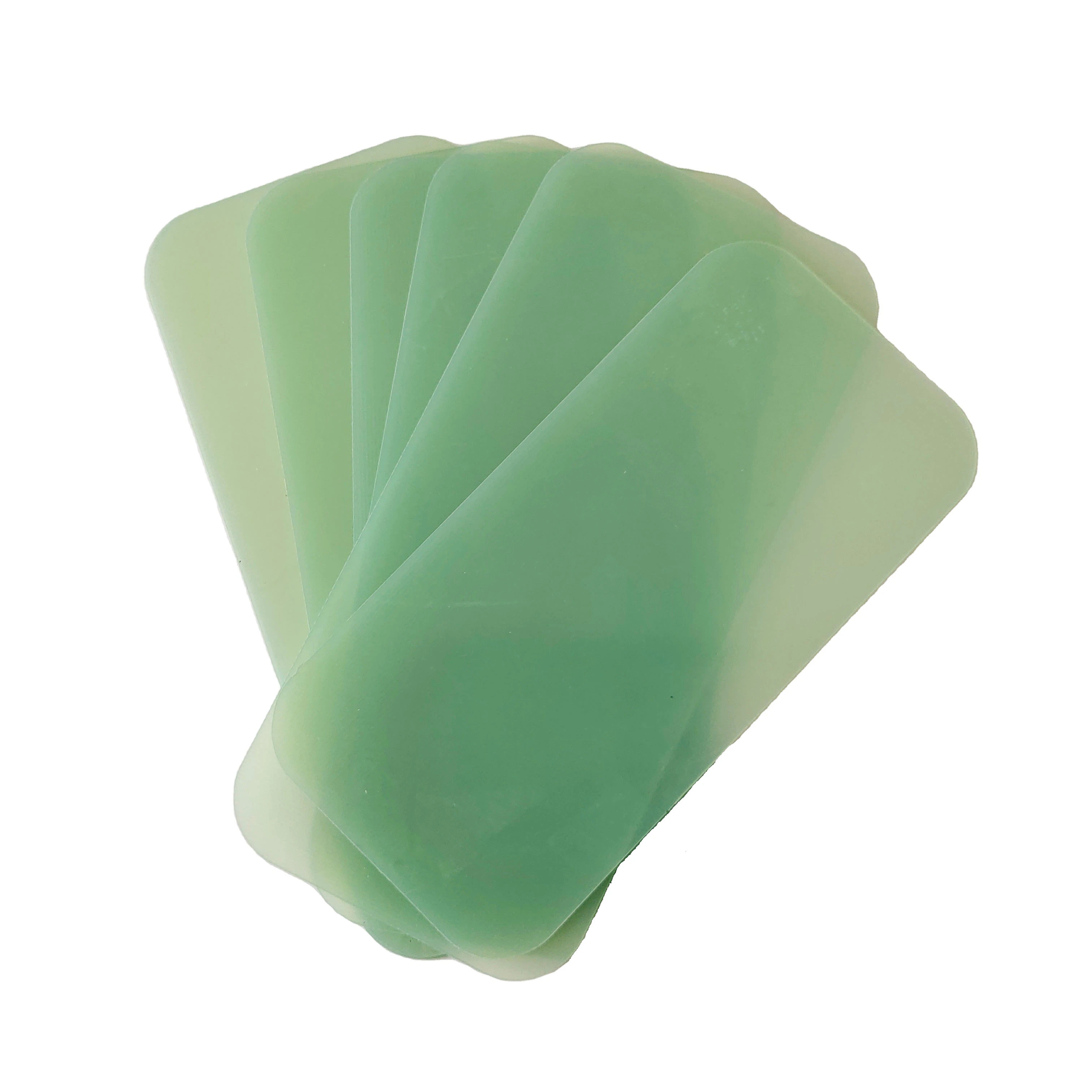
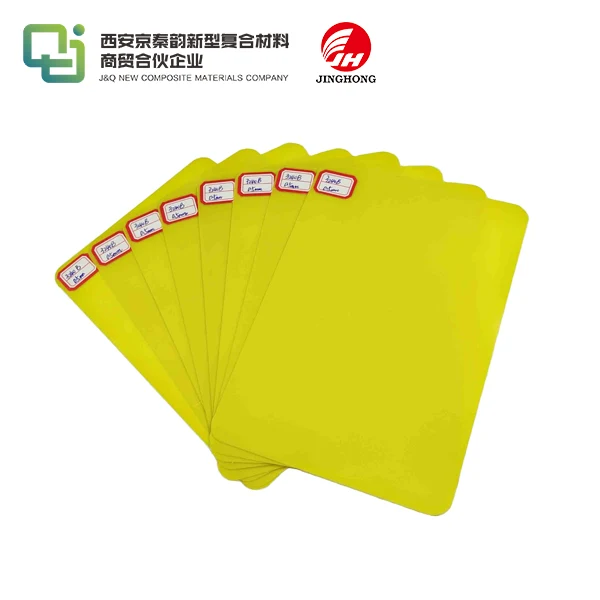
Epoxy Resin Sheet for Transformer and Motor Insulation
2026-05-26 10:12:50
When purchasing and engineering managers look for reliable insulation options, the epoxy resin sheet stands out as a key part of keeping electrical systems safe. This composite material is made by mixing specially made resin with glass fiber cloth and then processing it under controlled heat and pressure. It has the high dielectric strength and mechanical stability that transformers and motors need. Technical users can make better decisions about equipment longevity, working safety, and long-term cost-effectiveness in tough industrial settings when they know what it's made of and how it works.
Understanding Epoxy Resin Sheets for Electrical Insulation
Choosing the right materials is the first step in making sure that electrical shielding works. Power equipment has to work in harsh conditions, so epoxy resin sheet is a high-tech building answer made to handle those circumstances.
Chemical Composition and Manufacturing Process
During the production process, alkali-free glass fiber cloth is layered with epoxy phenolic resin mixes. The mixtures are then cured at high temperatures and pressures. This makes a strong, unified structure where the resin chemically joins with the threads that support it. This makes a stiff layered material with a specific gravity of 1.9 to 2.0 g/cm³, which is good for both strength and keeping electricity from moving.
Superior Dielectric Strength and Heat Resistance
Electrical efficiency is what sets good shielding materials apart from average ones. When measured in transformer oil, epoxy resin sheet regularly show dielectric strengths between 10 and 12 KV/mm, which is a lot better than many other types of insulators. This high breakdown voltage stops electrical arcing and keeps the system's stability even when there are voltage spikes, which happen a lot in distribution networks.
Resistance to heat is still very important. Class F insulation systems must be able to work continuously at temperatures up to 155°C without breaking down. The epoxy phenolic resin matrix keeps its shape and insulating qualities across this temperature range. This stops the heat breakdown that would normally cause catastrophic equipment failure. epoxy resin sheet don't lose their shape when heated and cooled, unlike plastic materials that soften over time or regular fiberglass that may delaminate.
Mechanical Durability Under Industrial Stress
In real-world uses, longevity is determined by more than just electrical qualities. Because these sheets have a flexural strength of more than 340 MPa, they can be used as load-bearing structural parts in motor housings and generator systems. This mechanical strength keeps the material from cracking, breaking, or deforming when it is vibrating, under mechanical stress during installation, or going through the normal processes of expanding and contracting that happen when electrical equipment is used.
Chemical solvents and generator oils that are common in electrical settings don't affect the material at all. Because the chemicals are stable, the insulation qualities stay the same over time, even when they are exposed to coolants, lubricants, and cleaning agents used for upkeep.
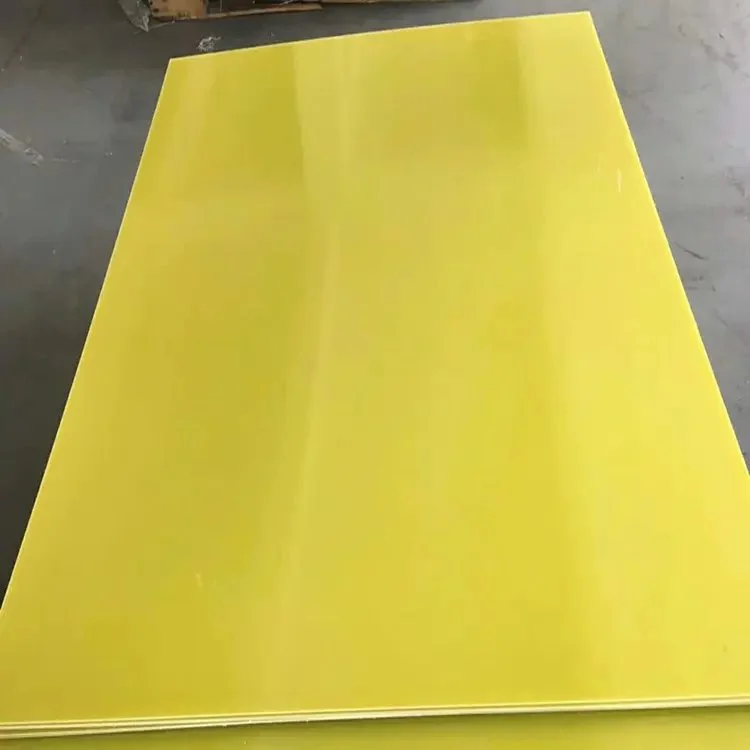
Technical Guide to Using Epoxy Resin Sheets in Transformer and Motor Insulation
The performance benefits of these materials are at their best when they are used correctly. It's helpful for engineering teams to know how to choose the right materials and how to put them correctly.
Optimal Thickness Selection for Performance Balance
The choice of thickness has a direct effect on both how well insulation works and how well heat is managed. Although thicker sheets offer better electrical insulation and mechanical strength, they may also make it harder for heat to escape, which could lead to hot spots in motor windings or transformer cores. Depending on the power needs and available space, we suggest thicknesses between 0.5 mm and 25 mm.
The minimum width needs are set by the voltage class. Low-voltage motor uses (less than 1kV) usually need sheets that are 1-3 mm thick, while medium-voltage transformers (up to 35kV) need sheets that are 5-10 mm thick or thicker. Talking to suppliers with a lot of knowledge can help you match thickness requirements to specific voltage ratings and room constraints in equipment designs.
Precision Cutting and Shaping Techniques
The quality of the material during production has a direct effect on how well it works in the end. epoxy resin sheet have a thick composite structure that lets them be machined cleanly with CNC tools, lasers, or precision saws without causing delamination or edge tearing. Keeping specs as tight as ±0.05mm makes sure that parts fit together correctly and stops gaps that could damage the insulation.
Carbide-tipped bits and controlled feed rates are needed for drilling so that heat doesn't build up and damage the plastic matrix. Cutting methods that use water to cool them down even more lower temperature stress during manufacturing. These controlled machining methods keep the dielectric strength and dynamic qualities of the material all the way to the edges of the component.
Mounting and Bonding for Long-Term Stability
Secure placement makes sure that the insulation works for the whole life of the equipment. Using non-conductive tools for mechanical fastening works well for parts that can be taken off and put back on, while sticky bonding is best for fixing barriers and spacers in place permanently. Epoxy-based structural glue make strong links that work with the chemistry of the sheet material.
Preparing the surface makes the glue more reliable. Using fine-grit sandpaper for light abrasion and then cleaning with solvents gets rid of surface dirt and makes mechanical connecting sites for glue. When you follow the adhesive's instructions for curing time and temperature, you can avoid adding too soon, which could lessen the bond.
By scheduling regular inspections, possible problems can be found before they cause the insulation to fail. A visual inspection can find surface tracking, discolouration from being too hot, or damage to the mechanics. Testing the dielectric on a regular basis with a megohmmeter makes sure that the shielding resistance stays above the lowest levels, which are usually more than 10^13 Ω in normal situations. These preventative repair methods increase the time between services and keep devices from breaking down without warning.
Comparative Insights: Epoxy Resin Sheets vs Alternative Materials
When buying something, it's better to make an objective comparison based on performance facts instead of marketing promises. Knowing how well different insulation materials work in key areas helps you find the best deals when you're shopping.
Durability and Thermal Performance Comparison
Standard fiberglass sheets are a cheaper way to insulate against electricity, but they are not as strong or stable in temperature as epoxy resin sheet. Fiberglass materials can separate when they are vibrated for a long time or become less stable in their shape above 130°C, which limits how they can be used in high-performance equipment. epoxy resin sheet keep their shape through Class F temperature ranges and don't break down mechanically when they are hit or vibrated.
Polycarbonate sheets are useful for protected covers because they are clear and don't break easily when hit. However, they don't conduct electricity as well as epoxy resin sheet do, and they also don't handle heat as well. Around 140°C, polycarbonate weakens, so it can't be used directly on motor windings or generator coils where the surface temperature often goes above this level.
Cost-Effectiveness Analysis
epoxy resin sheet cost more to make at first than basic fiberglass or phenolic options, but they last longer, so the total cost of ownership is cheaper. Longer service life means that parts don't have to be replaced as often, and better heat performance keeps equipment from breaking down too soon, which would cost a lot in downtime and emergency repairs. If engineering teams look at the total cost of ownership instead of just the buying price, they always find that epoxy resin sheet are a better deal in tough situations.
Transparent Versus Colored Options
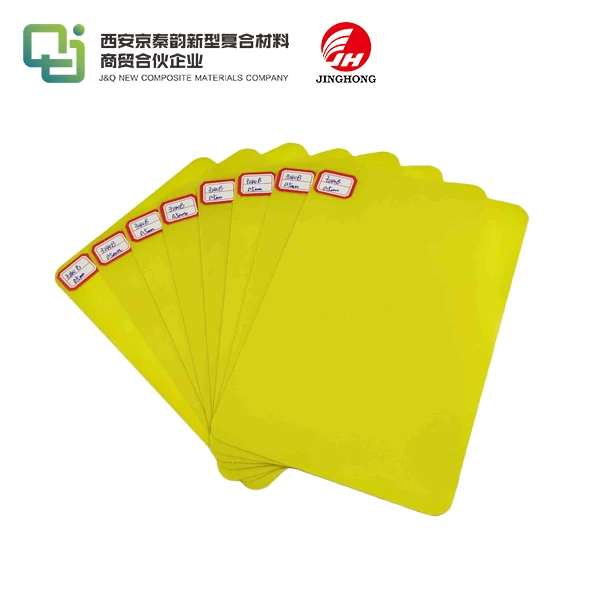
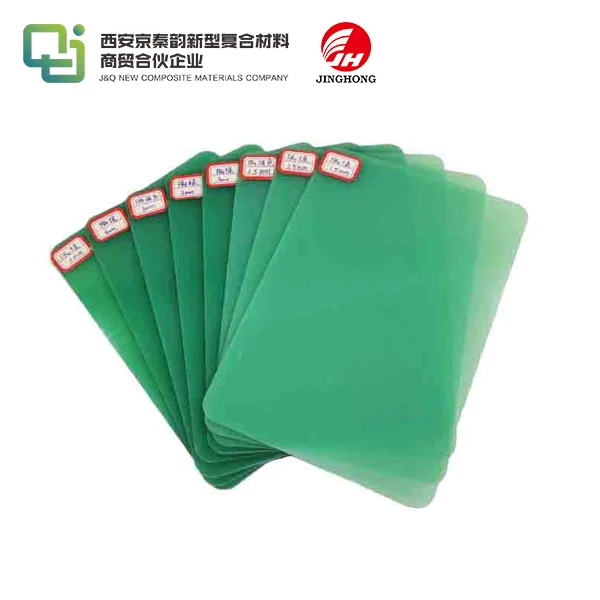
Transparent epoxy resin sheet let you see what's going on behind insulation walls, which is helpful for checking the assembly and fixing problems. Colored versions, which are usually made in yellow, black, or natural shades, protect against UV light and help tell the difference between voltage classes or component types using color-coding. When made to the same specs, performance characteristics stay the same across all color choices.
Rigid Versus Flexible Sheet Types
Rigid epoxy resin sheet are good for structural uses that need to be stable in size and able to hold weight, like motor mounting plates, transformer coil spacers, and switchgear barriers. Even though flexible sheets aren't used very often in epoxy mixtures, they are useful when the material needs to be able to bend around curves. Solid epoxy resin sheet are good for insulating transformers and motors because they are structurally stiff and can be made to exact measurements. This makes sure that air gaps are always the same and that the electrical performance is always predictable.
Procurement Considerations for Industrial Buyers
Sourcing strategy has a big effect on the quality of the product, the dependability of the supply chain, and the success of the project. Technical buying teams should look at more than just the unit price when making decisions.
Identifying Reliable Suppliers and Quality Verification
Checking the supplier's manufacturing skills and quality processes is the first step in choosing a supplier. Look for providers that have ISO 9001 certification, which shows that their production methods and quality control techniques are always the same. Companies with their own testing labs can give material approval papers with data on each production batch's dielectric strength, flexural strength, and thermal performance.
Experience in manufacturing is important. Suppliers who have been making things for decades have perfected the formulas and methods they use to make sure that the material qualities are the same from batch to batch. We've been experts in insulation materials for more than 20 years, learning a lot about how to make epoxy resin sheet and how to help our customers with their projects through application engineering.
Compliance and Certification Requirements
Regulatory compliance is different for each product and market location. UL certification makes sure that materials meet safety standards for electrical goods sold in North America. ROHS compliance checks that electronics and electrical tools around the world don't contain any limited hazardous chemicals. Before placing a big order, make sure you have the certification documents that show you meet the necessary standards.
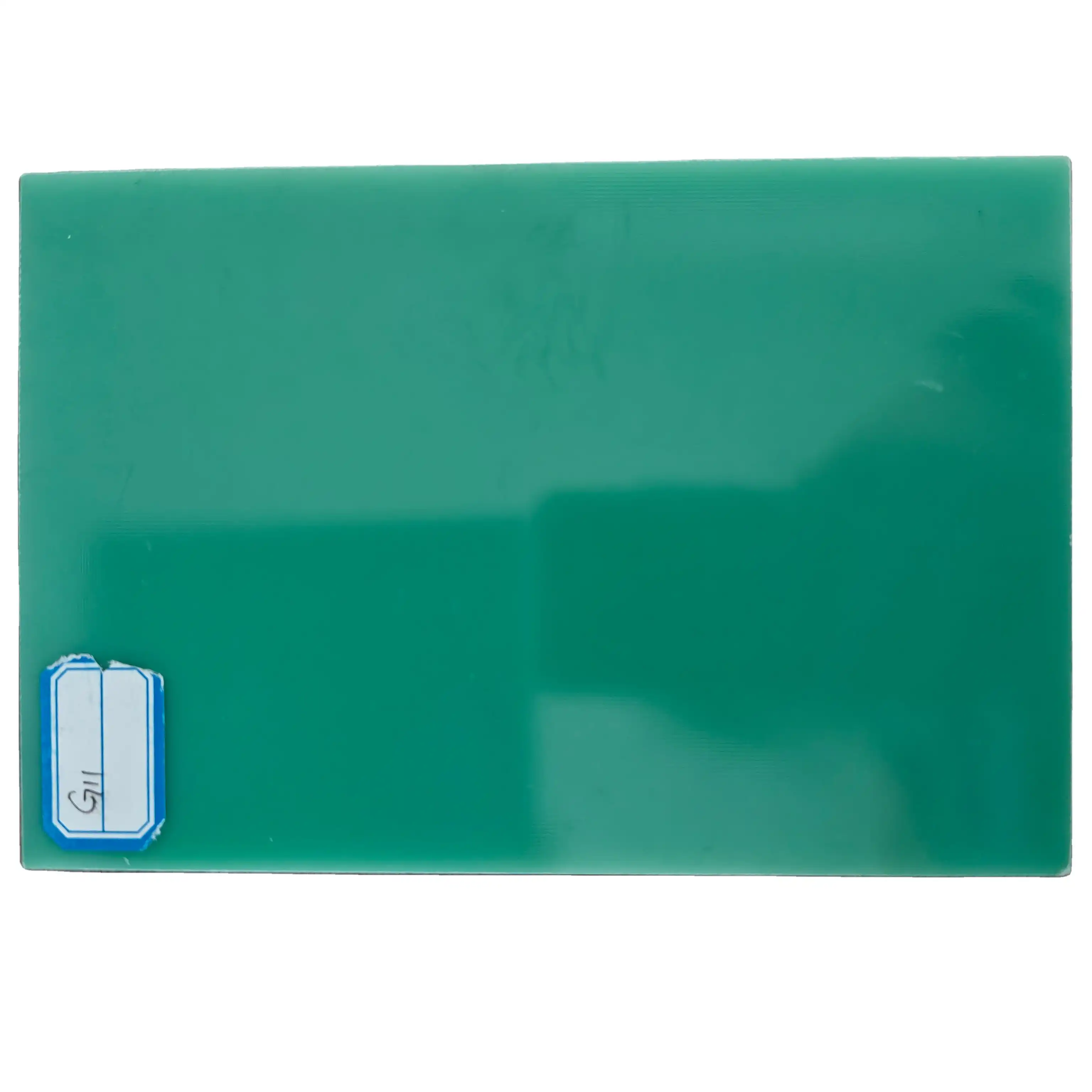
When describing materials, they should be based on well-known rules, like GB/T 1303.1 for 3240-grade epoxy resin sheet or IEC rules for uses around the world. Standardized specs get rid of confusion and make sure that the materials bought meet engineering standards.
Pricing Structure and Customization Options
The price of epoxy resin sheet depends on the quality of the raw materials, how well they are made, and how many orders are placed. The best value is found in standard sheet sizes and thicknesses. Custom sizes, thicknesses, or color needs come with extra costs for molding and setup, which raises the price per unit. Agreements to buy in bulk offer discounts based on quantities and stable prices for ongoing business needs.
Customization lets you get the best results for certain uses. Suppliers that offer custom cutting services send parts in their finished sizes, so you don't have to do any manufacturing work yourself and pay workers to do it. Custom thickness choices let you match exactly to electrical and mechanical needs without defining too much material, which adds weight and cost that aren't needed.
Logistics and Supply Chain Optimization
Sample orders let you check the quality of the material before committing to large numbers for production. Suppliers with a good reputation will send samples with full technical documentation. This lets engineering teams try the products for specific uses and make sure they work with current processes.
How the goods are shipped affects the total cost and time frame of the job. Working with providers that keep goods in key places or offer integrated transportation services makes buying things easier and speeds up delivery. Our in-house logistics services allow us to handle everything from placing an order to delivering it. This makes planning easier and makes sure that materials are available on time for production plans.
Case Studies and Real-World Applications
Real-world performance data shows that choosing the right materials and using them correctly can help electrical equipment makers solve real-world problems.
Transformer Coil Insulation Enhancement
A company that makes power distribution equipment had transformers break down early because the insulation in the coil sections that worked in damp places broke down. When interturn insulation barriers were changed from normal pressboard to epoxy resin sheet, problems with moisture absorption that decreased dielectric strength were solved. The oil protection and structural stability of the material kept the space between the windings the same, which stopped electrical shorts. Over the next production year, both the number of equipment failures and the cost of guarantee claims went down by a large amount.
Motor Housing Structural Insulation
A company that makes industrial motors needed insulation that also supported the structure of small motor housings. Traditional insulation materials weren't strong enough mechanically, so they needed extra support pieces that made the building process more difficult and added weight. By using strong epoxy resin sheet with a tensile strength of more than 340 MPa, the insulation parts could be used as structural elements, getting rid of the need for extra hardware. This simplified design cut down on the time it took to put together, the cost of the parts, and the reliability of the motor by removing more possible failure spots.
Maintenance Strategies for Extended Service Life
Preventive repair makes shielding systems last longer. Visual checks that are done on a regular basis find surface tracking or darkening that shows thermal stress before the insulation fails. Cleaning on a regular basis gets rid of electrical dust and other contaminants that could cause leaks. During routine maintenance, dielectric testing makes sure that the insulation resistance stays within acceptable limits. This lets worn-out parts be replaced before they break down, so that fixes don't have to be done in an emergency.
Controlling the environment inside equipment cases makes the life of the equipment even longer. By keeping the relative humidity below 70%, you can keep insulation surfaces from getting wet. Enough air gets rid of the heat buildup that makes you age faster. When these operating practices are paired with high-quality epoxy resin sheet, transformer and motor uses often have service lives of more than 20 years.
Conclusion
Choosing the right insulation materials has a direct effect on how reliable electrical equipment is, how safe it is to use, and how much it costs over its lifetime. epoxy resin sheet have the best dielectric strength, thermal stability, and mechanical toughness for generator and motor uses that are very tough. When engineers and procurement teams know about the properties of materials, how they should be used, and how to buy them, they can come up with ideas that improve performance while keeping prices low. The known benefits in real-life situations show that choosing the right material stops early failures and increases the useful life of tools, providing measured value throughout the product's lifecycle.
FAQ
What makes epoxy resin sheets different from other materials used to insulate transformers?
epoxy resin sheet have great mechanical properties (flexural strength over 340 MPa) and a high dielectric strength (10-12 KV/mm in oil). These are qualities that standard pressboard or phenolic materials can't match. This makes it possible for the material to act as both electrical protection and structural support at the same time, which makes designs easier and improves stability in tough situations.
To choose the right width for motor insulation, how do I do it?
The choice of thickness is based on the power class and the technical needs. Sheets that are 1 to 3 mm thick are usually used for low-voltage motors under 1kV. Sheets that are proportionally bigger are needed for higher voltage uses. IEC standards have voltage-to-thickness rules that you can look at, or you can work with skilled suppliers who can give you advice based on the design of your motor and how it will be used.
Are there types of epoxy glue that are good for the environment?
More and more modern epoxy recipes use environmentally friendly methods, such as lowering volatile organic compound pollution while they are being made and making it easier to recycle the finished products. Traditional epoxy chemistry makes recycling hard, but makers now offer formulations that make it easier to handle old products. Talk to your sellers about your sustainability goals to find choices that fit with your company's environmental goals.
Partner with J&Q for Your Insulation Material Needs
Technical challenges in transformer and motor manufacturing demand insulation solutions backed by a deep understanding of the materials and dependable supply lines. When it comes to making high-quality epoxy resin sheet designed for electrical uses, J&Q has more than 20 years of knowledge. When we make things, we can precisely customize them by thickness, size, and other factors, so the materials we use will perfectly fit your tools.
We know what engineering managers and technical buyers want because we've been making epoxy resin sheet for a long time and have done a lot of business with other countries. Our combined transportation skills allow us to offer streamlined one-stop service from the initial conversation to the final delivery, which takes away the complexity of the supply chain. You can talk to our expert team at info@jhd-material.com about the specific needs of your application, ask for examples of the material along with full certification paperwork, or look into bulk price options for your production needs. Electrical equipment makers need quality, consistency, and help from us in order to do well in areas that are very competitive.
References
International Electrotechnical Commission. (2019). Specification for Industrial Rigid Laminated Sheets Based on Thermosetting Resins for Electrical Purposes – Part 3: Specifications for Individual Materials. IEC 60893-3-2.
Underwriters Laboratories. (2020). Standard for Polymeric Materials - Industrial Laminates, Filament Wound Tubing, Vulcanized Fiber, and Materials Used in Printed Wiring Boards. UL 746E.
Stone, G.C., Culbert, I., Boulter, E.A., & Dhirani, H. (2014). Electrical Insulation for Rotating Machines: Design, Evaluation, Aging, Testing, and Repair (2nd ed.). IEEE Press.
Sumereder, C. (2018). Statistical lifetime of hydro generators and failure analysis. IEEE Transactions on Dielectrics and Electrical Insulation, 25(8), 3283-3290.
National Standards of the People's Republic of China. (2017). Epoxy Glass Cloth Laminated Sheets and Rods (GB/T 1303.1-2009). Standards Press of China.
Tanaka, T., Montanari, G.C., & Mulhaupt, R. (2017). Polymer nanocomposites as dielectrics and electrical insulation-perspectives for processing technologies, material characterization and future applications. IEEE Transactions on Dielectrics and Electrical Insulation, 11(5), 763-784.