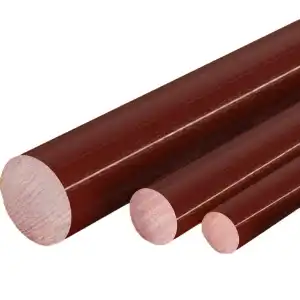
FR4 Board Applications Beyond PCB Manufacturing
2026-05-25 17:30:03
When most people hear the phrase "FR4 board," they quickly think of PCBs. But this hybrid material is very useful for a lot more things in a lot of different businesses. FR4 board is a flame-resistant laminate made of knitted fiberglass cloth and epoxy glue. It has great mechanical strength, electrical insulation, and thermal stability that go beyond just putting together electronics. FR4 board is useful when engineers need stable performance in tough situations. It is used in transformer insulation barriers, precision machining fixtures, automobile heat shields, and industrial gear components.
Understanding FR4 Board Properties & Composition
What Makes FR4 Unique Among Industrial Laminates
FR4 board is an industrial laminate made of continuous filament glass cloth that has been mixed with epoxy resin glue under high pressure. The "FR" label means that the material is flame retardant and meets UL94 V-0 standards. Ten seconds after the fire source is taken away, the material goes out on its own. Because of its natural resistance to fire, this meets important safety standards in many areas.
Core Physical and Chemical Attributes
The qualities of the composite construction are truly amazing. The dimensions of FR4 board stay the same at temperatures ranging from -50°C to 130°C, and high-Tg versions work safely up to 170°C. Its dielectric strength is usually higher than 30 kV/mm, and it doesn't absorb water more than 0.2%, making it much better than paper-phenolic options. The woven fiberglass has a tensile strength of more than 400 MPa, making it a material that is both strong and safe for electrical connections.
Why Engineers Choose FR4 Over Traditional Materials
FR4 board has balanced performance, unlike metals that conduct electricity or regular plastics that break down when heated. The epoxy resin system doesn't react with chemicals, and the glass reinforcement stops problems that happen with temperature growth that happen with pure polymer solutions. This mixture is necessary when structure failure, dielectric breakdown, or dimensional instability could put equipment safety at risk or stop operations.
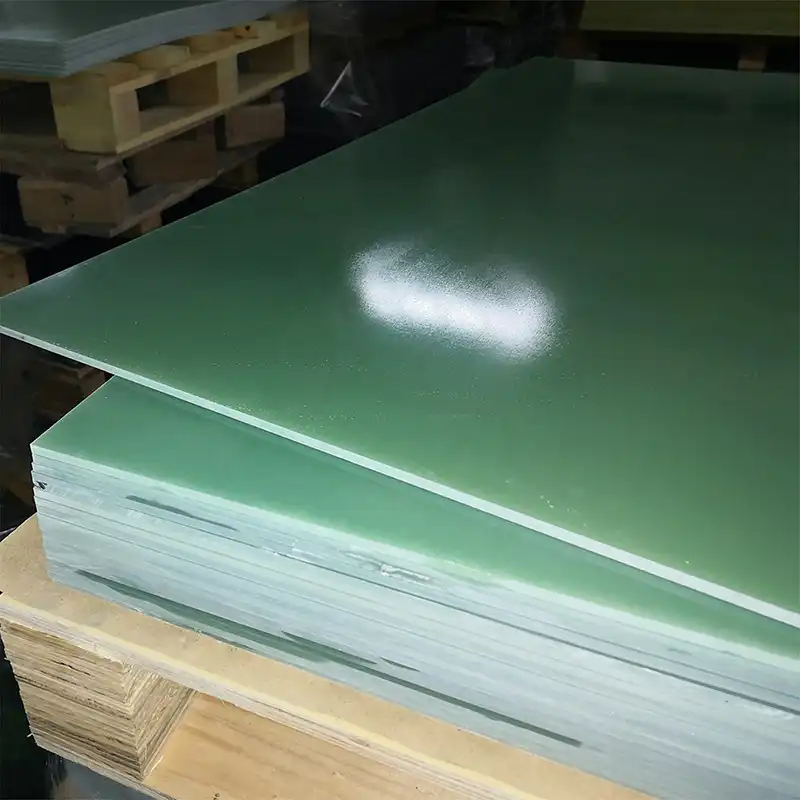
Diverse Industrial Applications of FR4 Boards Beyond PCBs
Learning about how FR4 board is used in different businesses can help procurement teams find ways to make their own processes more efficient. The material is flexible because its width can be changed, it can be machined in a variety of ways, and it has been certified to meet international standards.
Electrical Enclosures and Switchgear Components
FR4 board is used a lot in power distribution systems for things like busbar supports, phase barriers, and arc chutes. During short-circuits, these parts can handle huge electrical forces and keep current from flowing between stages. Manufacturers of electrical equipment like FR4 board because it doesn't crack under long-term voltage stress, unlike ceramics or regular plastics that track carbon paths over time. Because the material can be cut with a CNC machine, it is possible to make complicated shapes that fit specific container designs without changing the dielectric properties.
Transformer and Motor Insulation Systems
FR4 board is also very good at insulating coils, which is another important use. Transformer makers use custom-cut sheets to insulate layers and support structures inside coil systems. The low thermal expansion rate keeps the material from coming loose during heat cycles, and the flame retardancy makes it safer when it's overloaded. FR4 board is also used by companies that make motor parts for slot wedges, phase insulators, and bearing clamps. These are all uses that need to be electrically isolated and last a long time while being vibrated all the time.
Automotive and Transportation Heat Management
The car industry is using FR4 board more and more for battery pack barriers in electric vehicles. These barriers separate cell sections and protect against thermal runaway. Parts makers also make heat-resistant fixtures for assembly lines and insulation pads for electronics in the engine area. R&D teams like that J&Q offers stable batch quality and precise limits, which make sure that performance stays the same across all production levels. The material can handle the high and low temperatures inside an automobile and also meets strict fire safety standards for passengers.
Industrial Machinery Structural Components
Machine builders found that FR4 board works great as mechanical spacers, wear-resistant guides, and homemade gears for uses that don't involve metal. The phenolic-epoxy structure doesn't bend when it's under a lot of stress and is more stable in its shape than nylon or acetal plastics. When OEM buying managers replace traditional materials with properly defined FR4 board grades, service times are longer. This is especially true in places where mechanical stress and electrical dangers are present.
Precision Manufacturing Fixtures and Tooling
FR4 board is used to make test tools, wave solder pallets, and alignment jigs in production settings. The ability to keep its shape even after being heated many times makes sure that parts are placed correctly during automatic assembly processes. Aluminum parts lose their shape quickly when they get hot, and wooden jigs warp when the humidity changes, but FR4 board stays true to its standards over thousands of rounds. Because it is reliable, there is less waste and downtime for testing, which saves money in a way that production engineers can see.
Comparing FR4 with Alternative Materials for Non-PCB Uses
FR4 versus Metal Alternatives
Aluminum and steel are very strong, but they also carry power and are very heavy. FR4 board is about as stiff as steel, but it is only a quarter as dense and doesn't pose any transmission risks. When the right carbide or diamond tools are used, machining FR4 board causes less tool wear than machining harder metals. By looking at costs, we can see that FR4 board is often a better choice when electrical insulation needs metal parts + extra insulation layers.
FR4 versus Specialty Polymers
Polyimide and Rogers laminates work better than FR4 board in situations with temperatures above 200°C, but they cost a lot more to make. Standard industrial plastics, like PEEK, can fight chemicals, but they are not as stable or resistant to fire as FR4 board. Due to its balanced property profile, FR4 board is the best material to use when performance needs are met, which is usually the case for 80% of industrial insulation and structure support uses.
FR4 versus Ceramic and Glass Composites
Ceramics have great insulating qualities, but they are fragile and hard to machine. FR4 board can handle mechanical shocks that would break ceramic parts, but it still lets standard CNC processes make complex shapes. Glass-reinforced materials are as strong as FR4 board, but they don't always resist fire or water as well. The strategic choice of materials relies on weighing the benefits of ease of manufacture and impact strength against the highest temperatures that can be reached.
Procurement Considerations for FR4 Boards Used Beyond PCBs
Supplier Evaluation and Quality Certifications
When making sourcing choices, companies with written quality systems should be given more weight. Along with UL approval and RoHS compliance paperwork, look for ISO 9001 certification. J&Q has strict testing procedures that are used to make sure that all of their production batches meet the standards for dielectric strength, bending qualities, and flame ratings. Our 20 years of experience making things means that the qualities of the materials we use are always the same and meet engineering requirements without the need for extra inspections when they come in.
Customization Capabilities and Lead Times
Standard PCB measurements are rarely used in industrial settings. Look at providers that give unique thicknesses from 0.5 mm to 100 mm, as well as services for precision drilling, cutting, and CNC machining. We do all the manufacturing work, turning raw laminate sheets into parts that are ready to be installed and don't need any extra work. This integration makes buying easier and cuts down on wait times, which is especially helpful when production plans need fast prototyping or just-in-time delivery.
Bulk Ordering Strategies and Logistics
Price benefits can be unlocked by making volume agreements, but the costs of keeping inventory must be weighed against the risks of material supply. Experienced providers, like J&Q, offer a range of flexible buying options that can be used for both long-term contracts and one-time purchases. Our integrated operations, which includes our own transportation network, make sure that deliveries are made on time to all places in North America. This one-stop service approach makes managing the supply chain easier for procurement teams that have to deal with a lot of different providers.
Technical Support and Material Selection Guidance
The best ties with suppliers go beyond just doing business. Partners who understand the needs of the application and suggest the best material types are helpful for engineering managers. We often help customers switch from competing materials to FR4 board or look into it for new uses by giving them property data sheets, machining guides, and help with performance proof. This consultative method lowers the risks of the standard and speeds up the time it takes to qualify.
Optimizing B2B Use of FR4: Practical Recommendations and Future Outlook
Machining Best Practices for Extended Service Life
Due to the glass makeup of FR4 board, the right tools and methods must be used. Carbide or diamond-coated bits keep them from getting dulling quickly, and controlled feed rates keep the risk of delamination to a minimum. Workers are protected from fiberglass particles when they use wet cutting or strong dust extraction. When you handle materials the right way, they keep their properties. For example, keeping sheets flat stops them from twisting, and keeping them away from water for long periods of time keeps their electrical performance high even though absorption rates stay low.
Emerging Material Innovations
High-Tg FR4 board versions can now be used in places where polyimide was needed before, and they can work nonstop at 170°C to 180°C. Halogen-free flame retardant products meet environmental standards without lowering safety standards. These improvements make it possible for FR4 board to be used in areas like aircraft, medical devices, and advanced car systems where other grades were starting to reach their limits.
Market Growth Trajectories
As the number of electric vehicles grows, so does the need for thermal control systems. FR4 board can compete well with more expensive specialty materials in this area. Infrastructure for renewable energy, like solar generators and wind machine controls, needs tested insulation materials that meet strict cost goals. As the use of Industry 4.0 speeds up across all production sectors, FR4 board will be in a good position to benefit from the growing popularity of materials that support precise manufacturing processes.
Conclusion
FR4 board can be used for a lot more than just standard circuit board substrates. They are essential in electrical systems, industrial tools, car parts, and precision manufacturing. It solves a wide range of technical problems thanks to its measured mix of flame resistance, mechanical strength, electrical insulation, and low cost. Knowing about these larger uses helps procurement experts choose the best materials while cutting costs and making things more reliable. As material science improves and industry needs change, FR4 board keeps changing by getting better formulations and better performance envelopes. This will keep it as an important industrial material for decades to come.
FAQ
Can FR4 Board Replace Metal Parts in Load-Bearing Applications?
FR4 board can handle loads greater than 400 MPa, which means it can be used in a lot of different construction situations. The material works best when it is loaded continuously instead of when it is hit something. When electrical separation or weight reduction is important, FR4 board can be used instead of metal brackets, steel spacers, and brass insulators by choosing the right thickness and optimizing the design. While mechanical engineers should compare specific load profiles to material datasheets, many find that FR4 board performs better than expected when the right design concepts are used.
How Does Humidity Affect Long-Term FR4 Performance?
Even after being in high-humidity settings for a long time, water absorption stays below 0.2%. This amazing ability to resist water keeps the dielectric strength and physical stability much better than paper-based laminates or plastics that absorb water. FR4 board is naturally resistant to environmental degradation, which means that electrical equipment used in seaside areas, outdoor sites, or humid manufacturing facilities doesn't need to be maintained as often and parts last longer without protective coatings.
What Thickness Tolerances Can Manufacturers Maintain?
Standard industrial grades keep thickness tolerances to within ±10% for materials less than 3mm thick. For precision-ground sheets, these tolerances get even tighter, down to ±0.1mm. When exact specs are needed, custom machining can get even tighter limits. Reliable sellers include verified thickness measures with shipments of materials, which lets quality control check them before they are used in production.
Partner with J&Q for Your FR4 Board Requirements
When it comes to FR4 board projects, J&Q has more than twenty years of experience making things and ten years of experience trading with other countries. Our wide range of services includes making materials, precise machining, quality certification, and combined transportation. We can help you with all of your supply chain needs in one place. Our technical team works closely with your engineering staff to make sure that the materials you choose and the way they are made are the best they can be. This is true whether you need custom-cut insulation barriers for transformers, precise fixtures for automated assembly, or heat-resistant parts for car uses. With UL and RoHS compliance documents, we keep strict quality standards and make sure that your requirements are always met, no matter how many items are made. We are a reliable FR4 board provider for electrical manufacturers, machinery builders, and car parts makers all over the United States. We know the performance needs and procurement problems your industry faces. Email our team at info@jhd-material.com to talk about your unique needs and find out how our production skills and quick service can help you stay ahead of the competition.
References
Coombs, C.F. (2008). Printed Circuits Handbook, 6th Edition. McGraw-Hill Professional, New York.
Harper, C.A. (2006). Electronic Materials and Processes Handbook, 3rd Edition. McGraw-Hill Education, New York.
Jawaid, M. and Thariq, M. (2018). Sustainable Composites for Aerospace Applications. Woodhead Publishing Series in Composites Science and Engineering.
May, C. (1988). Epoxy Resins: Chemistry and Technology, 2nd Edition. CRC Press, Boca Raton.
Tummala, R.R. (2001). Fundamentals of Microsystems Packaging. McGraw-Hill Professional, New York.
Wypych, G. (2016). Self-Extinguishing Polymers. ChemTec Publishing, Toronto.
 拷贝.webp)
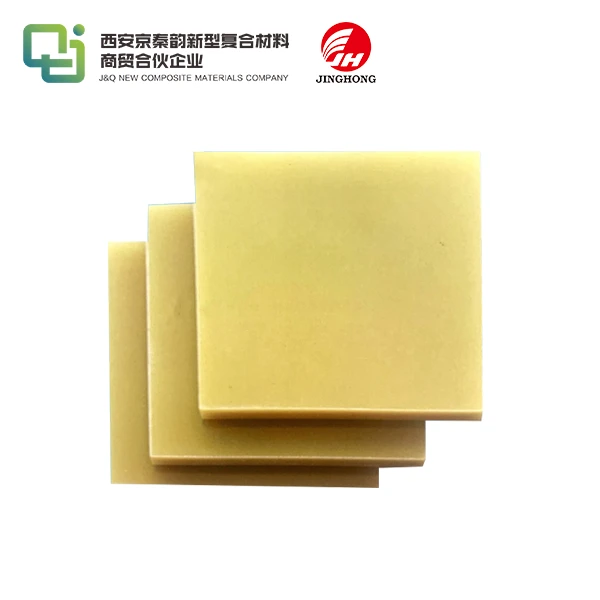
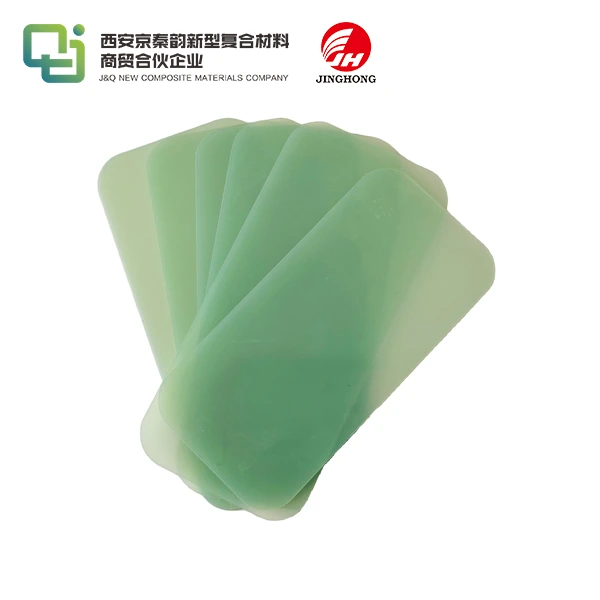
_1740986340093.webp)
_1755583592640.webp)