Low Voltage Applications of Phenolic Paper Board
2026-05-25 17:30:00
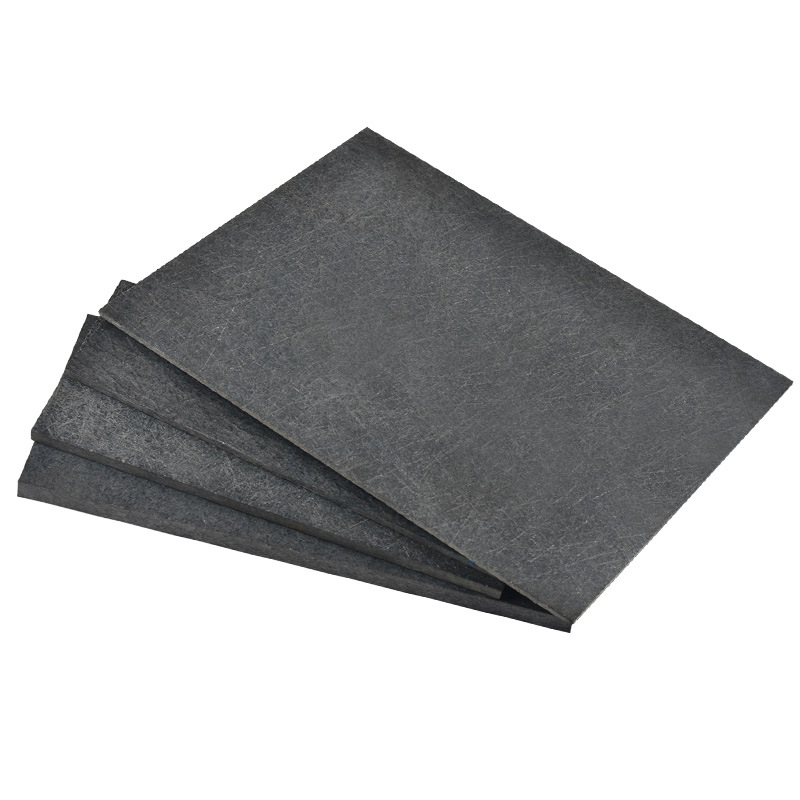
Phenolic paper board is an important electrical protection material that is used in many low-voltage industrial settings. This composite laminate is made by injecting layers of kraft paper with phenolic glue under controlled heat and pressure. It has great dielectric strength and mechanical stability. It is essential for control panels, motor components, switchgear assemblies, and automotive electrical systems where safety and performance come together because it stops electrical arcing, doesn't break down at temperatures up to 120°C, and keeps its shape even when operating conditions change.
Understanding Phenolic Paper Board and Its Core Properties
Manufacturing Process and Material Composition
Phenolic paper board is made in a very specific way that affects how well they work in the end. Before being stacked and compressed at high temperatures and about 1000 psi, premium kraft paper sheets are thoroughly saturated with resin. This controlled drying turns the different layers into a single hybrid structure whose electrical and mechanical properties can be predicted. The final material has a density of 1.30–1.45 g/cm³, making it a strong but lightweight insulation option that machinists can easily work with without needing anything other than carbide tools.
Key Electrical Insulation Properties
When there is low power, phenolic paper board works very well as dielectrics. The dielectric strength meets NEMA Grade XXX standards, which are higher than 500 V/mil during short-time tests. This gives enough safety limits for uses below 600V. This electrical resistance stays the same across normal industrial humidity ranges. However, Grade XXX variants can handle more wetness than Grade X variants. The material's volume resistivity and surface tracking resistance make sure that the insulation stays in place over time, even when it's exposed to conductive dust or other small pollution that is common in factories.
Mechanical and Thermal Characteristics
phenolic paper board can support mechanical loads while still protecting because they have a flexural strength of more than 135 MPa in the long direction. Because it has high compressive strength, the material can be used in structural parts like busbar supports and terminal blocks, where electrical needs put physical stress on the part. IEC standards call the thermal profile Insulation Class E, which means it can work continuously at temperatures of up to 110°C. Beyond this point, carbonization of the paper base hurts both its structural and electrical performance. This is why temperature management is an important part of application design.
Why Choose Phenolic Paper Board for Low Voltage Electrical Insulation?
Advantages Over Traditional Insulating Materials
When engineering teams look at different insulation choices, phenolic paper board stands out because it has unique benefits that solve certain problems in certain situations. Phenolic composites don't soften at normal temperatures like plastic laminates do. They keep their shape and electrical qualities throughout their recommended temperature range. This thermal stability stops the slow breakdown that makes long-term technology less safe. The resin-impregnated structure is better at resisting mineral oils and industrial solvents that are common in machinery settings than plywood or pressed fiber materials.
The advantage of machinability becomes clear when the part is being made. Glass-reinforced epoxy materials like FR-4 need carbide tools and make rough dust that makes tool wear happen faster. phenolic paper board laminates more easily and can handle complicated shapes through CNC cutting, drilling, and hot-punching without coming apart. This improved processing speed directly leads to lower production costs, which is especially helpful when making insulation parts in middling to large quantities, where the longevity of the tools affects the total cost-effectiveness.
Cost-Performance Balance for Industrial Applications
Buying teams are always under pressure to find the best mix between how much materials cost and how reliable they need to be. phenolic paper board is in a good spot between basic pressed fiber materials and high-end glass-epoxy composites. This performance level is good for uses that need dielectric strength and mechanical stability but not resistance to high temperatures or the ability to hold the most mechanical load. The difference in the cost of materials makes it possible to offer affordable prices on finished parts that meet the UL and RoHS standards required by the American and European markets.
The actual value proposition is shown by application in the making of electrical equipment. People who make control panels like that the material can be used as both an electrical barrier and a mounted base. Manufacturers of switchgear use phenolic paper board for arc chutes and phase barriers because they are resistant to flame and have high electrical strength, which stops faults from spreading. These uses prove the material's dependability in machines that have to keep running for years at a time without being able to be accessed for upkeep.
Practical Applications of Phenolic Paper Board in Low Voltage Equipment
Electrical Control Systems and Switchgear
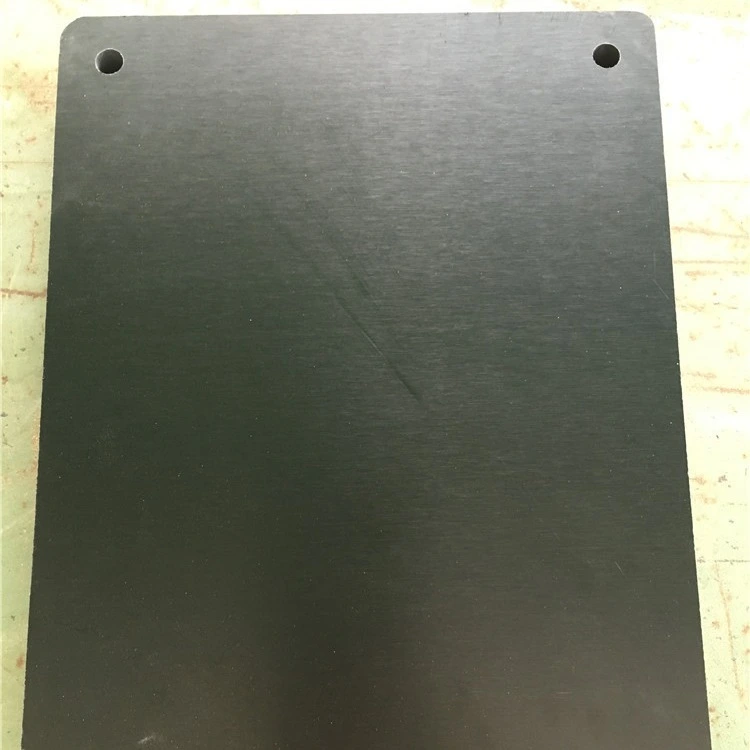
For low voltage control panels to work, they need solid insulation walls that keep live wires apart and provide mounting points. Phenolic paper board meets both of these needs because it is both dielectrically strong and structurally stiff. These laminates are often used in terminal blocks, relay mounting panels, and contactor bases to keep the right electrical space during normal operation and fault situations. The material stops spark tracking, which could make electrical paths across insulating surfaces. This is an important safety factor in industrial control settings.
Phenolic shielding is used for many different purposes in switchgear systems that work below 600V. When the circuit is interrupted, arc chutes route and cool ionized gas. This needs materials that can handle temperature stress without turning into conductive carbonization. Phase barriers stop faults from spreading between nearby circuits, which requires the dielectric to work the same way across the whole width of the material. Supports for busbars keep the bars in place mechanically while electrically separating live wires from grounded surrounds. These uses take advantage of the fact that phenolic paper board can meet electrical, heat, and mechanical needs all at the same time in small equipment designs.
Automotive and Transportation Industry Uses
As more cars use electric powertrains, the automobile industry needs more and more electrical insulation options that can keep up. Insulation barriers must be put between each cell and the car frame, as well as between cell units. Thermal separation is achieved by phenolic paper board, which stops heat transfer while keeping electrical insulation between parts with different potential levels. The material's ability to resist battery liquids and car fluids makes it reliable in places where chemicals are present for a long time.
In many parts of a car, motor and actuator combinations use phenolic paper board for coil separation, terminal blocks, and mounting frames. These parts have to keep working even when they are vibrating, the temperature changes, and they are sometimes exposed to fluids from cars. phenolic paper board has mechanical qualities that allow them to be put together using press-fitting and mechanical fastening without breaking or delaminating. When it comes to cars, cost is still the most important thing to think about because the choice of material has a direct effect on the business of making thousands of cars every day.
PCB Manufacturing Support Applications
Even though most current printed circuit boards are made with glass-reinforced epoxy laminates, phenolic paper board is still very important to the process of making PCBs. When digging, backup boards are put under the circuit panels to protect the tools and make sure the hole exits cleanly. The uniform structure of the material stops the drill bit from twisting, which would otherwise make it harder to accurately place holes. Paper-based types are the best because they have the right amount of hardness—they are soft enough to keep drills from wearing down but firm enough to support accurate drilling without tearing the material.
Entry material uses help the drill bit go through the first layer of material when backup boards are used. This stops the drill from wandering and stops copper burrs from forming on the circuit layer. Fabrication plants that make thousands of panels every week know that the drilling supplies they use have a direct effect on how well they make things and how well they do their quality checks. The performance of phenolic paper board stays the same over long production runs, which helps keep the process stable in high-volume industrial settings.
Selecting the Right Phenolic Paper Board for Your Low Voltage Needs
Understanding Grade Specifications and Standards
NEMA and IEC standards describe phenolic paper board properties by giving it grades that show how well it performs. NEMA Grade X includes versions that are more focused on mechanical properties and have less plastic, putting machinability and cost-effectiveness first. Its electrical and mechanical qualities are matched, making grade XX good for general electrical uses. Grade XXX has the highest amount of resin, which makes it better at resisting wetness and having high insulating strength for harsh electrical conditions. The IEC codes PF CP 201 and PF CP 202 are the same as international purchasing standards. This makes it easier for specifications to be the same all over the world's supply lines.
Choosing the right thickness has a direct effect on both electrical and mechanical performance. Thinner sheets, between 0.5 mm and 3 mm thick, are good for situations where small shapes need to be strong enough to keep conductors apart when the potential difference is low. Different thicknesses, ranging from 5 mm to 25 mm, give structural strength to load-bearing supports and strong mechanical parts. When parts need to fit together with precision-machined pieces, tolerance standards become very important. Thickness tolerances are kept within ±0.1mm for sheets less than 5mm and ±0.2mm for bigger sheets by good sources. This makes sure that the pieces always fit together correctly.
Supplier Evaluation and Quality Assurance
Buying choices include more than just the specs of the materials; they also include the skills and dependability of the suppliers. Manufacturing consistency checks to see if each new batch of parts has the same performance traits. This is very important when deciding if a part can be used in long-term machine production. Buyers can make sure that a product meets regulatory requirements before committing to large purchases by looking at certification documents that include UL recognition, RoHS compliance verification, and material makeup declarations.
Custom manufacturing sets providers that work with industry markets apart. A lot of uses need parts that are already cut out, features that are precisely made, or certain surface processes. When suppliers offer CNC machining, hot-punching, and precision cutting services, they make buying easier because they send finished parts instead of raw sheet stock. This unified method cuts down on wait times, lowers the amount of inventory needed, and gives manufacturing knowledge to specialized processors who keep tooling and quality processes running at their best.
Installation, Handling, and Maintenance Tips for Low Voltage Applications
Fabrication and Assembly Best Practices
Using the right cutting methods will get the most out of phenolic paper board while keeping costs down. Cutting tools with carbide or diamond tips keep their sharp edges over many production runs. This is especially important when electrical gaps depend on accurate measurements. Cutting speeds need to be tweaked—too fast of a speed makes heat that softens resin, and too slow of a speed tears fibers and makes edges rough. Phenolic particulate, which affects the lungs and builds up on the surfaces of precise machinery, is kept away from both workers and equipment by dust extraction systems.
When hot-punching, the flexible properties of phenolic resin near its glass transition temperature are used to their fullest. Tooling that has been heated to 150–180°C first weakens the resin matrix enough to let clean material flow around the edges of the punch. This method makes exact holes and shaped cuts without the chance of delamination that comes with mechanical punching at room temperature. Die clearances need to be carefully managed—too much clearance leads to rough edges, and not enough clearance causes too much punch force and early tool wear.
Long-Term Performance and Maintenance Considerations
When properly designed and installed, phenolic paper board insulation doesn't need much upkeep. Visual inspections done on a regular basis can find surface tracking, carbonization, or physical damage that could weaken the electrical integrity. Equipment that works in dirty places should be cleaned on a regular basis with the right chemicals, which get rid of conductive layers without harming the phenolic resin matrix. Isopropyl alcohol and light detergent solutions work well, but you should stay away from strong chemicals that could soften or swell the material.
Environmental factors have a big effect on service life. Long-term exposure to humidity levels above 70% RH raises the amount of water in phenolic paper board, which weakens their ability to conduct electricity and keep their shape. When working in places with a lot of humidity, equipment should be made with air or weather controls in mind. Keeping an eye on the temperature stops thermal aging, which turns paper strands into carbon and lowers their electrical qualities. Making sure that the real working temperatures stay within the rated limits keeps safety margins high and extends the service life of parts over years or decades of use.
Conclusion
Paper-based phenolic paper board has been shown to work well in a wide range of low voltage electrical uses that need solid insulation, low cost, and good mechanical performance. The material meets the needs of control screens, switchgear, car systems, and industrial fixtures by having a good dielectric strength, being stable at temperatures up to 120°C, and being easy to machine. When buying teams know about grade specs, the right way to choose materials, and the best ways to make things, they can find the cheapest parts while still meeting strict safety and performance standards. As electrical systems continue to move toward smaller, more efficient designs, phenolic paper board will still be useful because it has a reasonable set of properties and is easy to get.
FAQ
Can phenolic paper board replace FR-4 in all electrical applications?
Material replacement is based on the needs of the product. Compared to phenolic paper board, which can only handle 120°C, FR-4 glass-epoxy laminates are stronger mechanically and can work at higher temperatures (130°C+). Paper-based phenolic materials, on the other hand, work well enough in low-frequency, non-structural electrical uses and are much cheaper. The choice of material depends on finding the right balance between performance needs and cost factors in each application.
How does humidity affect phenolic paper board performance?
The main environmental risk that paper-based laminates face is that they soak up water. The kraft paper base naturally soaks up water from the air, and the rate of absorption speeds up when the relative humidity (RH) is above 60%. This moisture lowers the dielectric strength and can change the size of things, which can lead to bending if they are exposed in different ways. Higher resin content in NEMA Grade XXX standards makes them more resistant to wetness, which makes them better for humid work areas or outdoor uses that need weather protection.
What kinds of tools do you need to machine phenolic laminates?
When it comes to mass machining, carbide-tipped cutting tools offer the best mix between tool life and edge quality. When making prototypes or small amounts of products, high-speed steel tools works well. Because the phenolic glue makes gritty dust that speeds up tool wear, carbide is a cost-effective material for mass production. Dust filtration systems are necessary for both the safety of the operators and the cleanliness of the work area so that particles don't build up on the equipment.
Partner with J&Q for Reliable Phenolic Paper Board Solutions
With more than 20 years of experience making high-quality electrical insulation materials, J&Q combines production know-how with full customer help throughout the buying process. Our phenolic paper board supplier can provide all grade levels from NEMA X to XXX standards. We can also provide UL recognition and RoHS compliance documents to support your regulatory needs. Custom machining services give you precisely cut parts that are already put together when they come. This cuts down on your internal processing costs and speeds up production plans.
Our specialized shipping section and integrated logistics make sure that you always get what you need, whether you need a few prototypes or a whole batch of products. If you email info@jhd-material.com to talk to the technical teams directly, you'll be put in touch with application engineers who know how to build electrical tools and choose the right materials. Visit jhd-material.com to see our full selection of insulation materials and experience the helpful service that has been proven by customer relationships that last ten years.
References
National Electrical Manufacturers Association. (2019). NEMA Standards Publication LI 1-1998 (R2019): Industrial Laminated Thermosetting Products. Rosslyn, VA: NEMA.
International Electrotechnical Commission. (2016). IEC 60893-3-1: Specifications for Industrial Rigid Laminated Sheets Based on Thermosetting Resins for Electrical Purposes - Part 3-1: Specifications for Individual Materials - Types of Phenolic Cellulose Paper Laminates. Geneva: IEC.
American Society for Testing and Materials. (2020). ASTM D709-15: Standard Specification for Laminated Thermosetting Materials. West Conshohocken, PA: ASTM International.
Chapman, A. J., & Walker, T. R. (2018). Electrical Insulation Materials: Properties and Performance in Industrial Applications. Boston: Industrial Press.
Kumar, S., & Martinez, D. L. (2021). "Comparative Analysis of Paper-Based and Glass-Reinforced Phenolic Laminates in Switchgear Applications." Journal of Electrical Insulation Engineering, 45(3), 112-128.
Reynolds, P. M. (2017). Materials Selection for Electrical and Electronic Applications: Engineering Guide to Insulators and Conductors. New York: Technical Publishing Group.