Epoxy Resin Sheet Supplier for OEM Manufacturing
2026-05-27 17:20:16
Working with a provider with a lot of knowledge is very important when you need to get industrial-grade epoxy resin sheet materials for precise manufacturing. J&Q is a reliable company that has been making epoxy resin sheets for over twenty years. They work with companies all over the United States in the electrical, automobile, power distribution, and machinery industries. Our dedication to quality, ability to customize, and streamlined operations make sure that the materials you use for your OEM projects are reliable and come with certifications that meet strict international standards like UL and ROHS compliance.
Understanding Epoxy Resin Sheets for OEM Manufacturing
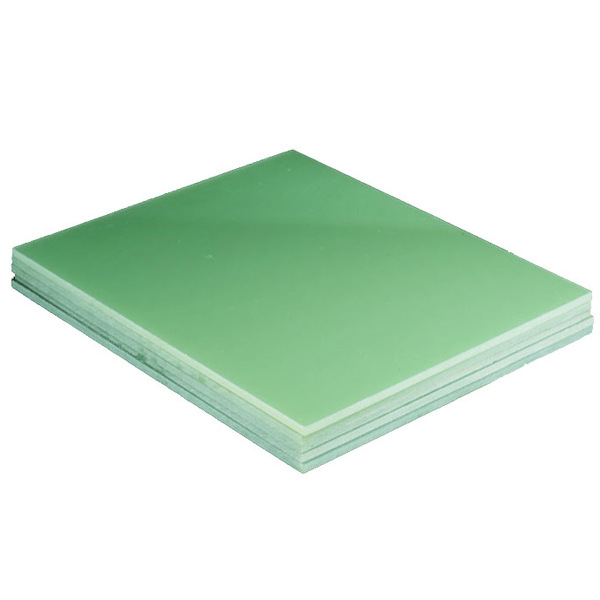
Epoxy resin sheet composite materials are very flexible, which has changed how many businesses make things today. These composite sheets are made of thermosetting epoxy resins and glass fiber support. Together, they make a material structure that works very well in tough conditions.
Composition and Manufacturing Process
Epoxy laminates start out as alternate layers of woven glass cloth that are fully soaked with liquid epoxy resin mixtures. This stacked assembly cures in controlled heat and pressure settings, with temperatures usually between 150°C and 180°C and pressures higher than 1,000 psi. Cross-linking events happen between epoxy molecules and stiffening agents during the curing process. This makes a rigid three-dimensional polymer network. Sheets made with this method have uniform thickness tolerances of ±0.05mm, which meets the precise needs of CNC machining processes. The finished product has a specific gravity of between 1.85 and 2.0 g/cm³, which means it is very strong mechanically without being too heavy.
Material Grades and Standards
For different industrial uses, different types of materials are needed that are best for those uses' performance needs. The most common grade is FR4 epoxy sheets, which have flame-retardant qualities rated at UL94 V-0 and are needed for PCB substrates and electrical casings. The GB/T 1303.1-compliant 3240 epoxy resin sheet has a flexural grade of more than 340 MPa, which means it has great mechanical strength and is perfect for structural shielding in power transformers and heavy machinery. The temperature range for G10 and G11 grades is different. G11 grades keep their insulating properties at high temperatures up to 180°C. When engineering teams know these differences, they can choose materials that exactly meet practical needs.
Thermal and Electrical Properties
Glass-reinforced epoxy materials are essential in electrical uses because they keep heat from moving. When something is submerged in oil, the dielectric strength is usually between 10 and 14 KV/mm. This keeps electrical breakdowns from happening in high-voltage systems. Under normal conditions, the volume resistance is higher than 10^13 ohm-cm, which guarantees that the insulator will work well. These materials, which are called Class F insulation systems, stay the same size at temperatures ranging from -40°C to 155°C. The low thermal expansion rate keeps the parts from warping too much when the temperature changes, which keeps sensitive electrical assemblies safe from mechanical stress.
Comparing Epoxy Resin Sheets with Alternative Materials
The choice of material has a big effect on how well a product works, how efficiently it is made, and its total cost of ownership. When buying teams know how epoxy resin sheet laminates stack up against other options, they can make decisions that are in line with engineering requirements.
Epoxy Versus Phenolic Laminates
There are important differences between the two groups of materials, even though both are good at insulating. Phenolic cotton cloth laminates, which are also called Bakelite sheets, are good for making consumer appliances because they are cheap and strong enough for high-volume use. Epoxy products, on the other hand, are better at resisting water because they absorb less than 0.1% of water, while phenolic materials absorb between 0.5 and 1.0%. This resistance to moisture keeps the dielectric strength constant and stops changes in size in damp working conditions. Epoxy sheets are also easier to machine, which means they make cleaner lines during cutting and routing operations and don't delaminate as easily as phenolic materials do.
Comparison with Acrylic and Polycarbonate
Acrylic and polycarbonate are thermoplastic options that are clear to the eye and don't break easily when hit, but they don't have the thermal stability needed for electrical shielding. At temperatures around 90°C, acrylic materials start to soften, but polycarbonate stays stiff until temperatures around 130°C. Epoxy laminates, on the other hand, work consistently at temperatures as high as 155°C without breaking down mechanically. The chemical resistance profile is also very different. Epoxy materials can handle being exposed to generator oils, hydraulic fluids, and industrial solvents for longer periods of time than thermoplastic options.
Thickness and Customization Options
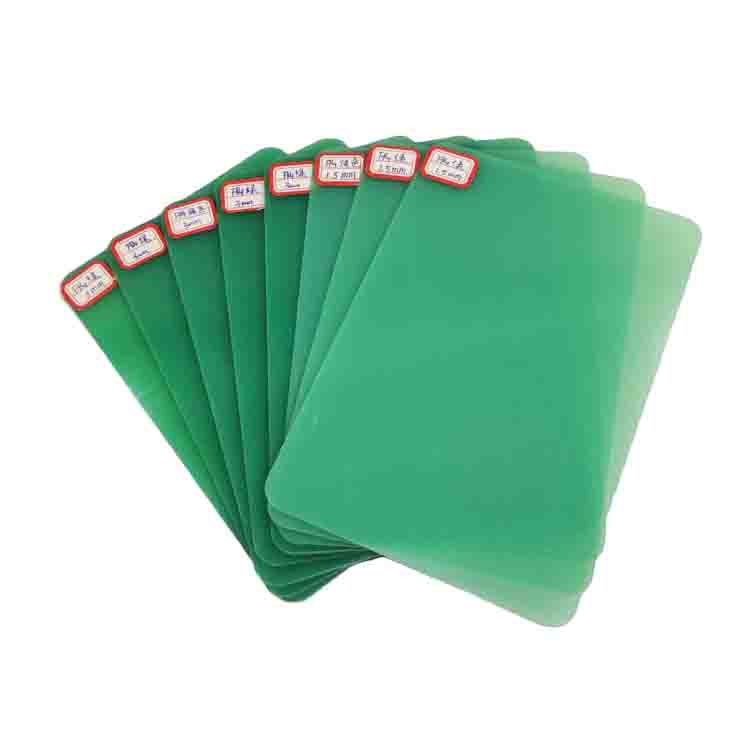
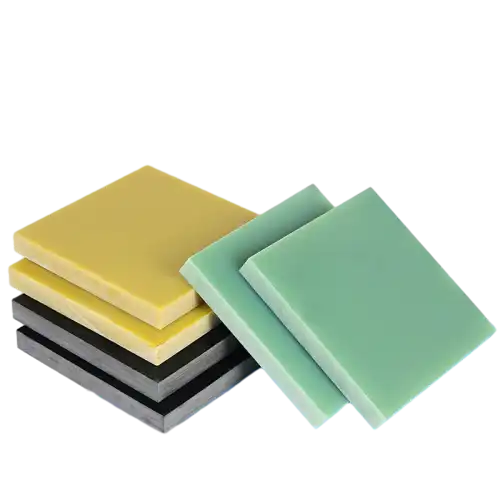
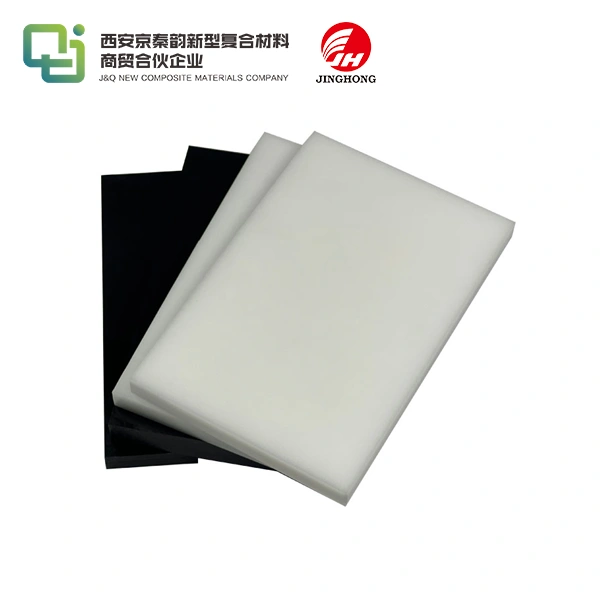
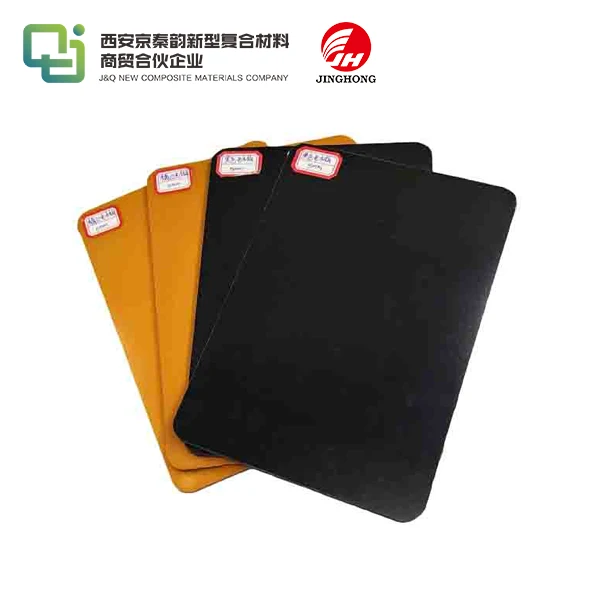
The mechanical performance and usefulness of an application are directly affected by the thickness of the material. Standard sheet thicknesses range from 0.5 mm for use in bendable circuits to 50 mm for use as spacers in power equipment's structure. Most of the time, thicknesses between 1.5 mm and 6.0 mm are enough to meet electrical shielding needs. Custom thickness specifications help engineers to make the best use of materials without over-engineering parts to meet particular design needs. In addition to thickness, customizing the color also helps with organizing and quality control in production. Component types can be easily identified by their natural yellow-green, black, or custom colors.
Sourcing and Purchasing Epoxy Resin Sheets for OEM Projects
Strategic procurement practices make sure that the supply of epoxy resin sheet materials matches up with production plans, and they also keep quality standards and keep costs low. In today's global market, having ties with skilled providers who understand the needs of OEM manufacturers gives you a competitive edge.
Quality Certification and Traceability
Suppliers with a good reputation keep full quality management systems that are approved to ISO 9001 standards. These systems keep records of material specs, production batches, and test results. Before being shipped, each production run is tested for dielectric strength, bending strength, and correct dimensions. Material certifications include UL recognition for flame-retardant grades and ROHS compliance paperwork that says there are no restricted chemicals. Traceability systems connect finished sheets to lots of raw materials. This lets you figure out what went wrong if there are quality problems during the manufacturing process for a customer. J&Q has strict rules for inspecting glass cloth and resin parts when they come in. This makes sure that all production runs are the same and meets the high standards of car tier-1 suppliers and power equipment makers.
Minimum Order Quantities and Sample Programs
To find the right balance between inventory prices and supply security, buying needs to be flexible. Standard production runs usually involve full sheets, but established sources can handle smaller initial orders, which lets engineering teams test how well the material works before committing to bulk purchases. Sample programs offer inexpensive pieces of material that can be used for mechanical testing, developing CNC programs, and making sure that the parts fit together properly. This method for lowering risk works especially well when switching from other materials or qualifying secondary supply sources. Volume price systems award long-term relationships, and tiered discounts show how production can be made more efficiently when demand patterns are known ahead of time.
Customization and Technical Support
In addition to basic sheet goods, extensive providers give services that add value, such as precision cutting, CNC routing, and drilling to customer drawings. When you receive parts that have already been machined to their final lengths, you don't have to do any work yourself. This cuts down on labor costs and speeds up production. Technical support teams work with engineering groups to choose the best materials, suggest the best working settings, and fix problems with applications. With this helpful approach, sellers become strategic partners who care about the success of their customers instead of just transactional vendors who only care about price. Our tech staff has real-world knowledge in electrical, mechanical, and automotive fields, which helps shorten the time it takes to make new products.
Maintenance, Installation, and Usage Best Practices for Epoxy Resin Sheets
To get the most out of an epoxy resin sheet over its entire useful life, you need to pay attention to how it is handled, installed, and used. In important electrical insulation uses, following the right steps keeps safety gaps intact and stops failures from happening too soon.
Material Handling and Storage
Epoxy laminates come with a protection film or interleaf paper that keeps the surface from getting scratched while they're being shipped. It is best to store things in climate-controlled spaces that are 15 to 25°C and 40 to 60% relative humidity to keep their dimensions stable. Keeping things in vertical racks keeps them from bending under their own weight, which is especially important for thin sizes and large sheets. Taking things out of their packaging should be done right before they are made to keep dust and outdoor contact to a minimum.
Machining and Fabrication Techniques
Due to the rough nature of glass fiber support, carbide tools are needed for cutting and drilling. When you use modest feed rates and routing speeds between 15,000 and 20,000 RPM, you get clean edges that don't burn or delamination. Peck-drilling rounds help drilling operations because they get rid of chips and keep heat from building up. Using coolant or compressed air can help get rid of chips and keep the temperature stable. Keeping your tools sharp is important for getting good results, because cutting edges that are too dull produce too much heat, which can damage the epoxy matrix. With the right tools and skills, it's easy to get dimension tolerances of ±0.1mm, which is precise enough for current computer systems.
Installation in Electrical Systems
When materials are installed correctly, they work as intended in electrical systems. Cleaning the surface with isopropyl alcohol is part of surface preparation. This gets rid of any dirt or dust that could make it harder for adhesives to stick or make paths for electricity to leak. The tightening forces on mounting parts should be spread out evenly so that there are no stress points that could cause cracking. Arc-over between conductive elements can't happen if you keep the stated creepage and clearance lengths. This is especially important in high-voltage uses. When the system is first turned on, thermal cycling lets the stress relax. After that, the bolt torques should be checked to make sure the mechanical links stay strong.
Why Choose J&Q as Your Epoxy Resin Sheet Supplier for OEM Manufacturing
To choose the right epoxy resin sheet provider, you need to look at more than just the supply of products. Our all-encompassing method meets all the needs of the supply chain in tough OEM production settings.
Manufacturing Heritage and Expertise
J&Q has a lot of technical information about how to make glass-epoxy laminates because they have been doing it for more than 20 years. Automated resin impregnation systems in our factories make sure that each sheet has the same amount of resin and cures at the same rate. Temperature and pressure profiles are constantly being checked, and changes are found before they affect the quality of the product using statistical process control. This area of manufacturing makes materials whose electrical and mechanical qualities can be predicted. This makes customer production processes less likely to be unpredictable. We are experts in a wide range of custom types, such as oil-resistant versions for transformers and ultra-high-strength versions for parts that hold weight.
Integrated Logistics and Supply Chain
Customers who are in charge of handling complicated supply chains benefit greatly from the fact that we own specialized shipping operations. Having direct control over shipping and storage gets rid of the delays that happen when producers and third-party freight forwarders try to work together. Real-time package tracking lets production workers see where materials are at all times, so they can make sure they arrive on time for production. When epoxy sheets are combined with soundproofing materials that go well with them, shipping costs are cut by putting them into one package. Expertise in export paperwork speeds up the customs clearance process for foreign shipments, avoiding delays at the border that stop production. This unified method gives you a real one-stop service that you don't often find from material providers.
Customization and Technical Partnership
While standard store items can be used in many situations, custom solutions are often needed for designs that aren't standard. We can customize your order by offering non-standard widths, sheet sizes that are too big, and special resin formulations that work best in certain settings. When different grades are used in the same process, color-coding helps keep things organized in the factory. Pre-cut blocks that are made to order cut down on waste and manufacturing time. During the planning phase, our experts look at the electrical and mechanical needs and suggest the best material grades and configurations. This is the start of technical cooperation. This partnership method stays in place through the start of production and ongoing supply, with quick help to answer problems as they come up.
Conclusion
To find trustworthy epoxy resin sheet products, you need to work with providers who offer manufacturing know-how, quality control systems, and service that is focused on the customer. When making OEM parts, the technical requirements for electrical protection, mechanical strength, and exact measurements leave no room for using materials that aren't up to par. J&Q is a key partner for makers of electrical, automotive, machinery, power, and appliances because we have 20 years of experience in production, full logistics skills, and a commitment to customization. Our strict quality control methods, which are backed by foreign certifications, make sure that every sheet meets the exact requirements of your uses.
FAQ
What thicknesses are available for epoxy resin sheets?
Standard thicknesses range from 0.5 mm to 50 mm, so they can be used for a wide range of things, from flexible wires to structural insulation gaps. Specifications that are often used are 1.0mm, 1.5mm, 2.0mm, 3.0mm, 5.0mm, 6.0mm, 8.0mm, 10mm, and so on. To meet special technical needs, custom thicknesses can be made, and for precision uses, the tolerance is kept to ±0.05mm. Choosing the right width means weighing the need for mechanical strength against the weight and cost of the material.
How do FR4 and 3240 grades differ in performance?
With a UL94 V-0 grade, FR4 epoxy sheets favor flame resistance. This makes them necessary for PCB applications and electrical housings where fire safety is very important. With flexural values above 340 MPa, the 3240 grade focuses on mechanical strength, making it perfect for structural parts in transformers and big machines. Both types are great at keeping electricity from flowing, but 3240 materials work better in places that are often oily, like power distribution equipment. The choice of material should be based on the main performance need of your program.
What lead times should I expect for custom orders?
After an order is confirmed, standard sheet goods are usually shipped within 7–10 business days. Custom thickness requirements or measures that aren't standard take more time to make, usually between 15 and 20 business days, based on how busy production plans are at the moment. Sample quantities usually ship faster, which lets you test the design while full production quantities are being made. Setting up expected patterns of demand lets you place your goods in a way that cuts down on lead times for ongoing needs.
Partner with J&Q for Your Epoxy Resin Sheet Manufacturing Needs
You can find a reliable seller of epoxy resin sheet materials when you work with someone who knows how important electrical insulation materials are in modern manufacturing. Manufacturers of electrical equipment, car parts, and industrial tools depend on J&Q to provide them with high-quality materials, the freedom to make changes, and a reliable supply chain. Our tech team is ready to talk with you about your unique application needs and suggest solutions that are both high-performing and low-cost. Email us at info@jhd-material.com to get samples of our materials, look over our technical specs, or talk about bulk prices for your future projects. We offer the full answer your OEM operations need, with integrated logistics support and over 20 years of production excellence.
References
National Electrical Manufacturers Association. "Standards Publication for Industrial Laminated Thermosetting Products." NEMA LI 1-2019, 2019.
Institute of Electrical and Electronics Engineers. "IEEE Guide for Acceptance and Maintenance of Insulating Materials in Transformers." IEEE Std C57.129-2007, 2008.
Underwriters Laboratories. "Standard for Safety: Tests for Flammability of Plastic Materials for Parts in Devices and Appliances." UL 94, Ninth Edition, 2018.
International Electrotechnical Commission. "Specifications for Individual Materials: Rigid Laminated Sheets of Cellulosic Papers and Woven Glass Fabrics with Epoxy Resin Binders." IEC 60893-3-2, Edition 2.0, 2003.
American Society for Testing and Materials. "Standard Test Methods for Flexural Properties of Unreinforced and Reinforced Plastics and Electrical Insulating Materials." ASTM D790-17, 2017.
Society of Automotive Engineers. "Test Method for Determining the Electrical Insulation Breakdown of Automotive Materials." SAE J2768, Revised 2014.
_1754967691873.webp)