Epoxy Sheet Delivers Strong Insulation for Electrical Manufacturing
2026-08-25 17:31:14
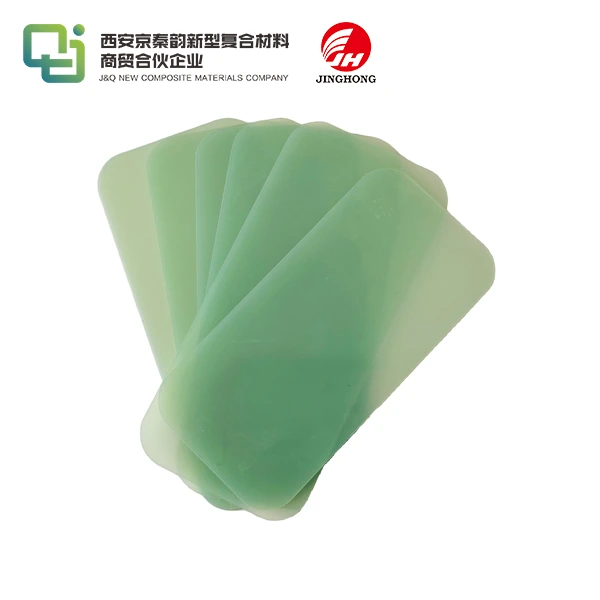
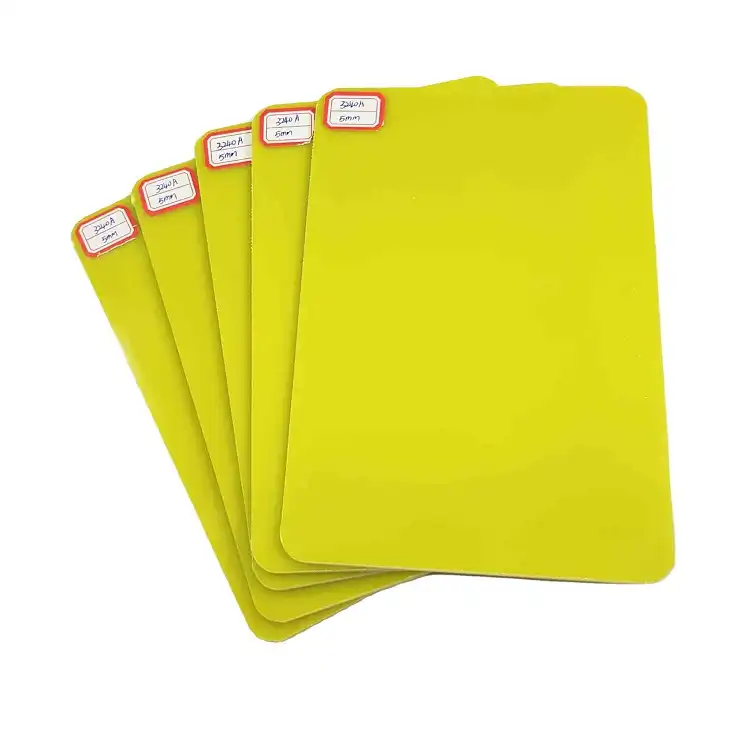
When electrical manufacturing demands fail-safe insulation performance, engineers turn to high-quality epoxy laminate materials that combine exceptional dielectric strength with mechanical durability. Epoxy Sheet stands as the industry benchmark for applications requiring thermal stability, dimensional precision, and reliable electrical isolation under challenging operating conditions. From PCB substrates to high-voltage busbar supports, these thermosetting composite materials address critical pain points including voltage breakdown, thermal deformation, and moisture penetration that compromise equipment reliability and worker safety.
Understanding Epoxy Sheets in Electrical Manufacturing
What Defines an Epoxy Laminate Material?
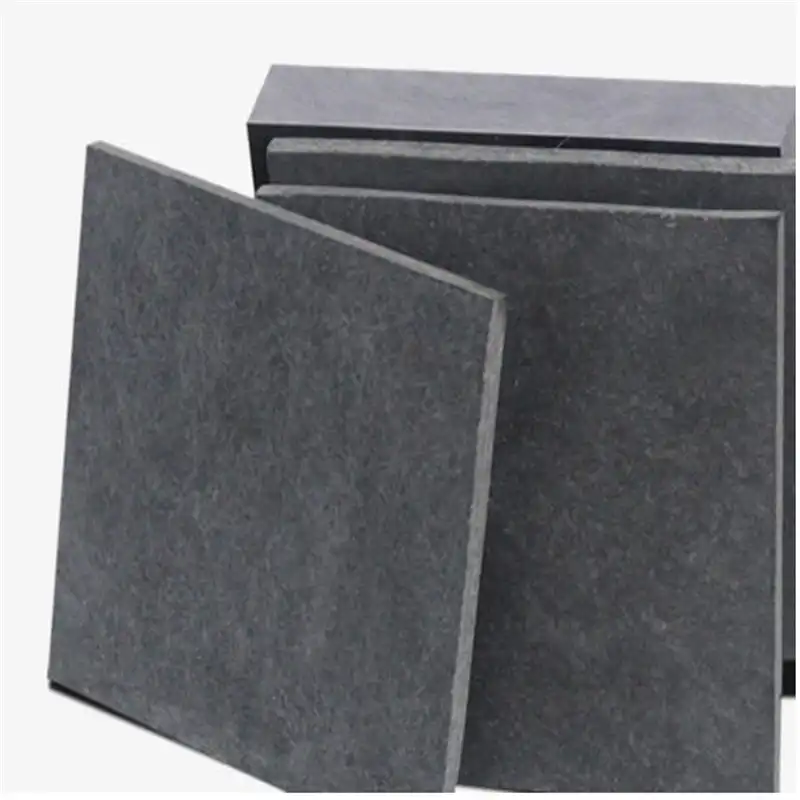
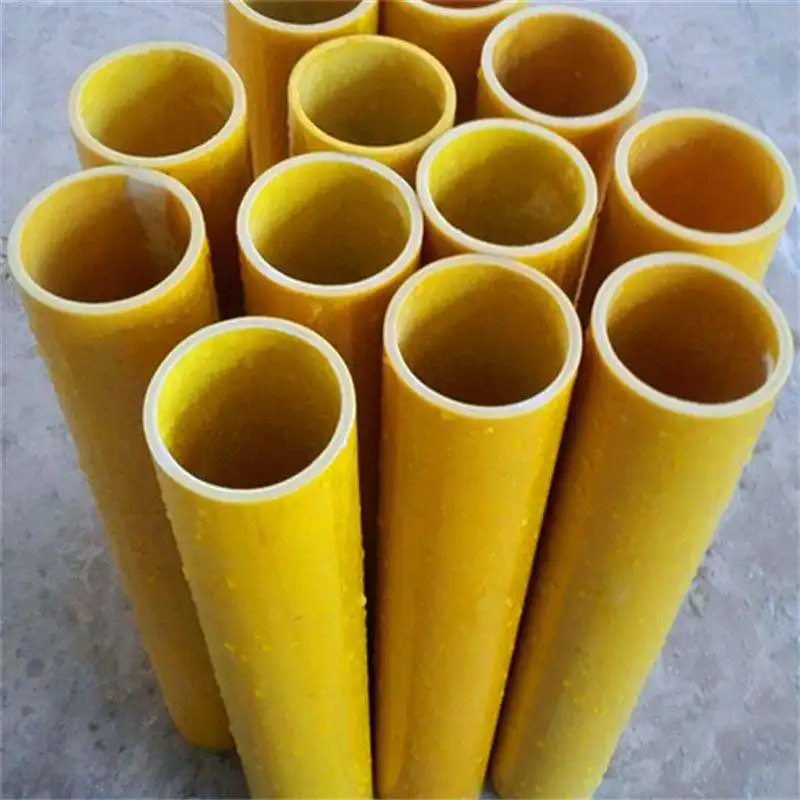
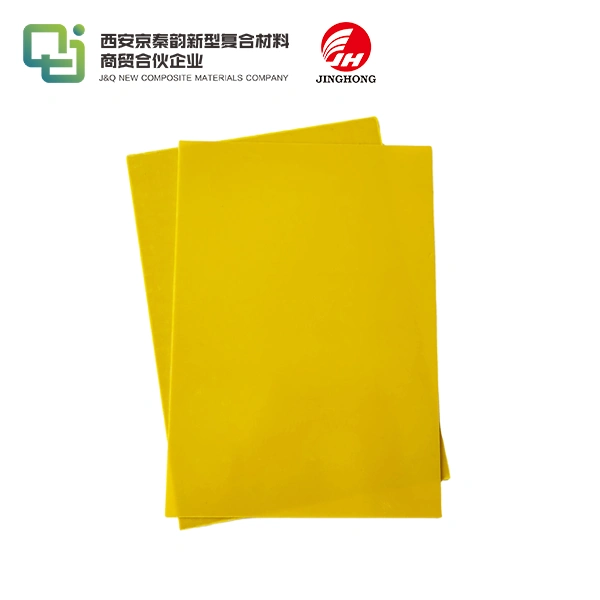
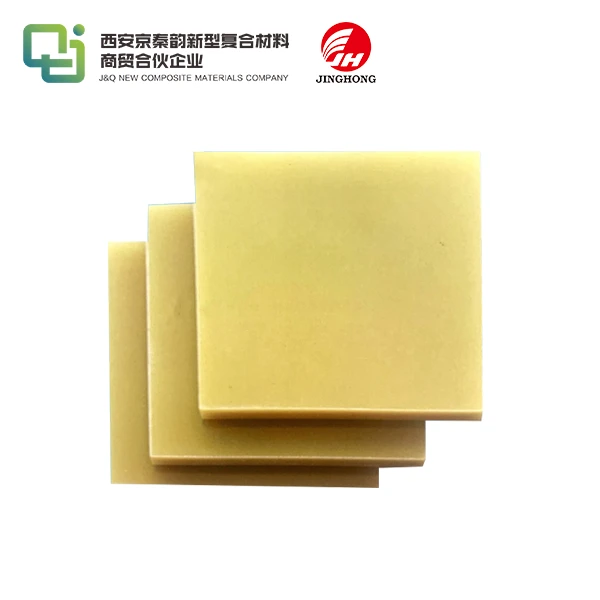
Epoxy Sheet is an industrial product made from continuous-thread glass cloth that has been mixed with epoxy resin binder under high pressure. Thermoplastic materials soften when heated, but this combination goes through a permanent curing process with controlled heat and pressure. This makes a structure that stays stiff even when the temperature changes. Standards in the industry, like NEMA LI-1, divide these materials into grades, such as G10, FR4, G11, and FR5. Each grade is designed to meet specific electrical and mechanical performance needs.
Core Physical and Electrical Properties
When you mix woven glass cloth with epoxy resin, you get a material that has a high dielectric strength (usually between 15 and 20 kV/mm), which makes it perfect for high-voltage electrical shielding. The dimensions of these laminates don't change much when the temperature changes, and they keep their limits even when the temperature changes from -60°C to 180°C (based on the grade). Moisture absorption stays below 0.5%, which keeps the insulation resistance from going down like it does in hygroscopic materials. These sheets can support mechanical loads and keep electrical parts safe because their flexural strength is higher than 400 MPa.
Applications Across Electrical Manufacturing Sectors
Manufacturers of electrical parts use FR4 resin boards as PCB bases because the low dielectric constant and dissipation factor of the material keep signals in high-frequency circuits intact. Good FR4 materials have a glass transition temperature (Tg) that is higher than 130°C. This keeps them from blistering during lead-free soldering methods that hit 260°C. In power distribution systems, G10 and G11 grades are used as transformer standoff insulators, phase barriers, and terminal boards. These grades must separate high-voltage conductors while also being able to handle the mechanical torque of heavy copper bars. These laminates are used as arc barriers in switchgear systems to stop arcs from tracking and keep the insulation's integrity during fault situations.

Epoxy Sheet vs. Other Insulation Materials – Making the Right Choice
Comparing Mechanical and Electrical Performance
When choosing insulation materials like Epoxy Sheet, it's important to think carefully about how different options work in real-world situations. Phenolic cotton laminates are cheaper to make than glass epoxy composites, but they don't have as much dielectric strength or resistance to water. Phenolic materials work fine for mechanical tasks that don't need much electricity, but they can't provide the voltage breakdown resistance that power generation equipment needs. Transparency is an advantage of polycarbonate and acrylic sheets, but they don't have the temperature range and flame protection that many electricity codes require.
Fiberglass-reinforced polyester sheets are a cheaper option, but they don't stay the same size and have lower glass transition temperatures than epoxy laminates. When equipment is used in places where temperatures change quickly or stay high for a long time, polyester materials may twist or delaminate, which can make electrical gaps and mechanical fit worse. Epoxy resin systems keep their shape and electrical properties over a wider range of temperatures, which is why they are more expensive but necessary in some situations.
Cost-Benefit Analysis for Procurement Decisions
When engineers are looking at insulation materials, they need to look at more than just the price. They need to look at the total cost of ownership as well. When insulation fails, it can cause equipment to break down, which costs a lot more in downtime, emergency repairs, and possible safety issues than the material savings. In tough situations, epoxy laminates last longer, so they don't need to be replaced as often or maintained as often. Their CNC machinability lets complex geometries be precisely made without chipping or delamination, which lowers the amount of waste during production.
Glass epoxy materials have higher dynamic strength, which lets thinner cross-sections be used in designs with limited room. This could lead to smaller and lighter assemblies overall. Following the rules for UL94 V-0 flammability ratings and RoHS limits gets rid of any regulatory risks that cheaper alternatives might have. When comparing choices, procurement teams should look at more than just price. They should also look at the supplier's certifications, batch consistency records, and expert support skills.
Practical Guidance: Working with Epoxy Sheets
Selecting Appropriate Thickness and Grade
To choose the right material, you must first know what the electrical and mechanical needs of the product are. Cross-sections that are bigger are usually needed for high-voltage insulation. The minimum width is set by voltage gradients and safety factors that are written into electrical codes. When a material is used for mechanical support, its bending moments and compressive loads must be taken into account. With an operating temperature range of up to 130°C, FR4 grades are good for most PCB and electrical insulation needs. G11 materials, on the other hand, can handle temperatures up to 180°C for mounting motor components and power electronics.
Machining and Fabrication Best Practices
Because the glass reinforcement is rough, cutting epoxy laminates needs carbide-tipped or diamond tools. When routing and drilling, the right feed rates and tool speeds should be used to keep the holes clean and free of burrs that could get in the way of electrical gaps. Glass fiber particles made during grinding are kept away from workers by dust collection devices. Dimensional accuracy is better when materials are stored in controlled humidity areas before they are made. This lets the moisture levels balance out, which stops the materials from warping after they have been machined.
Understanding Thermal and Chemical Limits
While Epoxy Sheet can work continuously at high temperatures, being exposed to temperatures above their rated limits for a long time can damage their mechanical properties and even cause the resin to break down. When thermal cycling is used, the differences in the coefficients of thermal expansion between the laminate and the metal parts that are attached should be taken into account so that stress doesn't build up in one place. Different types of resin have different chemical resistance, but most epoxy systems can handle oils, weak acids, and bases that are common in industrial settings. Epoxy resins can be damaged by strong acids and some organic solvents, so they need to be replaced or coated to protect them.
Procuring Epoxy Sheets – What B2B Buyers Need to Know?
Evaluating Supplier Capabilities and Certifications
ISO 9001-certified suppliers keep quality management systems that are written down and up to date. This makes sure that manufacturing processes are always the same and that materials can be tracked. Product certifications from groups like UL show that a product meets the electricity safety standards that equipment makers need to get governmental approvals. The technical data sheets should list all of the electrical, mechanical, and thermal properties of an item, along with the test methods that were used to make sure they were correct. If a supplier has their own testing lab, they can certify materials and do unique tests to meet specific needs.
Ordering Options for Manufacturing Efficiency
Standard sheet sizes work with most fabrication equipment, but custom cutting services cut down on waste and handling time when making a lot of the same parts. Volume buyers can get better deals on stocking arrangements that make sure materials are always available without having to pay too much to keep them in stock. Sample programs let engineering teams test how well materials work in real assemblies before committing to large-scale production. Lead times depend on the size of the order and the level of customization needed. This is why it's important to work with providers early on in the product development process.
International Procurement Considerations
When you source Epoxy Sheet from around the world, you have to pay attention to the different rules, classes, and paperwork that each target country has for imports. Proper cushioning and moisture barriers must be used in packaging to keep fragile laminate materials from getting damaged during shipping. When you compare total costs, experienced providers give you landed cost figures that include freight and taxes. Integrated logistics support makes it easier to clear customs and deliver packages within the same country. This is especially helpful for buyers who are in charge of managing international supply chains.
Why Choose J&Q Epoxy Sheets? Trusted Solutions for Electrical Manufacturing
Proven Performance Through Industry Experience
For more than twenty years, J&Q has made and sold insulation materials and has become very good at making epoxy laminates that meet the exact needs of companies that make electrical equipment. We have strict quality controls at every step of the production process, from mixing the resin to doing the final inspection. This makes sure that every sheet meets the required electrical, mechanical, and dimensional standards. We have been in foreign trade for more than ten years, so we know what different markets need and can help with paperwork, licenses, and technical issues that make the buying process go more smoothly.
Customization Capabilities for Diverse Applications
We offer a wide range of customization choices, such as non-standard sizes, oversized sheets, and pre-machined components, because we know that electrical manufacturing has a lot of different design needs. Our technical team works with the engineering departments to suggest the best grades and specs of materials for difficult jobs. We can supply finished parts based on customer drawings thanks to CNC machining, which makes fabrication easier for you and speeds up production times. Batch-to-batch consistency makes sure that parts made from materials delivered months apart have the same properties and measurements.
Integrated Logistics for Supply Chain Efficiency
Our in-house transportation company handles everything from placing an order to delivering it, so you don't have to worry about handling a bunch of different service providers. This unified method allows for precise delivery planning, real-time tracking of shipments, and quick settlement of any shipping issues. Our logistics services can be tailored to your production needs, whether you need regular shipments under blanket buy orders or fast delivery for jobs that need to be done right away. Our knowledge of export paperwork, customs procedures, and freight optimization that lowers total landed costs helps our international customers.
Conclusion
Choosing the right insulation materials like Epoxy Sheet is a big decision that affects the reliability of the product, compliance with safety rules, and manufacturing efficiency over the lifecycle of electrical equipment. Epoxy laminates have been used for a long time in tough situations where dielectric strength, thermal stability, and mechanical longevity can't be sacrificed. Procurement teams can make decisions that meet both short-term production needs and long-term operational success by learning about the properties of materials, comparing options in an objective way, and working with experienced suppliers. These materials are the best choice for engineering managers who care about quality and dependability because they have great technical properties and full support from the supplier.
FAQ
What certifications should I verify when sourcing epoxy laminate materials?
Good suppliers give UL recognition to certain grades that show they meet standards for electrical safety and flammability. RoHS compliance paperwork proves that materials follow the limits on dangerous substances that many markets need. Getting ISO 9001 certification means that your quality management systems are well-established. Ask for test reports on the material that show measurements of its dielectric strength, flexural strength, and flame resistance.
Can epoxy sheets be customized to non-standard dimensions and thicknesses?
Manufacturers with a good reputation offer unique cutting and thickness choices to meet the needs of any design. Custom sizing cuts down on waste during production and may lower overall project costs even though it costs more. Different suppliers have different minimum order quantities for customization. Often, sample quantities can be ordered to make sure everything is okay before committing to production.
How do epoxy materials compare to cheaper alternatives in total ownership cost?
Epoxy Sheets have higher starting material costs than options like phenolic or polyester laminates, but they last longer and break down less often in demanding electrical uses. Total costs are often cheaper when there is less downtime, less upkeep, and better machining characteristics. When equipment manufacturers compare insulation materials, they shouldn't just look at the purchase price. They should also look at the lifecycle costs.
Partner with J&Q as Your Trusted Epoxy Sheet Manufacturer
J&Q offers insulation solutions that improve your electrical production processes by combining 20 years of excellent manufacturing with full technical support and streamlined transportation for Epoxy Sheet. Our epoxy laminate materials are made to strict industry standards and can be easily customized to solve specific design problems. Managers of engineering projects and people who buy things get a reliable supplier partner that promises consistent quality, open communication, and quick service. Email our team at info@jhd-material.com to talk about your specific needs, ask for samples of our products, or get full technical specifications. Visit jhd-material.com to see our full selection of insulation materials and learn how our "one-stop service" can make your supply chain easier while still meeting your production goals for quality materials and on-time deliveries.
References
1. National Electrical Manufacturers Association (NEMA). "Industrial Laminating Thermosetting Products: NEMA LI 1-2020." NEMA Standards Publication, 2020.
2. Underwriters Laboratories Inc. "Standard for Safety for Polymeric Materials - Industrial Laminates, Filament Wound Tubing, and Fabricated Parts." UL 94 and UL 746 Series Standards, 2023.
3. Harper, Charles A. "Handbook of Plastics Technologies: The Complete Guide to Properties and Performance." McGraw-Hill Professional, 4th Edition, 2018.
4. Institute of Electrical and Electronics Engineers (IEEE). "IEEE Guide for Acceptance and Maintenance of Insulating Materials and Systems." IEEE Std 930-2021.
5. Gardner Business Media. "High-Performance Composites: Thermoset Composites in Electrical Applications." Industry Technical Review, 2022.
6. American Society for Testing and Materials (ASTM). "Standard Test Methods for Electrical Grade Glass Fabric and Tape Reinforced Resin Laminates." ASTM D709-17, 2017.