FR4 Epoxy Laminate Supports Reliable PCB Manufacturing Processes
2026-08-25 17:33:40
When your production line depends on consistent electrical performance and thermal stability, FR4 Epoxy Laminate becomes more than just a substrate—it becomes the foundation of manufacturing reliability. This glass-reinforced epoxy composite material delivers the mechanical strength, dielectric consistency, and flame-retardant properties that engineering managers and procurement teams need to maintain quality across thousands of PCB assemblies. Its proven track record in meeting UL94 V-0 standards and IPC-4101 specifications makes it the go-to choice for electronics manufacturers who cannot afford material-related failures.
Understanding FR4 Epoxy Laminate and Its Key Properties
Composition and Industry Standards
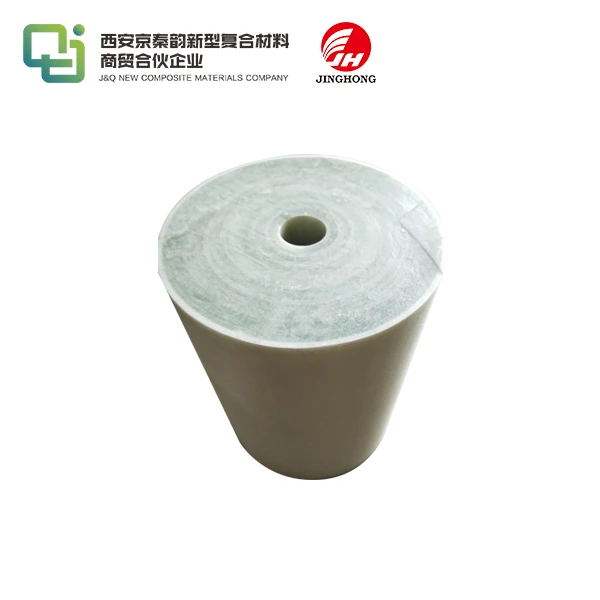
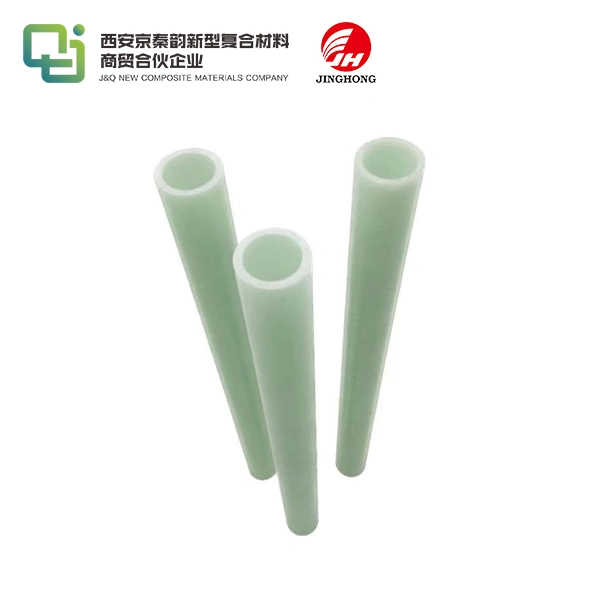
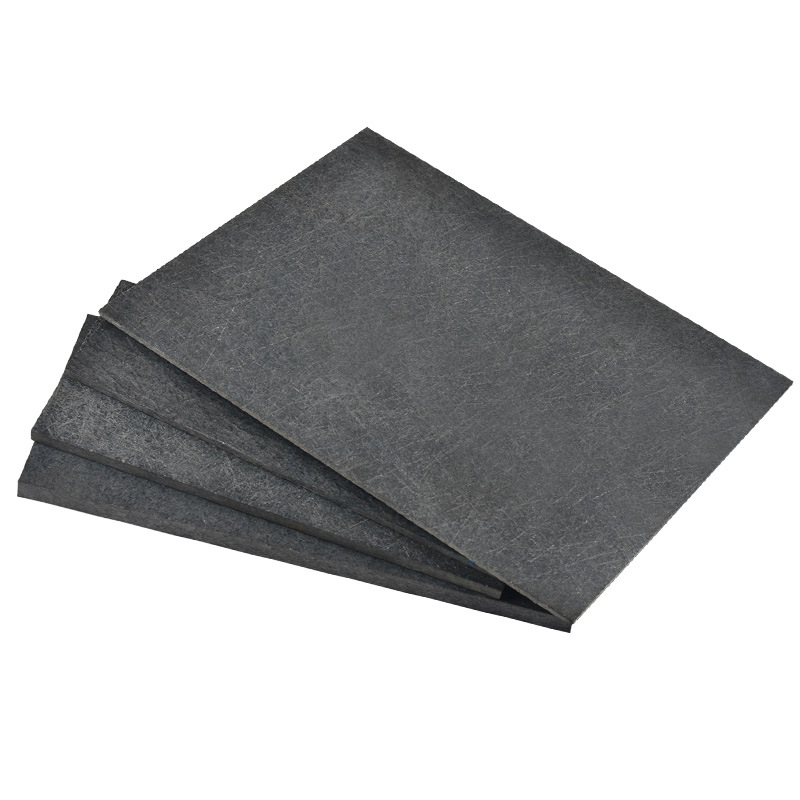
FR4 is a NEMA-grade material made of woven fiberglass cloth that is fully soaked with epoxy glue that doesn't catch fire. The "FR" designation means that it is self-extinguishing and meets the strict UL94 V-0 requirements for flammability. This design makes an uneven material that has great tensile strength along the X and Y directions. This solves the problems of heat and mechanical mismatch that happen during high-temperature reflow soldering. The controlled resin impregnation and heat-curing cycles used in the manufacturing process determine how well the final laminate works.
Critical Technical Characteristics
With breakdown voltages usually higher than 45 kV, dielectric strength is still one of the most valuable properties. In places with a lot of moisture, where paper-phenolic options break down quickly, this electrical shielding property stays strong. The temperature at which a substance changes from being stiff to being flexible is called its glass transition temperature, or Tg. Standard grades work at temperatures between 130°C and 140°C, while high-Tg versions can reach 170°C to 180°C. These are needed for lead-free soldering processes that need to be exposed to high temperatures for a long time without the pads lifting or delaminating.
Manufacturing Quality Control Measures
Strict checking rules make sure that each batch is the same. Differential Scanning Calorimetry checks that the Tg numbers match the datasheets. This keeps the system from failing because of heat. Surface integrity checks find problems like resin starvation, measling, or fiber separation that make it hard for copper cladding to stick. Testing for dielectric breakdown voltage under perpendicular stress proves that the glue has cured without any voids. Planarity is kept within 0.75% to 1.5%, depending on thickness, by measuring warp and twist. This makes sure that the material can be used with automated pick-and-place equipment.
Verification of dimensional tolerance is part of quality control. For standard grades, changes in thickness must stay within ±10%. For precision applications, the limits are even stricter. To stop electrical leakage lines, water absorption testing should still be below 0.10% after 24 hours of soaking. Flexural strength tests show that values are higher than 400 MPa along the length of the structure. This means that the structure will stay strong even when parts are loaded and handled.

Comparing FR4 Epoxy Laminate With Alternative PCB Substrates
Technical Advantages Over Common Alternatives
Even though FR2 phenolic paper laminates are cheaper, they are not good for complicated electronics because they are not resistant to heat or moisture, unlike FR4 Epoxy Laminate. CEM-1 is a mix of paper and glass cloth. It has average performance and a moderate price, but its uneven thickness tolerances make it hard to make multilayer boards. Although FR5 is more resistant to high temperatures than regular FR4, it comes at a higher cost that makes it hard to afford for large-scale production. Polyimide substrates work well in high-temperature situations and can withstand continuous operation at 260°C, but their high cost and unique processing needs keep them from being widely used outside of aerospace and defense.
Specialized Substrate Comparisons
Metal core PCBs have bases made of aluminum or copper, which makes them better at transferring heat and removing it from power electronics uses. But because they only have one side and cost more to make, they can only be used in LED drivers and power converters where the extra cost is worth it for heat control. Aluminum clad laminates attach thin dielectric layers to metal substrates, balancing cost and thermal performance. However, they need special drilling and routing tools, which makes the manufacturing process more difficult.
Procurement Selection Guidance
The temperature range, electrical needs, and budget of the application all play a role in picking the best glass-reinforced epoxy substrate. Rogers materials are the best for high-frequency applications because they have low dissipation factors. This makes them perfect for 5G infrastructure, where signal integrity can't be compromised. Isola and Nelco both have wide ranges of products, from normal grades to high-performance ones, that can be used in a wide range of applications, from household electronics to automotive systems. Ventec has choices that are safe for the environment and follow ROHS and REACH rules.
Regional suppliers offer alternatives that are competitive and have well-established quality systems. Risk is kept to a minimum by looking at supplier certifications, asking for material test reports, and doing qualification runs. When you test samples in real production conditions, you can see how well different grades handle the heat, stress, and chemicals that are present during assembly.
Practical Considerations in Procuring FR4 Epoxy Laminates
Pricing Dynamics and Cost Factors
Costs of materials change depending on the weight of the copper coating, the size of the sheets, and the size of the order. Copper sheets with a copper coating on one side start out cheaper, but as you add more copper layers to both sides, the price goes up proportionally. Standard sheet sizes are cheaper than custom cuts because they waste less paper and take less time to handle. When you make a volume promise, you can use tiered pricing, which lowers the cost per unit as a prize for regular buying habits. Depending on the grade and the supplier's inventory levels, lead times are usually between two and six weeks.
Minimum Order Quantities and Availability
MOQ requirements are very different for straight producers and distributors. Common sizes are kept in regional stores in standard thicknesses, so smaller test purchases can be made without having to wait a long time. Specialized high-Tg versions or special sizes usually need to be ordered directly from the factory with higher MOQs. You can plan your inventory in a way that balances carrying costs against the risk of not having enough materials when you know your production forecast.
Evaluating Supplier Credibility
With more than 20 years of experience in manufacturing and more than 10 years of experience in international trade, J&Q has formed partnerships with many trading companies in both the United States and other countries for FR4 Epoxy Laminate. Our integrated logistics allow us to provide a one-stop service from choosing materials to delivering them. This vertical integration makes the supply chain simpler while making sure that quality is checked at every step.
Specification mismatches can be avoided by asking for examples before placing big orders. When you test samples from different sources under the same conditions, you can see that they have different surface finishes, electrical properties, and accuracy in measurements that the datasheets might not fully show. Third-party testing verifies what suppliers say about Tg ratings, flammability performance, and mechanical strength. This sets the standard for future supply relationships.
Enhancing PCB Manufacturing Reliability with FR4 Epoxy Laminates
Stability Under Operating Conditions
During assembly, thermal cycling causes boards to repeatedly grow and shrink. The epoxy glue system in good laminates keeps the dimensions stable even after multiple reflow passes. This stops the bending that leads to misaligned parts. In industrial controls and automobile uses where vibration, shock, and bending happen often over the course of a product's life, mechanical stress resistance is very important. The material is very hard (Rockwell M scale: 110–115), so it doesn't wear down easily when it's being handled or put together.
Superior Electrical Insulation Benefits
In high-speed digital electronics and power transfer systems, keeping the dielectric properties the same across a range of temperatures is important for keeping the signals intact. The low water absorption rate (below 0.1%) stops moisture from getting in and making leaky paths between traces. This keeps the insulation resistance high even after years of use in damp places. This dependability directly leads to fewer problems in the field and warranty claims, which are outcomes that are directly affected by decisions about procurement.
Real-World Application Performance
Standard-grade materials are used by companies that make consumer electronics like smartphones, tablets, and home appliances because they are cost-effective and perform well enough. High-Tg versions are better for industrial control systems because they can handle tough plant settings with changing temperatures and chemical exposure. Automotive providers choose types that have been tested and shown to work well in approval tests that mimic decades of thermal cycles. This makes sure that parts can handle the conditions inside the engine.
Mismatches between grades of FR4 Epoxy Laminate often lead to problems in manufacturing. If you use standard FR4 in lead-free assembly processes that reach peak temperatures of 260°C, the pads will lift, and the barrel will crack. On the other hand, using too many high-performance grades in low-temperature situations loses money and doesn't make things more reliable. Figuring out your exact temperature profile and matching the Tg of the material to that profile will improve both performance and cost.
Future Trends and Innovations in FR4 Epoxy Laminates
Enhanced Performance Characteristics
New developments in material science keep making flame retardancy better without using bromine chemicals. This helps the environment while still meeting UL94 V-0 standards. Formulations without halogens make fires less likely to release toxic gases, which is in line with green building standards and tech recycling programs. Enhanced thermal conductivity versions have ceramic fillers that help heat escape without switching to metal core boards. This closes the performance gap at prices that are in the middle.
Environmental Compliance and Regulations
Because ROHS and REACH rules are getting stricter, formulas have to change to get rid of dangerous substances while keeping the electrical and mechanical qualities. Procurement teams have to check that the supplier's compliance paperwork matches the rules that are in place in the target markets right now. The move toward more environmentally friendly ways of making things includes choosing the substrates. Looking at the material's lifecycle affects decisions that go beyond just meeting technical requirements.
Strategic Sourcing Adaptations
Problems in the global supply chain show how important it is to use two different buying methods and get supplies from a variety of regions. Getting important materials from more than one source makes you less vulnerable to geopolitical tensions, natural disasters, and delays in logistics. When production schedules need to be sped up, or design changes call for different grades of materials, responding faster is easier when you have relationships with suppliers who keep local stock.
Keeping an eye on new technologies helps procurement teams get ready for changes. As 5G networks grow and more electric cars hit the road, there will be a greater need for specialty laminates with better qualities and tighter tolerances. By forming relationships with suppliers now, your company will be able to get next-generation products as soon as they are available to the public.
Conclusion
When making PCBs, it's important to use substrate materials that keep working well even after tough assembly steps and long operational periods, and FR4 Epoxy Laminate is a prime example. Glass-reinforced epoxy laminates are very popular in the electronics manufacturing industry because they have a good mix of qualities, including electrical insulation, thermal stability, mechanical strength, and flame retardancy. To do good procurement, you need to know the technical specs, check out the supplier's skills, and make sure that the material grades you buy meet the needs of the application. Environmental compliance and performance improvements mean that this basic substrate will continue to meet the changing needs of electronics manufacturing for a long time to come.
FAQ
What temperature ratings should we specify for standard applications?
Standard epoxy glass laminates with Tg ratings of 130°C to 140°C work well with standard tin-lead soldering methods and cool work areas. High-Tg variants that can reach 170°C to 180°C are needed for lead-free assemblies that need peak reflow temperatures close to 260°C or for uses that will be exposed to temperatures above 130°C for a long time.
How do electrical properties differ among epoxy laminate grades?
The dielectric strength and absorption factor are different depending on the type of plastic used and the weave of the glass cloth. Standard grades keep most power and digital devices' shielding at a good level. To keep the integrity of the signal at gigahertz frequencies, high-frequency applications need materials with low loss, tighter dielectric constant tolerances, and lower dissipation factors.
What considerations matter when ordering custom-sized sheets?
Custom sizes raise prices because they require more work and waste to be cut out. When you can, matching your needs to standard sizes will get you the best price. When custom cuts are needed, buying in amounts that leave as few offcuts as possible lowers the cost per unit. By double-checking the thickness tolerances, copper weight, and surface finish requirements, mistakes that slow down production plans can be avoided.
Partner With J&Q for Your FR4 Epoxy Laminate Supply Needs
J&Q is a reliable source for FR4 Epoxy Laminate because we have been making products for 20 years and have a lot of experience with international trade. We know the technical details that engineering managers care about and the dependability of delivery that procurement teams need. Our integrated logistics business handles everything from placing an order to delivering it. This cuts down on the communication problems and delays that come up when working with more than one provider.
Sample requests are handled first, which lets your team check the properties of the material before committing to large quantities. Get in touch with info@jhd-material.com to talk about your unique needs. Our wide range of products and extensive sourcing network can help you meet all of your manufacturing needs, whether you need standard grades for low-cost consumer goods or high-Tg variants for tough automotive uses. You can look at our full selection of insulation materials at jhd-material.com and learn how our one-stop service model makes your supply chain easier.
References
1. National Electrical Manufacturers Association. "NEMA Standards Publication LI 1-2016: Industrial Laminated Thermosetting Products." Rosslyn, VA: NEMA, 2016.
2. Institute of Printed Circuits. "IPC-4101D Specification for Base Materials for Rigid and Multilayer Printed Boards." Bannockburn, IL: IPC, 2018.
3. Underwriters Laboratories. "UL 94: Standard for Safety of Flammability of Plastic Materials for Parts in Devices and Appliances." Northbrook, IL: UL, 2017.
4. Coombs, Clyde F. "Printed Circuits Handbook, Seventh Edition." New York: McGraw-Hill Education, 2016.
5. Tummala, Rao R., and Eugene J. Rymaszewski. "Microelectronics Packaging Handbook: Technology Drivers, Part III, Second Edition." New York: Springer Science, 2012.
6. Harper, Charles A. "Electronic Materials and Processes Handbook, Third Edition." New York: McGraw-Hill Professional, 2014.