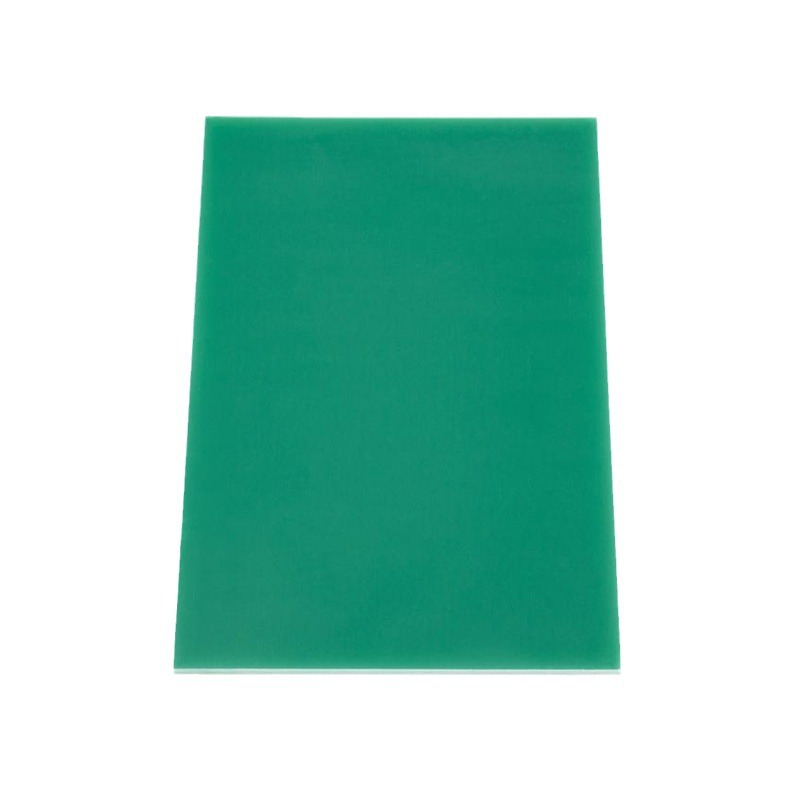
How Does Epoxy FR4 Compare in Industrial Material Selection?
2026-08-26 17:30:42
When engineering managers and procurement teams evaluate insulating materials for electrical applications, Epoxy FR4 consistently emerges as a benchmark solution. This glass-reinforced epoxy laminate delivers a rare combination of flame retardance, mechanical strength, and electrical insulation that few alternatives match at comparable cost points. Its widespread adoption across PCB manufacturing, switchgear assembly, and motor components reflects decades of proven performance in demanding industrial environments. Understanding how FR4 stacks up against alternative materials empowers procurement professionals to make confident sourcing decisions that balance technical requirements with budget realities.
Introduction
Picking the right base material affects many things, such as how reliable the product is, how efficiently it is made, and how well it manages long-term costs. We've worked with electrical makers, machinery builders, and clients in the power sector for more than 20 years. They need materials that won't break when heated or when they're under electrical load. This guide carefully looks at Epoxy FR4's make-up, its features, and how it stacks up against alternatives like phenolic laminates, CEM composites, and high-performance polyimides. You'll learn useful things about how to make decisions, how to evaluate suppliers, and how to buy things in bulk in a way that saves money and makes sure the product is successful. This guide answers the common questions that buying teams have every day, like what materials to use for PCB boards or how to insulate transformers.
Understanding Epoxy FR4: Properties and Composition
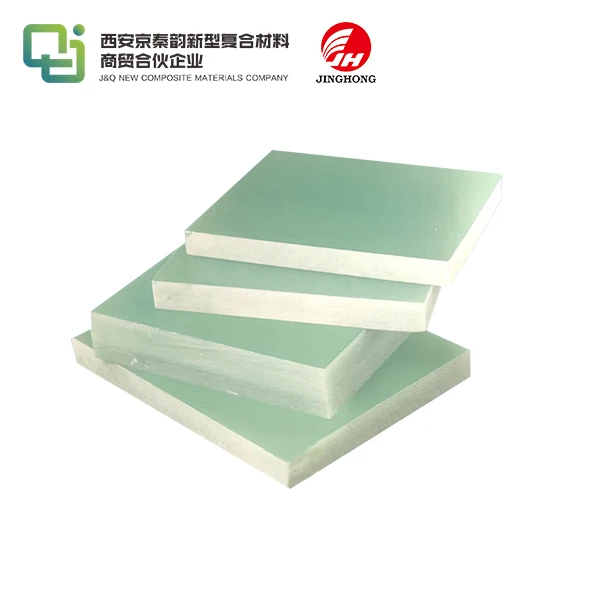
Epoxy FR4 is a flame-resistant epoxy laminate made of glass fibers that is standardized by the National Electrical Manufacturers Association (NEMA). The "FR" label means that the material meets the flammability standards set by UL94V-0, which means that it stops fires from spreading and goes out quickly on its own. It is made of woven fiberglass cloth that has been mixed with brominated epoxy resin to make a composite that is both electrically insulating and strong.
Technical Specifications That Matter
Depending on the resin formulation, the material's glass transition temperature can be anywhere from 115°C to 200°C. Standard grades can handle continuous operating temperatures of around 130°C, while high-Tg variants can reach 180°C. The dielectric constant stays stable between 4.4 and 5.2 over the frequency bands that are useful for most electrical uses. The dielectric strength usually exceeds 20 kV/mm. This steadiness is very important for PCB boards because signals can't be damaged by changing impedance. The material stays very stable in size even when it is heated and cooled many times. Its coefficient of thermal expansion is almost the same as copper foil, which keeps the trace from delaminating during surface mount assembly processes.
Real-World Industrial Applications
We've sold FR4 sheets to manufacturers in a number of different industries, and each one has used them in a different way. Printed circuit board makers like the material because it can be machined with a CNC and has a copper peel strength of more than 1.0 N/mm. This makes sure that the circuitry stays intact during assembly and use in the field. Power distribution equipment manufacturers choose FR4 for arc chutes and phase barriers because its comparative tracking index (CTI) is higher than 175V, which stops surface tracking in high-voltage areas. More and more, companies that make parts for cars are using FR4 as an insulation layer for battery packs. Its flame resistance and mechanical puncture resistance protect lithium-ion cells from heat runaway.
The Epoxy FR4 material doesn't absorb more than 0.1% of its weight in water, so its mechanical and electrical qualities stay the same in damp workplaces. FR4 is different from hygroscopic materials that change shape or lose their dielectric strength when they come in contact with water because of this property. High-Tg versions are used in aerospace for solid mounting plates that have to withstand a lot of stress and temperature changes and where dependability cannot be compromised.

Comparing Epoxy FR4 with Alternative Industrial Materials
To make decisions about what to buy, you need to know how the performance of different materials compares. Even though FR4 is most often used in mid-range applications, other substrates may be necessary in some cases.
CEM-1 and CEM-3 Composites
Grades of CEM (Composite Epoxy Material) combine paper and glass supports with epoxy resin to make inexpensive bases for single-sided PCBs. In CEM-1, the core is made of paper with layers of glass on top, and in CEM-3, the whole thing is made of woven glass. Both are 20–30% cheaper than FR4, but they are not as strong or resistant to heat. The temperature at which the glass transition happens drops to about 105°C, which means that it can only be used in household products with low thermal loads. We suggest CEM grades when cost concerns are greater than performance needs and the working temperature stays below 100°C.
Polyimide and Rogers High-Frequency Materials
Polyimide laminates are very flexible and don't change much in temperature up to 260°C. This makes them perfect for use in flexible circuits and aerospace settings. Ceramic-filled PTFE composites from Rogers Corporation have very low dielectric loss and stable performance across microwave bands. These high-end materials are 3–8 times more expensive than regular FR4, and their price is only justified when the job needs qualities that FR4 can't provide. In most cases, performance is worth the extra cost in high-frequency RF circuits, radar systems, and medical devices that are implanted.
Phenolic Cotton Laminates
Phenolic boards that are strengthened with cotton cloth or paper are stronger and easier to work with than FR4 but cost less. Because these materials can handle compressive loads well, they can be used to make gears, washers, and structural spacers. The substance is not flame retardant and has worse electrical qualities than FR4, including lower dielectric strength and more moisture uptake. When electrical protection isn't as important as mechanical reliability and fire safety rules allow materials that don't put out fires, we tell machinery builders to use phenolic laminates.
For example, the comparison shows that FR4 is a useful material with balanced electrical, mechanical, and heat qualities. Its manufacturing standardization makes sure that quality is the same across all global suppliers. This lowers the risk of buying it compared to specialty materials that have shorter supply chains.
Decision-Making Criteria for Selecting Epoxy FR4
When choosing materials, it's important to make sure that technical needs are met while also keeping costs low.
Thermal Performance Evaluation
It is very important to understand the thermal environment of your application. Standard FR4 can withstand continuous exposure to 130°C and can go up to 150°C. This makes it suitable for most consumer electronics and industrial control systems. Power systems that make a lot of heat need high-Tg versions that can work continuously at 180°C. We've helped transformer manufacturers choose materials by looking at hotspot temperatures at full load, making sure that there is enough thermal margin to avoid early failure or catastrophic aging.
Dielectric Properties and Electrical Performance
The dielectric constant of Epoxy FR4 changes the speed at which signals travel and the characteristic resistance in PCB lines. The dielectric constant of standard FR4 is 4.4 to 4.8, which is good for digital circuits that work below 1 GHz. However, materials with tighter tolerances may be needed for high-frequency applications. Most low-voltage electronics can handle a dielectric breakdown voltage of more than 20 kV/mm, but high-voltage switchgear needs to be checked through hipot testing. Comparative tracking index is very important in places where surface dirt and moisture form conductive paths. For industrial equipment, we suggest CTI values above 175V and for outdoor use, 250V.
Mechanical Durability Assessment
Flexural strength usually hits 415 MPa perpendicular to the laminate direction and 345 MPa parallel to it. This is enough to keep the PCB structure together and handle some mechanical loads. When there are impact loads, vibrations, or mechanical fastenings, it's important to carefully look at the hole pull-through strength and edge delamination resistance. We've helped machinery OEMs choose the right FR4 grades by doing finite element analysis on mounting clamps that were stressed by vibrations. This made sure that the choice of material was correct before investing in production tools.
Supply Chain and Commercial Factors
Lead times for standard FR4 sheets are usually between 2 and 4 weeks for stock thicknesses and between 6 and 8 weeks for custom specifications. Different suppliers have different minimum order numbers. For sheet goods, the minimum order quantity is usually between 100 kg and 500 kg. For prepreg and copper-clad laminates, the minimum order quantity may be higher. When you negotiate volume prices, you can usually save 15–25% on orders of 1 ton, and you can save up to 35% on orders of 5 tons or more. We suggest building ties with several qualified providers to lower the risk of relying on a single source and keep your negotiating power when it comes to prices.
Selecting the Right Epoxy FR4 Supplier for Your Business
The supplier you choose has a direct effect on the security of the supply chain and the quality of the products you buy. Working with international trading partners for ten years has taught us important evaluation criteria that tell the difference between suppliers who are reliable and those who aren't.
Globally Recognized Material Brands
Companies like Shengyi, Ventec, Isola, and Nelco have built names for quality that doesn't change and a wide range of certifications. The S1000H family from Shengyi provides standard FR4 in thicknesses ranging from 0.2mm to 3.2mm and is guarantyd to meet IPC-4101 standards. Their S1000-2 high-Tg version raises the glass transition temperature to 170°C while keeping the price low. The VT-481 and VT-47 series from Ventec offer similar levels of performance and have very good quality control over thickness tolerances, which is very important for multilayer PCB stackup calculations.
We check that these suppliers are ISO 9001 certified as a basic quality control standard when we look at the products they send us. UL recognition makes sure that claims of flame retardance can stand up to independent testing, rather than just depending on what the maker says. IPC-4101 specification sheets list the properties of materials using standard testing methods so that products from different suppliers can be directly compared. When quality problems happen, traceability systems that connect lot numbers to batches of raw materials and test data make sure that people are held responsible.
Supplier Evaluation Metrics Beyond Certification
Respondent technical support is what sets great suppliers apart from average ones. We value partners who help us choose materials by using application engineering to help us choose the right grades for each set of operating conditions. Sample programs that let you buy small amounts before committing to large amounts lower procurement risk, especially when you are testing out new suppliers or looking at different grades. Lead time dependability is just as important as claimed delivery times. We keep track of the percentage of on-time deliveries and keep backup sellers on hand in case primary sources don't perform as expected.
After-sales service for Epoxy FR4, such as help with trying materials and figuring out what went wrong, shows that a provider is committed after the sale is over. When PCB makers find problems with the assembly that might be caused by the substrate material, prompt providers test the solder float, look at the peel strength, and use cross-sectional microscopy to find the root causes. This way of working together builds long-lasting relationships and quickly fixes production problems.
Practical Tips for Procuring Epoxy FR4 in Bulk for Industrial Use
Strategic bulk buying strikes a mix between lowering costs, ensuring quality, and keeping supplies going.
Negotiating Competitive Pricing and Volume Discounts
Before negotiating prices, you should know how much you usually spend each year and try to make purchases more often if you can. Suppliers offer different prices based on the amount of commitments, with big discounts usually starting at 500 kg purchases every three months. We've helped clients set up yearly contracts that require them to make minimum purchases in exchange for fixed prices and first choice when supplies are low. When the cost of resin or glass fiber changes a lot, including price adjustment terms that are tied to raw material indices defends both sides.
Quality Assurance and Testing Protocols
Receiving inspection methods should test key factors before materials enter production. We suggest using sampling plans that are based on ANSI/ASQ Z1.4 standards, and changing how strict the inspections are based on the quality history of the supplier. Key parts of the inspection process include looking for flaws on the surface, measuring the thickness with calibrated micrometers, and comparing the measurements to the ones given at the time of purchase. Periodic thermal stress testing mimics the conditions of an assembly by exposing a solder float to 288°C for 10 seconds. This is done to look for delamination or blistering, which can mean that the resin hasn't dried enough or there is moisture in the air.
Setting clear acceptance standards and telling sellers about them stops disagreements over small amounts of material. Collaborative problem-solving methods work better than adversarial enforcement when deviations happen. We've found that providers like detailed nonconformance reports with photos and suggested solutions. In response, they make process changes that help all of their customers.
Supply Chain Risk Management
Accurately predicting lead times requires knowing how suppliers schedule production and how they get raw materials. We recommend maintaining 30-60 days inventory for standard materials and 60-90 days for custom specifications, balancing carrying costs against production disruption risks. Dual-sourcing strategies protect against problems caused by specific suppliers, but managing multiple suppliers requires more work to qualify them and makes managing inventory more complicated. When figuring out safety stocks, you should take into account changes in demand, unknown wait times, and the cost to the business of running out of stock during production plans.
Having cooperative links with suppliers makes it easier to get allocations when there are shortages across the whole business. Suppliers give customers more credit if they have regular order trends, good communication, and the ability to be flexible when supplies are low. When markets for electrical materials get tight, long-term partnerships can give you a competitive edge. Preferred customers get priority, while casual buyers have to wait longer for allocations or be turned down.
Conclusion
Choosing the right insulation materials means weighing the pros and cons of technical performance and cost. Epoxy FR4 has become an industry standard because it reliably blocks electricity, is strong, and doesn't catch fire, all at a price that most people can afford. When procurement teams know how FR4 stacks up against other options like CEM composites, phenolic laminates, and high-performance polyimides, they can make decisions that are best for the job. Strategic source selection, thorough quality checks, and careful bulk purchasing practices improve the process of getting materials while lowering the risks in the supply chain. These ideas come from helping manufacturers in the electrical, industrial, power, and automotive sectors choose and find materials that meet high performance standards and help them stay competitive in the cost of production.
FAQ
What advantages does Epoxy FR4 offer over other PCB substrate materials?
FR4 has the best mix of flame resistance, electrical protection, mechanical strength, and low cost that not many other materials can match at the same time. Its UL94V-0 grade makes sure that it meets fire safety standards in most situations, and its insulating properties stay the same over a wide range of temperatures and frequencies. Standardization of the material through IPC and NEMA standards makes it available from a wide range of global sources, lowering the risk of buying compared to proprietary specialty materials. There is a lot of manufacturing equipment for handling FR4, which helps keep prices low and lead times short.
How can I verify FR4 material quality before committing to bulk purchases?
Ask for verified test results that show the product meets the requirements of IPC-4101, which should include the glass transition temperature, flammability grade, dielectric constant, and mechanical qualities. As part of testing samples, the surface quality should be looked at visually, the measurements should be checked, and the samples should be put through thermal stress tests using solder float methods. Audits of suppliers' facilities show how they make things and how they handle quality, which gives customers confidence in the consistency of their production. We suggest starting with small amounts for testing, then moving on to pilot production levels, and finally signing large deals only after confirming how well the material works in real manufacturing processes.
What factors most significantly affect FR4 pricing and delivery schedules?
Through volume discounts, the number of items you order has a direct effect on the unit price. Discounts that are worth noticing usually happen at 500 kg, 1 ton, and 5 tons. Choosing the right material grade affects the price; high-Tg versions usually cost 15–30% more than standard ones. Custom specs like non-standard thicknesses, copper weights, or surface processes make wait times longer, from 2 to 4 weeks, to 6 to 10 weeks, and cost more to process. Price changes happen from time to time because of changes in the market for epoxy resin and glass fiber. To keep your budget stable, long-term deals with adjustment terms are helpful.
Partner with J&Q for Reliable Epoxy FR4 Supply
J&Q is a trusted Epoxy FR4 source for electrical makers, machinery builders, and clients in the power sector across North America. We have been in business for 20 years and have worked with foreign markets for 10 years. We keep a large stock of standard FR4, high-Tg variants, and specialized formulations to meet quick-turn needs and stick to planned procurement schedules. Our integrated logistics services make delivery planning easy, so you don't have to deal with a bunch of different providers for transportation and supplies. Contact our team at info@jhd-material.com to talk about your unique needs, ask for samples of the material, or look into volume price options that will help you save money on your purchase. We can help you choose the right materials by giving you technical advice and supply chain solutions that are backed by quality systems that are ISO-certified.
References
1. National Electrical Manufacturers Association. (2021). Industrial Laminating Thermosetting Products - NEMA Standards Publication LI 1-1998.
2. IPC Association Connecting Electronics Industries. (2020). IPC-4101: Specification for Base Materials for Rigid and Multilayer Printed Boards.
3. Underwriters Laboratories. (2019). UL 94: Standard for Safety of Flammability of Plastic Materials for Parts in Devices and Appliances.
4. Coombs, C.F. (2018). Printed Circuits Handbook, 7th Edition. McGraw-Hill Education.
5. Sergeant, R.J. & Henderson, P.L. (2020). Electrical Insulating Materials and Systems: International Guide. Institution of Engineering and Technology.
6. Electronic Materials Research Society. (2022). Comparative Analysis of Thermoset Laminates in High-Reliability Applications. Journal of Electronic Materials Science, Vol. 45(3), pp. 112-128.
_1765955136885.jpg)