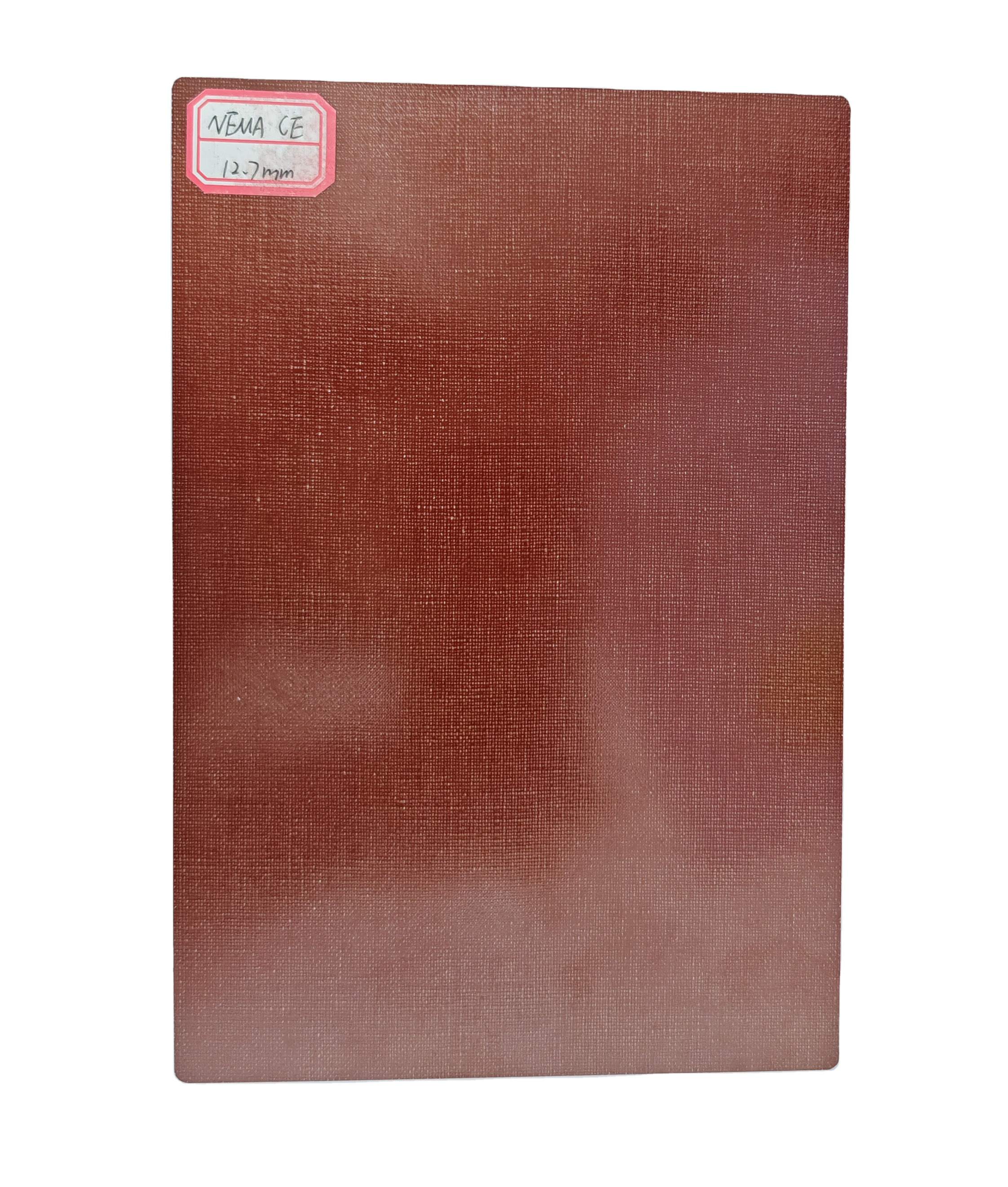
G10 Fiberglass Tube Supports High-Precision Industrial Assembly
2026-08-26 17:30:45
When precision matters most, G10 Fiberglass Tube delivers unmatched structural integrity for complex industrial assemblies. This premium-grade composite material combines continuous filament glass cloth with epoxy resin, manufactured under controlled heat and pressure to meet NEMA G10 and MIL-I-24768/2 standards. Across electrical systems, aerospace components, and industrial machinery, G10 tubes eliminate risks associated with conductive metals while providing superior dimensional stability where reliability cannot be compromised.
Introduction
Failure of a component is not an option in modern manufacturing settings. Finding materials that don't break down when exposed to high power, extreme temperatures, and mechanical stress is a problem that both engineering managers and buying teams have to deal with. Traditional metal tubes can be dangerous around electricity, and thermoplastics aren't rigid enough for accurate alignment.
G10 Fiberglass Tubes solve these important problems because they have a unique mix of electrical insulation, mechanical strength, and heat stability. Manufacturers of transformers have switched from phenolic supports to G10 tubes, which has greatly reduced the number of arc flash incidents. Robotics engineers like that G10 can keep tolerances to a thousandth of an inch even when it goes through thermal cycling.
Because J&Q has been a specialist in industrial insulation materials for over 20 years, we know how hard these problems can be. Our production processes make sure that each batch is the same, which is important for procurement experts, and our combined logistics network lets us set predictable arrival times. This paper walks you through the technical basics, real-world uses, and best places to find G10 tubes in dangerous industrial settings.

Understanding G10 Fiberglass Tube: Essential Properties and Technical Specifications
What Defines G10 Material Composition?
G10 is a hybrid material made from woven fiberglass cloth that has been mixed with epoxy glue and laminated under high pressure. Pure G10 has a slightly higher flexural strength and less water absorption than FR4, which has flame retardants that are brominated. This way of making things makes a thermoset laminate that sets forever and can't be deformed by heat again.
The epoxy matrix forms molecular bonds with the glass fibers, which spreads the structure's mechanical loads evenly. This is the reason why G10 stays strong in cryogenic applications at -196°C and in continuous use at 140°C. With a specific gravity of 1.8, the material is very rigid without being as heavy as metal alternatives.
Core Technical Performance Data
Specifications for engineering show why G10 is better for accurate builds. Tensile strength of the material is up to 40,000 psi, and compressive strength is up to 65,000 psi, which is much higher than most thermoplastics. For a normal 0.125-inch wall width, the flexural strength is 75,000 psi, which means that the wall will not bend much when it is loaded.
When it comes to value, dielectric qualities stand out. G10 keeps its high dielectric strength over a wide frequency range. This makes it perfect for RF-transparent uses like radar housings and antenna masts. The material has a loss factor less than 0.014, which makes sure that high-frequency electronics can clearly send signals. Over 24 hours, the material only absorbs 0.11% water, which keeps the dimensions from changing in wet places.
Material Comparison: G10 Versus Alternatives
When compared to carbon fiber tubes, G10 offers better electrical insulation while keeping the same stiffness-to-weight ratios. Since carbon fiber conducts energy, it can't be used in high-voltage situations where G10 works best. Aluminum tubes are very good at conducting heat, but they can cause grounding problems and rust.
There are subtle differences between G10 Fiberglass Tube and its close relative FR4. The flame-retardant additives in FR4 get it the UL94 V-0 rating, which is needed in some electrical enclosures. However, G10's more pure formula gives about 10% more bond strength and better resistance to moisture. The temperature limit is raised to 170°C for G11 by using a different resin chemistry, but the cost of the material goes up.
Phenolic laminates are less expensive than G10, but they are not as resistant to pressure or stable in size. When both electrical separation and structural accuracy are needed, like in busbar supports or motor shaft sleeves, G10 tubes always work better than older materials.
Advantages of G10 Fiberglass Tube in High-Precision Assembly
Epoxy-glass composites have special properties that make them easier to put together in many demanding industrial sectors. Knowing about these benefits helps buying teams explain their choices about specifications and guess how well the products will work in the long run.
Superior Mechanical Stability Under Stress
G10 tubes don't bend when they're under constant load, so they can keep the alignment limits that are important for precision setups. We've seen G10 support tubes keep their positional accuracy within 0.002 inches after 50,000 operating rounds in robotic pick-and-place systems. Because the material doesn't creep much when it gets cold, its dimensions stay stable even in cold places.
This stiffness is very important when building transformers because the coil supports have to keep the winding from moving during heat expansion cycles. G10 tubes take in vibrations without sending them back, which keeps sensitive electronic parts from wearing out from overuse. The material is hard (110 M-scale), so it doesn't wear down easily when it comes into contact with moving parts over and over again.
Electrical Insulation and Safety Benefits
For high-voltage uses, you have to be sure that the protection is completely solid. G10 tubes have a dielectric breakdown resistance of more than 20 kV/mm, which makes them reliable barriers in switchgear and bus duct assemblies. Because it is non-conductive, it doesn't create arc tracking paths like metal supports do in dirty environments.
Engineers who work with power distribution like how well G10 stops arc flashes. The material doesn't allow arcs to spread, so electrical problems stay in the designated areas. In enclosed electrical equipment, where worker safety depends on knowing how a fault will behave, this trait becomes very important. Because G10 is radio frequency transparent, it can be used in antenna feeds and waveguide supports without weakening the signal.
Chemical Resistance and Environmental Durability
Hydraulic fluids, cleaning solvents, and process chemicals are just some of the harsh environments that industrial machinery works in. It is very hard for petroleum products, alcohols, and weak acids to damage G10. We put samples in cutting oil continuously for 18 months and found no measurable degradation.
This chemical stability makes parts last longer in food processing equipment and fittings used to put together cars. G10 doesn't change size when exposed to many chemicals, unlike phenolics that do when they get wet or thermoplastics that get soft when they come in contact with petroleum distillates. The material doesn't rust, so there are no risks of contamination in clean-room assembly and drug production.
Cost-Effectiveness Across Product Lifecycle
G10 costs more than regular plastics to buy at first, but it's cheaper to own in the long run. The long service life—often 15 to 20 years in industrial settings—means that they don't need to be replaced as often. Maintenance teams like that G10 parts don't usually break down when they're not supposed to, which keeps production from stopping and costs going up.
G10 tubes work just as well as aerospace-grade aluminum or stainless steel, but they are lighter, which saves money on shipping and makes them easier to handle. The cost of machining labor stays low because G10 works well with tungsten tools. Because the material is stable, it needs fewer inspections, which lowers quality assurance costs over time.
Selecting the Right Fiberglass Tube for Your Application: A Decision Support Guide
Defining Critical Performance Requirements
A good way to choose materials for G10 Fiberglass Tube is to clearly map out what the assembly needs and what the materials can do. Minimum dielectric strength and creepage distances are set by the need for voltage isolation. The minimum wall thickness and tensile values are based on the mechanical loads. The ranges of operating temperatures limit the types of materials that can be used.
To make sure materials are compatible, procurement engineers should keep track of environmental exposures like chemical contact, UV exposure, and moisture levels. Manufacturing methods are affected by the needs for precise measurements and a smooth surface. Knowing these parameters can help you avoid making expensive mistakes in the specifications that show up during prototype testing.
Comparative Analysis Framework
To compare G10 to other materials, you need to use an organized approach that takes into account a number of performance factors. Carbon fiber tubes are stronger for their weight, but they also conduct electricity and are much more expensive. Aluminum does a great job of managing heat, but it can cause problems with grounding and corrosion in damp places.
Phenolic cotton tubes are cheaper to buy at first, but they don't stay the same size or resist water like G10 does. For things like motor end plates or busbar spacers that need to be both structurally strong and electrically isolated, G10 is always the best choice. The material is better than single-property options at balancing its mechanical performance, electrical qualities, and ability to make money.
Supplier Qualification Criteria
In addition to the qualities of the materials, the success of a project depends on the skills of the suppliers. Process discipline is shown by quality certifications like ISO 9001 and AS9100. Find out about batch traceability methods and material test results from possible suppliers. Manufacturers you can trust give you certified mill test reports that list the mechanical and electrical properties of every production lot.
The ability to customize is very important. Can the provider make shapes that are complicated to very close tolerances? Can I make a small group of prototypes before I order a lot of them? Your production schedule will be affected by how predictable the lead time is. Set clear deadlines for standard sizes and custom specifications. At J&Q, we have an in-house machining center and quality labs that allow for fast prototyping with guarantyd material compliance. This helps engineers who are worried about speed.
Practical Guidance on Handling and Processing G10 Fiberglass Tubes
Machining Best Practices
Because G10 contains rough glass fibers, it needs to be worked with in a certain way. Cutting tools coated in carbide or diamond stay sharp much longer than high-speed steel. When you mix higher spindle speeds with modest feed rates, you get clean cuts that don't tear the material. During machining, we suggest using coolant flood or mist systems to keep the dust down and keep the resin from softening from frictional heating.
Sharp shape and lots of peck cycles to get rid of chips are good for drilling activities. Glass fibers quickly dull twist drill bits, so replacing them before you can see wear stops holes from being rough and errors in measurements. Because G10 is a flimsy material, thread tapping only works consistently when the holes are a little bigger than needed. Metal inserts make threads that are more durable for joints that are put together a lot.
Safety and Environmental Controls
Glass fiber dust can be harmful to your lungs and needs to be controlled by engineers. Particles are caught before they can fly through the air by vacuum extraction at the tool point. During long periods of cutting, workers should wear particle masks that are rated for fine fibers. Wet cutting methods greatly lower the amount of dust in the air while also making the surface finish better.
Follow the rules for getting rid of G10 machining waste in your area. When the epoxy and glass fibers are dry, they are chemically inert but don't break down in nature. Compressed dust collection screens stop pollution from escaping during dumping.
Storage and Handling Guidelines
G10 tubes stay stable over a wide range of temperatures, but they work best when they are stored in a controlled environment. Keep things out of direct sunlight for long periods of time. UV light turns epoxy resins yellow and causes the surface to chalk, but it doesn't change their functional qualities. Store tubes horizontally with enough support to keep them from warping over time.
The amount of moisture that is absorbed stays low, but clean, dry storage keeps the surface from getting dirty, which could affect the bonding process. Wearing clean gloves when handling tubes with a smooth surface is important because skin oils can get in the way of painting or sticking them together. Because the material is stiff, it can take a lot of hits, but sharp ends can break if they fall on hard surfaces.
Customization and Lead Time Planning
Standard tube sizes can be shipped quickly from stock, but custom sizes need time to be made. Custom orders with specific outer sizes, wall thicknesses, or cut lengths usually take between two and four weeks, but this depends on how complicated the order is. It takes four to six weeks longer for more complex machined features like slots, grooves, or precision bores.
Planning the buying processes for G10 Fiberglass Tube around these dates keeps production from being held up. We work with tech teams to find long-lead parts early on, which lets multiple projects work on them at the same time. Prototyping services let you test your design before committing to making a lot of them. Because our logistics are integrated, we can ship insulation materials together, which makes it easier for your facility to receive them.
Procurement Insights: Where and How to Source High-Quality G10 Fiberglass Tubes?
Identifying Reputable Manufacturers
Specialized producers and trade middlemen are part of the global supply chain for composite insulators. When you work directly with a manufacturer, you can usually get better expert help and more consistent materials. Look for suppliers with dedicated engineering teams that know more about the needs of your application than just the basic dimensions.
Lead times and shipping costs are affected by where the goods are being shipped. When you need prototypes or urgent orders, domestic providers can get them to you faster. When buying in bulk, international sources may offer lower prices, but they need more complex logistics planning. Check to see if the quality systems that your foreign suppliers use are approved by the rules in your country.
Understanding Pricing Structures
Prices for G10 tubes depend on the grade of the material, the size requirements, and the number of tubes ordered. It is cheaper to buy standard catalog sizes with a 94HB flammability rating than to buy UL-recognized grades or custom tubes with tight tolerances. There are usually volume breaks at 100, 500, and 1,000 pieces, with big drops in price per unit at each level.
Custom cutting costs more the more complicated it is. For example, simple cut-to-length operations don't cost much more than standard operations, but precision grinding or complex milling features make unit prices much higher. To find out what the real value is, you should ask for thorough quotes that break down the cost of materials and the cost of processes. We keep our prices clear, which helps procurement teams make accurate budgets while they look at different design options.
Minimum Order Quantities and Shipping
MOQ rules are very different between providers. Some manufacturers need large minimum orders to make custom production runs possible, while others are okay with smaller prototype quantities. To properly compare providers, you should know whether the MOQs they give you are for linear length, piece count, or order value.
Both cost and arrival time are affected by the shipping method. Orders within the United States that weigh more than 150 pounds can be delivered cheaply by truck freight in seven to ten business days. For a higher price, expedited courier services can meet your immediate wants. International shipments need paperwork for customs and usually take three to five weeks by sea or one week by air.
These problems are made easier by our integrated logistics operation. With more than ten years of experience exporting and its own shipping services, J&Q can set up arrival times that work with your production plans. We combine different kinds of materials, like FR4 sheets, phenolic bars, and G10 tubes, into single packages that make it easier for you to receive them.
Certification and Quality Assurance
Suppliers with a good reputation give material certifications that show they meet the standards that apply. If necessary, ask for copies of the NEMA approval and UL recognition. Material test reports should confirm that each production batch has the right mechanical properties, dielectric strength, and flammability ratings.
For example, RoHS compliance licenses are needed for electronics, REACH statements are needed for European markets, and specific tracking is needed for aircraft uses. Set up the paperwork needs early on in the buying process to avoid delays. At J&Q, our quality management system keeps full records from the time we receive raw materials until we ship out finished goods. This helps our industrial clients meet the audit requirements they face.
Conclusion
G10 Fiberglass Tubes give precise industrial assemblies the mechanical stability, electrical isolation, and resistance to the environment they need. This material works reliably in a wide range of tough situations, making it useful for everything from supporting transformers to making frames for robots. The technical benefits—high strength, stable dimensions, and chemical resistance—lead to longer component lives and lower maintenance costs.
To do good procurement, you need to know about both the properties of the materials and the abilities of the suppliers. To keep your production plans safe, choose partners whose manufacturing quality has been proven, whose customization options are flexible, and whose delivery performance is reliable. This article gives engineering and procurement teams the information they need to make smart choices about where to get these important parts, balancing technical needs with practical considerations.
FAQ
How does G10 compare to FR4 in structural applications?
G10 is mechanically similar to FR4 rated UL94 V-0 and is often used in place of it in casual specifications. However, it does not have the self-extinguishing bromine additives that FR4 does. G10 has a slightly higher flexural strength and is better at keeping water out. But FR4 is required when strict fire-retardancy rules must be followed, like when electrical equipment is protected.
What machining precautions does G10 require?
Cutting tools don't like G10 because it has a lot of glass fiber in it. For clean cuts, you need carbide or diamond-coated tools with fast spindles. The machine dust has glass fibers and glue particles that are bad for your lungs. To keep the accuracy of the tools and protect the health of the operators, wet machining or forceful vacuum dust extraction is required.
Can these tubes withstand outdoor environments?
Mechanically, G10 works well outside, but the epoxy resin can break down over time in the sun, which can cause it to yellow and become chalky. UV-resistant polyurethane coatings should be used on permanent outdoor projects to keep the look and structure of the surface while keeping the structural qualities.
Is G10 suitable for RF and antenna applications?
The answer is yes, G10 has great radio frequency clarity and is not magnetic. This makes it the standard material for radomes, antenna supports, and coil shapes where signal loss must be kept to a minimum without causing magnetic interference.
Partner with J&Q for Your G10 Fiberglass Tube Requirements
Picking the right G10 Fiberglass Tube supplier can affect the quality of your products and the dependability of your production. J&Q has been making industrial insulation materials for more than 20 years and has also been trading internationally for more than 10 years. The engineers on our team are very committed and know exactly what electrical tools, industrial machinery, and power systems need.
During production, we keep a close eye on quality to make sure that all of the batches have the same mechanical and electrical properties. Our in-house logistics company offers streamlined shipping options that make your supply chain easier and ensure that materials arrive on time to help with assembly. We can help you with both prototype development and full-scale production, whether you need standard catalog sizes or custom-machined tubes with tight tolerances.
Email our technical team at info@jhd-material.com to talk about the needs of your specific application. We offer in-depth expert advice, suggestions for materials, and quotes that are specifically made for your job. You can look at our full selection of insulation materials at jhd-material.com and learn why top makers choose J&Q as their main source for G10 Fiberglass Tube.
References
1. National Electrical Manufacturers Association. (2019). Industrial Laminating Thermosetting Products: NEMA Standards Publication LI 1-1998. Rosslyn: NEMA.
2. Harper, Charles A. (2004). Handbook of Plastics, Elastomers, and Composites. Fourth Edition. New York: McGraw-Hill Professional.
3. U.S. Department of Defense. (1983). Military Specification MIL-I-24768/2: Insulation Sheet, Laminated, Glass Cloth, Epoxy-Resin. Washington: Defense Supply Agency.
4. Chawla, Krishan K. (2012). Composite Materials: Science and Engineering. Third Edition. New York: Springer.
5. Mazumdar, Sanjay K. (2002). Composites Manufacturing: Materials, Product, and Process Engineering. Boca Raton: CRC Press.
6. Institute of Electrical and Electronics Engineers. (2015). IEEE Guide for the Properties and Applications of Industrial Laminates. IEEE Standard 930-2015. New York: IEEE.