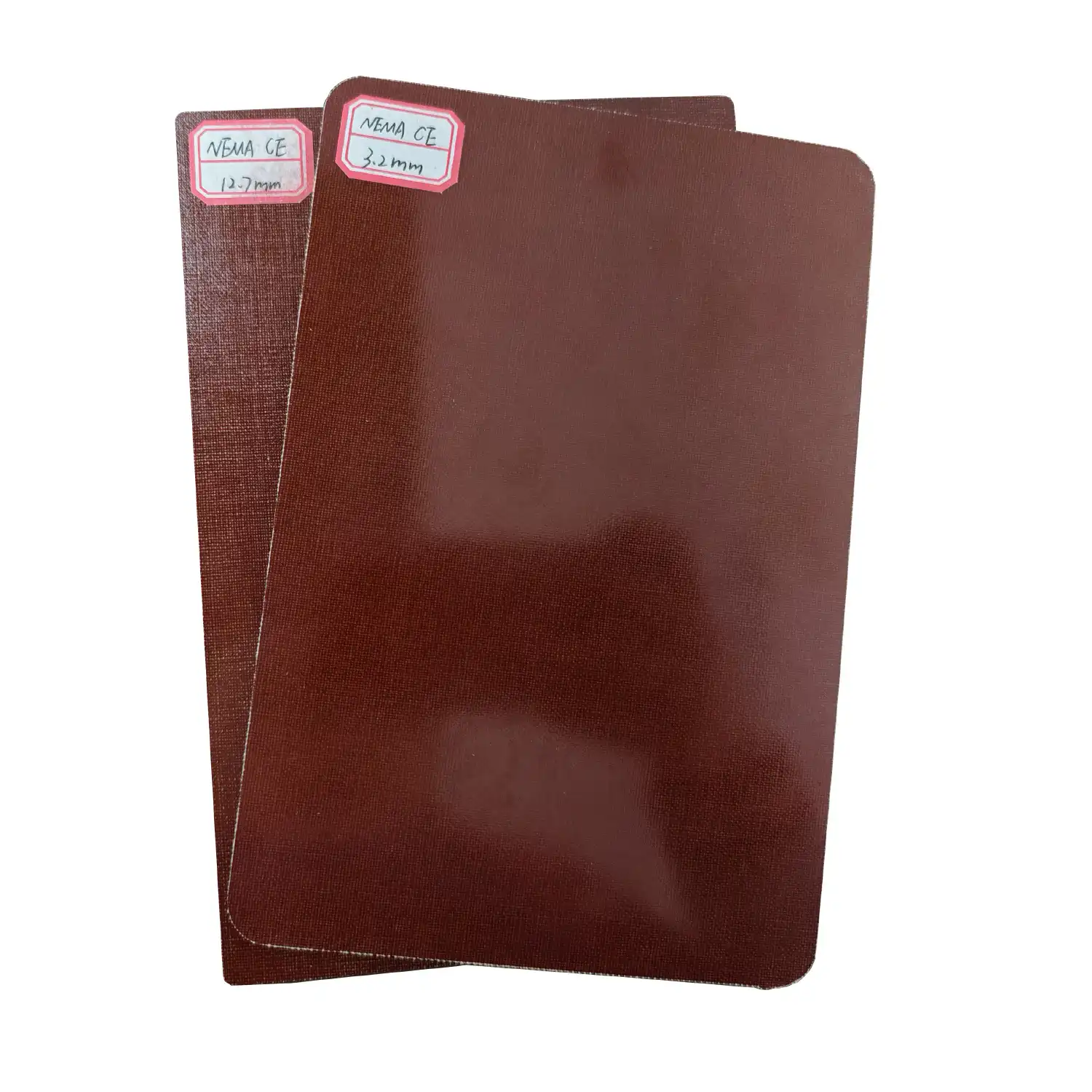
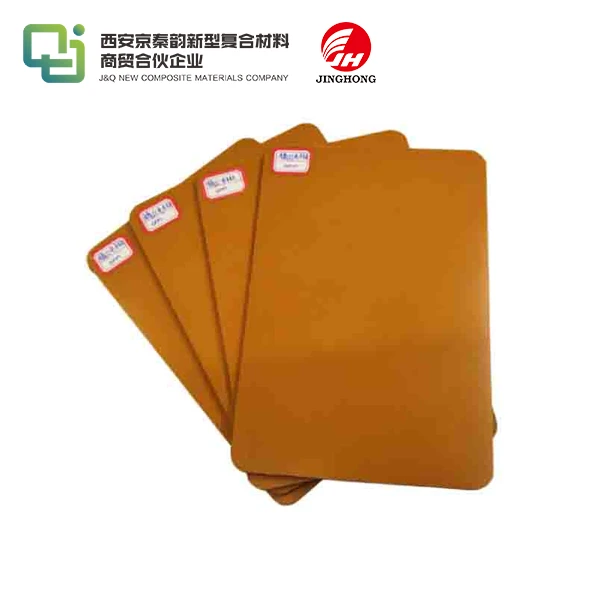
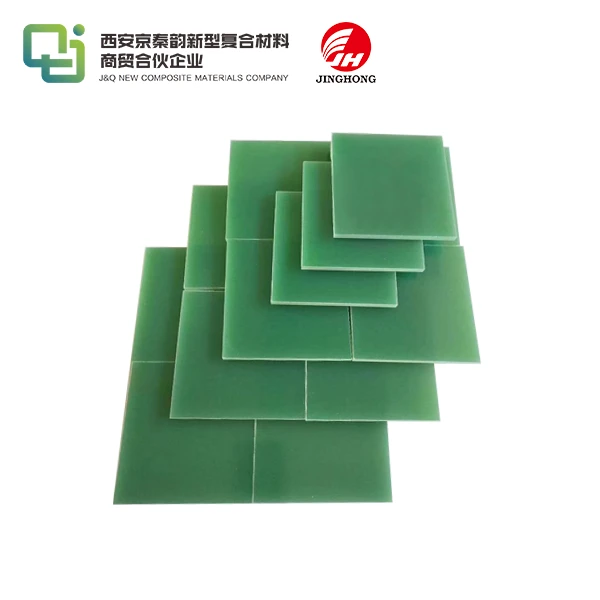
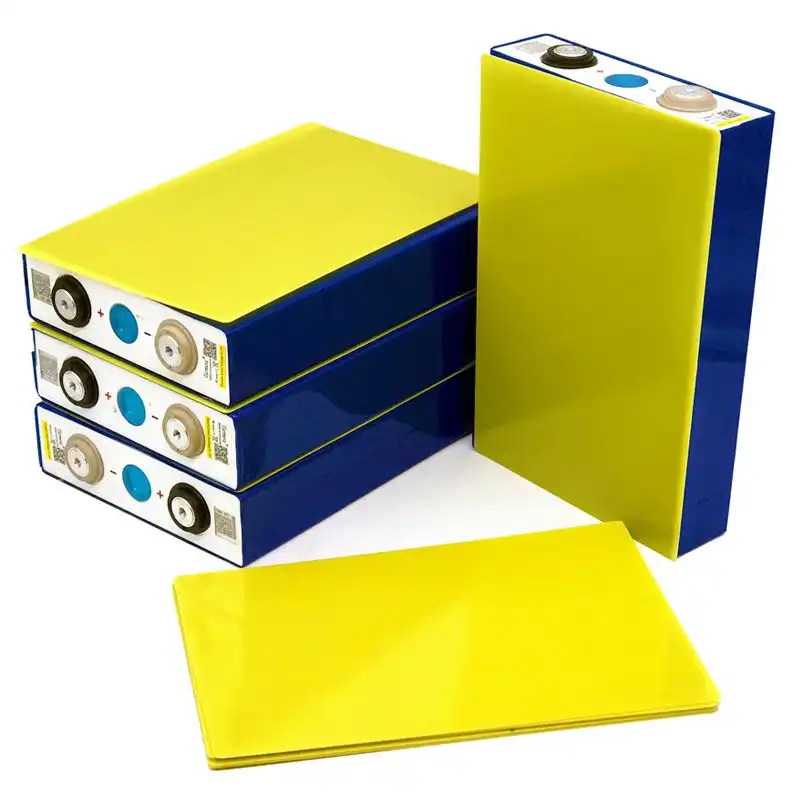
Epoxy FR4 Combines Electrical Insulation With Mechanical Strength
2026-08-26 17:30:47
Epoxy FR4 stands as a critical material in modern electronics and industrial applications, offering an exceptional dual advantage that engineering managers and procurement specialists depend on daily. This glass-reinforced epoxy laminate delivers robust dielectric properties alongside structural durability, making it indispensable for printed circuit boards, switchgear insulation, and precision industrial components. The material's flame-retardant characteristics and dimensional stability under thermal stress explain why it remains the industry standard across multiple sectors.
Introduction
Choosing the correct insulation material can make the difference between your production line working reliably and having costly breakdowns later on. As someone who has worked with electrical and industrial makers for more than 20 years, we know how hard it can be to choose the right base materials. Epoxy FR4 isn't just a commodity that you buy; it's a strategic choice that affects the reliability of your products, your ability to meet regulatory requirements, and, eventually, your ability to compete in tough markets like power distribution systems and car electronics.
This complete guide answers the most important questions that technical procurement teams and engineering managers ask when they talk to suppliers. We look at how FR4's ability to conduct electricity works with its ability to be strong, we look at the different types of materials that are on the market right now, and we give you useful information about how things are made and the standards for quality. This article gives you the information you need to make smart buying decisions that fit your project's needs and your budget, whether you're looking for parts for PCB assemblies, high-voltage switchgear, or aerospace structural parts.

Understanding Epoxy FR4 and Its Core Properties
Material Composition and Manufacturing Process
The carefully engineered structure of FR4 is what makes it work: woven fiberglass cloth that is saturated with epoxy resin and then cured under controlled heat and pressure. This way of making things makes strong covalent bonds between layers. This makes a composite that doesn't easily bend under mechanical stress or break when electrical stress is applied. The glass fibers give the material tensile strength and stability in its shape, and the bromine-based chemicals in the epoxy matrix make it stick well and not catch fire, meeting UL94 V-0 standards for flammability.
Electrical Insulation Characteristics
In electrical applications, one of the best things about FR4 is its dielectric strength. The material is very resistant to electrical breakdown, usually more than 20 kV/mm thickness. This is very important when making circuit boards for motor control systems or switches. The insulating qualities stay steady even in humid industrial settings because they don't absorb much water (usually less than 0.1% under normal conditions). This feature stops the material from slowly breaking down, which could lower safety margins in power distribution equipment or battery barriers for cars.
Mechanical Strength and Thermal Stability
In addition to being an insulator, Epoxy FR4 has great mechanical properties that make it useful for building structures. Because its flexural strength is usually between 380 and 550 MPa, FR4 sheets can be used as load-bearing spacers or mounting brackets without breaking. The temperature at which the material turns into glass depends on how it was made. Standard grades change at around 130–140°C, while High-Tg versions stay hard up to 170-180°C, which is good for lead-free soldering methods used in modern electronics assembly. This thermal resistance makes sure that the dimensions stay the same even after being heated many times without bending or delaminating.
Limitations and Application Boundaries
Even though FR4 is flexible, procurement teams should be aware of its limitations. The material's dielectric loss tangent goes up above 1 GHz, which means it's not as good for RF or microwave uses, where Rogers laminates work better than regular FR4. To keep the material from delaminating during drilling or routing operations, carbide tools and the right feed rates are needed for machinability. When engineers know these limits, they can choose the right materials for each job instead of using FR4 when there are other, more specialized materials that would work better.
Comparing Epoxy FR4 with Alternative PCB Materials
CEM-1 and Cost-Sensitive Applications
Composite Epoxy Material grade 1 has a paper-epoxy core and glass cloth sides. It is a cheap option for making single-sided boards or simple arrangements. When compared to standard FR4, CEM-1 cuts the cost of materials by about 15 to 20 percent, but it gives up power and resistance to moisture. Manufacturers of home appliances sometimes ask for CEM-1 to be used on simple control boards that don't need to be exposed to the environment much and where cost is the main factor in the decision to buy. When dielectric needs are low and structural loads stay low, the trade-off makes sense.
Polyimide for Extreme Temperature Environments
When temperatures are higher than FR4's glass transition range, polyimide laminates offer better thermal stability up to 260°C of constant operation. Polyimide substrates are often used in aerospace and downhole drilling electronics, even though they cost three to four times as much as standard FR4. Because the material is flexible, it can also be used in specific ways in flexible circuit assemblies. When purchasing managers look at polyimide, they should compare its high cost to its real thermal needs. Many industrial uses fall well within FR4's thermal range, so the extra cost isn't necessary.
Rogers Materials and High-Frequency Performance
Rogers Corporation has special PTFE and ceramic-filled hydrocarbon laminates that are made to have stable dielectric constants over a wide range of frequencies. In radar systems, telecommunications infrastructure, and RF power amplifiers, where signal integrity requires tight control over impedance characteristics, these materials work very well. While the electrical performance is better, the materials are much more expensive and harder to work with than regular epoxy laminates. Rogers materials aren't very useful for engineers making normal digital circuits, but their unique properties are very useful for high-speed signal processing uses.
Environmental Compliance Variants
Regulatory forces and business green efforts push the use of halogen-free FR4 formulations that get rid of flame retardants based on bromine. These versions meet the requirements of RoHS and REACH, and their electrical and mechanical properties are about the same as those of regular FR4 grades. Some halogen-free options get their UL94 V-0 grades from chemicals that are based on phosphorus or nitrogen. Automotive tier-1 suppliers are specifying these materials more and more to meet the sustainability requirements of manufacturers. They are willing to pay small price increases of 5 to 10 percent in order to get green certifications that meet customer expectations.
Practical Insights on Using Epoxy FR4 in PCB Manufacturing
Machining and Fabrication Best Practices
Choosing the right tools is the first step to successfully cutting Epoxy FR4. Carbide or diamond-coated drill bits can handle the roughness of glass fibers better than regular high-speed steel, which would wear down quickly. Keeping the spindle speed between 30,000 and 60,000 RPM and letting enough chips escape stops heat buildup that can cause resin to smear around the edges of holes. Compression-cut tools that shear fibers cleanly on both sides of the board are useful for routing tasks. We've seen that producers who spend money on good tools and regular replacement plans cut down on delamination defects by 40–50% compared to those who try to save money on supplies.
Thermal Management During Assembly
During reflow soldering, surface mount technology assembly heats FR4 boards to levels that quickly go above 240°C. If profile factors are not controlled well, standard-Tg materials can soften during these peaks. This can cause boards to warp or barrel cracks to form in metal through-holes. High-Tg FR4 grades give lead-free processes an extra safety margin. The procurement specifications should make it clear what Tg requirements are based on how the parts will be put together. Delamination or "popcorning" can happen when trapped water evaporates quickly during reflow. Pre-bake steps that remove absorbed moisture before soldering stop this from happening.
Quality Control Testing Procedures
Tough inspections at the beginning of the manufacturing process protect output rates and the quality of the finished product. A visual inspection looks for surface flaws, resin deficiency, or contamination that might make it harder for the copper to stick together during lamination. IPC-TM-650 method 2.4.22 bow and twist measures make sure that boards stay flat enough for automatic component placement. We suggest thermal stress testing with solder float methods at 288°C for at least 10 seconds. FR4 that was made correctly doesn't delaminate, split, or bend after this time. Copper foil adhesion is checked for peel strength, which is important to keep the trace from lifting during operation or field repair attempts.
Procurement Considerations for Epoxy FR4 Material
Supplier Evaluation Criteria
To build ties with dependable FR4 providers, you need to do more than just compare prices. Certifications for quality management systems like ISO 9001 and IATF 16949 show that processes are controlled consistently and that paperwork can be tracked back to their source. Suppliers who keep clear records of the raw materials' ownership help meet downstream audit requirements in regulated industries. Technical support is very important. Suppliers who offer thorough datasheets, help with application engineering, and quick sample response times can speed up design iteration cycles more than suppliers who only offer standard transactions without any technical depth.
Material Grades and Customization Options
Standard Epoxy FR4 is fine for most industrial controls and consumer electronics, but more specific grades are better for tough jobs. For car electronics, companies like Shengyi Technology make S1000-2 High-Tg versions, and for power distribution, Ventec VT42C has high comparative tracking index rates of more than 600V. Different thicknesses, from 0.2mm to 5mm, can be used for different design needs. For example, thin materials work well for high-density connecting boards, while thick sheets are good for solid mounting platforms. Custom copper weights ranging from 0.5 oz to 3.0 oz per square foot allow for the best utilization of current-carrying capacity. Instead of using common catalog items, we work with customers to choose the exact grade factors that meet the needs of the application.
Lead Time Planning and Order Volumes
Material availability changes with the cycles of market demand and the supply lines for raw materials. Standard types from major makers usually ship in two weeks for regular thicknesses, but it could take four to six weeks for unique shapes. Pricing is based on volume commitments. For example, yearly blanket orders with planned releases can save you 8–12% on costs compared to spot purchases and guarantee that materials will be available on time for production. Smart procurement teams weigh the costs of keeping inventory against the benefits of lower prices and more reliable supplies. Because we have good logistics, we can combine shipments, which lowers freight costs and lets us deliver at times that work with our customers' production schedules.
Case Studies and Future Trends in Epoxy FR4 Applications
Automotive Electronics Reliability
Modern cars have a lot of electrical control units that work in tough temperatures and vibrations. In engine management systems, FR4 substrates must stay the same size through thousands of thermal cycles from -40°C to +125°C and not get dirty from oil mist and road chemicals. In these tough conditions, high-Tg mixtures prove their worth—field failure analysis shows that materials that are properly defined are reliable for years, even when exposed under a hood. High-voltage isolation requirements in battery management systems for electric cars make things more difficult. To meet these needs, FR4's great dielectric strength is used in small package designs.
Power Distribution Infrastructure
FR4-based arc barriers and phase separators are used by companies that make utility circuits and transformers to stop faults from spreading in high-voltage equipment. Material specs need to pay close attention to tracking resistance—CTI rates above 175V make sure reliable performance in places where surface contamination could make conductive tracks. The flame-retardant features that meet UL94 V-0 standards offer important safety gaps when there is a fault. In this industry, where equipment lasts for decades, and materials stay the same over replacement cycles, long-term purchasing relationships are very important. This is because new installations can be swapped out for older ones.
Emerging Innovations and Sustainability
The main goal of research is to find ways to make FR4 less harmful to the earth while keeping its performance. Concerns about getting rid of and reusing brominated compounds are taken care of by halogen-free versions that use phosphorus-based flame retardants. Bio-based epoxy resins that come from plant sources instead of petroleum feedstocks have smaller carbon footprints without changing their electrical or mechanical properties. These new ideas are in line with global sustainability rules that affect how many things different industries buy. Companies that are looking to the future look at their suppliers' plans for the next generation of materials that balance performance, cost, and environmental duty. These are the kinds of factors that will have a bigger impact on how companies place themselves in markets that care about the environment.
Conclusion
Epoxy FR4 has remained popular in a wide range of industrial settings due to its mix of electrical protection and mechanical strength. The material works reliably as a dielectric and keeps its shape even when heated and cooled and put under mechanical stress. Successful procurement programs start with knowing how FR4's properties compare to those of other materials, being aware of the needs for quality control, and building relationships with reliable suppliers. As the market moves toward environmental compliance and specialized performance grades, it opens up chances for strategic material selection that makes products stand out while keeping costs low. When engineers and purchasing experts understand these technical and business aspects, they can gain a competitive edge in fields where choosing the right materials can affect safety, efficiency, and profits.
FAQ
Can Epoxy FR4 handle ultra-high-frequency circuit applications?
Standard FR4 works well for digital circuits that work below 1 GHz, but as the frequency goes up, dielectric loss goes up, which hurts the integrity of the signal. For RF, microwave, and millimeter-wave applications, Rogers laminates that are specially made and have stable dielectric constants across a wide frequency range work better than regular epoxy materials. When signal frequencies go over 2 GHz or when tight impedance control is needed, engineers building radar systems or telecoms infrastructure should use PTFE-based substrates instead of standard FR4.
How does flame retardance certification impact procurement specifications?
UL94 V-0-compliant FR4 materials put out their own fires within 10 seconds of being taken away from a fuel source and do not make flaming drips. For safety-critical uses in consumer electronics, industrial controls, and building infrastructure, this certification is a must. Procurement teams should check that the supplier's paperwork has the right UL recognition marks and proof of regular testing, since certifications need ongoing validation rather than a single approval.
What factors drive pricing variation among FR4 suppliers?
The prices of materials depend on many things, such as the quality of the base resin, the weight and weave pattern of the glass fabric, the thickness of the copper foil, and the level of control used in the manufacturing process. Specialized types, such as High-Tg formulas or halogen-free versions, cost more than regular materials. Order volume has a big effect on unit costs, and when you commit to buying in bulk, you can often get discounts of 10–15%. Lead times also affect prices; for example, fast orders usually cost 15-20% more than regular delivery times.
Partner With J&Q for Your Epoxy FR4 Procurement Needs
When your projects need insulation sheets that work well as dielectrics and last a long time, J&Q has what you need. Their materials are backed by 20 years of manufacturing experience and full technical support. Because we've worked with electrical makers, industrial machinery builders, and auto sellers for a long time, we know the specs that are important for your needs. Because we have built relationships across many trade networks and have our own specialized logistics infrastructure, we can make the whole procurement process easier, from the original quote to the final delivery. Our team is ready to talk about your needs and suggest the best solutions, whether you need standard FR4 sheets or High-Tg versions for harsh thermal environments. Email us at info@jhd-material.com right now to get full technical datasheets, cheap quotes, and expert advice from an Epoxy FR4 supplier with years of experience who wants to help you succeed.
References
1. National Electrical Manufacturers Association (NEMA). "Industrial Laminating Thermosetting Products Standards Publication LI 1-2018." NEMA Standards Publication, 2018.
2. Institute for Printed Circuits (IPC). "IPC-4101 Specification for Base Materials for Rigid and Multilayer Printed Boards." IPC Standards, 2021 revision.
3. Underwriters Laboratories. "UL 94: Standard for Tests for Flammability of Plastic Materials for Parts in Devices and Appliances." UL Safety Standards, 2020 edition.
4. Coombs, Clyde F. "Printed Circuits Handbook, Seventh Edition." McGraw-Hill Education, 2016.
5. Harper, Charles A. "Electronic Materials and Processes Handbook, Fourth Edition." McGraw-Hill Professional, 2018.
6. International Electrotechnical Commission. "IEC 61249: Materials for Interconnection Structures." IEC Standards Series, 2019 consolidated edition.