What Applications Require High-Strength Phenolic Cotton Sheet?
2026-08-28 11:04:42
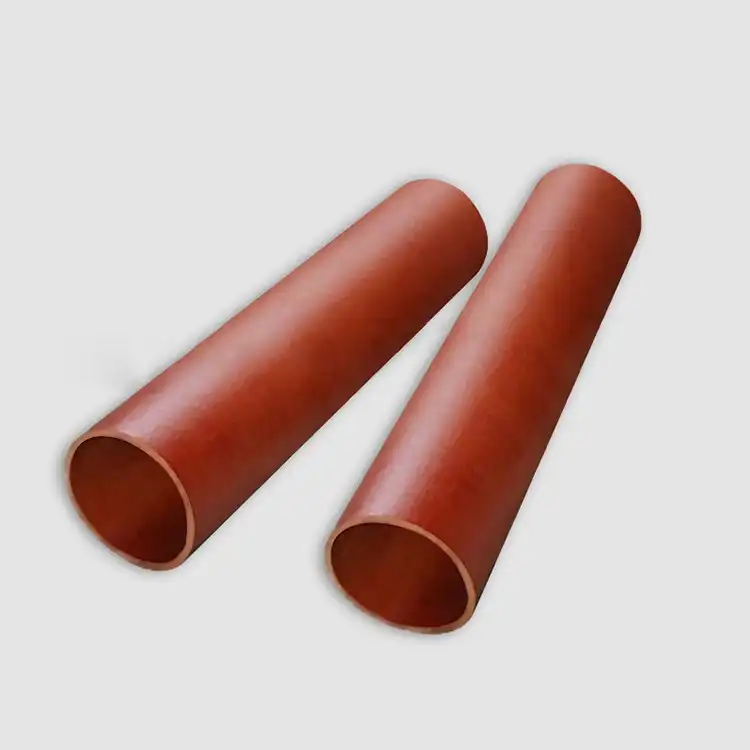
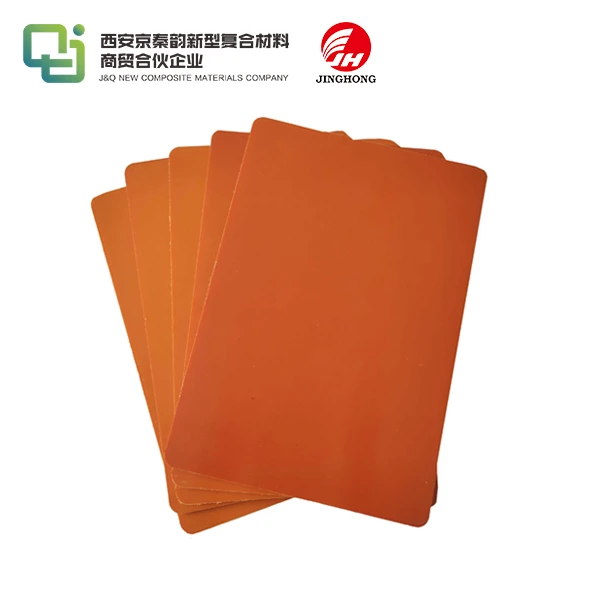
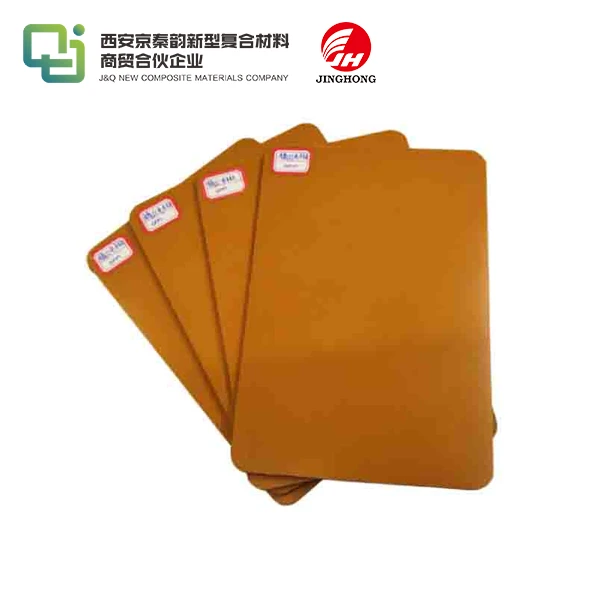
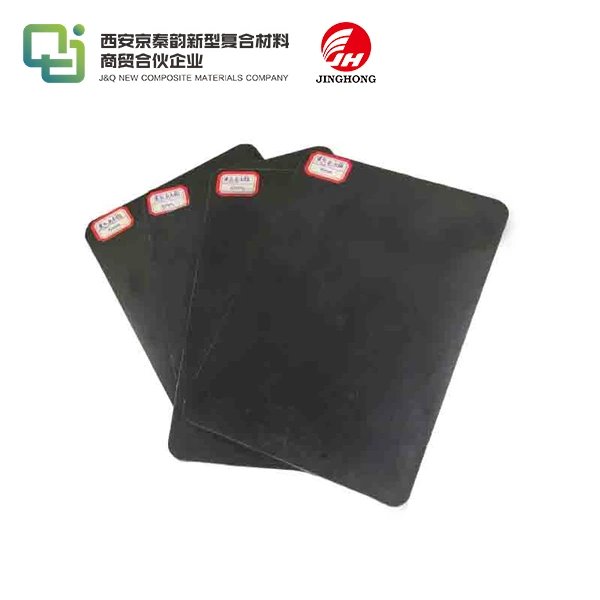
High-strength phenolic cotton sheets serve as essential materials across electrical, industrial machinery, power distribution, automotive, and appliance manufacturing sectors. These composite laminates—created by impregnating woven cotton fabric with phenolic resin under intense heat and pressure—deliver exceptional mechanical toughness, electrical insulation, and thermal stability. Industries rely on these materials for switchgear components, heavy-duty gears, transformer insulation, battery barriers, and motor brackets where conventional materials fail under demanding operational conditions.
Understanding Phenolic Cotton Sheet and Its High-Strength Properties
Phenolic cotton cloth laminates are a high-tech building solution that combines natural and man-made parts. To make it, several layers of knitted cotton cloth are saturated with phenolic resin (bakelite), and the whole thing is then cured at temperatures above 150°C under a lot of pressure. Cross-linked molecular bonds are made during this thermosetting process. These bonds hold the material in a hard, solid shape.
What Makes These Sheets Different from Alternatives?
The cotton base is more resistant to impact than phenolic versions made from paper. When suddenly put under mechanical stress, cotton fibers absorb energy through controlled deformation instead of brittle fracture. This is a very important property for gearing applications where unexpected jamming could destroy expensive drive systems. Compared to metal-to-metal contact points in machinery systems, the material's natural dampening properties cut vibration transfer by 40 to 60%.
Key Performance Characteristics Engineering Teams Value
Load-bearing capacity and accuracy of measurements are directly affected by the quality of the resin and the density of the fabric weave. Even after CNC machining, premium-grade sheets keep their thickness tolerances within ±0.1mm. The dielectric strength is usually between 12 and 16 kV/mm, which is enough for most medium-voltage insulation needs. The compressive strength is 200–250 MPa, and the flexural strength is 140–180 MPa on average. These strengths allow the material to be used for more than just insulation barriers in structures.
Temperature resistance goes up to 120°C to 140°C, and it can handle temperatures as high as 180°C for short periods of time. This thermal envelope fits motor housings, generator parts, and device systems that have trouble getting rid of heat using regular plastics. In industrial fluid settings, parts that are chemically neutral against oils, weak acids, and alkaline solutions are safe.
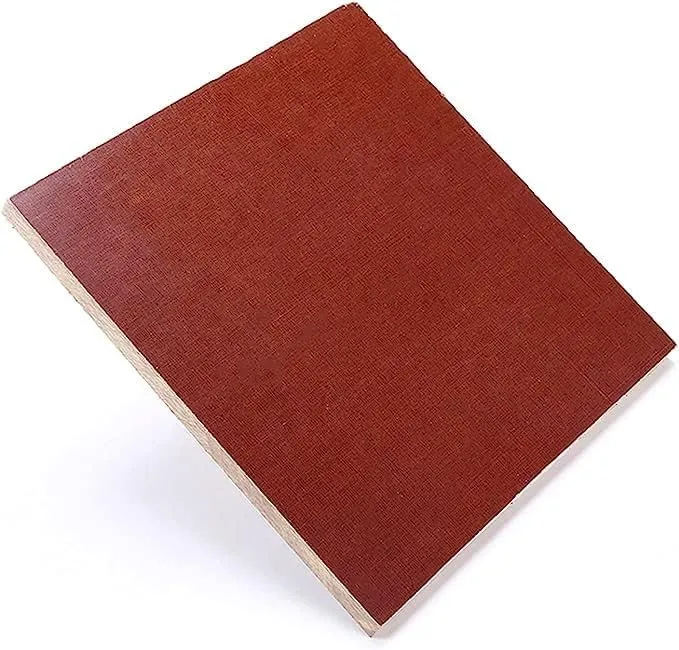
Top Industrial Applications Requiring High-Strength Phenolic Cotton Sheets
Real-life usage examples show why sourcing teams in many industries choose these laminates for mission-critical parts.
Electrical and Electronics Manufacturing
Materials that are both dielectrically sound and mechanically strong are needed for switchgear assemblies. Phenolic Cotton Sheets are used to make arc chutes, insulation barriers, and terminal boards that can handle both electrical stress and physical shaking during switching operations. The material can be precisely machined to make complicated shapes with threaded pieces and mounting holes without the risk of delamination.
Wave soldering thermal cycles are good for PCB support structures made from Phenolic Cotton Sheet because they keep their shape. Unlike FR4 glass-epoxy sheets, which are only designed to work well with electricity, cotton-based phenolic laminates make parts that will be handled on an assembly line more resistant to impact. In environments with rotating machinery, the material's balance of electrical isolation and mechanical strength is used in motor end plates and commutator insulators.
Industrial Machinery and Equipment
Metal gears make a lot of noise and can break in terrible ways when they get stuck, which is a problem that heavy machinery builders have to deal with all the time. Phenolic cotton gears solve both problems because they naturally soften vibrations and are designed to fail in a certain way. When the material is overloaded, it gradually shreds instead of breaking. This keeps expensive steel motor assemblies and drive shafts from getting damaged again.
Wear strips and guide rails in conveyor systems use the surface's low friction and resistance to wear. Material engineers say that if you use the right lubricant, things can last up to three to five years of continuous use. Gaskets and spacers keep the compression set resistance constant even when the temperature changes. This keeps hydraulic systems from leaking and multi-component setups within exact mechanical specs.
The material's ability to block vibrations is useful for making machine frames. Mounting plates made from phenolic laminates stop vibration transfer between precision machining tools and the frames that hold them up. This directly improves the quality of the surface finish in production processes.
Power and Energy Sector Applications
When flame resistance and mechanical longevity are both needed, transformer makers choose Phenolic Cotton Sheets for coil separation barriers and arc shields. The material's ability to put itself out of fire meets UL94 V-0 standards, which is important for parts that work near live wires. Different voltage classes, from distribution transformers to industrial power supplies, can be accommodated by thicknesses ranging from 0.5 mm to 50 mm.
Busbar support insulators have to be able to handle both electrical stress and mechanical pressure from the weight of the conductors and the forces of heat expansion. Phenolic Cotton Sheets keep their shape across this combined stress profile and can be precisely machined to fit any fastening design. The material's resistance to tracking and arc erosion over its service life is appreciated by installation teams.
Automotive and Transportation Components
Putting together a battery pack for an electric car has its own challenges: thermal barriers need to keep cells separate while also being able to handle vibration, stay resistant to flames, and allow for precise machining of complex geometries. Phenolic cotton laminates meet all of these needs at the same time. Automotive-grade versions meet IATF 16949 quality system standards.
Insulation pads under electronic control modules stop heat from moving from engine compartments and reduce vibrations, which makes solder joints last longer on circuit boards. Heat-resistant tools used in manufacturing processes, like welding jigs and paint marking templates, use the material's ability to keep its shape even after being heated and cooled many times.
Home Appliance Manufacturing
Appliance brands try to be as cost-effective as possible without sacrificing safety. Phenolic Cotton Sheets are used to make motor brackets and insulation frames that meet UL standards at a reasonable cost. For mass production, stability is very important. For example, consistency in thickness, color, and mechanical properties from batch to batch lets automated assembly processes work without having to make many tooling adjustments.
Parts that separate heat in cooking tools and heating elements made from Phenolic Cotton Sheet need to be able to work at high temperatures for a long time. Because the material doesn't conduct heat well, it keeps plastic housings and electronic controls around it from breaking down too quickly.
Comparing Phenolic Cotton Sheet with Alternative Materials for High-Strength Uses
Instead of focusing on optimizing just one parameter, material selection choices depend on knowing how different materials compare in terms of performance across a number of factors.
Phenolic Cotton Versus Phenolic Paper Laminates
Phenolic sheets made from paper have great electrical properties and smooth surfaces that are perfect for precise electrical assemblies. But cotton versions have 30–40% higher impact strength and better resistance to moisture, which are very important in uses that are mechanically stressed and in humid working conditions. The cotton base structure doesn't delaminate when it's machined close to the edges, which means less waste during fabrication.
Performance Against Fiberglass Composites
Fiberglass-reinforced plastics are great for applications that need to be resistant to chemicals or high temperatures, but they are hard to machine. Tool wear rates go up a lot, and cutting processes create a lot of dust, so air systems need to be improved. Phenolic Cotton Sheets are easier to make with normal carbide tooling, which lowers the cost of production while still providing enough chemical protection for the majority of commercial fluids.
Advantages Over Wood-Based Materials
Plywood and medium-density fiberboard soak up water, which changes their size and weakens their mechanical properties. Phenolic laminates don't swell or warp when the relative humidity ranges from 10% to 95%. They keep working the same way. This stability is very important in precise mechanical assemblies and outdoor uses where wood products break down quickly.
Procurement Guide for High-Strength Phenolic Cotton Sheets
Strategic choices about where to get things affect both the short-term success of a project and its long-term dependability.
Evaluating Supplier Capabilities
Certification qualifications are the first signs of quality security. ISO 9001 quality management systems make sure that processes are always the same, and UL recognition shows that electrical safety testing was done correctly. Suppliers who work with automakers usually have IATF 16949 certifications, which show that they can plan and control quality in an advanced way. When you list critical applications, ask for factory audit reports or inspection records from a third party.
Understanding Specification Requirements
Tolerances for thickness have a direct effect on the fit of the unit and the electrical clearance gaps. Standard commercial tolerances are ±0.5mm, while precision grades can get as close as ±0.1mm by grinding after the steel has cured. Surface finish standards affect how well paint sticks and gaskets close. Find out if the sheet stock needs to be sanded more or if it comes ready to be put together right away.
Color differences between production groups for Phenolic Cotton Sheet could hurt the look of things that people see. Set standards for acceptable color matches when looks are important. Certifications for mechanical properties should include data that can be used to track specific lots of materials for tensile strength, flexural strength, compressive strength, and impact resistance.
Optimizing Order Quantities and Lead Times
Standard thicknesses and colors usually have a minimum order quantity of 100 kg. Custom specifications, on the other hand, need commitments of 500 kg or more. Lead times range from two to three weeks for stock materials to six to eight weeks for custom formulas or specific thickness needs. Blanket purchase orders with scheduled releases help keep the costs of keeping inventory in check with the needs of production planning.
Value-Added Services That Reduce Total Cost
Precision cutting services get rid of the need to buy machine tools for your own business and cut down on waste. CNC routing, waterjet cutting, and laser profiling make it possible to make complicated shapes with limits that meet the needs of the end assembly. Kitting services that combine cut parts with fasteners and assembly instructions make production lines run more smoothly. This is especially helpful for manufacturing networks with multiple locations.
Installation, Maintenance, and Safety Best Practices
Throughout the lifecycle of a product, the right handling procedures protect both the performance of the material and the safety of the workers.
Machining and Fabrication Guidelines
When working with phenolic laminates, carbide-tipped cutting tools keep their sharp edges longer than high-speed steel tools. With spindle speeds between 3000 and 6000 RPM and feed rates between 0.1 and 0.3 mm per revolution, you can get clean edges with little delamination. Hold workpieces tightly while they are being cut to keep the exit sides from chipping.
Sharp twist tools with 118-degree point angles are needed for drilling. By moving forward in 2-3 mm steps and pausing to clear the chip, peck drilling techniques keep the drill from getting too hot, which can burn the resin binders. Using coolant on tools extends their life and improves the quality of the finish on the surface, but mist must be controlled by proper ventilation systems.
Routine Maintenance Considerations
Cleaning it every so often with light soaps gets rid of dust and other particles that could damage the electrical insulation. Stay away from solvents that come from petroleum, as they can soften phenolic resin after long contact times. Check the mounting hardware for looseness that could be caused by temperature changes or vibration. Tighten the fasteners back to the correct torque during regular maintenance intervals.
Worker Safety Protocols
The dust that is made during grinding has phenolic resin particles and cotton fibers that are harmful to the lungs and need to be avoided. Particulate respirators rated N95 or higher by NIOSH are sufficient for protecting workers during sporadic tasks. On the other hand, local exhaust air systems that collect dust at its source are necessary for continuous machining. Safety glasses protect your eyes from dust and dirt in the air, and hearing protection blocks out noise from high-speed cutting tools.
Conclusion
In the electrical, industrial gear, power distribution, car, and appliance-making industries, high-strength Phenolic Cotton Sheets are used to meet tough demands. Their balanced mix of toughness, electrical insulation, thermal stability, and the ability to be machined makes them better than other materials in a wide range of situations, from heavy-duty gears to transformer barriers. Understanding the requirements of the specification, evaluating the capabilities of the supplier, and putting in place the right handling procedures that maximize material performance throughout the product lifecycle are all important parts of successful procurement.
FAQ
How do phenolic cotton sheets compare to phenolic paper sheets in mechanical strength?
Because cotton fiber is naturally tough, cotton-based laminates are 30–40% more resistant to impact than paper-based laminates. Paper sheets work best for electrical uses that need smooth surfaces and tight thickness tolerances. Cotton sheets, on the other hand, work best for parts that are stressed physically, such as gears and structure supports. Rates of moisture absorption also favor cotton building in damp work settings.
Can phenolic cotton sheets withstand outdoor weathering and UV exposure?
Standard phenolic formulations slowly break down when exposed to UV light for a long time. After 12 to 18 months of direct sunlight, the surface starts to chalk, and the color fades. UV-stabilized grades with carbon black pigments make outdoor use last up to three to five years for non-structural uses. Installations that are kept out of direct sunlight and inside have service lives that last forever as long as they are protected from mechanical damage.
What thickness should I specify for high-load bearing applications?
The load-bearing ability changes with the thickness of the material and the shape of the support span. Bearing blocks and gear blanks usually need 10–25 mm of thickness, while 30–50 mm material is best for structural panels that are 300 mm or longer. Instead of just using material thickness rules, you should look at a mechanical engineering study that takes into account the deflection limits and safety factors that are right for your loading conditions.
Partner with J&Q for Your Phenolic Cotton Sheet Supplier Needs
J&Q can help you find the materials you need because they have been making high-quality products for over 20 years and have been trading internationally for ten years. Because our businesses are vertically integrated, we have dedicated logistics capabilities that allow us to provide one-stop service from initial specification consultation to final delivery. Custom CNC cutting services, customized thickness choices, and volume price structures made for OEM partnerships are available to engineering teams. Our dedication to consistent material performance is shown by our quality certifications and track records with global makers. You can email our technical experts at info@jhd-material.com or visit jhd-material.com to talk about your application needs, ask for material samples, and find out how our Phenolic Cotton Sheet solutions can improve the reliability of your products and make your supply chain more efficient.
References
1. Harper, C.A. (2004). Handbook of Building Materials for Fire Protection. McGraw-Hill Professional Publishing.
2. Lubin, G. (1982). Handbook of Composites: Phenolic Resins and Laminates. Van Nostrand Reinhold Company.
3. Margolis, J.M. (1986). Engineering Thermoplastics: Properties and Applications of Industrial Laminates. Marcel Dekker Inc.
4. Peters, S.T. (1998). Handbook of Composites: Industrial Applications of High-Performance Materials. Chapman & Hall Technical Publications.
5. Richardson, T. (2003). Composites: A Design Guide for Electrical and Mechanical Engineers. Industrial Press Technical Series.
6. Weatherhead, R.G. (1980). Phenolic Resins and Composite Materials: Manufacturing and Applications. Applied Science Publishers.