Why Do Manufacturers Choose FR4 Epoxy Sheet for Electrical Insulation?
2026-08-28 11:04:46
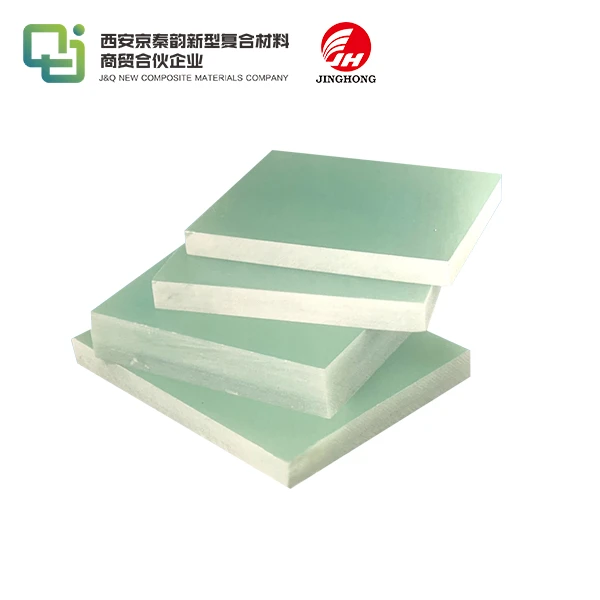
Manufacturers across electrical, industrial, and power sectors consistently choose FR4 epoxy sheet as their preferred insulation material because it delivers unmatched electrical isolation combined with mechanical strength and thermal stability. This glass-reinforced epoxy laminate meets stringent safety standards while withstanding harsh operating environments—from high-voltage switchgear to precision PCB assemblies. Its flame-retardant properties, dimensional accuracy, and compliance with UL94 V-0 and RoHS certifications make it indispensable for applications where failure is not an option, ensuring both operational safety and long-term reliability in demanding manufacturing environments.
Understanding FR4 Epoxy Sheet: Composition and Properties
What Makes FR4 a High-Performance Insulation Material?
NEMA guidelines say that FR4 glass epoxy sheet is the best type of thermoset plastic composite. The material is made up of several layers of continuous-woven fiberglass cloth that has been fully mixed with an epoxy resin binder and then pressed together using controlled heat and pressure. "FR" stands for "Flame Retardant." This is achieved by using brominated epoxy mixtures that meet UL94 V-0 fire safety standards. This mixture solves important problems in manufacturing by providing reliable electrical separation in damp places where cheaper materials like phenolic paper fail.
Core Technical Properties That Drive Manufacturing Excellence
Because of how it's made, this material has real benefits in production settings. The material's density is between 1.85 and 2.10 g/cm³, which means it has the right amount of strength to weight to lower structural load without lowering performance. According to ASTM D570 tests, it doesn't absorb more than 0.2% of water, so its dielectric qualities stay fixed even in tropical areas or marine settings. The bending strength is higher than 340 MPa, which means the material can handle mechanical stress during use and building.
Temperature efficiency is one of the most important factors that sets it apart. The glass transition temperature for standard grades stays between 130°C and 140°C. For lead-free soldering, high-Tg variants can reach temperatures above 170°C. This thermal resistance keeps the Z-axis from expanding and delaminating when it is heated and cooled many times in automatic production lines. Electrically, the failure voltage is more than 40kV perpendicular to the laminations, and the arc resistance is more than 60 seconds. These are important measurements for high-voltage uses.
Dimensional Stability and Machinability for Precision Applications
Manufacturing engineers like how stable the material is in terms of its dimensions during CNC machining. Glass-reinforced epoxy laminates keep their tight tolerances when machined into complex shapes for insulators, fixtures, and structural parts. This is in contrast to phenolic alternatives that may warp or chip. Because it comes in different thicknesses, procurement teams can define exact sizes that match engineering plans without affecting the mechanical or electrical performance. The thickness tolerances that are the same across production batches make sure that the process can be repeated, which cuts down on waste and rework costs.
Comparing FR4 Epoxy Sheet with Other Epoxy and Insulation Materials
How FR4 Stands Against G10 Laminates?
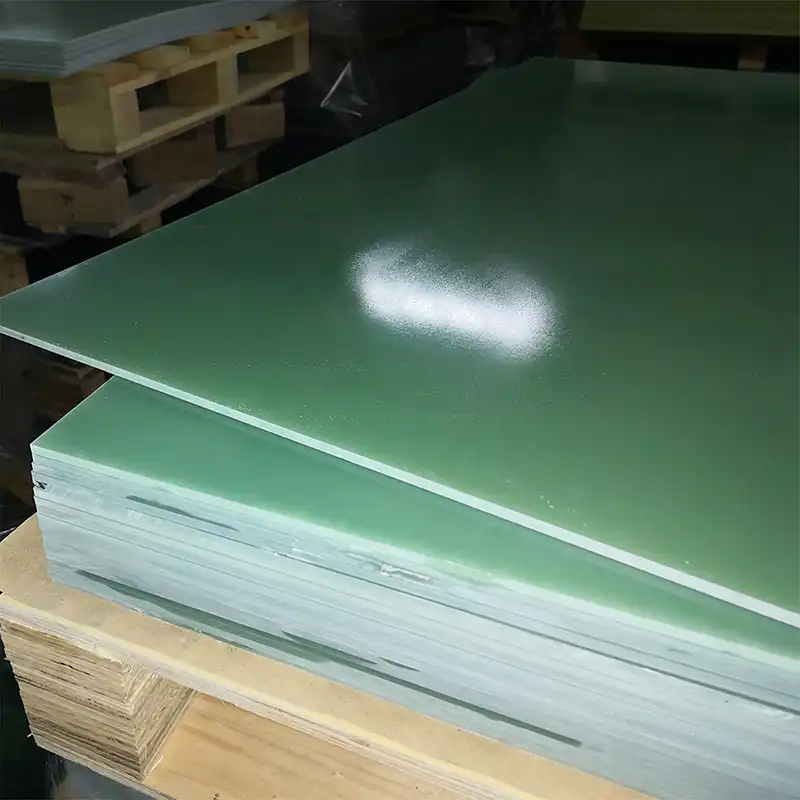
FR4 and G10 are both made of glass-epoxy and have similar mechanical strength profiles. The main difference between them is how well they resist flames. G10 doesn't have any flame retardants based on bromine, so it can't be used in situations where it needs to be able to put out fires on its own. FR4 has mostly replaced G10 in the production of electronics because it meets safety standards without lowering performance. In power distribution equipment and consumer electronics, where ignition sources could cause catastrophic failures, the extra flame resistance is an important safety feature.
Performance Comparison with Alternative Insulation Materials
FR4 Epoxy Sheet is better at balancing electrical, thermal, and dynamic properties than carbon fiber reinforced plastics (CFRP), phenolic laminates, mica sheets, and regular fiberglass. Because it contains conductive carbon, CFRP is not a good electrical insulator. However, it is very good at holding structures together. Phenolic materials are cheaper, but they aren't as strong mechanically and don't fight water as well. Mica sheets work well in places with very high temperatures, but they are fragile and hard to make into complicated shapes.
Epoxy glass laminates are better for most industry uses because they are cheaper and work better. Specialized materials might work better in certain parameter ranges, but the best overall cost of ownership comes from having a reliable dielectric strength (usually 500 V/mil), consistent mechanical properties, and a history of long-term durability. Professionals in procurement know that the original cost of the material is only one part of lifetime economics. Other factors, such as lower failure rates, easier machining, and reliable supply availability, also play a big role in return on investment.
Why Manufacturers Prefer FR4 Epoxy Sheet for Electrical Insulation?
Exceptional Electrical Insulation Under Real-World Conditions
It has great electrical qualities because it is made of a composite structure, which means that epoxy glue completely surrounds glass fibers, blocking air gaps and moisture paths. Even when exposed to humidity, temperature changes, and chemical contaminants that are common in industrial settings, this construction still provides good insulation. The dielectric strength stays the same over a wide voltage range. This keeps short circuits and electrical tracking from happening, which could make the equipment less safe. Power distribution engineers depend on this steady performance to keep sensitive parts safe and make sure that mission-critical systems keep running.
Thermal Management in High-Temperature Environments
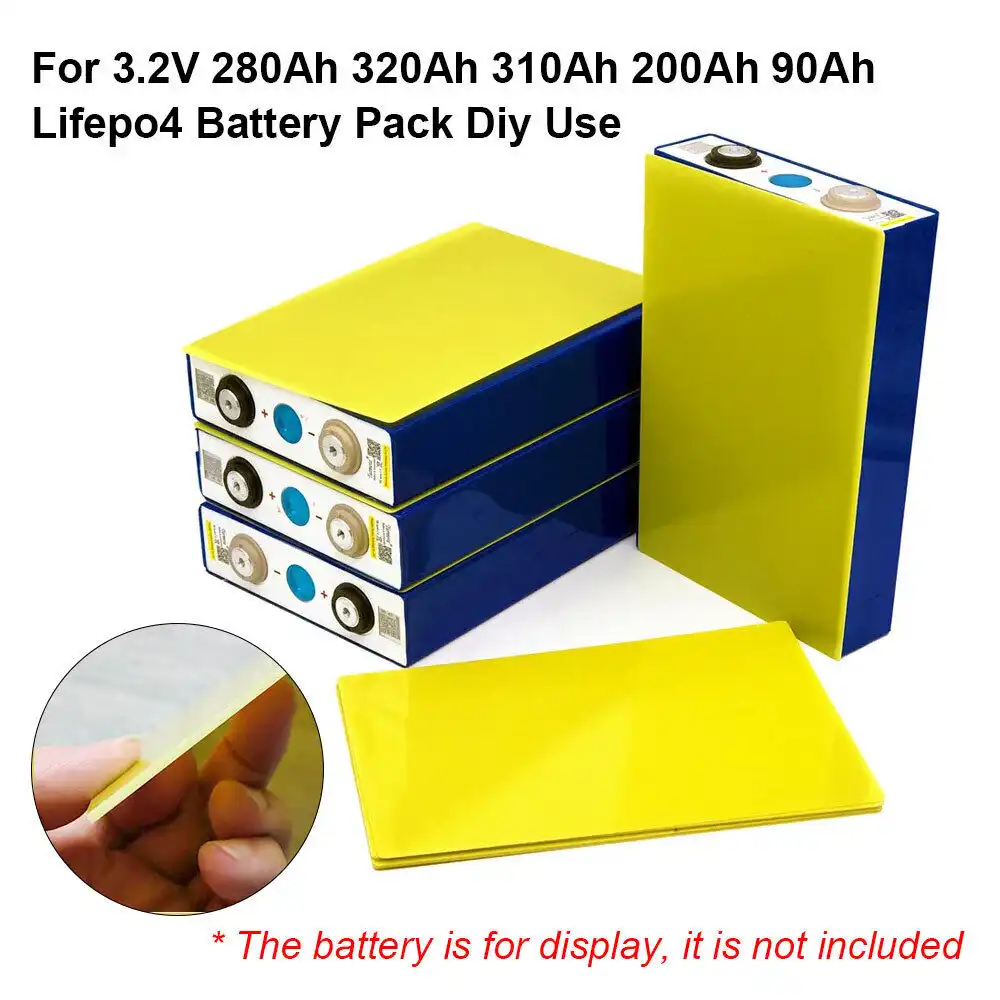
Transformer coils, motor housings, and power electronics often work at temperatures higher than those at which normal insulation materials break down. Glass epoxy laminates can be exposed to 130°C for a long time without losing their electrical or mechanical features. The low thermal conductivity saves parts that are easily damaged by heat, and the thermal stability of the material stops changes in size that could lead to gaps or shorts in insulation systems. This ability to withstand high temperatures is very important in places like car battery pack barriers and appliance motor brackets, where temperatures change many times during the life of the product.
Versatility Across Multiple Manufacturing Applications
Manufacturers use this laminate for more than just traditional PCB substrates. They use it in a variety of roles across their production facilities. In high-voltage switches, machined parts act as arc chutes and phase barriers that stop tracking, which is when conductive carbon tracks form under electrical stress. Precision manufacturing tools, like wave solder carriers and SMT placement jigs, use the material's stiffness and low thermal expansion to keep their positions accurate even after many thermal cycles. Mechanical engineers use it to make gears, spacers, and structure barriers that keep electricity from getting through and can also hold weight.
Compliance with Global Standards and Sustainable Manufacturing
In businesses with a lot of rules, choosing materials is based on how well they follow the rules. This laminate is certified to meet the standards of NEMA LI 1-1998, IEC 60893, and MIL-I-24768/27. It has been tested and proven to work well, meeting engineering requirements and audit requirements. RoHS certification makes sure that limits on dangerous substances are followed, which supports efforts to use sustainable materials and keep environmental commitments. UL certification shows that flame resistance and electrical safety have been checked by a third party. This gives procurement teams, quality assurance departments, and end customers who want certified materials more confidence.
How to Procure FR4 Epoxy Sheet: Key Considerations for B2B Buyers?
Evaluating Supplier Capabilities and Manufacturing Standards
To choose the right supplier for FR4 Epoxy Sheet, you need to carefully look at their production skills, quality processes, and name in the market. Established companies have quality management systems that are ISO-certified and make sure that each batch is the same, which is very important for OEM production plans. Buyers can find suppliers who can meet exact requirements by checking the sources of raw materials, controls for resin formulation, and lamination process parameters. Every shipment should come with technical paperwork, like material certifications and test reports, to help with tracking and compliance checks.
Customization Options and Order Flexibility
Different uses have very different manufacturing needs, so being able to customize is a key way that providers can set themselves apart. Leading makers offer a range of thicknesses, unique sheet sizes, and resin formulas that can be changed to meet specific electrical or heat needs. Knowing the minimum order amounts helps procurement teams balance the costs of goods with the savings that come from buying in bulk. Lower minimum order quantities (MOQs) from suppliers are helpful for making prototypes and small batches, while buying in bulk saves money when making a lot of things.
Sample Testing and Quality Assurance Protocols
By asking for samples before placing a big order, you can avoid problems with quality and specifications not matching up. When you look at a sample, you should check its dimensions, look for holes or separations, and ideally have key electrical and mechanical properties tested by a third party. Setting clear acceptance standards based on engineering specs makes it possible to compare suppliers in an unbiased way. Quality assurance agreements that cover defect rates, return policies, and performance guaranties give buyers who are in charge of complicated supply chains even more protection.
Lead Times, Logistics, and Supply Chain Reliability
Planning production depends on knowing when materials will be available. To make sure that buying cycles and production plans work together, it's helpful to know the normal lead times for both stock and custom designs. If a supplier has a well-established logistics network and experience with foreign shipping, delays and damage during travel are less likely to happen. Supply disruptions can be lessened by looking at how suppliers handle inventory, production capacity, and backup sourcing options. Clear communication about the status of orders, shipping documents, and customs requirements speeds up the buying process and lowers the administrative load.
Maximizing Value: How to Choose the Best FR4 Epoxy Sheet for Your Needs?
Aligning Material Specifications with Application Requirements
A thorough look at the operating conditions and performance needs is the first step in choosing the right materials for FR4 Epoxy Sheet. Based on the voltage levels and shielding gaps in the application, electrical engineers should set minimum values for dielectric strength, volume resistivity, and arc resistance. To make sure that mechanical loads and vibrations don't damage the material, mechanical engineers have to figure out its flexural strength, compressive strength, and impact resistance. When choosing between normal and high-Tg grades, thermal needs like continuous operating temperature, glass transition temperature, and coefficient of thermal expansion play a big role.
Environmental factors have a big effect on how well and how long something lasts. Applications that will be wet need to check how much water they can absorb and how stable their insulation resistance will be over time. Chemical contact from coolants, cleaning solvents, or process fluids means that compatibility testing needs to be done. Different industries have different needs when it comes to flame resistance. For example, consumer electronics usually need a UL94 V-0 rating, while aerospace applications may need more certifications.
Beyond Price: Total Cost of Ownership Considerations
The purchase price is only one part of the total cost. The ease of machining a material affects how quickly it can be made. For example, glass-reinforced laminates need carbide or diamond tools and the right way to remove dust, which raises the cost of processing. Even if the unit prices of materials go up, suppliers who offer pre-machined parts or value-added services like CNC cutting may be able to lower overall production costs. Coverage under a warranty and access to expert help protect against problems with specifications or applications that could slow down production.
In industries that are regulated, certification paperwork and help with compliance cut down on administrative costs. It's easier to keep track of quality and meet legal requirements when suppliers give you material safety data sheets, RoHS statements, and UL yellow card data. Technical support after the sale helps fix problems with installation and find the best processing settings. This is especially helpful when switching to new materials or releasing new product designs.
Strategic Supplier Partnership for Long-Term Success
Building ties with dependable providers has benefits that go beyond individual purchases. Preferred providers learn a lot about your application needs and quality standards, which lets them make proactive suggestions and create unique solutions. When materials are in short supply, stable supply relationships give priority to those who need them and offer good terms for volume commitments. Suppliers who work together share information about new technologies, insights into the industry, and new ways to use technologies to make products work better or lower the cost of making them.
Conclusion
The choice of glass-reinforced epoxy laminates like FR4 Epoxy Sheet as electrical insulation was a practical engineering choice based on their track record of performance, compliance with regulations, and dependability in production. This material meets important needs in electronics, power systems, automotive, and industrial machinery because it is electrically isolated, thermally stable, mechanically strong, and doesn't catch fire. A good procurement process balances technical requirements with the supplier's abilities. This makes sure that the performance of the materials matches the needs of the application while keeping the supply chain running smoothly. Buying approved, high-quality insulation materials is a smart investment that pays off in the form of lower failure rates, easier production, and safer products.
FAQ
What distinguishes FR4 from standard G10 laminate material?
Both are made of glass-epoxy and have similar mechanical qualities. The main difference is that one doesn't catch fire easily, while the other does. G10 doesn't have the UL94 V-0 self-extinguishing performance of FR4, but FR4 does because it has bromine-based additives. Because of rules in electronics and power equipment, FR4 has become the usual specification, and it has replaced G10 in most industry settings where fire safety is important.
What operating temperature limits should engineers consider?
Standard types have a glass transition temperature between 130°C and 140°C, which means they can be used continuously in Class B at 130°C. For lead-free soldering and high-temperature uses, high-Tg types that can handle 170°C or more are needed. When you go above the glass transition temperature, the Z-axis expands and the mechanical properties start to break down. This could affect the accuracy of measurements and the way the electronics work.
Does machining glass-reinforced epoxy laminate require special precautions?
Because it contains glass fiber, this material is very rough on cutting tools, so carbide or diamond-tipped tools are needed for best results. Fine glass dust particles are made during the machining process and can be harmful if breathed in or on the skin. For the safety of their workers and to keep measurements accurate, professional production facilities must use HEPA dust filtration systems and wet cutting methods.
How does moisture affect long-term electrical performance?
The material absorbs very little water—usually less than 0.2% by weight—so it keeps its insulation properties even in damp places. This resistance to wetness is very important in humid areas, at sea, and on equipment that gets wet. Paper-based phenolic materials lose their dielectric strength when they get wet, but glass-epoxy construction keeps its electrical qualities fixed over the life of the product.
Why do sheet colors vary between manufacturers?
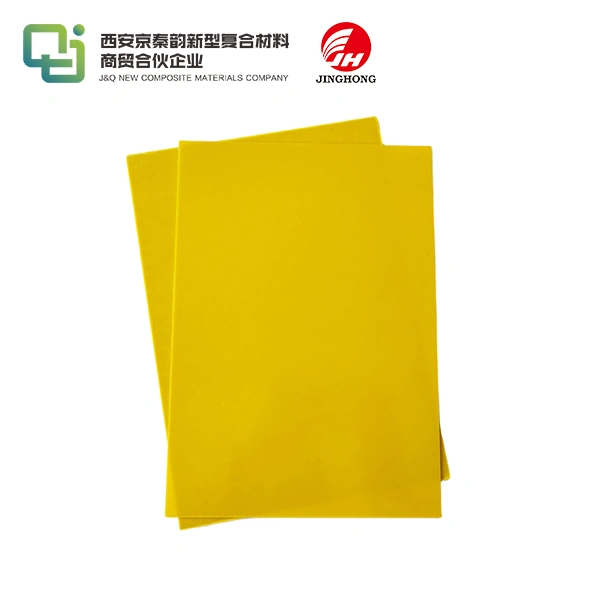
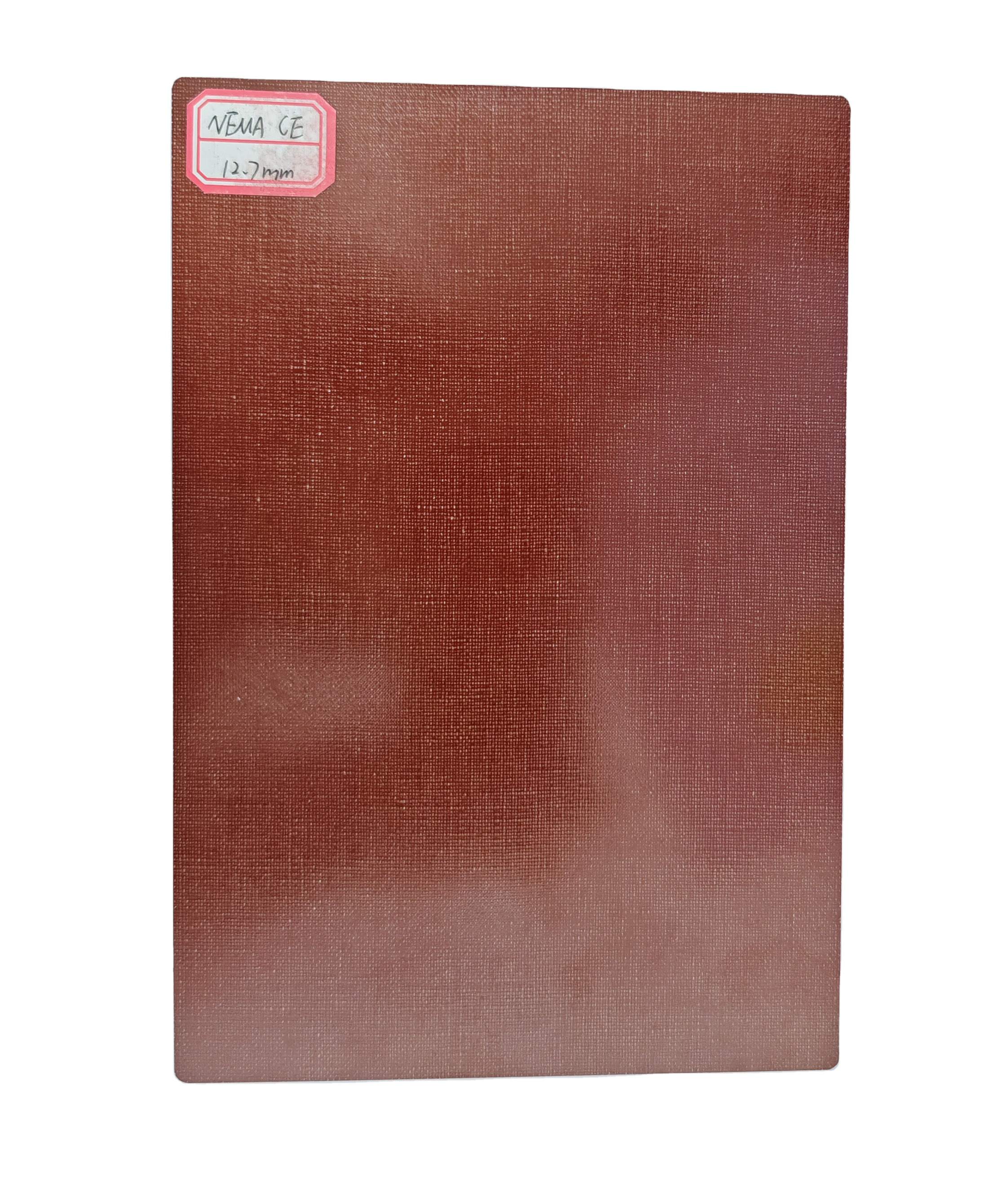
The natural epoxy glue has a yellowish-green tint, but during production, dyes are added to make it different colors, such as yellow, green, and black. Color differences don't always mean different levels of quality. For example, electrical-grade performance relies on the resin formulation, the glass fabric specs, and the controls for the lamination process, not on the choice of pigment. The most common color in the industry is still green, but for identification reasons, some specific uses may call for other colors.
Partner with J&Q for Your FR4 Epoxy Sheet Requirements
As a reliable source for FR4 Epoxy Sheet, J&Q has more than twenty years of experience making things and more than ten years of experience trading with other countries. Our close relationships with trading partners in both the United States and other countries help us fully understand global quality standards and customer expectations. Through our combined logistics company, we have full control over the supply chain and can provide a real one-stop service from specifying the materials to providing them. Our engineering team helps with choosing the right material, making changes, and making the best use of the product. Email us at info@jhd-material.com to talk about your insulation needs and to get samples. You can see all of our products and licensing paperwork at jhd-material.com.
References
1. National Electrical Manufacturers Association, "Industrial Laminating Thermosetting Products NEMA LI 1-1998," Standards Publication, 1998.
2. International Electrotechnical Commission, "IEC 60893: Insulating Materials - Industrial Rigid Laminated Sheets Based on Thermosetting Resins for Electrical Purposes," Technical Standards, 2019.
3. Underwriters Laboratories, "UL94: Standard for Tests for Flammability of Plastic Materials for Parts in Devices and Appliances," Safety Certification Standards, 2021.
4. ASTM International, "ASTM D570: Standard Test Method for Water Absorption of Plastics," Materials Testing Standards, 2018.
5. Military Specifications, "MIL-I-24768/27: Insulation Sheet and Strips, Laminated Thermosetting, Glass Cloth, Epoxy Resin," Defense Standards, 1991.
6. Coombs, Clyde F., "Printed Circuits Handbook, Seventh Edition," McGraw-Hill Education, Chapter 8: Base Materials for Printed Wiring Boards, 2016.