What Industries Need Custom G10 Fiberglass Tube Solutions?
2026-08-28 11:04:50
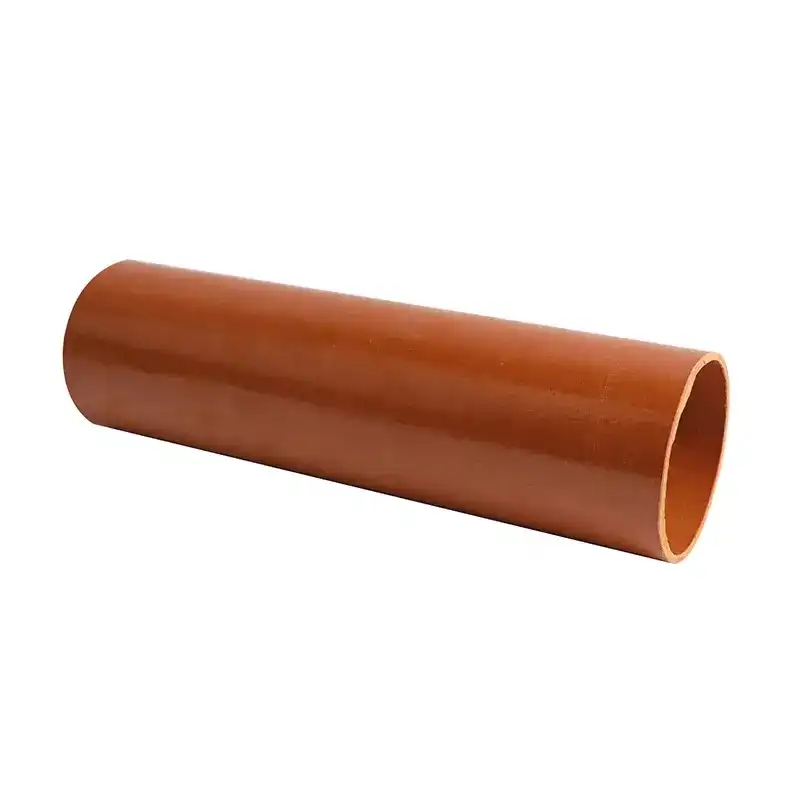
In many fields, electrical insulation, mechanical strength, and thermal stability can't be compromised, so custom G10 Fiberglass Tube solutions are necessary. These high-pressure fiberglass laminate composites, which are made from continuous filament glass cloth that has been soaked in epoxy resin, perform better than any other materials in harsh conditions. Whether you're a purchasing manager looking for reliable insulation materials, an engineer making precise parts, or an OEM client with specific needs, knowing which industries depend on custom G10 tubes can help you find the best material solutions for your problems.
Most of the time, off-the-shelf materials don't meet the strict standards needed in electrical systems, industrial machinery, or certain car uses. Custom G10 tubes fill in this gap by providing exact control over dimensions, better dielectric qualities, and higher mechanical stability. This guide looks at the industries that use these composites, how customization can help with problems that are unique to those industries, and gives technical decision-makers useful procurement tips to help them choose the best supplier and specification for long-term dependability.
Understanding G10 Fiberglass Tubes: Properties and Benefits
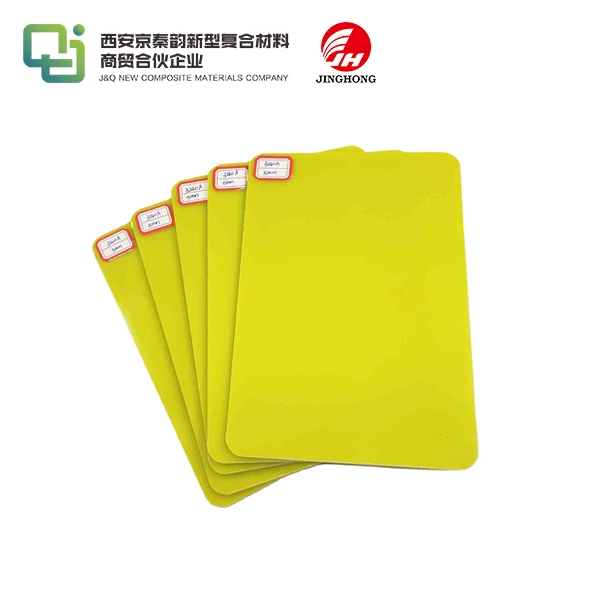
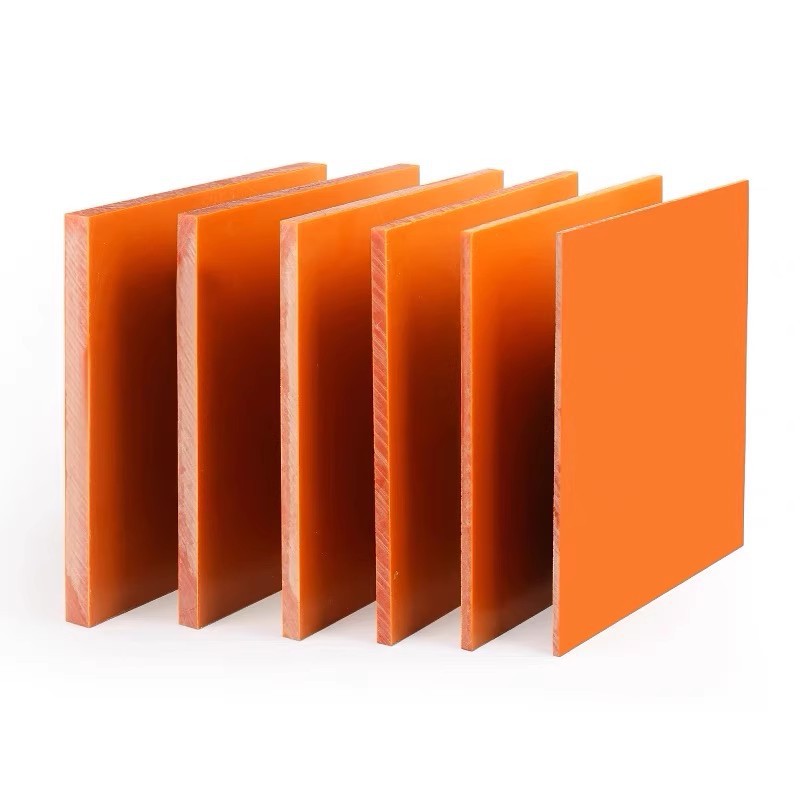
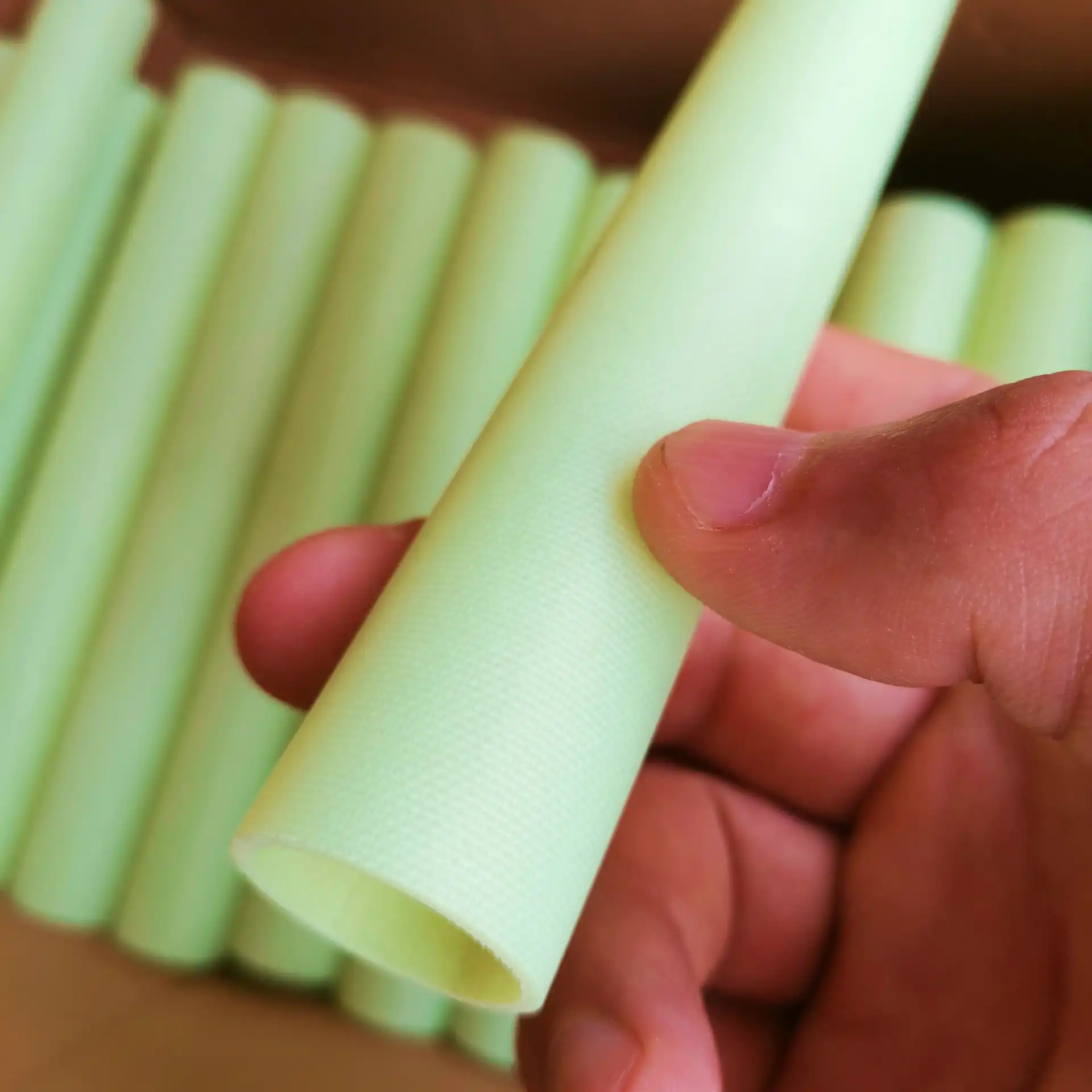
G10 glass epoxy composites are made using a strict process in which layers of woven fiberglass cloth are mixed with epoxy glue and then cured under controlled heat and pressure. This makes a thermoset laminate that meets the standards for NEMA G10 and MIL-I-24768/2. Compared to FR4, which has flame retardants that are brominated, pure G10 has a slightly higher flexural strength and absorbs less water (only 0.11% over 24 hours). This makes it perfect for structural uses where fire resistance is not as important as mechanical performance.
The material does very well in a number of success measures. G10 tubes can handle a lot of mechanical force while staying the same size. They have a tensile strength of 40,000 psi, a compression strength of 65,000 psi, and a flexural strength of 75,000 psi. The dielectric strength makes it a great electrical insulator, stopping current leakage in high-voltage settings where metal alternatives could be dangerous. The material's thermal protection goes up to about 140°C for constant use, and it keeps its shape even in very cold temperatures.
Because it can be customized, G10 goes from being a standard material to a precisely designed answer. As needed, tube sizes, wall thicknesses, and internal widths can be changed to meet the special design needs of motor shafts, standoffs, bushings, and coil forms. This flexibility solves problems that standard tubes can't, like mounting arrangements that aren't standard or the need for specific thermal expansion factors in precision instruments.
When compared to other options, G10 has clear benefits. Carbon fiber is stronger, but it doesn't insulate as well against electricity. Even though aluminum is light, it can't be used in high-voltage applications because it conducts electricity. When heated, PVC tubes break down, but phenolic materials soak up more water. G10 is the best material for situations where a lot of different properties need to work together without any problems because it is strong, insulating, and resistant to the environment.
Key Industries Leveraging Custom G10 Fiberglass Tube Solutions
Electrical and Electronics Manufacturing
Custom G10 tubes are used by companies that make electrical parts for PCB support systems, terminal insulators, and switchgear parts. The high dielectric strength of the material stops electrical interference, and its machinability makes it possible to make tight tolerances that are needed for automated assembly processes. Engineering managers choose G10 for motor housings and transformer bushings because the tubes keep the insulation intact even when they are under constant electrical loads. This lowers the number of failures and warranty claims.
Technical buying teams like that G10 meets UL and ROHS standards, which makes sure that regulations are followed in both consumer gadgets and industrial controls. Custom tube sizes are used for coil wrapping tasks where standard forms would need to be redesigned, which would be expensive. The material doesn't absorb much water, so it doesn't break down in damp places, which is a big plus over hygroscopic options that lose their protection over time.
Industrial Machinery and Equipment
Heavy machinery is made with special G10 Fiberglass Tube that acts as structural stabilizers, bearing spacers, and wear-resistant guides. Mechanical engineers like that the material can withstand high-pressure loads without deforming, which helps keep spinning units in precise alignment. OEM buying managers depend on thickness standards that stay the same (within ±0.005 inches) to make sure that parts can be swapped out between production runs and keep assembly times as short as possible.
The tubes act as mechanical spacers in hydraulic systems, and their chemical resistance to fluids made from petroleum keeps them from breaking down. G10 insulators keep sensitive electronics safe from electromagnetic interference caused by servo motors and variable frequency drives in automated production lines. Custom lengths and sizes make it possible to swap old parts with new ones that just snap in place. This extends the life of equipment without having to completely rebuild the system.
Power and Energy Sector
Custom G10 tubes are used by power distribution companies to protect transformers and switchgear from arcing, insulate coils, and keep them from getting too hot. Electrical experts choose this material because it doesn't catch fire and keeps its shape during thermal cycles. Long-term procurement experts give more weight to suppliers with quality systems that have been certified. This is because material failures in critical infrastructure have big safety and financial effects.
The tubes work as distance insulators in high-voltage substations. Since they are not conductive, they keep things from accidentally grounding out. Custom sizes allow for certain bushing designs in power transformers, making sure there is enough space for dielectric oil to flow. G10's resistance to tracking—a condition in which electrical discharge creates conductive paths—extends the life of outdoor installations that are exposed to dirt and moisture.
Automotive and Transportation
Custom G10 tubes are bought by automotive part makers for insulating battery packs, isolating motor mounts, and making heat-resistant parts for electric cars. To make complex geometries for lightweight structural parts, R&D engineers need to be able to use precision machining. As a result of strict safety rules for cars, Tier-1 supply chain managers expect stable batch quality and the ability to track materials.
The tubes act as temperature shields between the battery cells, which stops lithium-ion packs from getting overheated. Custom wall thicknesses find the best balance between protecting against mechanical damage and reducing weight, which is very important for maximizing the range of electric vehicles. G10's vibration dampening qualities stop noise from traveling through engine parts. This makes the car more comfortable without adding a lot of weight.
Home Appliances Manufacturing
G10 tubes are used by appliance brands in insulation frames, motor brackets, and parts that separate heat in washing machines, refrigerators, and HVAC systems. Cost-effectiveness is still the most important thing, since high production volumes make material costs go up. To keep mass production stable, suppliers must be able to give the same quality on millions of units, and they must be able to do this quickly so that production lines don't have to stop.
Custom tube designs allow snap-fit assembly, which cuts down on the time and money needed for production. The electrical insulation in the material keeps control boards safe from interference caused by motors, which makes appliances more reliable. Thermal separation in heating elements keeps plastic parts next to them from breaking too soon, which extends the guarantee time and cuts down on service calls.
How Custom G10 Fiberglass Tubes Solve Industry Challenges?
Tailored Mechanical Strength for Demanding Applications
When standard tubes are put through stresses that aren't covered by general specs, they often break, but custom G10 Fiberglass Tube solutions can fix this. Custom G10 solutions change the wall thickness, fiber direction, and resin content to fit the exact load needs. A transformer maker whose bushings were breaking early because of thermal expansion stress got special tubes with thicker walls and a different epoxy recipe, which stopped cracking during temperature changes.
The low cold creep of the material keeps its shape in cryogenic environments, where many plastics become brittle. Custom tubes keep clearances in equipment that is cooled by liquid nitrogen, which stops seal failures that waste expensive refrigerant. Customized G10 insulators absorb shock without breaking in high-vibration settings like railroad traction motors. This means that repair intervals are cut from months to years.
Enhanced Electrical Insulation and Thermal Resistance
Customized dielectric qualities are needed for applications that go beyond the normal insulation needs. A company that distributes electricity needed arc barriers that could stand up to 15 kV spikes without tracking. This requirement was met by custom G10 tubes with longer creepage distances and smooth surfaces. They passed accelerated aging tests that were the same as 20 years of field exposure. The solution got rid of the catastrophic failures that used to happen every 18 months in coastal installations where salt contamination was high.
Customizing thermal resistance is very important in situations where heating is concentrated. Custom tubes made with better epoxy resin formulations keep their shape at 155°C, which means they can be used with motors that work above the 140°C limit for standard G10. This makes parts last longer in industrial dryers and ovens, where replacing them costs a lot because of lost time at work and the need for specialized labor.
Reduced Downtime and Lower Maintenance Costs
Generic tubes often need to be replaced more often because they don't always fit right or the material wears down. Custom G10 solutions made for specific work situations greatly increase the time between replacements. Solvent exposure caused problems on a monthly basis in an automated assembly line that used standard plastic tubes. By switching to custom G10 tubes that are resistant to chemicals, replacements were cut down to every two years. This cut annual maintenance costs by 85% and stopped unplanned production stops.
Because G10 isn't magnetic, it doesn't interact with MRI machines and other high-precision instruments, which happens when solid materials are used. Custom tubes made for particular sensor housings keep the accuracy of the calibration, so it only needs to be done once a year instead of once a week. This operating efficiency directly leads to lower labor costs and more accurate measurements in facilities that make medicines and test airplanes.
Procurement Considerations for Custom G10 Fiberglass Tubes
Sourcing from Qualified Manufacturers
Long-term success depends on choosing the right supplier. Manufacturers with well-known quality certifications, like ISO 9001, UL recognition, and NEMA compliance, can consistently make things. For each production lot, you should ask for material certifications that show the tensile strength, dielectric properties, and size tolerances. If problems happen in the field, suppliers that offer full traceability through batch codes can quickly figure out what went wrong.
Check how well a company can make things for G10 Fiberglass Tube by doing facility checks or sending out detailed surveys. The precision that can be achieved depends on the CNC machine, while the highest tube size is limited by the size of the press. Suppliers with their own testing labs can respond more quickly to custom requests, which speeds up the product development cycle. When you work with suppliers for a long time, they know your industry's problems and the rules that apply to it, so they can give you better technical support.
Pricing Dynamics and Lead Times
Volume has a big effect on how prices are set. Tiered discounts of 15–30% are usually available for orders over 1,000 units, and the costs of custom tools for non-standard sizes are spread out over larger orders. Lead times depend on how complicated the order is. Standard changes can be shipped within two weeks, but completely new orders need four to six weeks to make the tools and do the first production runs.
Plan your purchases around your production schedules to avoid having to pay extra for faster shipping. Blanket buy orders with scheduled releases smooth out changes in demand, get better prices, and keep your supplies flexible. Talk about the minimum order numbers early on, because some changes need production runs that are bigger than what is needed right now. Setting up consignment inventory agreements with suppliers close to your facilities lowers the cost of buying things in an emergency and makes sure that you have materials on hand during times of high production.
Quality Assurance and Certification Compliance
A careful look at the datasheet stops specification mistakes that cost a lot of money. Check that the properties listed in the literature match what you need for your application. Pay special attention to the temperature ranges, moisture absorption, and mechanical strength at operating conditions. Ask for material testing records that include real performance numbers, not just averages. Testing by a third party in a separate lab adds credibility, especially for safety-critical uses in medical devices or aerospace.
Certification compliance goes beyond the qualities of the materials and includes the ways they are made. Maintaining UL recognition for suppliers makes sure that production standards are met consistently. Documentation that shows ROHS compliance shows environmental responsibility and is becoming more and more required in European and Asian markets. Before making big orders, make sure you get copies of the certifications, since getting compliance after the fact is often hard or too expensive.
Logistics for Global Distribution
To avoid damage and delays, international transfers need to be carefully planned. Because epoxy composites stay stable but need to be protected from impact, custom G10 tubes ship best in safe crates with moisture shields. Experts in freight handling help suppliers deal with customs paperwork, harmonized tariff codes, and import rules that are specific to each country. This keeps clearing times from getting in the way of production plans.
Look at suppliers who offer distributed warehousing or manufacturing partnerships in your region. This cuts down on shipping costs and transit times while still giving local expert help. Costs and inventory-holding costs can be balanced by having a variety of shipping options, such as air freight for urgent needs and ocean freight for planned restocking. Just-in-time delivery suppliers make sure that the arrival of materials matches up with production schedules. This saves warehouse space and working capital that isn't being used to buy inventory.
Making the Right Decision: Comparing Custom G10 Fiberglass Tubes to Alternatives
Performance Comparisons Across Materials
Carbon fiber tubes are stronger than G10 Fiberglass Tube when it comes to tensile strength, but they cost three to five times more and don't insulate electricity as well. Because of this, carbon fiber can be used for structural purposes in aerospace but not for electrical insulation, where G10 offers better mechanical performance at a lower cost. Aluminum tubes are great at moving heat, but they also carry electricity. This means they can't be used in high-voltage situations, where G10 is still the only good choice.
Phenolic cotton laminates are cheaper than G10, but they absorb a lot more water—up to 2% compared to 0.11% for G10—which changes their size and weakens their dielectric strength in damp places. Lower temperatures are okay for PVC tubes, but they soften above 80°C, while G10 stays stiff past 130°C. Even though FR4 tubes are chemically similar to G10, they are slightly less strong because they are less resistant to flames. This makes them better when fire codes require UL94 V-0 ratings but not necessary when G10's higher strength is more useful.
When G10 Delivers Superior Value
G10 works great in situations where electrical protection, mechanical strength, and heat resistance are all needed at the same time. Cheaper materials break down in months, but G10's dielectric qualities and ability to keep its shape under temperature cycles make it a good choice for transformer bushings. Motor insulation in electric cars uses G10 because it is lightweight and doesn't vibrate, which is something that no other material can do.
Over the lifecycle of a product, cost-effectiveness becomes clear. Even though G10 costs more than regular plastics at first, the total cost of ownership is cheaper because it requires less upkeep and can be replaced more often. An industrial motor maker found that using G10 insulators, which were 40% more expensive than phenolic alternatives, cut down on yearly repair costs by 60%. This meant that the motors saved money over the course of their three-year warranty.
Limitations to Consider
Because G10 doesn't have self-extinguishing properties, it can't be used in places where UL94 V-0 ratings are required for flame retardancy. However, FR4 gets around this problem. The roughness of the material speeds up tool wear when it's being machined, which means carbide or diamond-coated cutting tools are needed, and the cost of making the part goes up. Long-term UV exposure breaks down epoxy resin, so protective coats are needed for outdoor projects that will stay there.
When compared to thermoplastics, brittleness makes impact resistance less good in situations where mechanical shocks happen over and over again. G10 is very good at absorbing compressive loads, but it can crack when hit hard. Applications that will be exposed to strong chemicals, like concentrated acids or strong alkalis, may need special glue formulations or different materials. Knowing these limits helps you choose the right materials, which keeps you from having problems in the field and having to pay a lot of money to redo things.
Conclusion
Custom G10 Fiberglass Tube options meet the exact needs of fields that must have electrical protection, mechanical longevity, and thermal stability. These epoxy glass composites work well in places where regular materials don't, like in power transfer structures and battery packs for electric vehicles. Engineers and procurement professionals can benefit from learning about G10's properties, figuring out which customizations solve specific problems, and choosing qualified suppliers who can deliver consistently high quality goods around the world. Technical decision-makers find material solutions that improve performance, lower upkeep costs, and support long-term working reliability by reviewing options objectively and taking into account total lifecycle costs. The information in this article gives you the tools you need to make smart buying choices that fit the needs of your industry and your budget.
FAQ
What is the difference between G10 and FR4 Fiberglass Tubes?
G10 and FR4 rated to UL94 V-0 are mechanically similar and can be used interchangeably in casual situations. However, FR4 has self-extinguishing bromine additives that G10 does not have. As a result, G10 has a slightly higher flexural strength (75,000 psi vs. 70,000 psi) and better water resistance (0.11% absorption vs. 0.15% absorption) than FR4. However, FR4 has to be used when strict fire-retardancy rules are needed because of electrical codes or insurance standards.
Can G10 Fiberglass Tube be used outdoors?
G10 works well mechanically outside, but epoxy resin can still be damaged by UV light, which over time can cause it to yellow and become chalky. UV-resistant polyurethane coatings or protective paints keep the look and integrity of surfaces that are permanently installed outside. Even if the surface of uncoated G10 changes, its structural and electrical qualities stay the same. However, protective finishes make it last longer and keep its shape in high-UV settings.
Is G10 Fiberglass Tube transparent to radio waves?
It is the standard for radomes, antenna supports, and coil shapes where signal loss must be kept to a minimum because G10 is very clear at radio frequencies and is not magnetic. Because the material has a low absorption factor, it loses almost no energy at radio frequencies. This is why it is used in so many communication systems, radar systems, and RF testing tools. Because of this trait and its structural strength, G10 is the only material that can be used in situations that need both electromagnetic transparency and mechanical support.
Partner with J&Q for Precision G10 Fiberglass Tube Solutions
J&Q is your reliable source for G10 Fiberglass Tube because we've been making insulation materials for 20 years and working with business-to-business clients around the world for over ten years. We know the technical requirements and quality standards that your business needs. Our engineering team works with buying managers and design engineers to create unique tube solutions that meet all of your exact needs for size, power, and temperature. With our own logistics department, we can provide a seamless one-stop service from advising on specifications to delivering your materials around the world. This way, we can make sure they arrive on time and meet strict quality standards. We have strong relationships with international trade companies and use approved manufacturing methods to make sure that the quality of our products is always the same and our prices are always competitive, whether you need trial samples for testing or large production runs. Visit jhd-material.com or email our technical team at info@jhd-material.com to talk about your custom G10 tube needs and get a quote that fits your project's schedule and performance needs.
References
1. National Electrical Manufacturers Association. "Industrial Laminating Thermosetting Products Standards Publication." NEMA Standards Publication LI 1-2018.
2. Ashby, Michael F. and Hugh Shercliff. "Materials: Engineering, Science, Processing and Design." Butterworth-Heinemann, 2019.
3. Harper, Charles A. "Handbook of Plastics Technologies: The Complete Guide to Properties and Performance." McGraw-Hill Education, 2006.
4. Military Specification MIL-I-24768/2. "Insulation, Electrical, Glass Fabric Epoxy Resin, Rigid Sheet, Laminated."
5. Underwriters Laboratories. "Standard for Safety of Polymeric Materials—Industrial Laminates, Filament Wound Tubing, and Fabricated Parts." UL 94 Flammability Testing Standards.
6. American Society for Testing and Materials. "Standard Test Methods for Electrical Insulating Materials." ASTM D229-20, ASTM D150-18, ASTM D638-14.