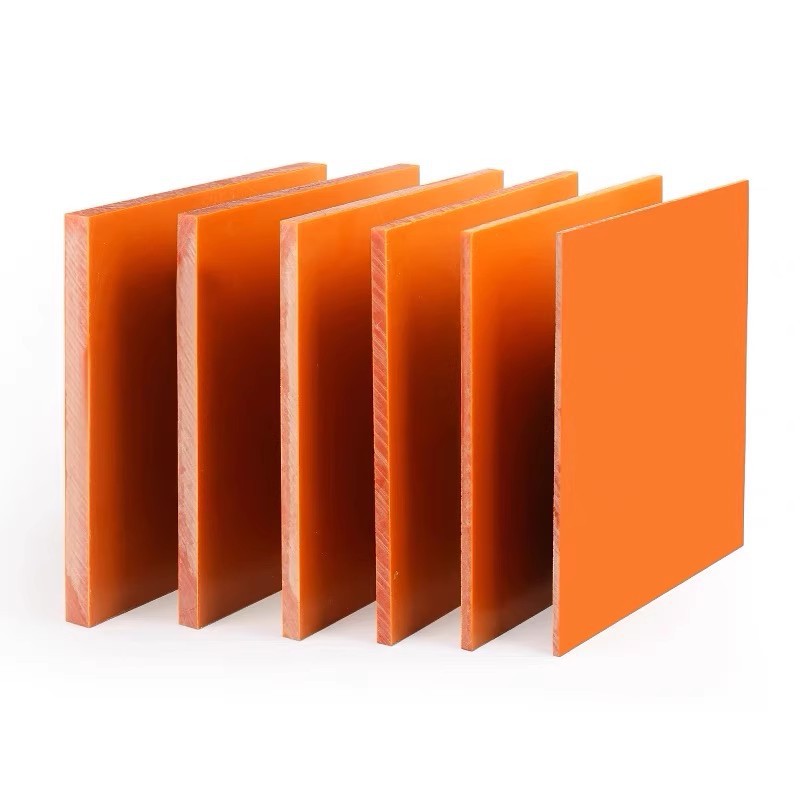
Glass Epoxy Sheet Delivers Superior Strength for Electrical Applications
2026-08-28 17:29:09
When engineering managers and procurement teams evaluate materials for demanding electrical environments, Glass Epoxy Sheet stands out as the definitive choice. This high-performance composite material combines woven glass fiber cloth with epoxy resin through precision manufacturing processes, creating an insulation solution that addresses critical industry challenges—from thermal breakdown in transformer assemblies to dimensional instability during PCB fabrication. With flexural strengths exceeding 45,000 PSI and dielectric performance reaching 800 Volts/mil, these sheets solve the most persistent electrical insulation problems while delivering mechanical reliability that phenolic and polyester alternatives simply cannot match.
Understanding Glass Epoxy Sheets: Composition, Properties, and Applications
What Makes Glass Epoxy Sheet a Superior Composite Material?
To make epoxy glass fiber sheets, layers of continuous-filament woven glass cloth that is saturated with thermosetting epoxy resin are put together. When heat and pressure are controlled, this mixture changes into a solid mass that doesn't melt. The epoxy matrix holds everything together, giving it great mechanical qualities. The glass threads strengthen the structure. This is very different from phenolic paper laminates, where the cellulose fibers soak up water and make the insulation less effective over time.
The quality of the goods made is controlled by standards like NEMA LI-1, MIL-I-24768, and IEC 60893. G10 (general-purpose), G11 (high-temperature uses), and FR4 (flame-resistant for electronics) are the most well-known grades. Each grade meets a different set of operating needs while still retaining the main benefits of epoxy-glass composite technology.
Key Technical Properties That Define Performance
The structure of the material gives it measured performance benefits in a number of areas, including:
Mechanical Strength: The flexural strength of the material can range from 45,000 to 70,000 PSI, depending on the grade. This means that it can hold up under heavy loads without deforming. Because of this, it is perfect for use as mechanical fillers in factories and as structural insulation parts.
Thermal Stability: The glass transition temperature (Tg) is different for each formulation. Standard FR4 stays strong up to 130°C to 140°C, while high-Tg variants keep working past 180°C. This thermal resistance stops the Z-axis from expanding during lead-free soldering processes and keeps the dimensions accurate even after many cycles of high and low temperatures.
Electrical Insulation: A dielectric strength of 500 to 800 Volts/mil is a strong barrier against electrical breakdown. When combined with almost no water absorption (usually between 0.1% and 0.2%), these sheets keep their dielectric constant values even in industrial or marine settings with high humidity, where inferior materials fail horribly.
Chemical Resistance: Acids, solvents, and industrial chemicals can't break down the cured epoxy matrix. This means it can be used for longer in harsh chemical processing environments.
These qualities directly address problems that electrical engineers and technical buying teams deal with every day, such as materials breaking down under heat stress, dielectric breakdown caused by moisture, and deformation of materials under load.
Common Applications Across Industrial Sectors
Glass epoxy laminates are used all over the ecosystem for making electronics and electrical goods. When making a PCB, FR4 is the base material that supports the other layers of copper and keeps the electricity from flowing through it. These sheets are used as arc barriers in switchgear units to stop electrical flashover, and they are also used as insulation frames between windings and metal casings in motor housings.
Because epoxy glass is resistant to flames and doesn't change temperature, transformer manufacturers use it for coil insulation and thermal barriers. Precision-machined sheets are used as thermal barriers in battery pack assemblies for cars. They stop heat from moving between cells and keep the structure strong while the car is running.
The strength-to-weight ratio of Glass Epoxy Sheet makes it better for design than metals when used to make wear-resistant gears, mechanical spacers, and structural supports. Manufacturers of home appliances use them in motor brackets and heat separation parts, combining the need for efficiency with the need to keep costs low for mass production.
Comparing Glass Epoxy Sheets With Other Materials: Making the Right Choice
Material Performance Across Critical Dimensions
To choose between composite materials, you need to know how their performance characteristics match up with the needs of the application. Glass-epoxy mixtures are useful in some situations, but other materials are better for other uses.
Compared to phenolic laminates, phenolic materials are cheaper but take up to 2% more water, which can change their shape and weaken their electrical qualities in damp places. Because Glass Epoxy Sheets work the same way no matter what the weather is like, they are best for outdoor electrical equipment and damp factories.
Compared to Polyester Composites: Polyester resins are resistant to chemicals, but they are not as strong or stable at high temperatures as epoxy formulas. Epoxy and glass fibers stick together better than other materials, so the composite structure is stronger and doesn't delaminate when it's under stress.
Pure Fiberglass vs. Unreinforced Fiberglass: Unreinforced fiberglass is good at blocking electricity, but it's not as strong and easy to work with as epoxy-bonded laminates. Because of the epoxy matrix, precise CNC machining can be done with very tight tolerances that would not be possible with raw fiberglass.
Understanding FR4 and Specialty Grades
Among the glass epoxy grades, FR4 is the one that is most often used. The "FR" designation means that the flame-retardant properties were achieved using brominated epoxy formulations that met UL94 V-0 standards for flammability. This ability to put out fires on its own is very important for electronics uses where flame-resistant materials are required by law.
G10 has some of the same mechanical properties as FR4, but it doesn't have any flame retardant additives, which makes it a little cheaper. FR4, on the other hand, has mostly replaced G10 in electronics manufacturing because it meets safety standards. G11 has better performance at high temperatures than standard FR4, keeping its mechanical strength at high temperatures where standard FR4 softens.
When heat processing is involved, the glass transition temperature is the most important factor in choosing a material. Standard FR4 (Tg 130°C–140°C) is good for standard tin-lead soldering. High-Tg FR4 (Tg 170°C+) keeps the board from twisting during lead-free soldering processes that get hotter.
Thickness Variations and Material Formulations
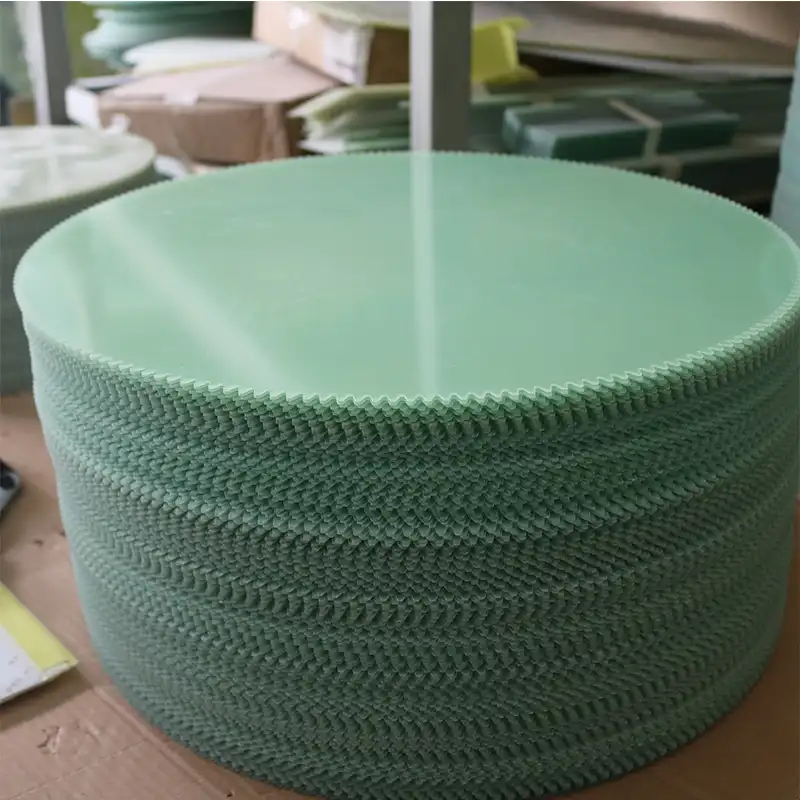
These sheets are made in thicknesses ranging from 0.5 mm to 100 mm so that they can be used in a variety of situations. Thinner sheets work well for PCB substrates and insulation walls where room is limited, while thick plates are best for structural uses that need the most strength.
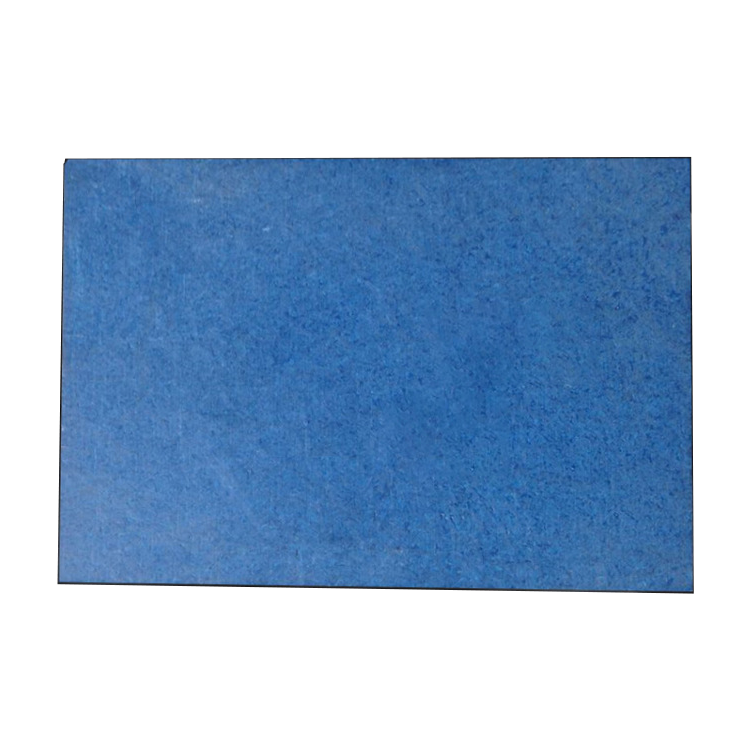
Pigments added during production give sheets their color, which is usually a natural yellow-green, a darker green, or black. Color doesn't automatically show differences in quality, but natural green is the standard for electrical-grade material that hasn't been changed. Carbon is sometimes added to black products to improve their mechanical qualities or for aesthetic reasons.
When purchasing managers look at large orders, they should know that tolerances for thickness, quality of the surface finish, and stability between production batches have a big effect on how efficiently the goods are made later on. Reliable providers keep tight measurements, which lowers the amount of scrap that is made during CNC cutting.
Manufacturing and Technical Insights: Ensuring Quality and Performance
Production Processes That Guarantee Consistency
Precise industrial controls at every step of the production process lead to high-quality Glass Epoxy Sheet. The process starts with binding agents being added to continuous-filament glass cloth to help it stick to the epoxy resin system better. Manufacturers soak the glass fabric in a liquid epoxy glue that has been mixed to a certain thickness, which makes sure that the fabric is completely saturated.
During hardening, layered sheets are put through controlled temperature and pressure loads in hot compression presses. This process of consolidation gets rid of air spaces, joins layers together, and starts the thermosetting reaction that turns liquid resin into a solid material. Post-cure heat treatment finishes the cross-linking reaction, making the material stronger and more stable at high temperatures.
As per ASTM D790 standards, quality assurance testing confirms the mechanical strength through bending testing. It also confirms the dielectric strength through voltage breakdown testing and the water absorption rates through extended plunge tests. Manufacturers who are certified keep records that show they follow NEMA, MIL-SPEC, and international IEC standards.
Machining Techniques for Optimal Results
Standard metalworking tools and the right tools can be used to make epoxy glass materials well. Because the glass fiber support makes the material rough, carbide or diamond-tipped cutting tools are needed to meet specs and extend tool life. Standard high-speed steel tools get dull quickly, which lowers the accuracy of measurements and raises the cost of production.
When feed rates and spindle speeds are set correctly, CNC routing, milling, drilling, and laser cutting all produce great results. When RPMs are high and feed rates are low, delamination at the cut edges is less likely to happen, and the surface is smoother. Using coolant during machining keeps the heat from building up and breaking down the epoxy matrix.
Safety concerns during manufacturing are very important. Fine glass dust particles are made during machining and can be harmful if breathed in or come into contact with the skin. Professional machine shops use wet cutting and HEPA-filtered dust extraction systems to get rid of particles in the air. When cutting or grinding, you must always wear personal safety equipment like respirators and eye protection.
Storage and Handling Best Practices
Throughout the supply chain, proper storage keeps the qualities of materials safe. Sheets should be kept in dry places that are out of direct sunlight, since UV light can break down surface epoxy over time. Putting materials on top of each other with safe interleaving stops surface scratches that cause stress to build up.
Temperature-stable storage conditions stop temperature cycles that could cause stresses inside the material before it is made. Even though finished epoxy glass laminates don't absorb water, it's best to store them in places with controlled humidity, especially for precision uses where even small changes in size can affect how well the assembly fits together.
The way you handle materials should keep the edges from getting damaged and keep them from getting dirty. When sheets are glued together, or electrical layers are added during PCB making, they stick better to surfaces that are clean and free of particles.
Procurement Guide: Sourcing the Best Glass Epoxy Sheets for Your Business
Evaluating Suppliers and Manufacturers
To find reliable sources of materials, you need to look at more than just the price of the suppliers. Experience in manufacturing shows how mature a process is; companies that have been in business for decades tend to have more reliable quality systems than newcomers. How well a seller can meet your volume needs during times of high demand is based on their production ability.
Portfolios of certifications show that you are committed to high standards. ISO 9001 certification shows that quality is managed in a planned way, and UL recognition for FR4 materials shows that they have been tested and proven to be safe by a third party. Documentation that shows ROHS compliance shows that environmental rules about dangerous chemicals are being followed. This is especially important for electronics that are sold in Europe.
The ability to provide technical help for Glass Epoxy Sheet sets special sellers apart from commodity vendors. In addition to making the physical product, engineering teams that help choose materials, make suggestions for machining, and solve application problems add a lot of value. Customer-focused businesses have channels of communication that are quick to respond and are willing to make custom formulations or thicknesses.
Minimum Order Quantities and Customization Options
In industrial purchases, it's common to have to weigh the costs of keeping goods against the benefits of buying in bulk. A lot of companies set minimum order numbers (MOQs) based on how efficiently they can make things. These are usually shown in sheet count or total weight. When procurement teams know these limits, they can offer better terms without having to buy too much product.
There are more ways to customize than just standard sheet sizes. Progressive providers offer precise cutting based on customer needs, which gets rid of waste in the production process. You may be able to get specialized surface processes, custom thickness standards, and certain performance certifications, but these usually mean longer lead times and higher unit costs.
Delivery logistics have a big effect on both the total landed cost and the reliability of the production schedule. Most of the time, suppliers with regional distribution centers can meet pressing needs faster than direct shipments from the plant. Some suppliers offer consignment inventory programs where the materials you keep at your building stay the supplier's property until they are used. This helps you make the best use of your working capital.
Evaluating Total Cost of Ownership
The purchase price is only one part of the real cost of the materials. Yield rates during machining have a big effect on the net cost of the material. For example, better-quality sheets with uniform thickness tolerances and few internal gaps reduce scrap, which cancels out the higher price. Cutting tools last longer when they are made of clean material, which lowers the cost of tools over multiple production runs.
Dependability of suppliers has a direct effect on how efficiently goods are made. Regularly delivering on time keeps lines from stopping and avoids extra fees for speeding things up. When the properties of a material stay the same from shipment to shipment, there is no need to make changes to the process or test it for quality with each new batch. When application problems are quickly fixed by technical support, engineers spend less time on other tasks.
Long-term relationships with suppliers can lead to better prices, faster delivery of materials when needed, and joint product development. Buying strategies that focus on partnerships over transactional buying usually lead to better total value, especially for materials that are essential to the performance and dependability of the product.
Why Glass Epoxy Sheet Is the Preferred Solution for Electrical Applications?
Quantifiable Performance Advantages
Epoxy glass laminates are widely used in electrical applications because they have measured performance benefits that lead to more reliable products and lower costs over their entire lives. When you combine high dielectric strength with almost no moisture absorption, you get insulation systems that keep their electrical integrity over a long period of time, even in harsh environments.
Mechanical sturdiness lowers the need for upkeep and the number of times that parts need to be replaced. Organic insulation materials break down over time, but properly defined glass epoxy composites keep their features for decades. When companies that make electrical equipment switch from phenolic or paper-based insulation to epoxy glass systems, they see a big drop in warranty claims and failures in the field.
Electrical equipment designs can use higher power levels when materials are thermally stable, like Glass Epoxy Sheet. Glass epoxy insulation in transformers and motor assemblies lets them work at high temperatures without breaking or deforming. This saves energy and makes the equipment smaller overall. Because of its versatility, this design gives it a competitive edge in markets where small, high-performance power systems cost a lot.
Real-World Application Success
Manufacturers of power distribution tools have reported that changes to materials have made their products much more reliable. One transformer maker cut field failure rates by 60% by switching arc barriers from phenolic to FR4 glass epoxy material. This got rid of moisture-related tracking failures that were causing equipment to break down too soon before they should have.
Electronics companies that make high-reliability PCB assemblies for aerospace and automotive uses only high-Tg FR4, because they know that thermal stability during assembly processes directly affects the reliability of the solder joint over time. Investing in high-quality substrate materials pays off because they lower the cost of rework and make the final product work better.
When builders of industrial machinery use glass epoxy structural parts instead of metal ones, they report longer service intervals and lower maintenance costs. Because the material is naturally electrically insulating, it doesn't need to be grounded in some situations. Its resistance to corrosion also makes it last longer in chemically aggressive environments.
Future Material Developments and Industry Trends
Resin chemistry research that is still going on keeps improving performance. In response to regulatory trends that limit brominated chemicals, halogen-free flame retardant products protect the environment while still meeting UL94 V-0 standards. Bio-based epoxy resins made from natural materials are better for the environment and don't change the mechanical or electrical qualities of the materials.
Advanced processes on glass fibers improve the bonding between surfaces, which gradually raises their dynamic strength and heat conductivity. These improvements make it possible for higher-performance uses while keeping the main benefits that have made glass epoxy composites the standard in the industry.
The main goals of new manufacturing processes are to improve consistency and cut costs. Computer vision-based automated quality inspection systems find internal flaws before they are shipped, making sure that the materials that are delivered meet the requirements. Process improvement lowers the amount of energy needed for curing, which is better for the earth and keeps production costs low.
Conclusion
For tough industrial uses, Glass Epoxy Sheets are the best combination of mechanical strength, electrical protection, and heat stability. The material has been used to make electronics, power distribution systems, automotive systems, and industrial machinery, and it has been shown to work well in all of these areas. The technical features, such as a bending strength of over 45,000 PSI, a dielectric strength of up to 800 Volts/mil, and almost zero moisture absorption, directly address the most important problems that electrical engineers and procurement professionals face. Strategically choosing materials and forming relationships with suppliers can unlock a lot of value by making products more reliable, lowering upkeep costs, and making them last longer.
FAQ
What distinguishes FR4 from standard G10 glass epoxy material?
Both materials are made of glass-epoxy and have similar mechanical properties. However, FR4 has brominated flame retardant additives that make it meet UL94 V-0 flammability standards. G10 isn't flame retardant, but it costs a little less. Because of safety rules in the electronics industry, FR4 has mostly replaced G10 in most situations. The ability to fight flames is very useful in situations where self-extinguishing qualities are needed to stop fires from spreading.
Can glass epoxy sheets withstand high-temperature processing?
Standard FR4 grades keep their shape up to 130°C to 140°C, which is the point at which they turn into glass. This makes them useful for traditional soldering methods. High-Tg formulations increase the temperature range above 170°C to 180°C, which stops changes in size during lead-free soldering at higher processing temperatures. Choosing the right Tg values based on how the product will be heated during production and use guarantees effective performance.
How does moisture affect glass epoxy electrical properties?
Epoxy glass laminates that are made correctly only absorb a small amount of water—usually 0.1% to 0.2% by weight—so they can keep their dielectric properties even in damp places. This low rate of absorption is a major benefit over phenolic paper laminates, which soak up several percentage points of wetness, which makes them grow and lose their insulation properties. Glass epoxy materials are great for outdoor electrical equipment and use in tropical climates because they don't absorb water.
What machining considerations apply to glass epoxy composites?
The glass fiber reinforcement makes the material rough, so carbide or diamond tools are needed for best results. Fine glass dust particles are made during machining and need to be kept away from people by using proper air and safety gear. Airborne particles can be kept under control with HEPA-filtered dust collection systems and wet cutting techniques. When CNC operations are done, the right feed rates and spindle speeds keep the dimensions within acceptable ranges and stop delamination.
Partner With J&Q for Reliable Glass Epoxy Sheet Supply
J&Q is a reliable source for Glass Epoxy Sheet because they have been making things for over 20 years and have been trading with other countries for ten years. Our thorough quality systems make sure that the properties of every batch of materials are the same, meeting the NEMA, UL, and ROHS compliance standards that your applications need. We keep a wide range of grades in stock, including FR4, G10, and G11 in different sizes. This lets us quickly meet the needs of both prototypes and large-scale production. Our in-house logistics services offer streamlined shipping options that make your supply chain from the plant to your building run more smoothly. During the product development cycle, technical engineering support helps you choose the right materials, set the right parameters for machining, and fix problems with your applications. Get in touch with our team at info@jhd-material.com to talk about your specific insulation needs and find out how our manufacturing skills and customer-focused service model can help your purchasing. You can see all of our products at jhd-material.com and ask for material certifications that show our dedication to quality excellence.
References
1. National Electrical Manufacturers Association (NEMA). "Industrial Laminating Thermosetting Products (LI 1-1998)." NEMA Standards Publication, 1998.
2. Institute of Electrical and Electronics Engineers (IEEE). "Guide for the Preparation of Test Procedures for the Thermal Evaluation of Insulation Systems for Electrical Equipment." IEEE Standard 98-2002.
3. Underwriters Laboratories. "Tests for Flammability of Plastic Materials for Parts in Devices and Appliances (UL 94)." UL Safety Standards, 2013 Edition.
4. International Electrotechnical Commission. "Insulating Materials - Industrial Rigid Laminated Sheets Based on Thermosetting Resins for Electrical Purposes." IEC 60893 Series Standards.
5. American Society for Testing and Materials. "Standard Test Methods for Flexural Properties of Unreinforced and Reinforced Plastics and Electrical Insulating Materials." ASTM D790-17.
6. Military Specifications and Standards. "Plastic Sheet, Laminated, Glass Fabric Base, Epoxy Resin." MIL-I-24768/27 Military Specification Document.
 拷贝_1755500211555.jpg)